Genres
Artists
Albums
Make Music
Sign in
Sign in
Artists
Alté
Artists
Alté
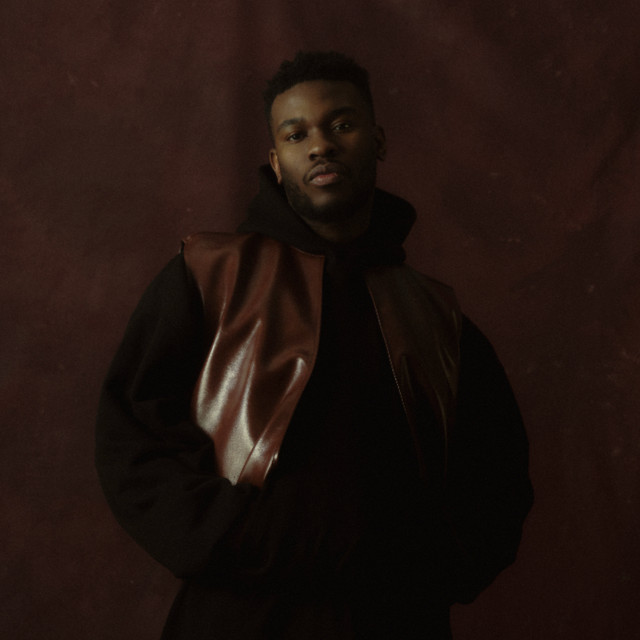
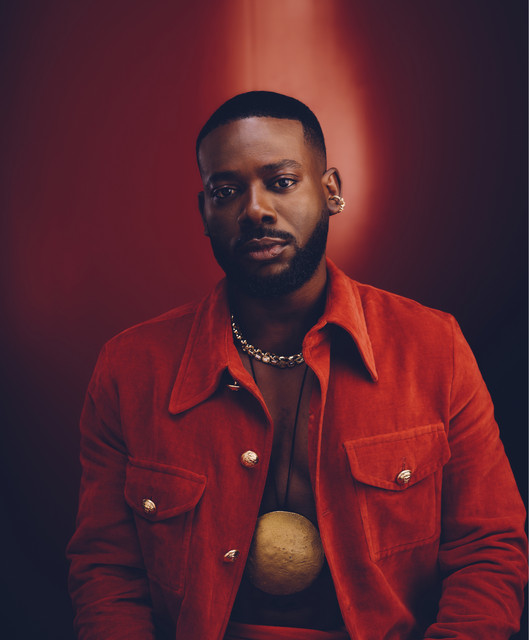
Nsikak David
2024
·
1 album
Listen
2
/5
Genres
Alté
Alté (often stylized as alté) is a Nigerian-born, genre-fluid movement that blends alternative R&B, Afrobeats, hip hop, neo-soul, dancehall, and indie pop into a moody, atmospheric sound. It values experimentation, understated grooves, and a DIY ethos that extends from production choices to fashion, visuals, and community. Songs typically feature warm, textural synths, lightly swung Afrocentric percussion, silky vocals, and introspective lyrics delivered in English, Nigerian Pidgin, or code-switches. Rather than chasing club maximalism, alté favors mid‑tempo rhythms, lush harmony, and space for tone and texture to breathe.
Discover
Listen
Afro R&b
Afro R&B blends the melodic intimacy and harmonic richness of contemporary R&B with the polyrhythmic bounce, guitar licks, and percussive textures of West African pop forms (Afrobeats/afropop and highlife). The result is a smooth, groove-forward style that feels both tender and danceable, favoring spacious production, airy pads, and syncopated drums that leave room for expressive vocals. Core features include mid-tempo grooves (roughly 90–110 BPM), swung and syncopated percussion (shekere, rimshots, light congas), palm-wine/highlife-inspired guitar lines, and soulful toplines often sung in a mix of English, Nigerian Pidgin, and local languages (e.g., Yoruba). Lyrically, Afro R&B leans into romance, vulnerability, and everyday intimacy while embracing a contemporary, metropolitan sensibility.
Discover
Listen
Chillhop
Chillhop is a mellow, sample-driven offshoot of instrumental hip hop that emphasizes laid‑back grooves, jazzy harmony, and warm, nostalgic textures. Producers favor boom‑bap-inspired drums, soft sidechain swells, tape hiss, and vinyl crackle to evoke a relaxed, intimate mood. Typically sitting around 70–92 BPM, tracks use loop‑based structures, Rhodes or piano chords with extended harmonies, and sparse melodic motifs on guitar, vibraphone, saxophone, or synths. The result is music designed for focus and calm—commonly associated with “beats to relax/study to”—that blends the rhythmic DNA of hip hop with the smoothness of downtempo and jazz.
Discover
Listen
Latin Afrobeat
Latin Afrobeat is a contemporary fusion style that welds the polyrhythmic engine of West African Afrobeat with Latin American and Caribbean grooves. It often marries Afrobeat’s interlocking drum kit, shekere, and highlife‑style guitars with salsa/cumbia percussion sections, montuno piano figures, and bold horn arrangements. The result is a dance‑forward, big‑ensemble sound: long vamps, call‑and‑response vocals (frequently in Spanish or Portuguese), syncopated bass ostinati, and brass stabs—recorded with a warm, live, analog aesthetic. While it honors Fela Kuti’s Afrobeat blueprint, it colors that framework with Afro‑Cuban jazz harmony, salsa horn voicings, and coastal Colombia/Brazilian percussion idioms.
Discover
Listen
Lo-Fi Jazzhop
Lo‑fi jazzhop is a mellow, beat‑driven style that blends the relaxed swing and harmony of jazz with the loop‑based production of instrumental hip hop. It favors intimate textures—vinyl crackle, tape hiss, saturated drums—and simple, hypnotic chord cycles colored by extended jazz voicings. Typically sitting around 70–90 BPM, tracks emphasize groove and mood over virtuosic solos, using Rhodes or piano, upright or electric bass, brushed or lightly compressed drums, and occasional guitar, horns, or vibraphone. Production choices (soft compression, saturation, gentle filtering, sidechain breathing) create a warm, nostalgic patina designed for studying, working, or late‑night listening. While rooted in 1990s jazz‑inflected hip hop, lo‑fi jazzhop crystallized online during the mid‑to‑late 2010s through 24/7 streams and playlist culture. It has since evolved from sample‑centric loops to an increasingly royalty‑clean, performance‑based approach that preserves the genre’s tranquil, cozy atmosphere.
Discover
Listen
Latin Afrobeats
Latin Afrobeats is a hybrid of West African Afrobeats and Latin urban pop in which Spanish (and sometimes Portuguese) lyrics ride syncopated, polyrhythmic grooves. It marries Afrobeats’ swung shakers, off‑beat hi‑hats, guitar licks, and buoyant bass with dembow and dancehall drum patterns common to reggaeton and Latin pop. The result is a bright, dance‑forward style with catchy toplines, call‑and‑response hooks, and concise song forms tailored to streaming. Production tends to be minimal yet percussive, with Afro‑percussion (shekere, conga/bongo colors), plucked guitars or synth plucks, and warm sub‑bass supporting melodies that often draw on pentatonic or natural minor scales. Themes revolve around romance, partying, and feel‑good celebration, making the music equally at home in clubs and playlists.
Discover
Listen
Lo-Fi Hip Hop
Lo-fi hip hop is a mellow, sample-driven offshoot of hip hop that emphasizes warm, imperfect textures, simple loops, and relaxed grooves over virtuosic rapping or dense production. Producers often foreground tape hiss, vinyl crackle, and bit-depth artifacts to evoke a cozy, worn-in feeling that complements the genre’s minimal, repetitive structures. Built from boom-bap drum programming, jazzy chord progressions, and short melodic motifs, lo-fi hip hop typically functions as instrumental background music for reading, studying, or unwinding. Its aesthetics are closely tied to internet culture—especially 24/7 livestreams and anime-inspired visuals—making it one of the most recognizable “ambient hip hop” sounds of the streaming era.
Discover
Listen
Japanese Chillhop
Japanese chillhop is a mellow, sample‑centric branch of lo‑fi hip hop and chillhop associated with Japanese beatmakers, aesthetics, and source material. It typically runs at 70–90 BPM, features swung, understated drums, warm tape or vinyl hiss, and jazzy seventh and ninth‑chord harmonies. Producers often sample or emulate Japanese jazz, city pop, kayōkyoku, and environmental music (kankyō ongaku), as well as anime cues and everyday field recordings. The result is a cozy, nostalgic, and contemplative sound that feels equally at home in study playlists and late‑night headphone sessions, distinguished from broader chillhop by its specific palette of Japanese musical references and imagery.
Discover
Listen
Afro Soul
Afro soul is a contemporary African blend of classic soul and R&B songwriting with indigenous rhythms, languages, and timbral aesthetics. It typically features warm, gospel-tinged vocals, jazz-leaning harmonies, and organic instrumentation (rhodes/piano, guitar, bass, light percussion) layered over African groove sensibilities—often gentle mid-tempo pulses, 6/8 lilt, or relaxed township/kwaito-derived backbeats. Lyrical themes center on love, healing, spirituality, identity, and social renewal, with frequent use of call-and-response and choral textures that connect modern urban life to communal, traditional expression.
Discover
Listen
Afrobeat
Afrobeat is a horn-driven, polyrhythmic, and politically charged style that emerged in Nigeria, spearheaded by bandleader Fela Kuti and drummer Tony Allen. It fuses West African highlife and juju with American funk, jazz, and soul to create extended, hypnotic grooves. Typical tracks revolve around interlocking guitar and keyboard ostinatos, elastic bass vamps, dense percussion (shekere, congas, agogô, cowbell), and tightly arranged horn riffs that punctuate the beat. Vocals often use call-and-response and socially conscious lyrics, delivered in English, Nigerian Pidgin, or Yoruba. Harmonically sparse but rhythmically intricate, Afrobeat prioritizes feel: long, evolving arrangements, richly syncopated drum patterns, and sectional dynamics that spotlight solos and collective interplay.
Discover
Listen
Highlife
Highlife is a popular music genre from Ghana that blends indigenous rhythmic cycles and song forms with Western instrumentation and harmonies. It is instantly recognizable by its bright, interlocking guitar lines (often played with a two‑finger plucking technique), buoyant polyrhythms, call‑and‑response vocals, and jazzy horn riffs. Early dance‑band highlife favored brass and woodwinds (trumpet, saxophone, trombone) and big‑band arrangements, while guitar‑band highlife drew from palm‑wine guitar styles with lighter, lilted grooves. Across its variants, the music typically sits in major or mixolydian tonalities and uses dominant 7th/9th chord colors. From its coastal roots in the late 19th and early 20th centuries to post‑independence urban dance halls, highlife has continually evolved, later embracing electric guitars, synthesizers, and drum machines—yielding contemporary uptempo, synth‑driven forms that still retain the genre’s danceable feel.
Discover
Listen
Show all 11 genres
Albums
2024
3
/5
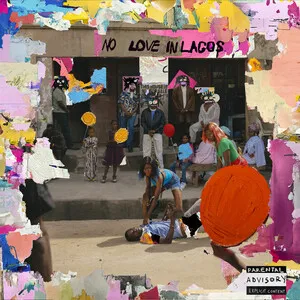
No Love in Lagos
Show Dem Camp & The Cavemen
Alté
Similar artists
3
/5
Show Dem Camp
Alté
Afro R&b
Afro Soul
3
/5
AratheJay
Asakaa
Afro R&b
Afro Soul
3
/5
Joshua Baraka
Gengetone
Afropop
Afro Soul
3
/5
Cruel Santino
Afrobeats
Alté
Afro Drill
3
/5
Nonso Amadi
Alté
Afro R&b
Afro Soul
3
/5
Dxtiny
Afro Soul
Alté
Afrobeat
3
/5
Odunsi (The Engine)
Alté
Afro R&b
Afro Soul
2
/5
Teezee
Alté
Afro Drill
Afro R&b
2
/5
DRB Lasgidi
Alté
Afro R&b
Afro Soul
4
/5
Adekunle Gold
Azontobeats
Afro Soul
Afroswing
Download our mobile app
Get the Melodigging app and start digging for new genres on the go
Download on the App Store
Get it on Google Play
© 2026 Melodigging
Give feedback
Legal
Melodding was created as a tribute to
Every Noise at Once
, which inspired us to help curious minds keep digging into music's ever-evolving genres.