Genres
Artists
Albums
Make Music
Sign in
Sign in
Artists
Dungeon Synth
Artists
Dungeon Synth
Nox Arcana
2005–2025
·
4 albums
Listen
3
/5
Genres
Winter Synth
Winter synth is a microgenre of dungeon synth and ambient that evokes wintertime landscapes, quiet snowfall, candlelit interiors, and festive or solstitial moods. Its sound palette favors soft synth pads, bell and celesta tones, choir and string layers, gentle drones, and understated percussion such as sleigh bells or muffled toms. Production typically leans lo‑fi and reverb‑rich, often with tape hiss or room noise to enhance the cozy, nostalgic feel. While largely instrumental, some releases weave in hymn- or carol-like harmonies, wind and fireplace field recordings, or simple leitmotifs that recur across short vignettes. The focus is atmosphere over virtuosity, creating intimate, scenic miniatures that suggest a quiet winter journey or a peaceful night by the hearth.
Discover
Listen
Dark Disco
Dark disco is a mid‑tempo, nocturnal strain of club music that fuses the hypnotic pulse of disco with the grit of post‑punk, EBM, coldwave, and industrial. It favors ominous basslines, minor‑key harmonies, reverb‑soaked guitars and vocals, and analog synth textures, resulting in a moody, cinematic atmosphere that is equally suited to sweaty basements and late‑night festival stages. Tempos typically sit between 105–120 BPM, with emphasis on groove, tension, and shadowy drama rather than maximal speed or brightness.
Discover
Listen
Dark Trap
Dark trap is a moody, ominous strain of trap characterized by minor‑key melodies, dystopian pads, bell arpeggios, choirs, and cinematic textures laid over hard‑hitting 808s. Producers lean on distorted or saturated sub‑bass, rapid hi‑hat rolls, and halftime drum feels to create a sense of menace and weight. Harmonically it favors natural/harmonic minor, Phrygian, and Phrygian‑dominant colors, with sparse motifs, dissonant intervals, and tension‑building sound design. Vocals often explore themes of nihilism, isolation, urban decay, crime, and horror/occult imagery. Typical tempos sit around 130–150 BPM (felt in halftime around 65–75 BPM), keeping the groove heavy while leaving space for vocals.
Discover
Listen
Rune Folk
Rune folk is a contemporary Nordic-rooted folk style that centers on runic poetry, ritual percussion, and ancient Scandinavian timbres. It blends archaic instruments (tagelharpa, bukkehorn, bone and wooden flutes, frame drums, jaw harp) with chant-like vocals and drones to evoke Iron Age and Viking-era soundscapes. The music often uses steady, trance-inducing drum patterns, call-and-response vocals, and modal melodies (Aeolian/Dorian) that sit over sustained drones. Producers favor raw, natural acoustics—wood, leather, stone—and environmental ambience to create an immersive, ceremonial atmosphere. Lyrically, performers draw from Old Norse texts, mythic themes, and reconstructed rune chants.
Discover
Listen
Dungeon Synth
Dungeon synth is a dark, fantasy-focused branch of ambient music that grew out of the early 1990s black metal underground. It typically uses inexpensive or vintage-sounding synthesizers to evoke medieval, folkloric, and high-fantasy worlds—dungeons, castles, forests, and forgotten realms—through simple modal melodies, drones, and processional harmonies. The style is intentionally lo‑fi and atmospheric: orchestral pads, choirs, pipe organs, harps, flutes, and bell tones are layered with tape-like hiss, room reverb, and steady pedal notes. Percussion is sparse or absent; when used, it tends toward martial snare patterns or timpani rolls rather than driving drum kits. Albums often function as worldbuilding artifacts with narrative track sequences, thematic leitmotifs, and evocative artwork.
Discover
Listen
Dark Ambient
Dark ambient is a post‑industrial subgenre that coalesced in the mid‑1980s, drawing primarily on ambient music but shifting its focus toward ominous, subterranean space and timbre. It is characterized by long, low‑frequency drones; dissonant or microtonal overtones; and an enveloping, gloomy or catacomb‑like atmosphere. While largely electronic (synthesizers, samplers, tape and digital processing), artists frequently incorporate field recordings, contact‑mic textures, bowed metal, gongs, and fragments of traditional instruments captured with semi‑acoustic techniques and then heavily processed. Melody and pulse are minimized; instead the music emphasizes immersive sound design, psychoacoustic detail, and slowly evolving textures that evoke dread, awe, and isolation.
Discover
Listen
Dark Wave
Dark wave is a moody, melancholic offshoot of post-punk and new wave that emphasizes minor-key harmonies, somber timbres, and introspective or romantic lyrical themes. It blends the icy textures of early synthesizers and drum machines with reverb-laden guitars and melodic, driving basslines. The style typically features baritone or ethereal vocals, atmospheric production with heavy use of chorus, delay, and reverb, and tempos that range from slow and brooding to mid-tempo and danceable. Dark wave spans both guitar-oriented and synth-forward approaches, and often overlaps with related movements such as coldwave, minimal wave, and ethereal wave.
Discover
Listen
Neoclassical Dark Wave
Neoclassical dark wave is a subgenre of dark wave that fuses the somber atmospheres of gothic-leaning post-punk with orchestral and early-music aesthetics. It favors minor-key harmonies, liturgical or poetic vocals, and dramatic, cinematic arrangements. Typical sound palettes include strings, choirs, piano, organ, and timpani alongside ambient textures and spacious reverbs. Tempos are often slow to moderate, with processional rhythms and modal writing (Aeolian, Dorian, Phrygian) that evoke medieval, Renaissance, or Baroque sensibilities. Vocals often sit in the “heavenly voices” tradition—ethereal sopranos or solemn baritones—singing in English, Latin, or other European languages. The result is music that feels sacred, melancholic, and epic, balancing intimate chamber music colors with vast, cathedral-like ambience.
Discover
Listen
Neoclassical New Age
Neoclassical new age is a crossover style that blends contemporary classical writing with the mellow, restorative aesthetics of new age music. It is typically piano-led, harmonically consonant, and minimalist in texture, often supported by soft strings, subtle electronics, and generous ambience. The genre favors lyrical melodies, repeating ostinati, slow builds, and a cinematic sense of space. It trades on intimacy and clarity—close-miked “felt” pianos, warm reverbs, and quiet dynamics—creating music that is contemplative, emotionally direct, and accessible to listeners beyond the traditional classical audience.
Discover
Listen
Gothic
Gothic (often shortened to goth in a musical context) is a dark, atmospheric strain of post‑punk that emphasizes minor-key harmonies, bass-led grooves, and a brooding, romantic sensibility. It blends the stark urgency of punk with art-rock textural experimentation, icy new-wave synths, and lyrical themes drawn from gothic literature, existentialism, and melancholic introspection. Signature traits include chorus- and reverb-drenched guitars, prominent melodic basslines, steady drum-machine patterns, baritone or ethereal vocals, and a production aesthetic that favors space, echo, and nocturnal ambience. While closely associated with the UK goth subculture, the style quickly spread internationally, influencing parallel scenes such as dark wave, deathrock, and later gothic metal.
Discover
Listen
Pop
Pop is a broad, hook-driven style of popular music designed for wide appeal. It emphasizes memorable melodies, concise song structures, polished vocals, and production intended for radio, charts, and mass media. While pop continually absorbs elements from other styles, its core remains singable choruses, accessible harmonies, and rhythmic clarity. Typical forms include verse–pre-chorus–chorus, frequent use of bridges and middle-eights, and ear-catching intros and outros. Pop is not defined by a single instrumentation. It flexibly incorporates acoustic and electric instruments, drum machines, synthesizers, and increasingly digital production techniques, always in service of the song and the hook.
Discover
Listen
Neoclassicism
Neoclassicism in music is a 20th‑century movement that revived forms, genres, and aesthetics from the Baroque and Classical eras, but reframed them with modern harmony, rhythm, and orchestration. It emphasizes clarity, balance, objectivity, and contrapuntal craft, often rejecting late‑Romantic excess while retaining a tonal or modal center enriched by dissonance, bitonality, and crisp rhythmic drive. Typical hallmarks include neobaroque dance suites, neoclassical sonatas and concerti, chamber‑oriented scoring, clean textures, and a dry, anti‑rhetorical performance style.
Discover
Listen
Electronic
Electronic is a broad umbrella genre defined by the primary use of electronically generated or electronically processed sound. It encompasses music made with synthesizers, drum machines, samplers, computers, and studio/tape techniques, as well as electroacoustic manipulation of recorded or synthetic sources. The genre ranges from academic and experimental traditions to popular and dance-oriented forms. While its sonic palette is rooted in electricity and circuitry, its aesthetics span minimal and textural explorations, structured song forms, and beat-driven club permutations. Electronic emphasizes sound design, timbre, and studio-as-instrument practices as much as melody and harmony.
Discover
Listen
Christmas Music
Christmas music is a body of sacred and secular repertoire associated with the celebration of Christmas and the winter season. It spans medieval carols, liturgical hymns, and oratorios through to 20th‑century Tin Pan Alley standards, crooner ballads, jazz‑swing arrangements, pop hits, gospel renditions, and contemporary acoustic or R&B interpretations. Stylistically it is diverse but often shares warm, nostalgic melodies, memorable choruses, and lyrics that reference the Nativity story, peace and goodwill, family gatherings, winter imagery, and figures like Santa Claus. Sleigh bells, choirs, strings, brass, and glockenspiel/celesta are common coloristic touches, while harmony ranges from simple I–IV–V progressions to richer jazz voicings. Its seasonal recurrence has made it a cultural tradition that reappears annually across radio, streaming, film, advertising, and public spaces.
Discover
Listen
Classical
Classical music is the notated art-music tradition of Europe and its global descendants, characterized by durable forms, carefully codified harmony and counterpoint, and a literate score-based practice. The term “classical” can refer broadly to the entire Western art-music lineage from the Medieval era to today, not just the Classical period (c. 1750s–1820s). It privileges long-form structures (such as symphonies, sonatas, concertos, masses, and operas), functional or modal harmony, thematic development, and timbral nuance across ensembles ranging from solo instruments to full orchestras and choirs. Across centuries, the style evolved from chant and modal polyphony to tonal harmony, and later to post-tonal idioms, while maintaining a shared emphasis on written notation, performance practice, and craft.
Discover
Listen
Show all 15 genres
Albums
2025
1
/5
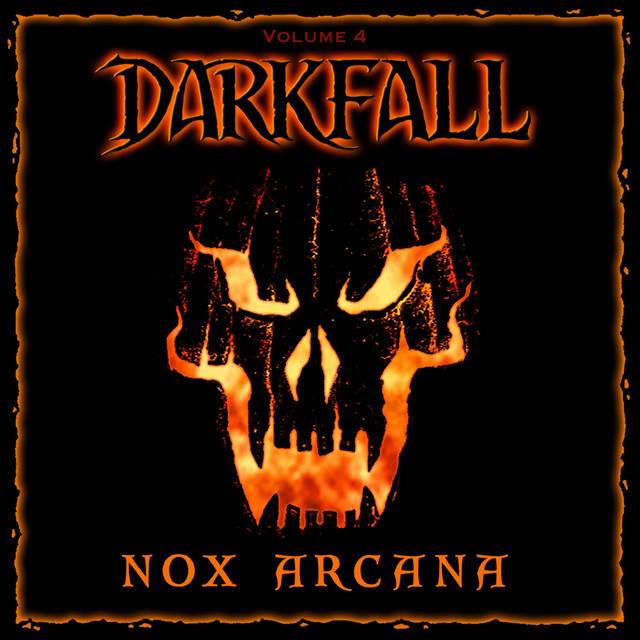
Darkfall, Vol. 4
Nox Arcana
Dungeon Synth
2013
3
/5
Legion of Shadows
Nox Arcana
Dungeon Synth
Classical
Dark Wave
2009
2
/5
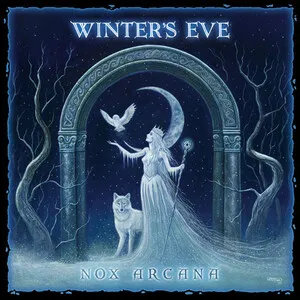
Winter's Eve
Nox Arcana
Winter Synth
2005
2
/5
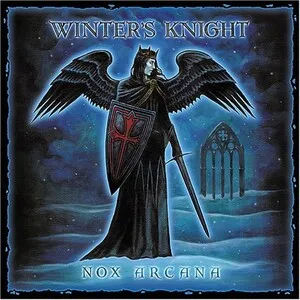
Winter's Knight
Nox Arcana
Winter Synth
Classical
Electronic
Similar artists
2
/5
Erang
Dungeon Synth
Dark Ambient
Medieval
2
/5
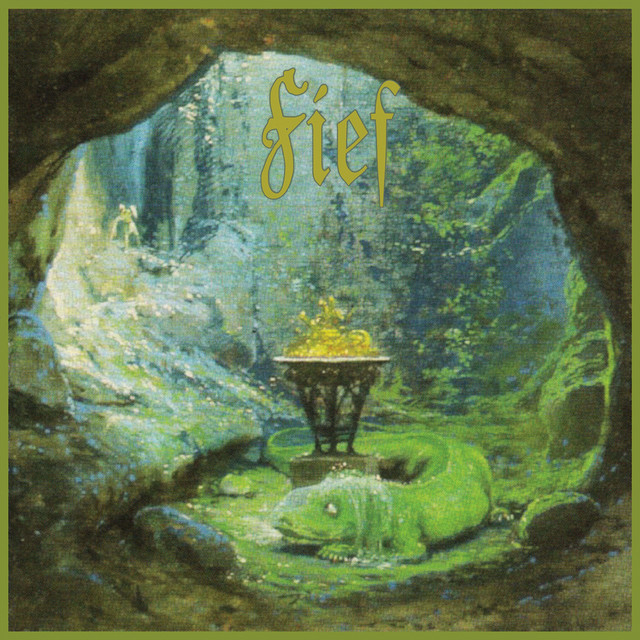
Fief
Dungeon Synth
Medieval
Neo-Medieval Folk
1
/5
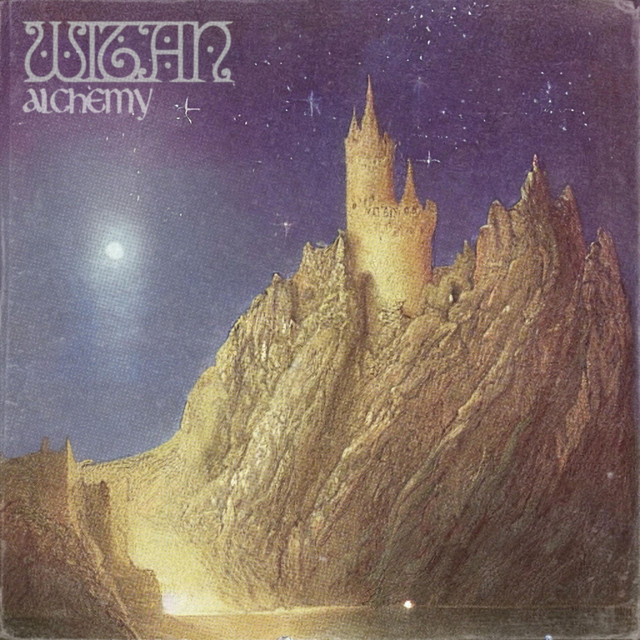
Witan
Winter Synth
Dark Ambient
Dungeon Synth
1
/5
Elyvilon
Comfy Synth
Dark Ambient
Ambient
1
/5
Jim Kirkwood
Berlin School
Dark Ambient
Dungeon Synth
2
/5
Aindulmedir
Winter Synth
Dungeon Synth
Ambient
2
/5
Paysage D'Hiver
Black Metal
Cosmic Black Metal
Dungeon Synth
2
/5
Hole Dweller
Comfy Synth
Dungeon Synth
Ambient
2
/5
Quest Master
Dungeon Synth
Dark Ambient
Winter Synth
2
/5
Old Sorcery
Dungeon Synth
Dark Ambient
Winter Synth
Download our mobile app
Get the Melodigging app and start digging for new genres on the go
Download on the App Store
Get it on Google Play
© 2026 Melodigging
Give feedback
Legal
Melodding was created as a tribute to
Every Noise at Once
, which inspired us to help curious minds keep digging into music's ever-evolving genres.