Genres
Artists
Albums
Make Music
Sign in
Sign in
Artists
Deep Soundtrack
Artists
Deep Soundtrack
Nicholas Hooper
2009
·
1 album
Listen
3
/5
Genres
Deep Soundtrack
Deep soundtrack is a modern, cinematic substyle that emphasizes low, immersive textures, slow-moving harmony, and spacious ambience over bombast. It sits at the intersection of ambient music, post-classical scoring, and contemporary film/TV/game underscore, favoring drones, soft pulses, and intimate instruments (piano, strings, analog synths) treated with generous space and subtle sound design. Rather than foregrounding memorable themes or trailer-scale crescendos, deep soundtrack cultivates mood: tense, melancholic, or quietly hopeful. It is designed to sit under narrative, visuals, or concentration—music that breathes, evolves slowly, and suggests emotion without overwhelming it.
Discover
Listen
Isekai
Isekai (lit. "another world") in music refers to songs and scores written for anime and games where characters are transported—often accidentally or involuntarily—into a parallel universe or fantasy world. In practice, it is a sub-current of Japanese anisong and soundtrack culture whose soundworld emphasizes the wonder, peril, and empowerment arcs typical of isekai narratives. Musically, isekai blends high-impact J‑pop/J‑rock openings (OPs) with hybrid orchestral scores: soaring string ostinati, heroic brass, choir pads, and EDM/rock rhythm sections used to frame battles, leveling-up sequences, and portal moments. Endings (EDs) often pivot to lyrical, nostalgic or bittersweet pop to reflect homesickness, found-family bonds, or the protagonist’s inner monologue.
Discover
Listen
Escape Room
Escape room is a data-driven label popularized by Spotify to cluster artists who blur lines between alternative R&B, experimental pop, left-field hip hop, and cutting‑edge club/electronic production. Rather than a strict set of musical rules, it signals a sound defined by textural minimalism, sub‑heavy and off‑kilter rhythms, intimate vocal delivery (often breathy or ASMR-adjacent), and a strong emphasis on sound design and negative space. Songs frequently juxtapose glossy melodies with abrasive or deconstructed percussive layers, creating a stylish, future‑leaning mood that resists easy categorization. The name is unrelated to physical puzzle rooms; instead, it marks music that “escapes” legacy genre boxes while remaining pop‑adjacent and internet‑native in aesthetics and distribution.
Discover
Listen
British Soundtrack
British soundtrack refers to film and television scoring created in the United Kingdom, spanning orchestral concert-hall traditions, jazz-inflected cues, experimental tape and synth techniques, and pop/rock idioms. It is distinguished by its blend of pastoral, modal harmony and a penchant for distinctive leitmotifs, as well as a long history of innovative sound design from the BBC Radiophonic Workshop. From William Walton and Ralph Vaughan Williams’s symphonic scores to John Barry’s sleek, jazz-tinged Bond sound and the BBC’s pioneering electronic themes, British soundtrack style balances lyrical melody with mood-forward atmospherics. Modern practitioners continue the lineage with hybrid orchestral-electronic palettes, refined dramatic pacing, and clear narrative signposting.
Discover
Listen
Soundtrack
Soundtrack is music created to accompany and enhance visual media such as film, television, and video games. It includes original scores (instrumental or vocal music composed specifically for the picture) and, at times, curated compilations of pre-existing songs. Stylistically, soundtrack is a meta-genre that can encompass orchestral symphonic writing, jazz, electronic and synth-driven textures, choral forces, popular song, and experimental sound design. Its defining trait is functional storytelling: themes, motifs, harmony, rhythm, and timbre are shaped by narrative needs, character psychology, pacing, and editing. Common features include leitmotifs for characters or ideas, modular cues that can be edited to picture, dynamic orchestration for dramatic range, and production approaches that sit well under dialogue and sound effects. Because it must synchronize to picture, soundtrack often uses clear dramatic arcs, tempo maps, and hit points.
Discover
Listen
Orchestral
Orchestral music refers to compositions written for an orchestra—a large ensemble typically built around a string section (violins, violas, cellos, double basses), complemented by woodwinds, brass, percussion, and often harp, keyboard, or other auxiliary instruments. A conductor coordinates the ensemble, shaping balance, phrasing, and expression. The style emphasizes coloristic timbre combinations, dynamic range from the softest pianissimo to explosive tuttis, and textures that can shift seamlessly between transparent chamber-like writing and monumental masses of sound. Orchestral writing underpins concert genres such as symphonies, overtures, and tone poems, as well as opera, ballet, and modern film and game scores. While orchestral writing evolved across centuries, its core craft centers on melody, counterpoint, harmony, register, and orchestration—the art of assigning musical ideas to instruments to achieve clarity, contrast, and narrative impact.
Discover
Listen
Albums
2009
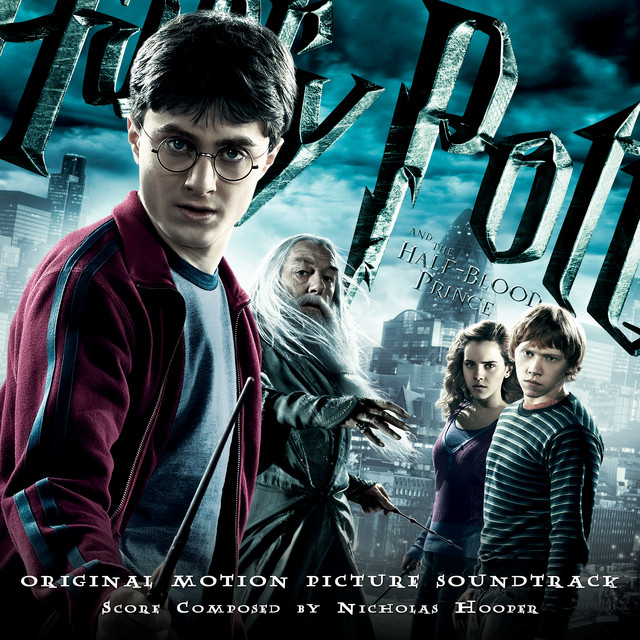
Harry Potter and the Half‐Blood Prince (Original Motion Picture Soundtrack)
Nicholas Hooper
British Soundtrack
Similar artists
5
/5
Hans Zimmer
Country Dawn
Soundtrack
Classical
4
/5
Joe Hisaishi
Anime
Classical
Electronic
4
/5
Ludwig Göransson
Nordic Soundtrack
Classical
Soundtrack
4
/5
Nobuo Uematsu
Soundtrack
Orchestral
Modern Classical
3
/5
Patrick Doyle
Deep Soundtrack
Flint Sound
Isekai
4
/5
Dmitri Shostakovich
Classical
Chamber Music
Fugue
4
/5
Lorien Testard
Soundtrack
Video Game Music
Deep Soundtrack
4
/5
Alan Menken
Musical
Soundtrack
Pop
4
/5
Alice Duport-Percier
Soundtrack
Deep Soundtrack
Isekai
4
/5
Dario Marianelli
Soundtrack
Classical
Deep Soundtrack
Download our mobile app
Get the Melodigging app and start digging for new genres on the go
Download on the App Store
Get it on Google Play
© 2026 Melodigging
Give feedback
Legal
Melodding was created as a tribute to
Every Noise at Once
, which inspired us to help curious minds keep digging into music's ever-evolving genres.