Genres
Artists
Albums
Make Music
Sign in
Sign in
Artists
Soundtrack
Artists
Soundtrack
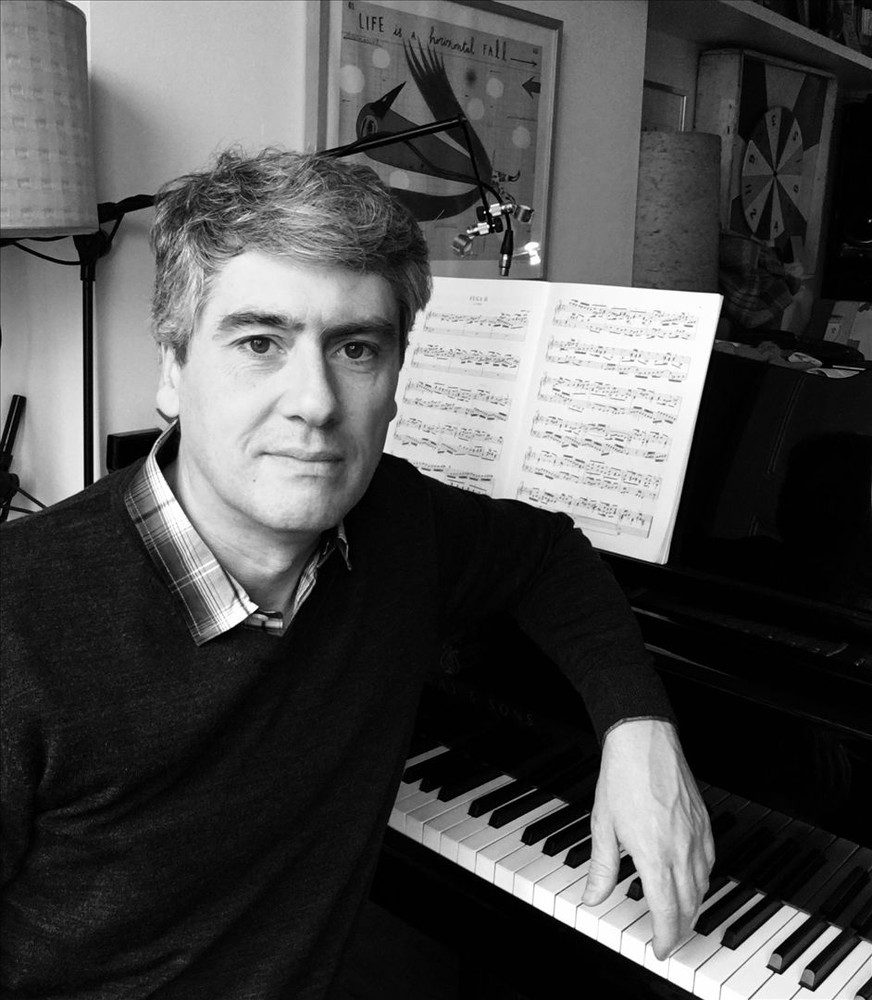
Dario Marianelli
2005–2007
·
2 albums
Listen
4
/5
Genres
Deep Soundtrack
Deep soundtrack is a modern, cinematic substyle that emphasizes low, immersive textures, slow-moving harmony, and spacious ambience over bombast. It sits at the intersection of ambient music, post-classical scoring, and contemporary film/TV/game underscore, favoring drones, soft pulses, and intimate instruments (piano, strings, analog synths) treated with generous space and subtle sound design. Rather than foregrounding memorable themes or trailer-scale crescendos, deep soundtrack cultivates mood: tense, melancholic, or quietly hopeful. It is designed to sit under narrative, visuals, or concentration—music that breathes, evolves slowly, and suggests emotion without overwhelming it.
Discover
Listen
Flint Sound
Flint sound is a contemporary Michigan rap style centered in Flint, United States. It is characterized by fast, minimal, piano- or organ-led beats, dry and upfront vocals, and bar-by-bar “punch‑in” delivery that often rides slightly ahead of or behind the grid for a conversational, off‑kilter feel. The production typically favors bright piano loops, staccato 808 slides, crisp claps or rimshots, and sparse percussion, leaving plenty of space for relentless punchlines, gritty street reportage, and mischievous humor. While hard-edged and streetwise, the style frequently leans into charismatic personality and wit, making it both aggressive and infectious for dancing.
Discover
Listen
Isekai
Isekai (lit. "another world") in music refers to songs and scores written for anime and games where characters are transported—often accidentally or involuntarily—into a parallel universe or fantasy world. In practice, it is a sub-current of Japanese anisong and soundtrack culture whose soundworld emphasizes the wonder, peril, and empowerment arcs typical of isekai narratives. Musically, isekai blends high-impact J‑pop/J‑rock openings (OPs) with hybrid orchestral scores: soaring string ostinati, heroic brass, choir pads, and EDM/rock rhythm sections used to frame battles, leveling-up sequences, and portal moments. Endings (EDs) often pivot to lyrical, nostalgic or bittersweet pop to reflect homesickness, found-family bonds, or the protagonist’s inner monologue.
Discover
Listen
Modern Uplift
Modern uplift is a streaming‑era microgenre label for contemporary, radio‑friendly pop/rock that emphasizes optimistic, motivational songwriting and anthemic, sing‑along choruses. It sits at the intersection of post‑grunge sheen and arena‑rock scale, updated with modern pop production touches. Compared with darker alternative strains, modern uplift favors major‑key progressions, mid‑tempo grooves, layered guitars and keys, and polished mixes designed to translate from headphones to large venues. Its lineage runs through 1990s–2000s post‑grunge’s radio‑ready polish and 1970s–1980s arena rock’s big, melodic hooks, reframed in the 2010s by streaming and playlist culture that grouped kindred artists under fine‑grained microgenre tags.
Discover
Listen
Gufeng
Gufeng (古风, literally “ancient style”) is a modern Chinese pop-adjacent style that evokes the sound-world, imagery, and poetics of premodern China. It blends traditional instruments, pentatonic melodies, and classical literary diction with contemporary songwriting, recording, and distribution practices. Emerging largely from online communities and ACG (anime–comics–games/donghua) fandoms, Gufeng favors lyrical themes such as mountains-and-rivers landscapes, courtly romance, martial-arts chivalry, and historical fantasy. The production commonly combines guzheng, pipa, dizi, xiao, and erhu with soft pop arrangements, cinematic pads, and subtle electronic beats, resulting in a nostalgic yet fresh sound that is distinct from mainstream Mandopop.
Discover
Listen
Cinematic Classical
Cinematic classical is a contemporary stream of concert and media-oriented composition that merges classical orchestration with the pacing, narrative arcs, and textural sound design of film music. Typically centered on piano and strings, it favors slow-moving harmonies, ostinatos, spacious reverb, and emotive, diatonic melodies that build in dynamic intensity. Many works adopt a minimalist or post-minimalist vocabulary—repetition, gradual change, and clear tonal centers—while incorporating modern production techniques (felt piano, tape saturation, synth pads, subtle pulses) to achieve a widescreen, evocative sound. The style thrives both in standalone albums and in sync contexts (film, TV, trailers), where self-contained “cues” develop clear arcs—intro, build, climax, release—designed to support visual storytelling without sacrificing musical integrity.
Discover
Listen
Soundtrack
Soundtrack is music created to accompany and enhance visual media such as film, television, and video games. It includes original scores (instrumental or vocal music composed specifically for the picture) and, at times, curated compilations of pre-existing songs. Stylistically, soundtrack is a meta-genre that can encompass orchestral symphonic writing, jazz, electronic and synth-driven textures, choral forces, popular song, and experimental sound design. Its defining trait is functional storytelling: themes, motifs, harmony, rhythm, and timbre are shaped by narrative needs, character psychology, pacing, and editing. Common features include leitmotifs for characters or ideas, modular cues that can be edited to picture, dynamic orchestration for dramatic range, and production approaches that sit well under dialogue and sound effects. Because it must synchronize to picture, soundtrack often uses clear dramatic arcs, tempo maps, and hit points.
Discover
Listen
Impressionism
Impressionism in music is a late-19th- and early-20th-century style that prioritizes color, atmosphere, and suggestion over overt drama and functional harmonic progressions. Originating in France, it parallels the visual arts movement in its fascination with light, timbre, and fleeting impressions. Musically, the style favors modal, pentatonic, and whole‑tone materials; parallel (planed) chords; unresolved dissonances; and ambiguous tonal centers. Rhythms are flexible and often blur a sense of strong meter, while textures shimmer through delicate orchestration, pedal tones, and arpeggiated figures. Rather than strict sonata designs, impressionist works tend to be episodic, evocative, and programmatic, conjuring landscapes, water, night, and dreamlike states.
Discover
Listen
Classical Piano
Classical piano is the tradition of composing and performing music for the acoustic piano within the Western classical lineage. It emphasizes formal clarity, tonal harmony, contrapuntal writing, and expressive nuance across the full compass of the instrument. Its core repertoire ranges from Classical-era sonatas and variations to Romantic character pieces, études, dances, and 20th-century impressionistic and modernist works. Pianists exploit dynamics, articulation, pedaling, and touch to shape phrases, imitate orchestral textures, and project both intimate lyricism and large-scale drama.
Discover
Listen
Instrumental
Instrumental is music created and performed without sung lyrics, placing the expressive weight on melody, rhythm, harmony, and timbre produced by instruments. As an umbrella practice it appears in many cultures, but its modern identity cohered in Baroque-era Europe when purely instrumental forms such as the sonata, concerto, and dance suites began to flourish. Since then, instrumental thinking—developing motives, structuring form without text, and showcasing timbral contrast—has informed everything from orchestral music and solo piano repertoire to post-rock, film scores, and beat-driven electronic styles. Instrumental works can be intimate (solo or chamber) or expansive (full orchestra), narrative (programmatic) or abstract (absolute music). The absence of lyrics invites listeners to project imagery and emotion, making the style a natural fit for cinema, games, and contemplative listening.
Discover
Listen
Classical
Classical music is the notated art-music tradition of Europe and its global descendants, characterized by durable forms, carefully codified harmony and counterpoint, and a literate score-based practice. The term “classical” can refer broadly to the entire Western art-music lineage from the Medieval era to today, not just the Classical period (c. 1750s–1820s). It privileges long-form structures (such as symphonies, sonatas, concertos, masses, and operas), functional or modal harmony, thematic development, and timbral nuance across ensembles ranging from solo instruments to full orchestras and choirs. Across centuries, the style evolved from chant and modal polyphony to tonal harmony, and later to post-tonal idioms, while maintaining a shared emphasis on written notation, performance practice, and craft.
Discover
Listen
Show all 11 genres
Albums
2007
3
/5
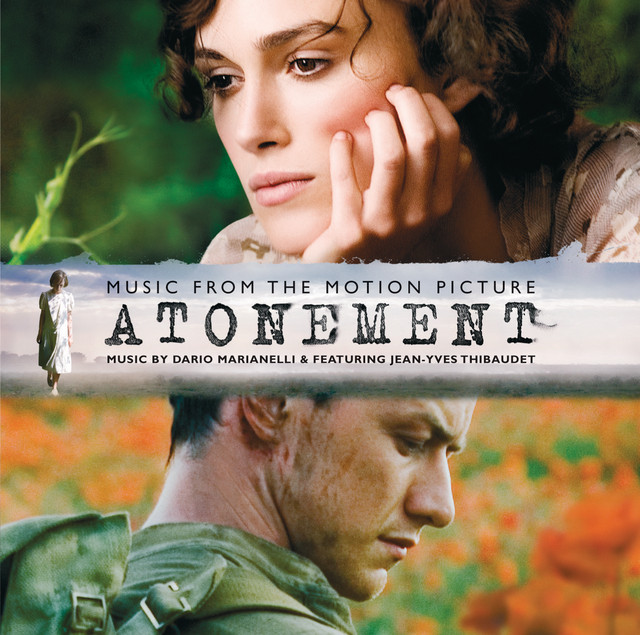
Atonement OST
Jean-Yves Thibaudet
Impressionism
Classical
2005
4
/5
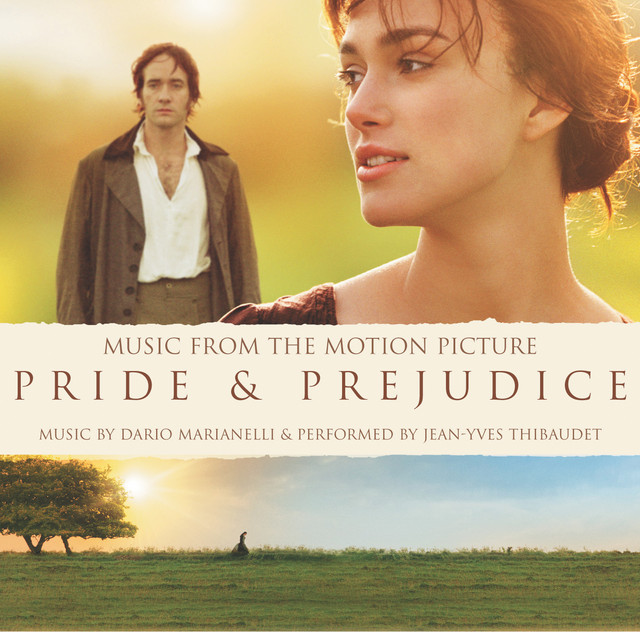
Pride and Prejudice OST
Jean-Yves Thibaudet
Impressionism
Classical Piano
Classical
Similar artists
5
/5
Hans Zimmer
Country Dawn
Soundtrack
Classical
1
/5
Various Artists
Afro-Funk
Alternative Rock
Ambient
4
/5
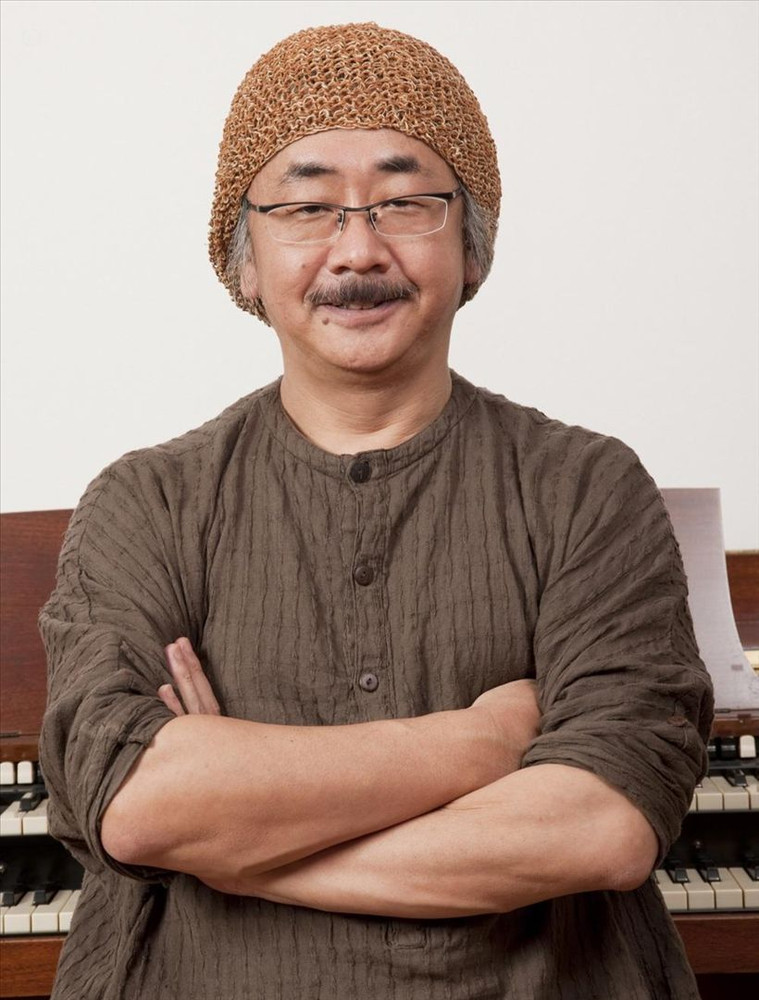
Nobuo Uematsu
Soundtrack
Classical
Deep Soundtrack
4
/5
Ludwig Göransson
Nordic Soundtrack
Classical
Soundtrack
4
/5
Christopher Larkin
Soundtrack
Indie Game Soundtrack
Classical
4
/5
Sawano Hiroyuki
Soundtrack
Anime
Anime Lo-Fi
4
/5
James Horner
Soundtrack
Classical
Country Dawn
3
/5
Harry Gregson-Williams
Soundtrack
Deep Soundtrack
Flint Sound
4
/5
Toby Fox
Indie Game Soundtrack
Soundtrack
Video Game Music
4
/5
John Williams
Soundtrack
Pops Orchestra
Deep Soundtrack
Download our mobile app
Get the Melodigging app and start digging for new genres on the go
Download on the App Store
Get it on Google Play
© 2026 Melodigging
Give feedback
Legal
Melodding was created as a tribute to
Every Noise at Once
, which inspired us to help curious minds keep digging into music's ever-evolving genres.