Genres
Artists
Albums
Make Music
Sign in
Sign in
Artists
Progressive Psytrance
Artists
Progressive Psytrance
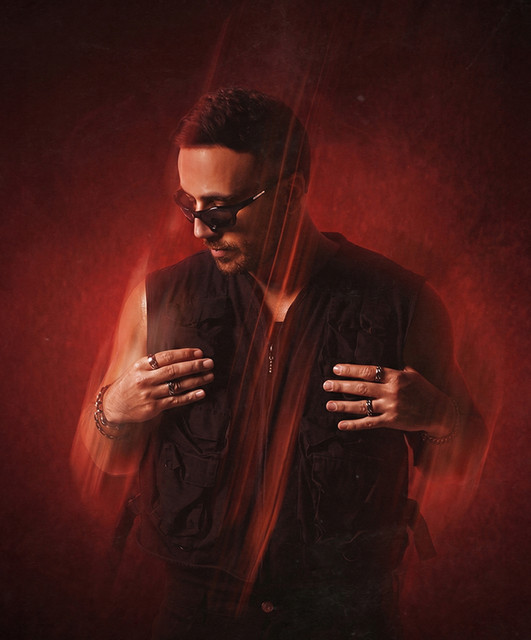
Neelix
2005–2025
·
13 albums
Listen
3
/5
Genres
Dark Clubbing
Dark clubbing is a contemporary, internet-spread club aesthetic that blends the physical energy of techno and EBM with the shadowy atmosphere of darkwave and post‑punk. Typically mid‑tempo to driving (roughly 115–130 BPM), it favors pounding four‑to‑the‑floor kicks, gritty bass synths, cold synthetic textures, and reverb‑soaked vocals. The result is dance music that feels nocturnal and cinematic—equally suited to smoke‑filled basements and late‑night drives. Although it borrows heavily from older traditions (industrial, electro, goth/EBM club culture), dark clubbing cohered as a playlist‑ and DJ‑driven micro‑scene in the late 2010s, unified more by shared mood, sound design, and visual aesthetic (neon noir, chrome, leather, shadow) than by rigid formal rules.
Discover
Listen
Vixa
Vixa is a Polish club-oriented strain of mainstream EDM that blends the swagger of big room house with the bouncy drive of Melbourne bounce and Dutch house. In Poland, “vixa” is also slang for a wild party, and the genre reflects that ethos: hard-hitting kicks, bold supersaw or brass-stab leads, and simple, chantable hooks designed for maximum dancefloor impact. Typically sitting around 128–132 BPM, vixa favors dramatic snare-roll builds, pitch-rising risers, and explosive drops with offbeat bass patterns. DJ edits of pop and regional hits—reworked into high-energy drops—are common, helping the sound dominate Polish club nights and festival stages where it thrives on big, euphoric moments.
Discover
Listen
Wonky Techno
Wonky techno is a strain of techno that borrows the off‑kilter swing, lurching syncopations, and pitch‑wobbled sound design of “wonky” and UK bass, then grafts them onto techno’s hypnotic structures. Instead of straight four‑on‑the‑floor, it leans on broken, asymmetrical drum programming, micro‑timing nudges, and rubbery low‑end, creating grooves that feel simultaneously club‑functional and crooked. The palette often includes detuned or FM‑rich synths, percussive stabs filtered through dub‑techno space, and restless modulation that keeps the grid feeling fluid and unstable. The result is techno that moves bodies while constantly unbalancing the listener’s inner metronome: tense, bass‑forward, textural, and rhythmically adventurous.
Discover
Listen
Hi-Tech Full-On
Hi‑Tech Full‑On is a modern, largely Japanese mutation of full‑on psytrance that injects the rapid timbral switching and glitchy, stuttered edits of complextro into the classic rolling psy bass and 4/4 drive. Typically sitting around 145–155 BPM, it keeps the euphoric brightness and supersaw leads of full‑on while adopting hyper-detailed sound design: bar‑to‑bar bass patch changes, abrupt mute/unmute fills, micro‑edits, and videogame/anime‑influenced FX. The result is intensely energetic, highly technical party music that feels both maximal and cleanly engineered.
Discover
Listen
Dakke Dak
Dakke Dak (also spelled Dakkedak) is a Danish electronic dance music subgenre and slang term that emerged as a distinct cultural phenomenon in the 2010s. Musically, it is a high-energy fusion of various hard dance styles, primarily drawing from Psytrance, Hardstyle, Melbourne Bounce, and Hands Up techno. The name is an onomatopoeia mimicking the rapid, pounding "dak-dak-dak" sound of the heavy basslines and kick drums characteristic of the genre. It is strongly associated with provincial Danish youth culture, "tramper" (stomping) dance styles, car audio culture, and parties in rural or suburban areas. The lyrics are almost exclusively in Danish, often humorous, hedonistic, and centered around drinking, partying, and local identity.
Discover
Listen
Neo-Singer-Songwriter
Neo-singer-songwriter is a contemporary, streaming-era evolution of the classic singer–songwriter tradition. It keeps the intimate, confessional lyricism and melody-forward writing, but updates the palette with glossy indie-pop production, subtle electronic textures, and studio-crafted dynamics. Artists often pair acoustic guitar or piano with tasteful synth pads, granular ambience, and restrained beats. The result feels more cinematic and radio-ready than 1970s forebears, yet it still centers a personal voice, diaristic storytelling, and hook-driven choruses.
Discover
Listen
Full On Groove
Full on groove is a contemporary branch of psytrance that blends the high-energy impact of classic full‑on with the rolling, swing‑inflected basslines and tight rhythmic phrasing associated with progressive psy. It emphasizes hypnotic, dance‑driven “groove” over maximal melodic fireworks, keeping arrangements punchy and functional for peak‑time dance floors. Typical tempos sit around 140–146 BPM. The sound palette features a solid 4/4 kick, a round and persistent 1/16 rolling bassline, crisp percussive layers, and filtered psy leads and zaps used sparingly for momentum. Breaks are concise, risers are controlled rather than explosive, and sections often pivot on drum‑bass interplay, shuffle, and micro‑edits, creating a forward‑leaning, festival‑ready flow.
Discover
Listen
Hybrid Trap
Hybrid trap is an EDM subgenre that fuses Southern hip hop–derived trap rhythms and 808 low end with the sound-design intensity and drop-centric structure of dubstep and electro house. It typically runs at 75/150 BPM in a halftime feel, features skittering hi-hats and snare/clap hits on beat three, and pairs punchy 808 kick–sub combos with midrange growls, reese basses, screeches, and cinematic brass stabs. Producers lean heavily on modern synthesis, resampling, and aggressive processing (distortion, multiband compression, OTT) to craft dynamic, call-and-response drops suited to festival stages. Compared with “classic” EDM trap, hybrid trap places greater emphasis on dubstep-like bass design, complex fills, and theatrical builds, while retaining trap’s swaggering grooves and minimalistic, percussive motifs.
Discover
Listen
Psytech
Psytech (often written as psy-tech or psychedelic techno) fuses the hypnotic drive of techno with the trippy sound design and spatial aesthetics of psytrance. Typically sitting between 124–132 BPM, it favors solid four-on-the-floor kicks, rolling sub-basses, and long, evolving arrangements. The palette leans toward psychedelic textures—acidic lines, formant sweeps, resonant band-pass stabs, comb-filtered atmospheres, and modulated delays—while maintaining techno’s emphasis on groove, subtle variation, and club-focused functionality. The result is music that feels both heads-down and mind-bending: a dark, tensile floor-pulse animated by kaleidoscopic FX, micro-rhythmic ear-candy, and gradually mutating motifs.
Discover
Listen
Speed House
Speed house is a high-tempo offshoot of house that accelerates the genre’s usual groove into the 140–155 BPM range while retaining a four-on-the-floor pulse. It fuses the punchy low-end and switch-up drops of bass house with the streamlined structure of tech house, often adding rave-style stabs, fidgety fills, and chopped vocal hooks. Sound design tends to emphasize aggressive, saturated basslines, crisp drum transients, and snappy turnarounds, creating a festival-ready, high-energy feel that still reads as house rather than hard dance. The style became widely identified through the Speed House Movement community and releases, spreading across North America and Europe via DJ edits, label samplers, and social media-driven virality.
Discover
Listen
Progressive Psytrance
Progressive psytrance is a subtler, groove-oriented branch of psychedelic trance that blends the hypnotic, psychedelic sound design of psytrance with the patient builds, long phrases, and evolving textures of progressive trance and house. Compared to full-on psytrance, it favors a tighter low-end, fewer layers, and incremental modulation over time. Tracks emphasize rolling basslines, crisp percussive grids, and spacious effects that gradually morph, creating a deep, immersive momentum suited to extended DJ sets and sunrise or daytime floors.
Discover
Listen
Psytrance
Psytrance (psychedelic trance) is a high-energy branch of trance music that emphasizes hypnotic repetition, richly modulated synth textures, and immersive sound design. Typically ranging from 138–150 BPM (with substyles slower or faster), it features a straight four-on-the-floor kick, a tight, rolling 1/16th-note bassline, and intricately layered FX—zaps, squelches, formant sweeps, and granular stutters—arranged to create a mind-bending, psychedelic journey. Tracks are commonly 6–9 minutes long, evolving through long-form tension and release. Harmony is sparse and modal (often minor, Phrygian, or Phrygian dominant), while rhythmic micro-variations, filter automation, and spatial motion (pans, dopplers, psychoacoustic tricks) carry the narrative.
Discover
Listen
Progressive Trance
Progressive trance is a substyle of trance that emphasizes long-form development, subtle layering, and hypnotic momentum over sudden dramatic peaks. It typically features evolving pads, pulsating arpeggios, and rolling basslines that build gradually across extended arrangements. Compared to uplifting or anthem trance, progressive trance is more restrained and textural, trading overt melodrama for nuanced tension-and-release. The result is a deep, immersive sound that feels journey-like on the dancefloor while remaining lush and atmospheric in focused listening contexts.
Discover
Listen
Trance
Trance is a form of electronic dance music characterized by steady four-on-the-floor beats, long build‑ups and breakdowns, and euphoric, melodic progressions designed to induce a hypnotic or “trance‑like” state. Typical tempos range from about 130 to 142 BPM, with arrangements often stretching 7–10 minutes to allow DJs room for tension, release, and seamless mixing. The sound palette emphasizes shimmering pads, arpeggiated synth motifs, supersaw leads, and wide, reverberant spaces. Harmonically, trance tends to favor minor keys, modal mixture, and extended suspense before cathartic drops. Production hallmarks include sidechain compression (“pumping”), off‑beat open hi‑hats, rolling basslines, and lush delay/reverb tails. While largely instrumental, a major branch—vocal trance—features lyrical toplines and pop‑leaning structures without losing its club‑centric dynamics.
Discover
Listen
Tech Trance
Tech trance is a hybrid of techno’s percussive precision and trance’s large-scale breakdowns and euphoria. It emphasizes driving, mechanical grooves, tough kick-and-bass synergy, and crisp, repetitive percussion while still deploying atmospheric pads, tense builds, and streamlined hooks. Typically in the 132–140 BPM range, it is darker and more utilitarian than uplifting trance, yet more melodic and expansive than straight techno. Expect rolling basslines, snappy 909-style hats and claps, acidic sequences, filtered sweeps, and short, functional riffs that culminate in powerful drops designed for big rooms and festival floors. The genre became a staple in late-1990s to mid-2000s European club culture, especially in the Netherlands, the UK, Germany, and Italy, and remains influential in modern hard dance and “tech-lift” strands of contemporary trance.
Discover
Listen
Psychedelic
Psychedelic is an umbrella term for music that seeks to evoke, emulate, or accompany altered states of consciousness through sound, arrangement, and studio technique. It emphasizes timbral color, drones, modal harmony, surreal or mystical lyrics, and immersive production, often using tape manipulation, extended effects, and non‑Western instruments (notably from Indian classical traditions). The result ranges from delicate, dreamlike textures to dense, kaleidoscopic soundscapes intended to expand perception and dissolve conventional song form.
Discover
Listen
Electronic
Electronic is a broad umbrella genre defined by the primary use of electronically generated or electronically processed sound. It encompasses music made with synthesizers, drum machines, samplers, computers, and studio/tape techniques, as well as electroacoustic manipulation of recorded or synthetic sources. The genre ranges from academic and experimental traditions to popular and dance-oriented forms. While its sonic palette is rooted in electricity and circuitry, its aesthetics span minimal and textural explorations, structured song forms, and beat-driven club permutations. Electronic emphasizes sound design, timbre, and studio-as-instrument practices as much as melody and harmony.
Discover
Listen
Show all 17 genres
Albums
2025
3
/5
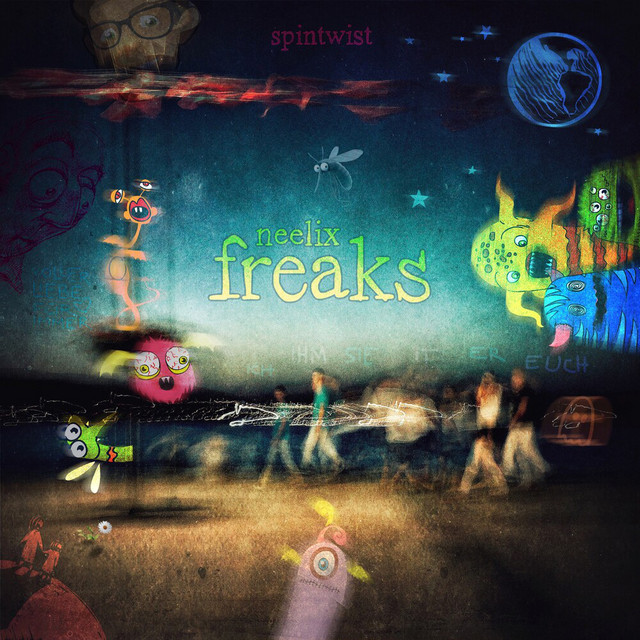
Freaks
Neelix
Progressive Psytrance
Progressive Trance
Psytrance
2025
3
/5
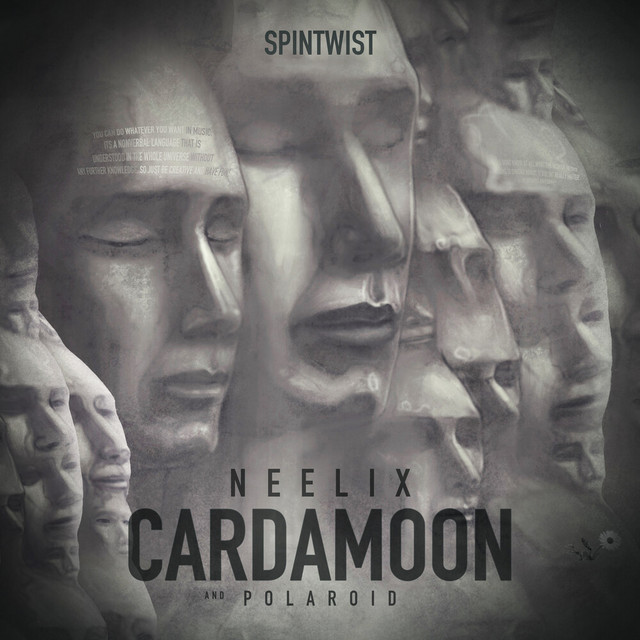
Cardamoon
Neelix
Progressive Psytrance
Psytrance
2023
2
/5
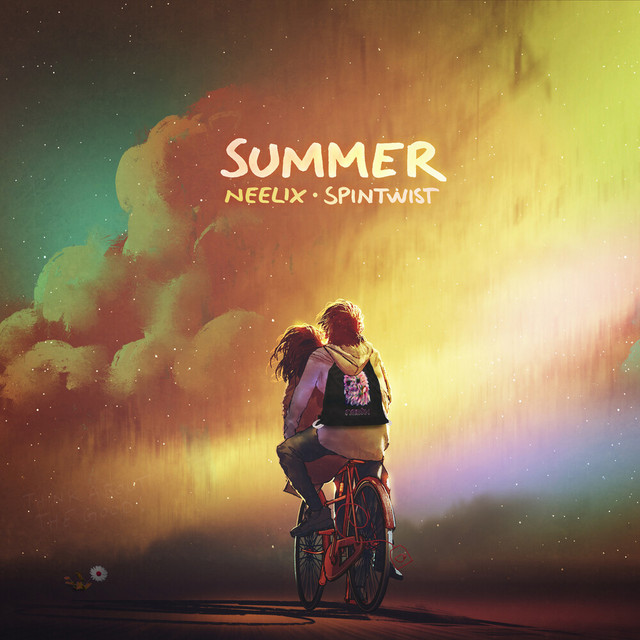
Summer
Neelix
Progressive Psytrance
Psytrance
2021
2
/5
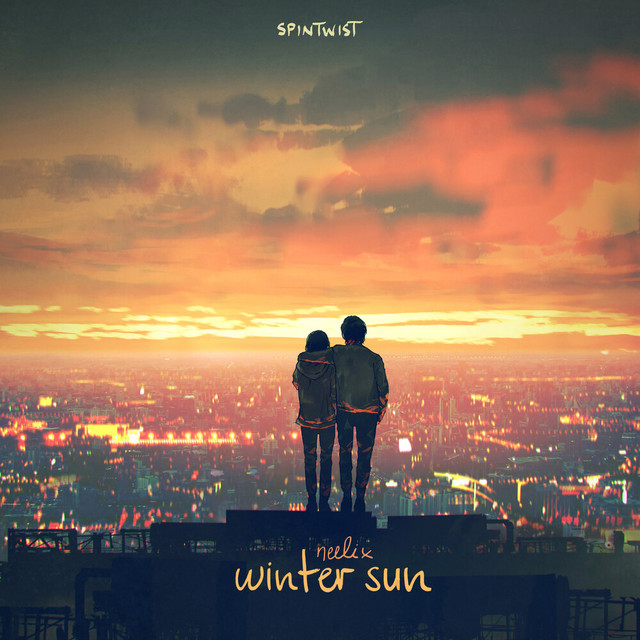
Winter Sun
Neelix
Progressive Psytrance
2021
3
/5
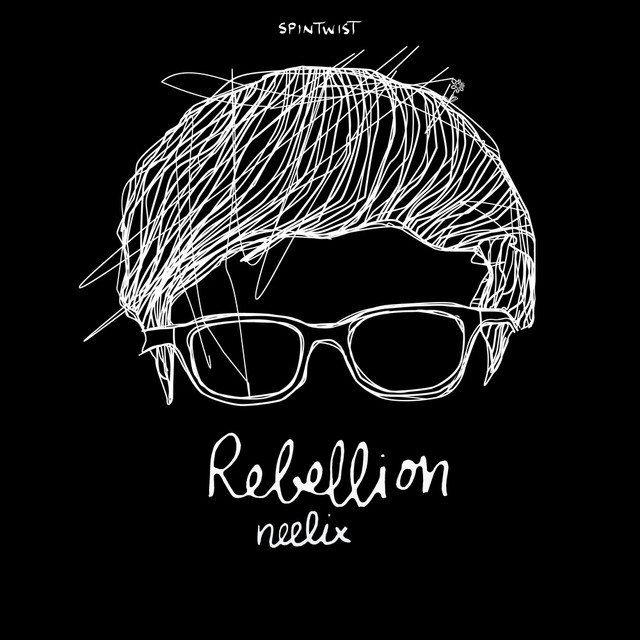
Rebellion
Neelix
Progressive Psytrance
2020
3
/5
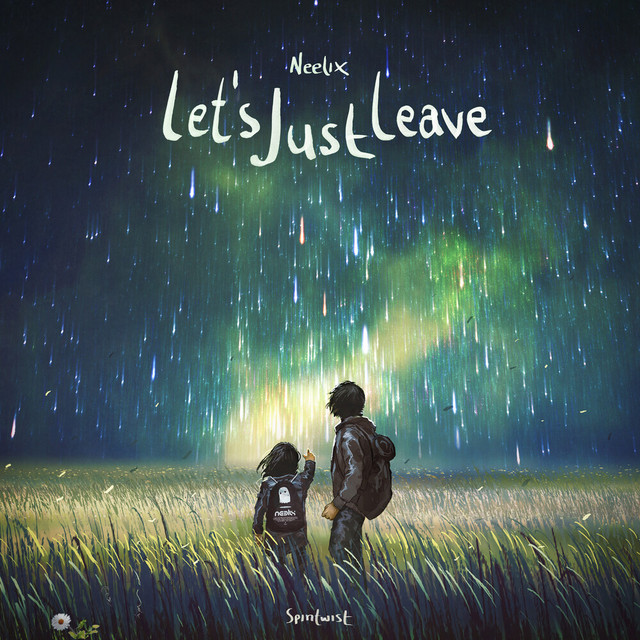
Let's Just Leave
Neelix
Progressive Psytrance
Psytrance
2020
3
/5
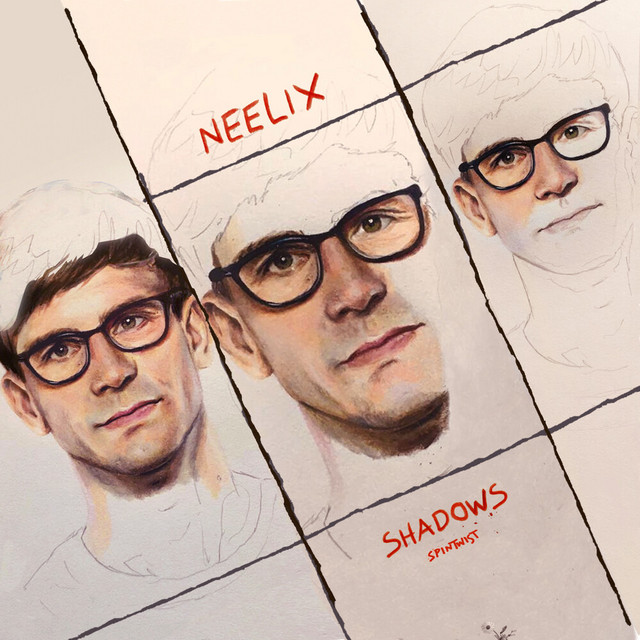
Shadows
Neelix
Progressive Psytrance
Electronic
Progressive Trance
2019
1
/5
Kontor Festival Sounds - 2019.03 Mix
Neelix
Progressive Psytrance
2019
3
/5
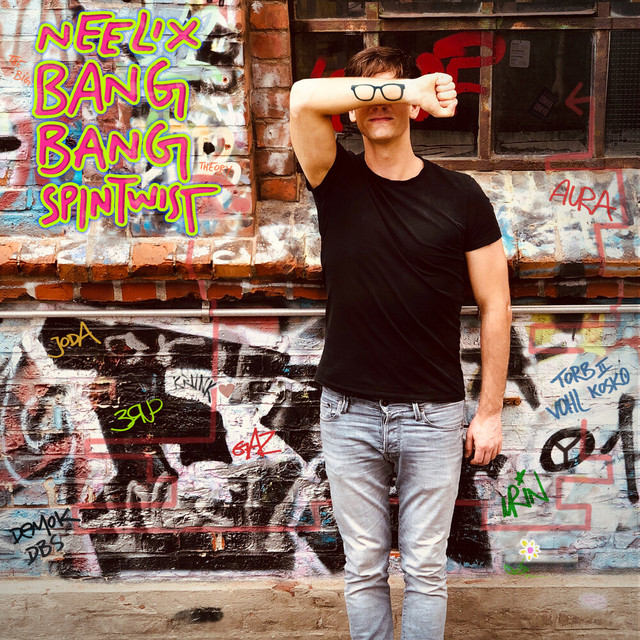
Bang Bang
Neelix
Progressive Psytrance
2019
3
/5
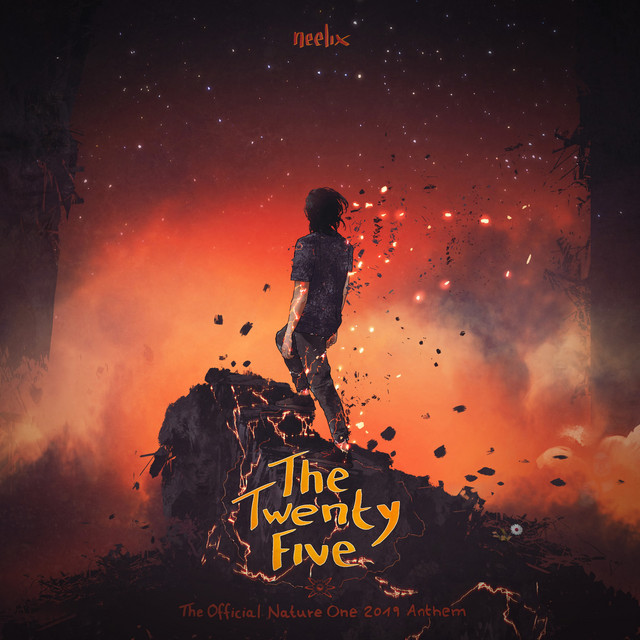
The Twenty Five (Official Nature One Anthem 2019)
Neelix
Progressive Psytrance
Psytrance
2018
2
/5
You
Neelix
Progressive Psytrance
2007
1
/5
Same Thing But Different
Neelix
Tech Trance
Electronic
Progressive Trance
2005
2
/5
No Way to Leave
Neelix
Progressive Psytrance
Electronic
Progressive Trance
Similar artists
3
/5
Omiki
Progressive Psytrance
Progressive Trance
Psytrance
3
/5
Phaxe
Progressive Psytrance
Progressive Trance
Psytrance
3
/5
Liquid Soul
Psytrance
Progressive Trance
Electronic
4
/5
Vini Vici
Progressive Trance
Psytrance
Covertronica
1
/5
The Digital Blonde
Psytrance
Trance
Progressive Trance
2
/5
Atmos
Psytrance
Progressive Psytrance
Progressive Trance
3
/5
Solar Fields
Ambient
Ambient Trance
Downtempo
3
/5
Interactive Noise
Progressive Trance
Psytrance
Trance
2
/5
John 00 Fleming
Trance
Progressive Trance
Psytrance
2
/5
Astral Projection
Psytrance
Trance
Goa Trance
Download our mobile app
Get the Melodigging app and start digging for new genres on the go
Download on the App Store
Get it on Google Play
© 2026 Melodigging
Give feedback
Legal
Melodding was created as a tribute to
Every Noise at Once
, which inspired us to help curious minds keep digging into music's ever-evolving genres.