Genres
Artists
Albums
Make Music
Sign in
Sign in
Artists
J-Indie
Artists
J-Indie
Nakimushi
2019–2023
·
3 albums
Listen
2
/5
Genres
Asian Rock
Asian Rock (in the contemporary online-rap sense) is a pluggnb-derived microstyle that fuses the dense, bouncy percussion of pluggnb with bright, anime/Asian-rock-tinged melodic cues. Production typically layers airy bells, mallet or synth plucks, and shimmering pads with soaring synthetic guitar leads that nod to Japanese rock and anime-score aesthetics. Vocals lean melodic—half-sung, half-rapped—with light autotune and emotive hooks, riding swung hi-hats, skipping rimshots, and rubbery 808 slides. Rather than a geographic tag, this style labels a sonic palette: internet-native trap built on pluggnb drums and glossy, nostalgic melodies that evoke anime openings and J-rock guitar heroics.
Discover
Listen
Indie Dream Pop
Indie dream pop blends the hazy, reverb-heavy atmospheres of classic dream pop with the songwriting sensibilities and DIY production ethos of indie music. Typical tracks feature soft, breathy vocals floating over lush guitar textures, analog-leaning synth pads, and understated drum grooves. The sound privileges mood and texture—chorus- and delay-washed guitars, shimmering synths, and gauzy reverbs—while keeping melodies tuneful and intimate. Compared with 1980s dream pop, the "indie" strand leans more on bedroom production, compact song forms, and approachable hooks. Lyrically, themes often center on memory, longing, youth, and small emotional details, delivered in a close-mic, confessional style. The overall aesthetic is nocturnal, nostalgic, and gently hypnotic.
Discover
Listen
Indie Shoegaze
Indie shoegaze is a modern fusion of indie rock songcraft with the texture-heavy aesthetics of classic shoegaze. It keeps the haze: washed-out guitars drenched in reverb and delay, breathy or buried vocals, and a strong emphasis on atmosphere. Unlike the denser, sometimes overwhelming walls of sound in late-’80s/early-’90s shoegaze, indie shoegaze tends to prize clearer hooks, jangly patterns, and compact song forms. The result is a gauzy, melodic sound that feels intimate and contemporary while still dreamily saturated.
Discover
Listen
Men Chika
Men chika (メン地下) is the Japanese underground male idol scene, made up of boy groups who perform high-energy J‑pop and dance-pop in small live houses, theaters, and idol events rather than on major mainstream stages. Musically it blends glossy J‑pop songwriting with club-ready EDM/electropop production, punchy hooks built for call-and-response, and chant breaks designed for wotagei/fan MIX participation. Songs commonly feature bright synths, four-on-the-floor or trap-inflected grooves, stacked gang shouts, and key‑change finales. Lyrically the focus is on youth, dreams, devotion, and intimacy with fans—reinforced by close-contact fan practices like cheki (instax photos) and meet-and-greets. Culturally, men chika parallels the long-running “chika idol” (underground idol) movement on the women’s side, but orients to a largely female fanbase and a circuit centered on Tokyo live houses and regional circuits. It is as much a participatory fan culture as it is a sound, shaping how songs are arranged, staged, and monetized.
Discover
Listen
Otacore
Otacore is a fan-driven, internet-native umbrella for music centered on anime, manga, gaming, and broader otaku culture. Rather than a single strict musical style, it describes a cluster of scenes where pop, electronic, rock, and rap intersect with anime aesthetics, story tropes, and character/fandom references. Typical otacore repertoires include Vocaloid productions, anisong-style pop/rock, high-energy EDM with kawaii sound design, nightcore-style edits, game-inspired chiptune flourishes, and cover cultures (English/Japanese) tied to anime and game franchises. Distribution and discovery are powered by platforms such as Nico Nico Douga, YouTube, SoundCloud, streaming playlists, and later TikTok, where memeability, fan videos (AMVs), and vtuber performances help songs spread globally.
Discover
Listen
J-Indie
J‑indie refers broadly to Japan’s independent music scene across guitar‑based rock, pop, folk, and experimental strands that develop outside the major‑label mainstream. It emphasizes DIY production, small clubs and live houses, limited‑run releases, and a taste for eclectic fusions—combining alternative rock energy with the textural sensibilities of shoegaze and dream pop, the melodicism of city pop, the rhythmic inventiveness of post‑punk, and the playful sophistication of Shibuya‑kei. While sonically diverse, common threads include introspective lyrics (often in Japanese), tightly arranged guitar work, inventive bass/drum interplay, and a balance between bittersweet nostalgia and forward‑looking experimentation.
Discover
Listen
Albums
2023
1
/5
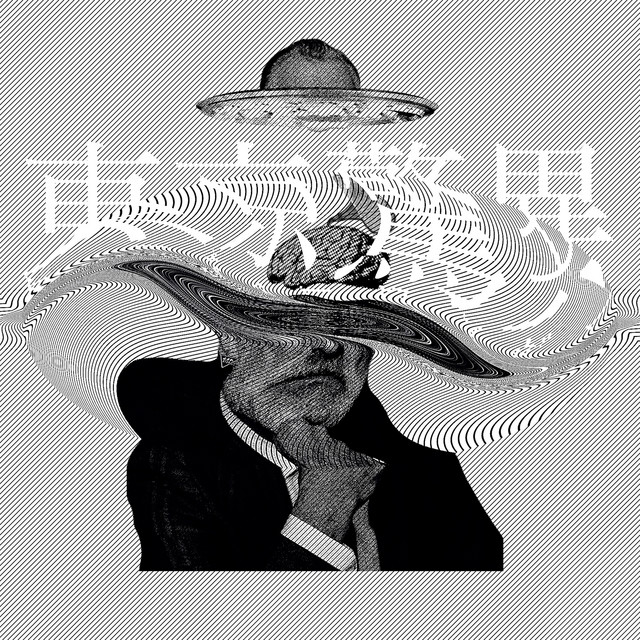
日々爛々。
Nakimushi
J-Indie
2021
2
/5
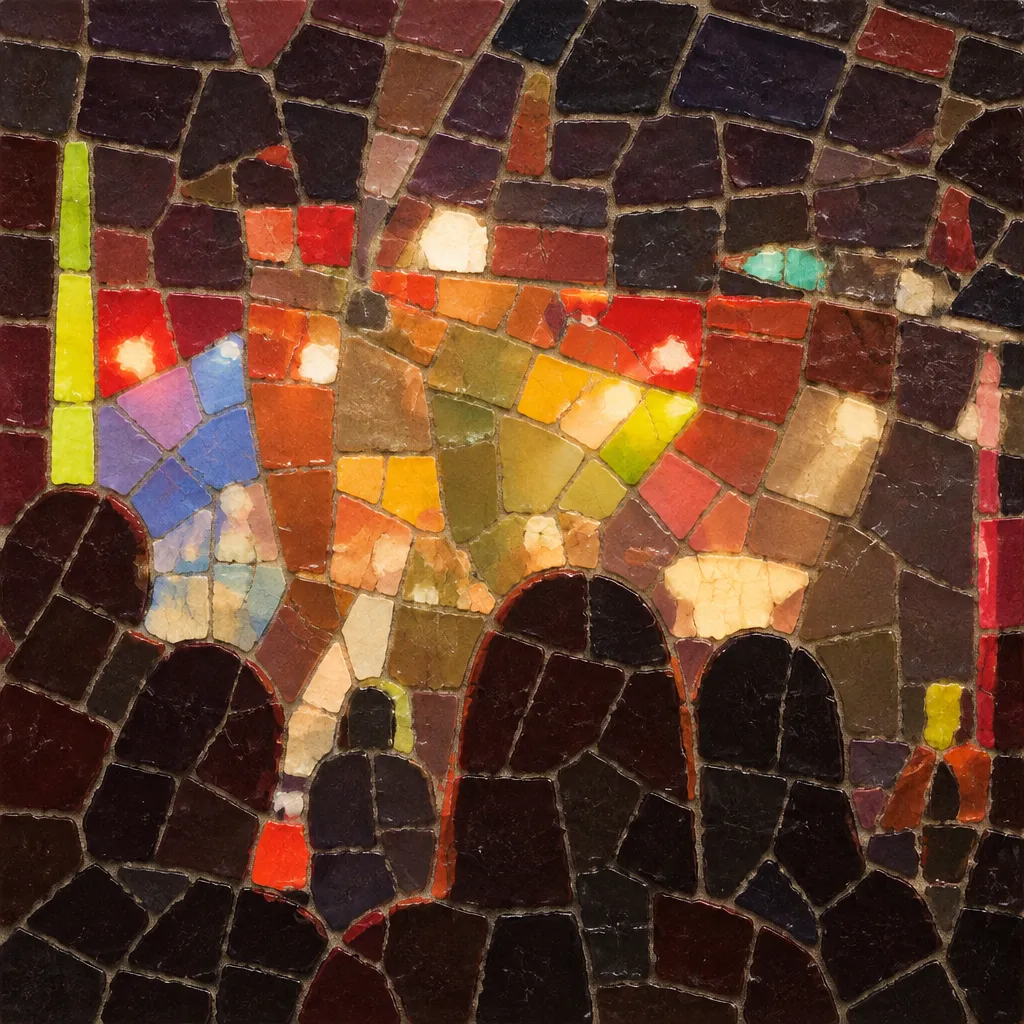
Tokyo Wonder.
Nakimushi
J-Indie
2019
1
/5
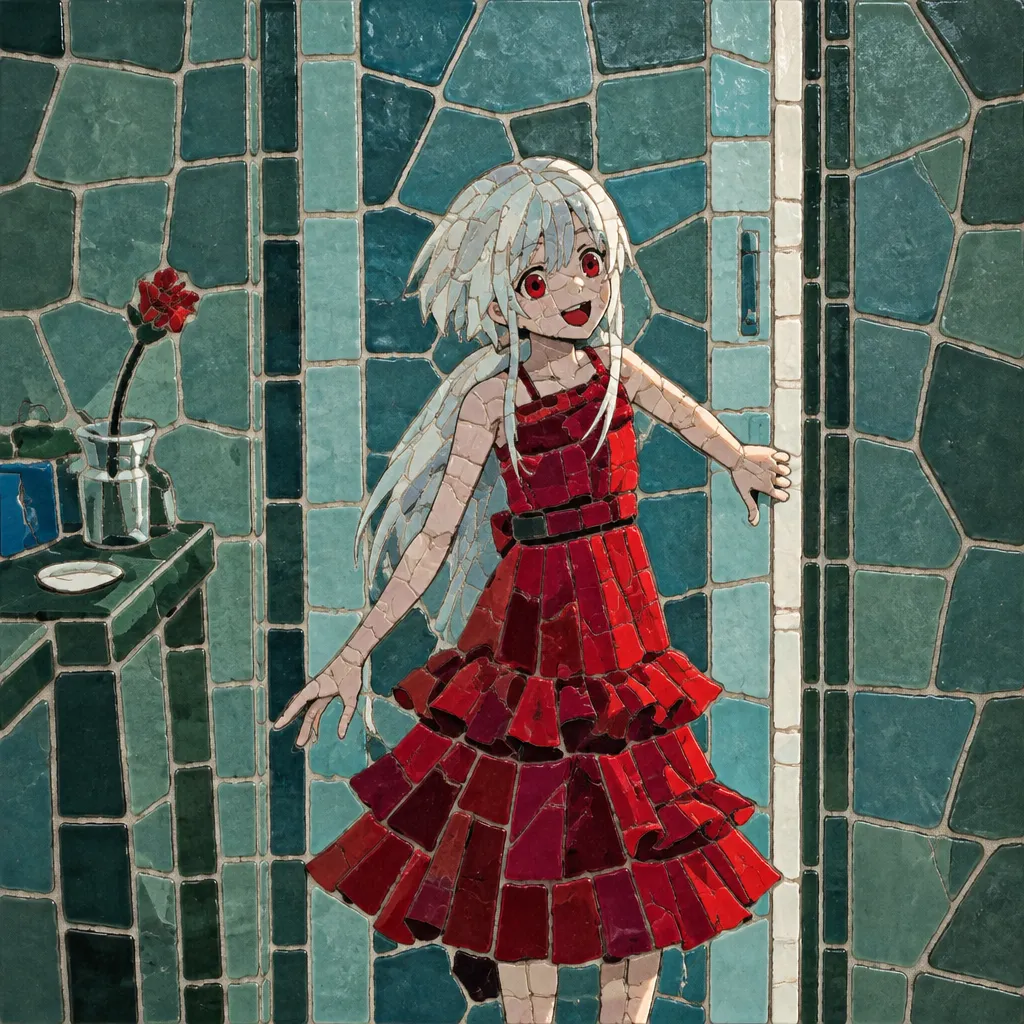
大迷惑星。
Nakimushi
J-Indie
Similar artists
4
/5
Sheena Ringo
J-Pop
Art Pop
Rock
3
/5
Lily Chou-Chou
Indie Dream Pop
Indie Shoegaze
Japanese Indie
3
/5
Hakushi Hasegawa
J-Indie
Art Pop
Breakcore
5
/5
Arctic Monkeys
Garage Rock
Indie
Indie Rock
5
/5
TV Girl
Electronic
Pop
Chillwave
5
/5
Fontaines D.C.
Post-Punk
Crank Wave
Rock
5
/5
Gorillaz
Alternative Hip Hop
Electronic
Modern Rock
5
/5
Paramore
Emo Pop
Candy Pop
Pixie
5
/5
Mitski
Rock
Indie Rock
Alternative Rock
4
/5
Weezer
Alternative Rock
Modern Power Pop
Rock
Download our mobile app
Get the Melodigging app and start digging for new genres on the go
Download on the App Store
Get it on Google Play
© 2026 Melodigging
Give feedback
Legal
Melodding was created as a tribute to
Every Noise at Once
, which inspired us to help curious minds keep digging into music's ever-evolving genres.