Genres
Artists
Albums
Make Music
Sign in
Sign in
Artists
Sufi
Artists
Sufi
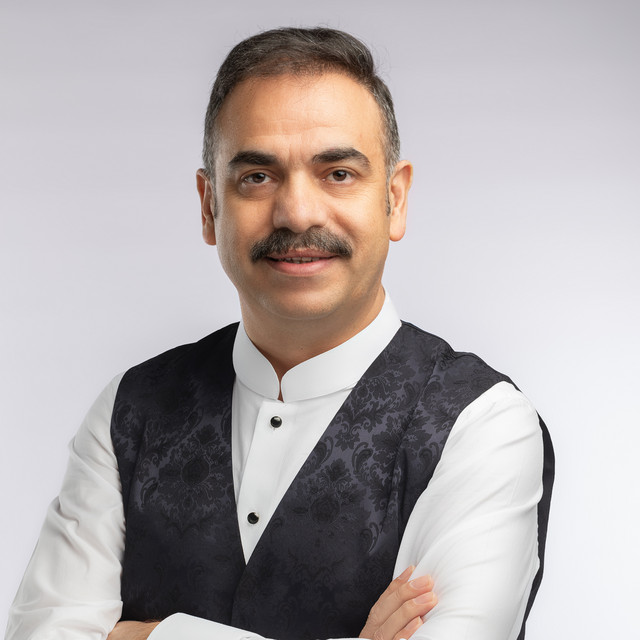
Mustafa Demirci
2007
·
1 album
Listen
2
/5
Genres
Ilahiler
Ilahiler (singular: ilahi) are Turkish Sufi hymns—devotional songs in the Turkish language that praise God, the Prophet Muhammad, saints, and express mystical yearning and ethical counsel. They are a core strand of Ottoman/Turkish religious and tekke (dervish lodge) music, typically set in the makam (modal) system and performed with simple, singable melodies and memorable refrains. While ilahiler can be sung a cappella, they are often accompanied by instruments associated with Ottoman and Sufi music—ney (end-blown reed flute), ud, tanbur, kanun, and small devotional drums such as bendir and kudüm. Texts commonly draw on the poetry of Yunus Emre, Niyazi-i Mısri, and other Sufi poets. Musically, ilahiler balance accessibility and spiritual depth: they favor clear melodic contours, limited ambitus, and steady usul (rhythmic cycles) like Sofyan (4/4), Düyek (8/8), Aksak (9/8), or Semai (6/8), with occasional free-rhythm passages. They are performed in mosques and dervish lodges, in religious gatherings (zikr/sohbet), and in domestic devotional settings, and today also exist in concert, recording, and media contexts.
Discover
Listen
Sufi
Sufi is a devotional musical tradition rooted in Islamic mysticism that seeks to induce remembrance of the Divine (dhikr) and transport performers and listeners toward spiritual ecstasy (wajd). It is not a single uniform style, but a family of practices that vary across regions—most notably Persian/Iranian, Anatolian/Turkish (Mevlevi), Arab, and South Asian (qawwali, kafi). Musically, Sufi repertoire tends to revolve around repetitive, mantra-like refrains, call-and-response between lead and chorus, and gradual intensification over cyclical rhythms. Melodic language draws from regional modal systems such as the Persian dastgāh, Ottoman/Turkish makam, and South Asian raga, and is often supported by drones. Texts are central: poetry by mystic masters like Rumi, Hafez, Bullhe Shah, and Amir Khusrau is sung in Persian, Urdu, Punjabi, Arabic, Turkish, and other languages. Instrumentation varies by locale—harmonium, tabla/dholak, tanpura, and clapping in South Asia; ney, kudüm, bendir, and tanbur in Turkey; oud and frame drums across the Arab world—yet the unifying aim is spiritual uplift and inner transformation.
Discover
Listen
Albums
2007
İlahi Terapi
Mehmet Emin Ay, Mustafa Demirci, Murat Necipoğlu
Ilahiler
Similar artists
2
/5
Mehmet Emin Ay
Ilahiler
Sufi
Sufi Chant
2
/5
Dursun Ali Erzincanlı
Sufi
Ilahiler
2
/5
Ömer Karaoğlu
Oyun Havasi
Sufi
Ilahiler
2
/5
İsmail Coşar
Sufi
Traditional Music
Ilahiler
2
/5
Sami Özer
Sufi
Ilahiler
2
/5
Murat Necipoğlu
Sufi
Ilahiler
2
/5
Ahmet Hakkı Turabi
Sufi
Ilahiler
Ney
2
/5
Grup Dergah
Sufi
Ilahiler
2
/5
Ender Doğan
Sufi
Ilahiler
Mevlevi Sufi
2
/5
Mehmet Kemiksiz
Qawwali
Sufi
Sufi Chant
Download our mobile app
Get the Melodigging app and start digging for new genres on the go
Download on the App Store
Get it on Google Play
© 2026 Melodigging
Give feedback
Legal
Melodding was created as a tribute to
Every Noise at Once
, which inspired us to help curious minds keep digging into music's ever-evolving genres.