Genres
Artists
Albums
Make Music
Sign in
Sign in
Artists
Progressive Rock
Artists
Progressive Rock
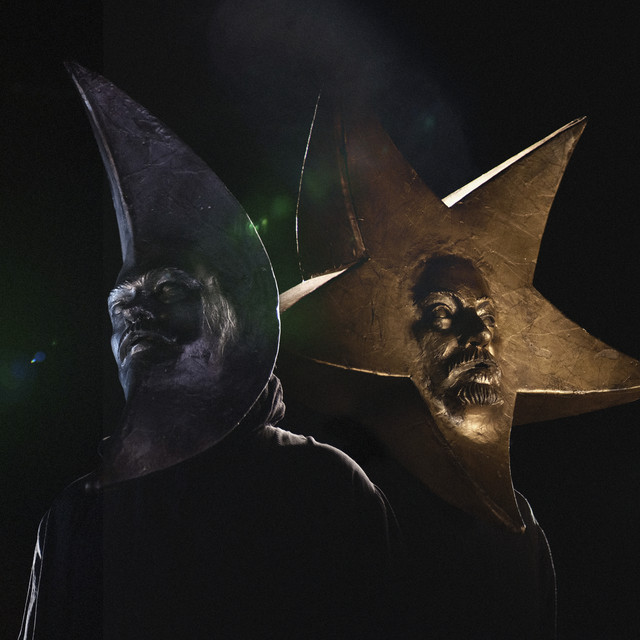
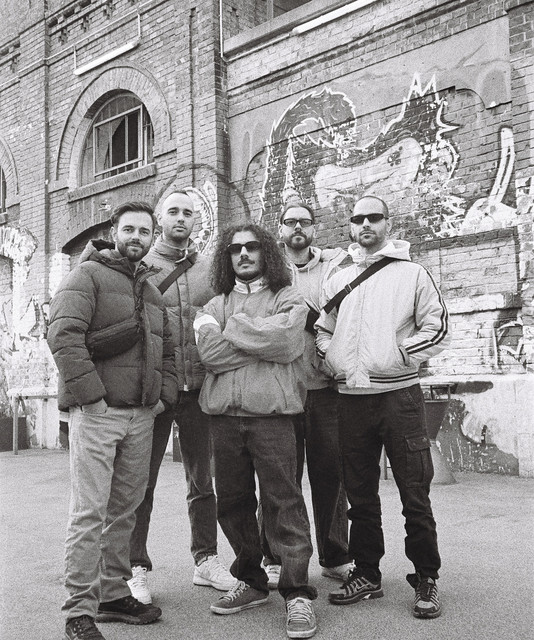
Motorpsycho
2012
·
1 album
Listen
2
/5
Genres
Stoner Rock
Stoner rock is a heavy, riff‑centric style that blends the weight and doom of early heavy metal with the groove and expansive jams of late‑60s/70s psychedelic and acid rock. It is marked by fuzz‑drenched, down‑tuned guitars, thick bass tones, and relaxed but powerful mid‑tempo grooves. Songs often emphasize hypnotic, repetitive riffs; extended instrumental passages; and a warm, vintage analog sound. Vocals tend to be laid‑back or gritty rather than operatic, and lyrical themes commonly explore the desert, space, altered states, mythology, and countercultural imagery. The overall vibe is earthy and immersive—equal parts head‑nodding groove, psychedelic haze, and Sabbath‑born heaviness.
Discover
Listen
Alternative Rock
Alternative rock is a broad umbrella for guitar-based rock that emerged from the independent and college-radio scenes as a counterpoint to mainstream, commercial rock. It blends the energy and ethos of punk with the textural and songwriting experiments of post-punk, new wave, jangle pop, and noise rock, often foregrounding introspective or socially aware lyrics. Across its many strains—from the melodic minimalism of college rock to the loud-quiet-loud dynamics of grunge and the artful experimentation of Radiohead-era modernism—alternative rock prioritizes authenticity, sonic individuality, and a do-it-yourself approach. Its sound ranges from chiming, chorus-laden clean guitars to abrasive distortion and feedback, supported by straightforward rock rhythms or off-kilter grooves, and production that can be either raw and live-sounding or polished yet unconventional.
Discover
Listen
Grunge
Grunge is a guitar-driven subgenre of alternative rock that emerged in the mid-to-late 1980s in Seattle, United States. It fuses the raw aggression and DIY ethos of punk with the weight and riff-centric power of hard rock and heavy metal. Characterized by thick, heavily distorted guitars, dynamic quiet–loud song structures, and a visceral, unpolished production aesthetic, grunge foregrounds themes of alienation, apathy, social disaffection, and personal struggle. Vocals often shift between subdued, introspective verses and cathartic, shouted or soaring choruses, while lyrics tend toward confessional and existential tones. Beyond sound, grunge represented a cultural stance: anti-gloss, anti-virtuosity, and anti-commercial posturing—even as it became a global commercial force in the early 1990s.
Discover
Listen
Progressive Rock
Progressive rock is a rock subgenre that expands the genre’s formal, harmonic, and conceptual boundaries. It favors long-form compositions, intricate arrangements, and virtuosic musicianship, often drawing on Western classical, jazz, folk, and psychedelic idioms. Typical hallmarks include multi-part suites, shifting time signatures, extended instrumental passages, recurring motifs, and concept albums that present unified themes or narratives. The sound palette commonly features electric guitar, bass, and drums alongside an array of keyboards (Hammond organ, Mellotron, Moog/ARP synthesizers, piano), woodwinds or brass, and occasional orchestral additions. Lyrics often explore science fiction, mythology, philosophy, social commentary, and introspective themes.
Discover
Listen
Psychedelic Rock
Psychedelic rock is a style of rock music that seeks to evoke, simulate, and expand altered states of consciousness through sound. It typically features timbral experimentation (fuzz, wah, tape delay, phasing), drones, modal or raga-influenced harmony, extended improvisation, studio-as-instrument production, and surreal, mystical, or mind-expanding lyrics. Emerging from mid-1960s counterculture, it fused garage-band energy with folk, blues, and non-Western musical ideas—especially Indian classical ragas—while embracing new studio technologies and concert light shows. Both a live and a studio art, psychedelic rock ranges from jangly, kaleidoscopic pop to heavy, hypnotic jams and cosmic soundscapes.
Discover
Listen
Art Rock
Art rock is a branch of rock music that treats the studio and the album as spaces for artistic experimentation, emphasizing conceptual ideas, ambitious arrangements, and cross-pollination with modernist and avant-garde traditions. It typically favors extended song forms, thematic or conceptual unity, and non-standard instrumentation (strings, woodwinds, synthesizers) alongside rock’s core band setup. Lyrically, it leans toward literary, surreal, or philosophical subjects and often adopts theatrical presentation. Where mainstream rock centers on immediacy and hooks, art rock embraces risk: unusual time signatures, timbral exploration, complex harmony, tape and electronic manipulation, and interludes that draw from classical, jazz, minimalism, and experimental music.
Discover
Listen
Norsk Rock
Norsk rock refers to rock music from Norway, typically performed by Norwegian bands and often sung in Norwegian or regional dialects. It blends global rock idioms with distinctly Norwegian sensibilities, such as storytelling about everyday life, social issues, and a subtle sense of northern melancholy. Musically, norsk rock ranges from rootsy blues-rock and 70s-inspired classic rock to post-punk, alternative, and neo-psychedelia. Hallmarks include guitar-driven arrangements, strong choruses, and a balance between raw energy and melodic craft. Regional scenes in Oslo, Trondheim, Bergen, and Stavanger helped shape its diverse sounds. Over time, the genre became a cultural institution in Norway, with iconic bands defining generations and inspiring newer waves that connect local identity with international rock trends.
Discover
Listen
Space Rock
Space rock is a psychedelic branch of rock characterized by long-form, hypnotic grooves, swirling guitars awash in delay and reverb, and prominent analog synthesizers that evoke cosmic or interstellar imagery. The music often emphasizes texture and atmosphere over conventional song structures, creating expansive soundscapes that feel weightless and otherworldly. Emerging in late-1960s Britain from the overlap of psychedelic rock, early progressive rock, and experimental electronics, space rock frequently employs motorik-leaning rhythms, modal or drone-based harmony, and science-fiction themes. Extended improvisations, phased and fuzz-drenched timbres, and tape or echo effects are common, encouraging a sense of forward drift and cosmic exploration.
Discover
Listen
Rock Opera
Rock opera is a narrative-driven form of rock music in which a sequence of songs tells a coherent story, often through distinct characters, recurring leitmotifs, and theatrical arcs. Unlike a loose concept album, a rock opera typically emphasizes plot, character development, and musical continuity, borrowing structural ideas from opera (overtures, reprises, arias/solos, and dramatic climaxes) while retaining the instrumentation, rhythms, and sonic vocabulary of rock. Works can exist as studio albums, staged productions, or films, and may range from guitar-centered ensembles to fully orchestrated scores with choirs and narration. The form emerged in the late 1960s with UK pioneers and grew alongside progressive and symphonic rock in the 1970s.
Discover
Listen
Hard Rock
Hard rock is a loud, riff-driven style of rock music built around heavily amplified electric guitars, a powerful rhythm section, and assertive vocals. Songs typically center on memorable, blues-based guitar riffs, strong backbeats, and energetic, often shouted or belted choruses. The genre emphasizes power, groove, and visceral impact over intricate harmony or extended improvisation. Distortion, power chords, pentatonic melodies, and call‑and‑response between vocals and guitar are core traits, while lyrical themes often explore rebellion, lust, swagger, escape, and cathartic release.
Discover
Listen
Rock
Rock is a broad family of popular music centered on amplified instruments, a strong backbeat, and song forms that foreground riffs, choruses, and anthemic hooks. Emerging from mid‑20th‑century American styles like rhythm & blues, country, and gospel-inflected rock and roll, rock quickly expanded in scope—absorbing folk, blues, and psychedelic ideas—while shaping global youth culture. Core sonic markers include electric guitar (often overdriven), electric bass, drum kit emphasizing beats 2 and 4, and emotive lead vocals. Rock songs commonly use verse–chorus structures, blues-derived harmony, and memorable melodic motifs, ranging from intimate ballads to high‑energy, stadium‑sized performances.
Discover
Listen
Show all 11 genres
Albums
2012
1
/5
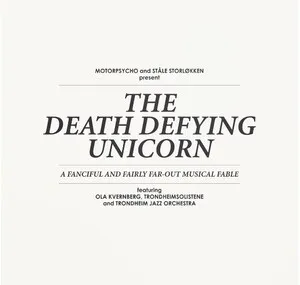
The Death Defying Unicorn
Motorpsycho & Ståle Storløkken
Rock Opera
Progressive Rock
Psychedelic Rock
Similar artists
3
/5
Hawkwind
Canterbury Scene
Space Rock
Hard Rock
2
/5
Gong
Canterbury Scene
Space Rock
Progressive Rock
5
/5
Pink Floyd
Art Rock
Progressive Rock
Rock
3
/5
CAN
Krautrock
No Wave
Experimental Rock
2
/5
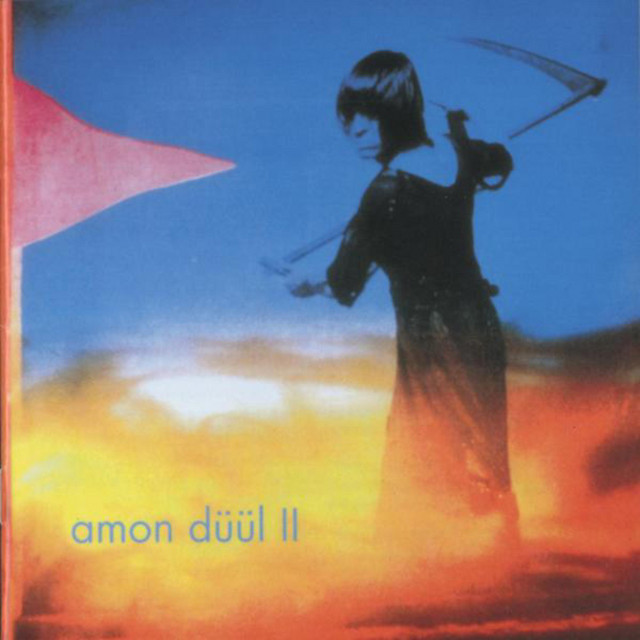
Amon Düül II
Krautrock
Progressive Rock
Rock
2
/5
Soft Machine
Jazz Fusion
Progressive Rock
Canterbury Scene
2
/5
Nektar
Space Rock
Progressive Rock
Art Rock
2
/5
Naxatras
Heavy Psych
Instrumental Stoner Rock
Stoner Rock
2
/5
Family
Canterbury Scene
Progressive Rock
Acid Rock
1
/5
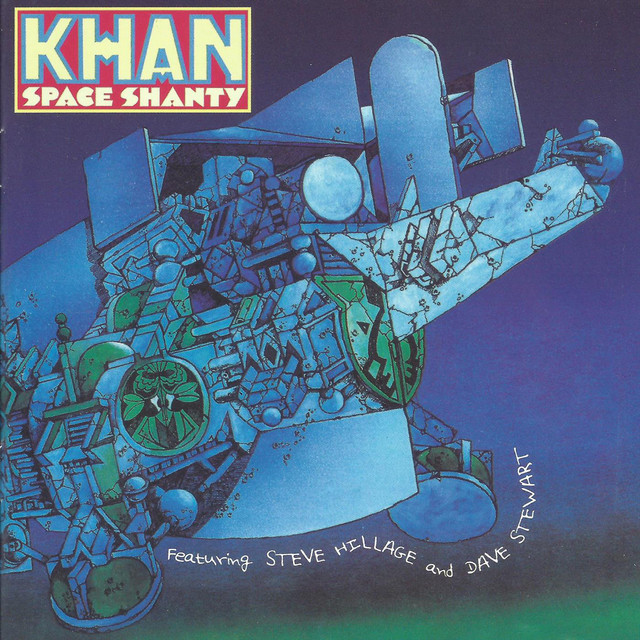
Khan
Progressive Rock
Space Rock
Art Rock
Download our mobile app
Get the Melodigging app and start digging for new genres on the go
Download on the App Store
Get it on Google Play
© 2026 Melodigging
Give feedback
Legal
Melodding was created as a tribute to
Every Noise at Once
, which inspired us to help curious minds keep digging into music's ever-evolving genres.