Genres
Artists
Albums
Make Music
Sign in
Sign in
Artists
Progressive Trance
Artists
Progressive Trance
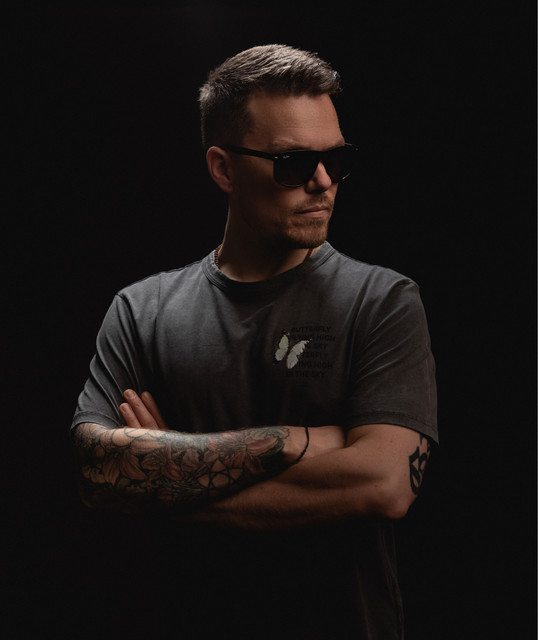
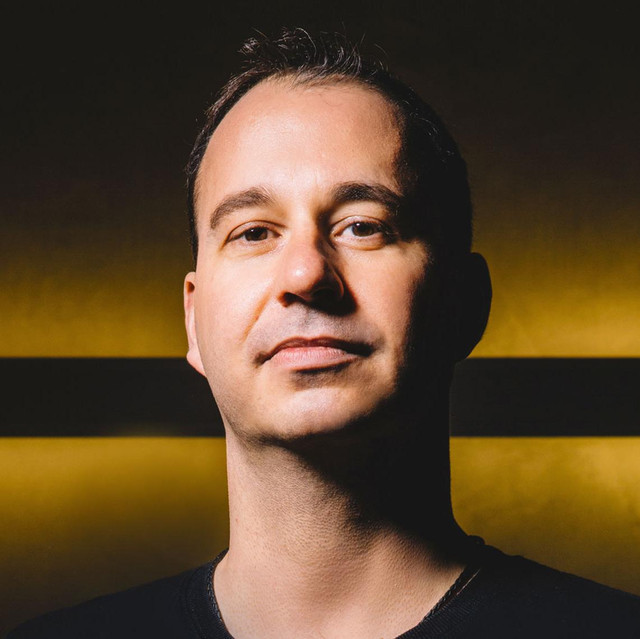
Morten Granau
Listen
3
/5
Genres
Hi-Tech Full-On
Hi‑Tech Full‑On is a modern, largely Japanese mutation of full‑on psytrance that injects the rapid timbral switching and glitchy, stuttered edits of complextro into the classic rolling psy bass and 4/4 drive. Typically sitting around 145–155 BPM, it keeps the euphoric brightness and supersaw leads of full‑on while adopting hyper-detailed sound design: bar‑to‑bar bass patch changes, abrupt mute/unmute fills, micro‑edits, and videogame/anime‑influenced FX. The result is intensely energetic, highly technical party music that feels both maximal and cleanly engineered.
Discover
Listen
Chamber Psych
Chamber psych blends the intimate, acoustic instrumentation and careful arrangements of chamber pop with the hazy textures, tape-warm production, and surreal harmonies of psychedelic pop. Expect strings, woodwinds, vibraphone, Mellotron, and harpsichord to sit alongside vintage keyboards, gently motorik drums, and fluttering tape delays. Vocals are often close‑mic’d and breathy, melodies skew wistful or otherworldly, and songs privilege mood and arrangement craft over volume. The result feels simultaneously handcrafted and dreamlike: miniature orchestras scoring psychedelic reveries.
Discover
Listen
Dakke Dak
Dakke Dak (also spelled Dakkedak) is a Danish electronic dance music subgenre and slang term that emerged as a distinct cultural phenomenon in the 2010s. Musically, it is a high-energy fusion of various hard dance styles, primarily drawing from Psytrance, Hardstyle, Melbourne Bounce, and Hands Up techno. The name is an onomatopoeia mimicking the rapid, pounding "dak-dak-dak" sound of the heavy basslines and kick drums characteristic of the genre. It is strongly associated with provincial Danish youth culture, "tramper" (stomping) dance styles, car audio culture, and parties in rural or suburban areas. The lyrics are almost exclusively in Danish, often humorous, hedonistic, and centered around drinking, partying, and local identity.
Discover
Listen
Full On Groove
Full on groove is a contemporary branch of psytrance that blends the high-energy impact of classic full‑on with the rolling, swing‑inflected basslines and tight rhythmic phrasing associated with progressive psy. It emphasizes hypnotic, dance‑driven “groove” over maximal melodic fireworks, keeping arrangements punchy and functional for peak‑time dance floors. Typical tempos sit around 140–146 BPM. The sound palette features a solid 4/4 kick, a round and persistent 1/16 rolling bassline, crisp percussive layers, and filtered psy leads and zaps used sparingly for momentum. Breaks are concise, risers are controlled rather than explosive, and sections often pivot on drum‑bass interplay, shuffle, and micro‑edits, creating a forward‑leaning, festival‑ready flow.
Discover
Listen
Psytech
Psytech (often written as psy-tech or psychedelic techno) fuses the hypnotic drive of techno with the trippy sound design and spatial aesthetics of psytrance. Typically sitting between 124–132 BPM, it favors solid four-on-the-floor kicks, rolling sub-basses, and long, evolving arrangements. The palette leans toward psychedelic textures—acidic lines, formant sweeps, resonant band-pass stabs, comb-filtered atmospheres, and modulated delays—while maintaining techno’s emphasis on groove, subtle variation, and club-focused functionality. The result is music that feels both heads-down and mind-bending: a dark, tensile floor-pulse animated by kaleidoscopic FX, micro-rhythmic ear-candy, and gradually mutating motifs.
Discover
Listen
Progressive Trance
Progressive trance is a substyle of trance that emphasizes long-form development, subtle layering, and hypnotic momentum over sudden dramatic peaks. It typically features evolving pads, pulsating arpeggios, and rolling basslines that build gradually across extended arrangements. Compared to uplifting or anthem trance, progressive trance is more restrained and textural, trading overt melodrama for nuanced tension-and-release. The result is a deep, immersive sound that feels journey-like on the dancefloor while remaining lush and atmospheric in focused listening contexts.
Discover
Listen
Psytrance
Psytrance (psychedelic trance) is a high-energy branch of trance music that emphasizes hypnotic repetition, richly modulated synth textures, and immersive sound design. Typically ranging from 138–150 BPM (with substyles slower or faster), it features a straight four-on-the-floor kick, a tight, rolling 1/16th-note bassline, and intricately layered FX—zaps, squelches, formant sweeps, and granular stutters—arranged to create a mind-bending, psychedelic journey. Tracks are commonly 6–9 minutes long, evolving through long-form tension and release. Harmony is sparse and modal (often minor, Phrygian, or Phrygian dominant), while rhythmic micro-variations, filter automation, and spatial motion (pans, dopplers, psychoacoustic tricks) carry the narrative.
Discover
Listen
Trance
Trance is a form of electronic dance music characterized by steady four-on-the-floor beats, long build‑ups and breakdowns, and euphoric, melodic progressions designed to induce a hypnotic or “trance‑like” state. Typical tempos range from about 130 to 142 BPM, with arrangements often stretching 7–10 minutes to allow DJs room for tension, release, and seamless mixing. The sound palette emphasizes shimmering pads, arpeggiated synth motifs, supersaw leads, and wide, reverberant spaces. Harmonically, trance tends to favor minor keys, modal mixture, and extended suspense before cathartic drops. Production hallmarks include sidechain compression (“pumping”), off‑beat open hi‑hats, rolling basslines, and lush delay/reverb tails. While largely instrumental, a major branch—vocal trance—features lyrical toplines and pop‑leaning structures without losing its club‑centric dynamics.
Discover
Listen
Psychedelic
Psychedelic is an umbrella term for music that seeks to evoke, emulate, or accompany altered states of consciousness through sound, arrangement, and studio technique. It emphasizes timbral color, drones, modal harmony, surreal or mystical lyrics, and immersive production, often using tape manipulation, extended effects, and non‑Western instruments (notably from Indian classical traditions). The result ranges from delicate, dreamlike textures to dense, kaleidoscopic soundscapes intended to expand perception and dissolve conventional song form.
Discover
Listen
Electronic
Electronic is a broad umbrella genre defined by the primary use of electronically generated or electronically processed sound. It encompasses music made with synthesizers, drum machines, samplers, computers, and studio/tape techniques, as well as electroacoustic manipulation of recorded or synthetic sources. The genre ranges from academic and experimental traditions to popular and dance-oriented forms. While its sonic palette is rooted in electricity and circuitry, its aesthetics span minimal and textural explorations, structured song forms, and beat-driven club permutations. Electronic emphasizes sound design, timbre, and studio-as-instrument practices as much as melody and harmony.
Discover
Listen
Show all 10 genres
Similar artists
3
/5
Neelix
Progressive Psytrance
Psytrance
Progressive Trance
3
/5
Phaxe
Progressive Psytrance
Progressive Trance
Psytrance
3
/5
Astrix
Psytrance
Progressive Trance
Electronic
3
/5
Ghost Rider
Covertronica
Dark Clubbing
Progressive Trance
3
/5
Ranji
Deep Big Room
Progressive Trance
Psytrance
3
/5
Liquid Soul
Psytrance
Progressive Trance
Electronic
3
/5
Ace Ventura
Progressive Trance
Psytrance
Trance
3
/5
Symphonix
Progressive Psytrance
Progressive Trance
Psytrance
3
/5
Protoculture
Progressive Trance
Psytrance
Trance
3
/5
Ajja
Psytrance
Dark Psytrance
Electronic
Download our mobile app
Get the Melodigging app and start digging for new genres on the go
Download on the App Store
Get it on Google Play
© 2026 Melodigging
Give feedback
Legal
Melodding was created as a tribute to
Every Noise at Once
, which inspired us to help curious minds keep digging into music's ever-evolving genres.