Genres
Artists
Albums
Make Music
Sign in
Sign in
Artists
Hybrid Trap
Artists
Hybrid Trap
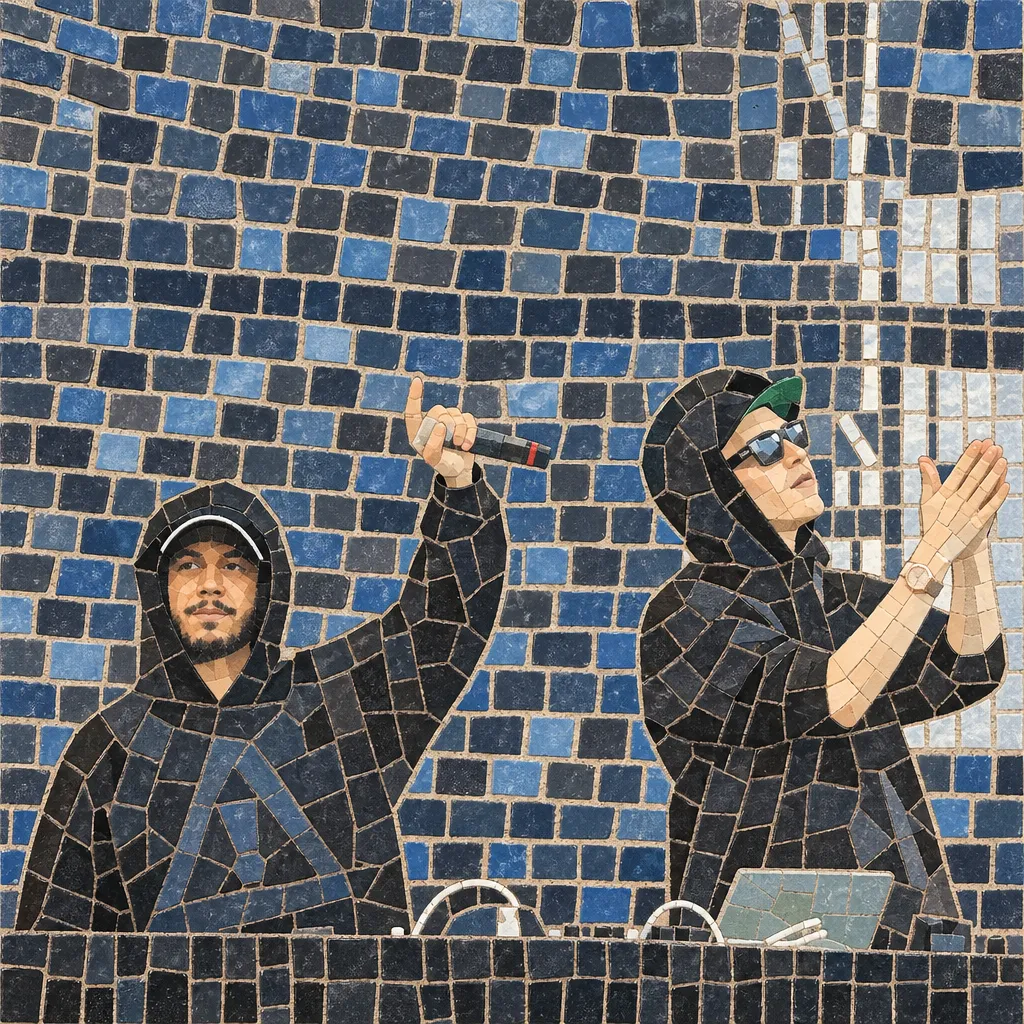
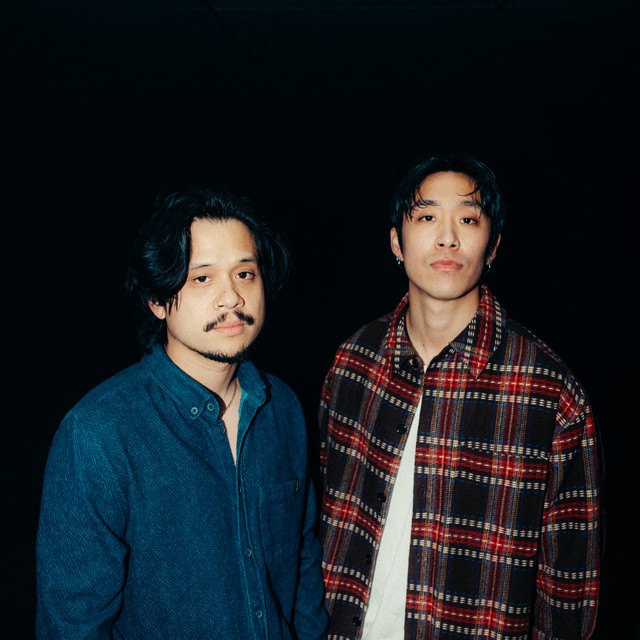
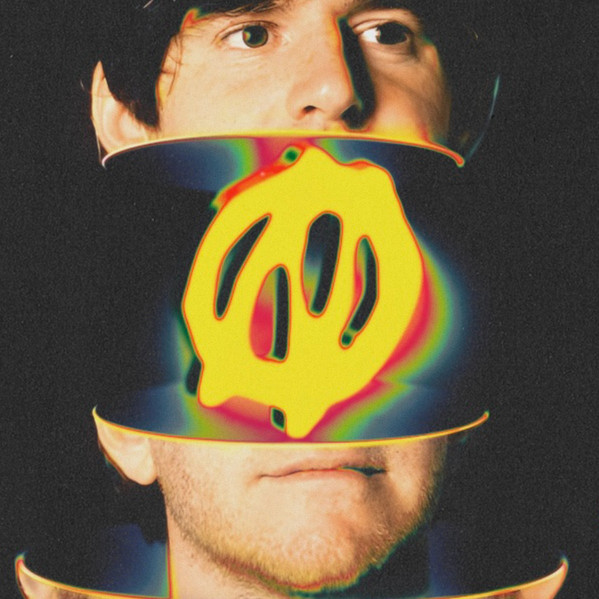
Moore Kismet
2022–2025
·
2 albums
Listen
2
/5
Genres
Future Riddim
Future riddim is a melodic, chord-forward offshoot of riddim and dubstep that blends heavy half‑time grooves with bright, future-bass harmonies and colorful, animated sound design. Where classic riddim emphasizes repetitive syncopated bass patterns, future riddim adds expressive chord progressions, memorable leads, and glittering supersaws, creating a style that is both hard‑hitting and euphoric. Typical tracks sit around 140–150 BPM in half‑time, pairing a chesty snare on beat three with call‑and‑response bass phrases that are tightly sidechained to the kick. Sound design frequently uses vowel/formant filtering, harmonic resampling, and lush stereo layers so that each bass hit sings like a melodic instrument rather than a purely percussive hit.
Discover
Listen
Minatory
Minatory is an extreme, experimental strain of deathstep that pushes heaviness and unpredictability to the forefront. Its hallmark is an abrasive, distorted sound palette coupled with abrupt, sometimes jarring BPM switch‑ups that can leap between halftime lurches and double‑time assaults within a single drop. Producers favor hyper-saturated basses, asymmetrical rhythms, and sudden silences or glitch edits to heighten tension. The result is a hostile, cinematic form of bass music that blends the dread of dark ambient and industrial with the impact of tearout and the rhythmic elasticity of modern dubstep.
Discover
Listen
Dariacore
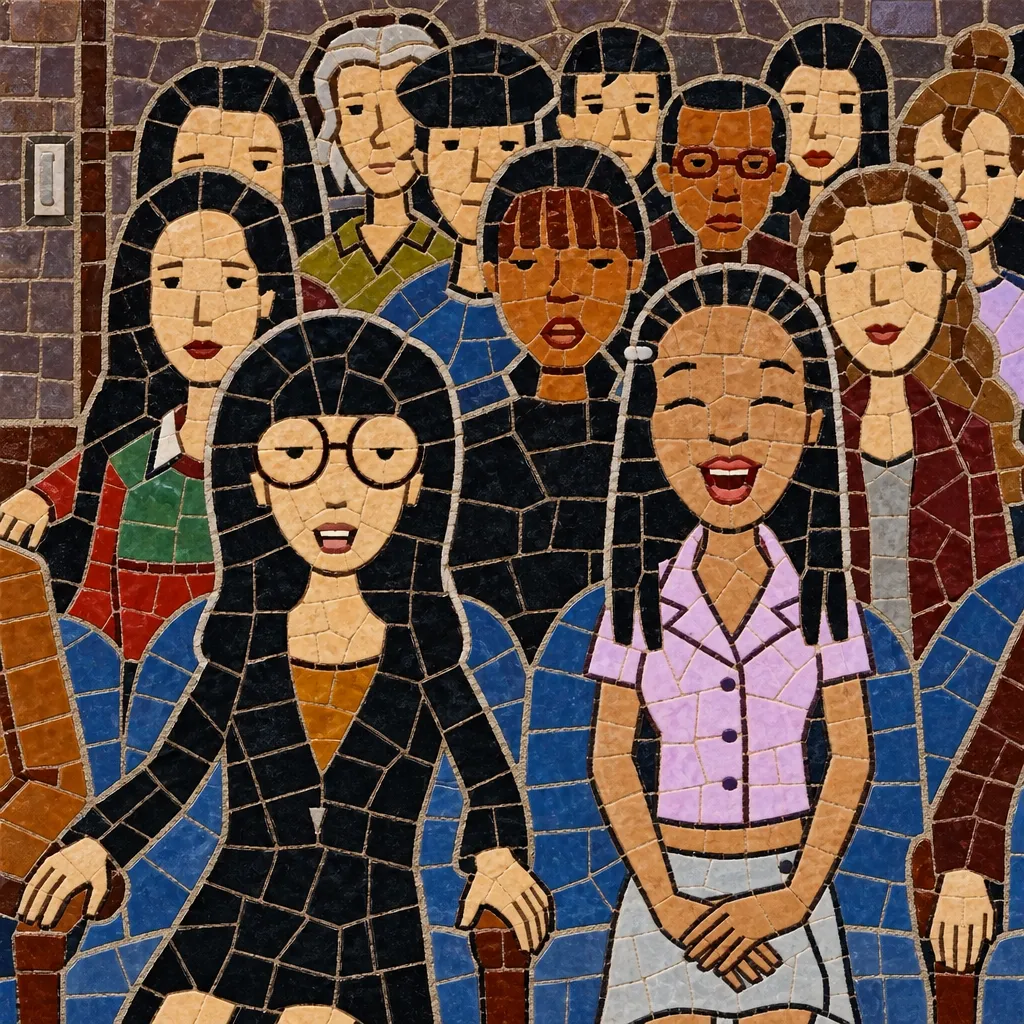
Dariacore is a hyperactive, sample-forward microgenre that emerged on SoundCloud in the early 2020s. It is characterized by frenetic cut‑ups of recognizable pop hooks, TV/anime snippets, and internet ephemera, smashed together at high tempos with breakbeats, club triplets, and hard sidechain compression. Aesthetically, it sits between hyperpop/digicore maximalism and plunderphonics/mashcore collage. Producers frequently pitch up (nightcore-style), hard-clip, and brickwall-limit the mix, embrace abrupt key/tempo shifts, and use meme-y drops or fake-outs for shock value. Tracks are usually short (often 1–2 minutes), hook-dense, and deliberately chaotic, with tongue-in-cheek 90s/00s net-culture visuals (the name references MTV’s Daria).
Discover
Listen
Digicore
Digicore is a Gen Z–native, internet-bred pop-rap microgenre that emerged from SoundCloud and Discord communities. It blends hyperpop’s maximalist sound design with emo rap’s confessional songwriting, trap drum programming, and nightcore-style pitch-shifting. Songs are typically short and hook-forward, with heavily processed, Auto-Tuned vocals, clipped or bitcrushed textures, stutter edits, and glossy but intentionally digital artifacts. The palette often includes bright synth bells, plugg/pluggnb-inspired 808 patterns, widescreen OTT compression, and glitchy micro-cuts that highlight the music’s online, DIY origin. Lyrically, it leans into adolescent angst, online identity, relationships, and self-reflection, mirroring the hyper-connected culture that birthed it.
Discover
Listen
Lowend
Lowend is a fast, dance‑ready subgenre of Milwaukee hip‑hop that emerged in the early 2020s. It is defined by metronome‑like eighth‑note digital handclaps, snares striking on the first and third counts, and rumbling 808 basslines. Vocals tend toward playful, laid‑back flows and catchy ad‑libs, with lyrics that center on parties, dancing, cars, and flirtation. Most tracks are short—often under two minutes—leaning on minimal, high‑impact beats that leave space for chants and crowd‑friendly hooks. The style grew from Milwaukee’s regional rap ecosystem and spread nationally via TikTok, where bouncy, easily loopable songs and simple dances helped it travel beyond the Midwest.
Discover
Listen
Hybrid Trap
Hybrid trap is an EDM subgenre that fuses Southern hip hop–derived trap rhythms and 808 low end with the sound-design intensity and drop-centric structure of dubstep and electro house. It typically runs at 75/150 BPM in a halftime feel, features skittering hi-hats and snare/clap hits on beat three, and pairs punchy 808 kick–sub combos with midrange growls, reese basses, screeches, and cinematic brass stabs. Producers lean heavily on modern synthesis, resampling, and aggressive processing (distortion, multiband compression, OTT) to craft dynamic, call-and-response drops suited to festival stages. Compared with “classic” EDM trap, hybrid trap places greater emphasis on dubstep-like bass design, complex fills, and theatrical builds, while retaining trap’s swaggering grooves and minimalistic, percussive motifs.
Discover
Listen
Future Bass
Future bass is a melodic, drop-focused style of electronic dance music built around lush, detuned saw-tooth chords, dramatic swells, and emotive, pop- and R&B-leaning progressions. It typically runs at 70–90 BPM (or 140–180 BPM in double-time), uses trap-inspired drums (808 kicks, crisp snares on the third beat, syncopated hi-hats), and features heavy sidechain compression for a breathing, "pumping" feel. Producers often layer shimmering supersaws, pitch-automated leads, and chopped/pitched vocal snippets to create euphoric, weightless drops that contrast with airy verses and cinematic builds. A hallmark is its glossy, future-leaning sound design—gliding chords, LFO modulation, wide stereo images—paired with catchy, sentimental melodies that make it equally club-ready and radio-friendly.
Discover
Listen
Melodic Bass
Melodic bass is an emotive, vocal-forward branch of bass music that blends the harmonic richness of future bass and melodic dubstep with the structure and hooks of modern pop. Its drops lean on lush supersaw chords, lyrical lead melodies, and warm, well-controlled sub-bass rather than abrasive sound design. Producers prioritize cinematic builds, heartfelt toplines, and songwriting that pivots between intimacy and festival-scale catharsis. Typical arrangements move from verse and pre-chorus into a half-time, melody-driven drop, often featuring vocal chops, guitar layers, and soaring chord stacks. The overall effect is uplifting yet nostalgic, delivering both dance-floor energy and singer‑songwriter sentiment.
Discover
Listen
Trap Soul
Trap soul is a fusion of contemporary R&B singing and songwriting with the sonic palette and rhythmic feel of trap. It features moody, minor‑key harmonies; airy pads and Rhodes/piano textures; deep 808 sub‑bass with glides; and skittering hi‑hat rolls and halftime drum patterns. Vocals often blend crooning and rapping, with intimate, confessional lyrics about love, heartbreak, desire, ambition, and late‑night introspection. The production is typically spacious and minimal, prioritizing atmosphere and groove over density. Subtle Auto‑Tune, layered ad‑libs, and lush reverbs/delays are common, giving tracks a nocturnal, cinematic feel.
Discover
Listen
Trap Edm
Trap EDM (often called EDM trap) is a fusion of Southern U.S. hip hop trap rhythms with the build–up/drop architecture and sound design of electronic dance music. It typically runs at 140 BPM with a halftime feel (or 70–75 BPM), featuring 808 sub‑bass, crisp snare/clap on the third beat, rapid 1/16 to 1/32 hi‑hat rolls, brass or synth stabs, and big festival‑style drops. Unlike rap-oriented trap, Trap EDM is primarily instrumental and designed for large dance floors and festivals, emphasizing dramatic risers, tension–release dynamics, and heavy low‑end impact.
Discover
Listen
Gaming Dubstep
Gaming dubstep is a high-energy offshoot of modern dubstep tailored for gameplay, esports highlights, and streaming content. It emphasizes explosive drops, cinematic builds, and hyper-detailed sound design that cuts through voice chat and game SFX. Typically centered around 140 BPM with a half-time groove, it blends brostep aggression, riddim simplicity, and melodic dubstep breakdowns. Producers favor bright, wide leads for anthemic choruses and gritty, midrange-focused bass timbres for drops. The result is music that feels epic and adrenalized, built to amplify on-screen action and montage pacing.
Discover
Listen
Briddim
Briddim is a hybrid strain of bass music that fuses the lurching, loop-driven minimalism of riddim with the high-impact, sound-design-forward aggression of brostep. It typically runs at 140–150 BPM in half-time, placing a punchy snare on beat three and driving the groove with syncopated bass stabs and call‑and‑response motifs. Compared to classic riddim, briddim foregrounds complex, highly modulated bass patches, sharp fills, and cinematic builds borrowed from brostep and tearout. The drops tend to be heavier and more varied than traditional riddim, yet remain more pattern‑centric and hypnotic than typical brostep, hence the “bridge” quality implied by the name.
Discover
Listen
Brostep
Brostep is a high-intensity, EDM-leaning strain of dubstep that foregrounds aggressively modulated midrange basses, dramatic builds, and arena-sized drops. Where classic UK dubstep emphasizes sub-bass weight, spaciousness, and dubwise minimalism, brostep shifts the focus to bright, distorted, and highly articulated bass sound design, often supported by festival-ready structures and glossy, loud mastering. Typical tempos sit around 140 BPM (often presented in half-time), with snare on beat 3, punchy kick patterns, and dense fills. Signature sounds include vowel/formant "talking" basses, metallic growls, comb-filtered screeches, and heavy multiband distortion, arranged in call-and-response riffs that drive the drop.
Discover
Listen
Halftime Dnb
Halftime DnB is a bass-focused offshoot of drum and bass that retains DnB’s tempo (typically 170–174 BPM) but places the drums in a half-time grid, creating the feel of 85–87 BPM. The result is a spacious, head‑nod swing that blends the sound design intensity of DnB with the groove logic of hip hop and trap. Producers emphasize heavyweight sub lines, neuro-influenced bass design, and skeletal, syncopated drum patterns (kicks and 808s up front, snares landing hard on beat three). Texture and negative space are integral, with percussion details, foley, and minimal melodic fragments carrying the narrative. The style sits naturally between club systems and headphone listening, often occupying the same ecosystems as UK bass, the autonomic/leftfield DnB continuum, and the LA beat scene.
Discover
Listen
Organic Ambient
Organic ambient is a strain of ambient music that emphasizes natural, acoustic, and tactile timbres over purely synthetic ones. Its sound world is built from softly mic’d pianos and guitars, mallet percussion, strings, voice layers, and environmental field recordings (wind, water, birds, room tone), then gently processed with spacious reverbs, tape warmth, and subtle granular or delay treatments. Compared with classic electronic ambient, the adjective “organic” points to breath, touch, and the audible presence of rooms and spaces: creaking pedals, bow noise, finger sounds on strings, and a bed of environmental sound. Harmony tends toward consonant, slowly evolving chords; rhythm is minimal or absent; and dynamics are restrained, inviting calm, contemplation, and connection with place.
Discover
Listen
Experimental Bass
Experimental bass is a left‑field branch of contemporary bass music that prioritizes sound design, unusual rhythms, and non‑standard song structures over traditional drops and formulas. Built on cavernous sub‑bass and halftime grooves, it pulls equally from dubstep’s low‑end weight, glitch hop’s cut‑up editing, and IDM’s exploratory mindset. Producers lean into resampling, granular and FM synthesis, spectral processing, and heavy use of space (silence, gating, and extreme dynamics) to craft ultra-detailed, often psychedelic textures. The result is bass music that feels tactile and three‑dimensional: lurching grooves, asymmetrical motifs, and cinematic soundscapes that reward close listening while still moving a dancefloor.
Discover
Listen
Festival Trap
Festival trap is a high‑energy, mainstage‑oriented branch of EDM trap that translates hip‑hop‑rooted 808 rhythms into oversized, stadium‑scale drops. It pairs halftime drum patterns at 70/140 BPM with big‑room buildups, supersaw and brass stabs, sirens/air‑horns, and chantable vocal chops engineered for crowd participation. Compared with classic hip‑hop trap it is brighter, louder, and more bombastic; compared with big room house or dubstep it retains a halftime groove with rolling hi‑hats and sub‑heavy 808s. Typical drops use dramatic snare rolls and risers into a silence‑then‑impact hit, followed by call‑and‑response riffs designed to move festival crowds.
Discover
Listen
Neurohop
Neurohop is a bass music subgenre that fuses the intricate, high-tech sound design and tense atmospheres of neurofunk with the swagger, swing, and groove of hip hop and glitch-hop tempos. Typically sitting around 90–115 BPM (often felt as halftime), it emphasizes surgically sculpted mid-bass lines, resampled textures, and precision drum programming. The result is music that is simultaneously head‑nodding and highly technical, pairing hip hop’s rhythmic feel with the detailed modulation, movement, and spectral complexity associated with modern drum and bass and dubstep.
Discover
Listen
Neurostep
Neurostep is a hybrid subgenre that merges the sound‑design intensity of neurofunk drum & bass with the halftime groove and weight of dubstep. Typically sitting around 140 BPM (sometimes 150), it emphasizes intricate, constantly morphing bass timbres, razor‑edged transients, and tightly engineered drops. Compared to classic dubstep, neurostep is less about sparse wobble basses and more about complex, resampled, FM/phase‑modulated bass layers that evolve bar by bar. The drums are punchy and surgical—kicks carve through dense low‑end, snares land hard on the third beat, and ghosted percussion and glitch fills keep momentum between phrases. Its overall aesthetic is dark, technical, and cinematic: dystopian atmospheres, granular textures, and call‑and‑response bass motifs are common, while breakdowns often showcase sound‑design detail and tension before a precision‑engineered drop.
Discover
Listen
Dubstep
Dubstep is a bass‑centric electronic dance music genre that emerged in South London in the early 2000s. It is typically around 140 BPM and is defined by a half‑time rhythmic feel, sub‑heavy basslines, sparse yet impactful drums, and a strong emphasis on space, tension, and sound system weight. Hallmark traits include syncopated kick patterns, snares on the third beat of the bar, swung/shuffly hi‑hats inherited from UK garage, and modulated low‑frequency bass (“wobbles”) shaped with LFOs, filters, and distortion. Influences from dub reggae (echo, delay, and minimalism), jungle/drum & bass (bass science and sound system culture), and 2‑step garage (rhythmic swing and shuffles) are central. The style ranges from deep, meditative “dub” aesthetics (often called deep dubstep) to more aggressive, midrange‑driven variants that later informed brostep and festival bass. Atmosphere, negative space, and subwoofer translation are as important as melody or harmony.
Discover
Listen
Bass Music
Bass music is an umbrella category that emphasizes heavy, foregrounded low‑frequency content—whether a booming kick drum, a sub‑bassline, or both. It spans electronic dance music and hip hop lineages from the 1980s onward and is less about one fixed rhythm than about putting the bass spectrum at the center of the mix. Producers typically sculpt the bass using synthesizers, samplers, and drum machines—famously the Roland TR‑808—along with modern soft synths and sub‑enhancement tools. Because it is a broad label, bass music can range from half‑time hip hop swing to four‑on‑the‑floor house pulses and breakbeat frameworks, but in every case the arrangement, sound design, and mix are built to make the low end the driving force.
Discover
Listen
Electropop
Electropop is a branch of pop music that foregrounds electronic instruments—especially synthesizers, drum machines, and sequencers—to deliver catchy, hook-driven songs. It preserves the verse–pre-chorus–chorus architecture and melodic immediacy of pop while replacing most traditional band instrumentation with programmed rhythms, synthetic bass lines, and glossy textures. The style emphasizes earworm toplines, precise rhythmic grids, and tightly produced arrangements that often highlight contrast between minimal, punchy verses and expansive, anthemic choruses. Timbres range from warm analog pads and arpeggiators reminiscent of the late 1970s/early 1980s to ultra-modern, hyper-detailed sound design, making electropop both retro-leaning and future-facing depending on the artist.
Discover
Listen
Electronic
Electronic is a broad umbrella genre defined by the primary use of electronically generated or electronically processed sound. It encompasses music made with synthesizers, drum machines, samplers, computers, and studio/tape techniques, as well as electroacoustic manipulation of recorded or synthetic sources. The genre ranges from academic and experimental traditions to popular and dance-oriented forms. While its sonic palette is rooted in electricity and circuitry, its aesthetics span minimal and textural explorations, structured song forms, and beat-driven club permutations. Electronic emphasizes sound design, timbre, and studio-as-instrument practices as much as melody and harmony.
Discover
Listen
Show all 23 genres
Albums
2025
2
/5
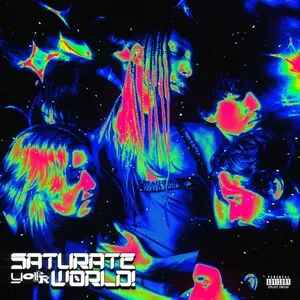
Saturate Your World!
Moore Kismet
Hybrid Trap
2022
1
/5
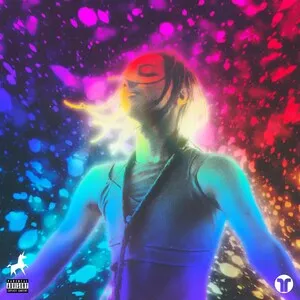
Universe
Moore Kismet
Hybrid Trap
Similar artists
4
/5
ILLENIUM
Melodic Bass
Electronic
Future Bass
4
/5
Seven Lions
Melodic Dubstep
Melodic Bass
Chillstep
4
/5
Skrillex
Dubstep
Electronic
Complextro
3
/5
Juelz
Hybrid Trap
Trap Edm
Canadian Electronic
3
/5
ARMNHMR
Melodic Bass
Future Bass
Cinematic Dubstep
3
/5
Nevve
Covertronica
Future Bass
Gaming Edm
4
/5
RL Grime
Electronic
Trap Edm
Hybrid Trap
2
/5
G Jones
Hybrid Trap
Trap Edm
Dubstep
3
/5
NGHTMRE
Hybrid Trap
Cinematic Dubstep
Dubstep
2
/5
Lizdek
Hybrid Trap
Bass Music
Flint Sound
Download our mobile app
Get the Melodigging app and start digging for new genres on the go
Download on the App Store
Get it on Google Play
© 2026 Melodigging
Give feedback
Legal
Melodding was created as a tribute to
Every Noise at Once
, which inspired us to help curious minds keep digging into music's ever-evolving genres.