Genres
Artists
Albums
Make Music
Sign in
Sign in
Artists
Kurdish Music
Artists
Kurdish Music
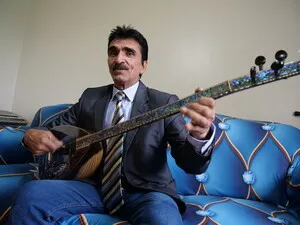
Mohammad Syfkhan
1 album
Listen
Genres
Bouzouki
Bouzouki is a genre centered on the Greek long‑necked lute called the bouzouki, whose bright, metallic timbre and rapid tremolo picking carry melodies, riffs, and improvised preludes (taximia). It emerged in urban Greece from the rebetiko milieu and later became a leading sound of laïko (Greek popular song), dance forms such as zeibekiko and hasapiko, and film and stage scores. Stylistically it is modal rather than strictly functional-harmonic, drawing on the Ottoman/Turkish makam system (Greek dromoi such as Hitzaz/Hijaz, Ousak/Uşşâk, Rast, and Sabah). Typical grooves include asymmetric 9/8 zeibekiko (often grouped 2‑2‑2‑3), 4/4 hasapiko and tsifteteli, and lively 2/4 hasaposerviko. Instrumentally, the lead trichordo (three-course) or tetrachordo (four-course) bouzouki converses with guitar, baglamas (a smaller bouzouki), bass, hand percussion, and sometimes violin or clarinet. Over time, bouzouki playing expanded from smoky cafés and hashish dens to concert halls and studios, modernized with the tetrachordo setup and amplified sound, and ultimately influenced Celtic folk ensembles via the Irish bouzouki adaptation.
Discover
Listen
Kurdish Music
Kurdish music is the traditional and contemporary music of the Kurdish people, spanning the mountainous regions of present‑day Iraq, Turkey, Iran, and Syria. It centers on modal melodies, rich vocal ornamentation, and poetic storytelling, and it ranges from unaccompanied epic singing (dengbêj) to driving dance music for circle dances (govend/halay). Its melodic language is closely tied to Near Eastern modal systems (maqam/dastgāh), with characteristic use of the Kurd/Bayât‑e Kurd mode (akin to a minor scale with a lowered second) and related hijaz/bayat families. Common meters include 2/4 and 6/8 for dances, alongside asymmetrical meters such as 7/8 and 9/8. Typical instruments include the tembûr/tanbur and saz (bağlama), frame drums (daf) and double-headed drums (dohol), reed and double‑reed winds (ney, zurna, balaban/duduk), as well as kamancheh and violin; modern ensembles may add keyboards and electric bağlama. Lyrically, Kurdish songs are often performed in Kurmanji, Sorani, and Zazakî, exploring themes of love, nature, heroism, exile, and resistance. The sound can be at once melancholic and epic, yet also celebratory and communal in its dance repertoires.
Discover
Listen
Albums
I Am Kurdish
Mohammad Syfkhan
Kurdish Music
Similar artists
3
/5
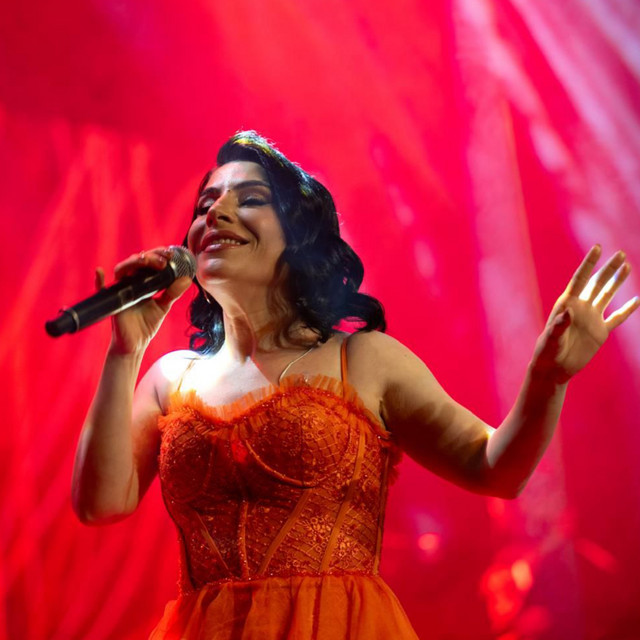
Rojda
Oyun Havasi
Kurdish Music
Kurdish Remix
3
/5
Ahmet Aslan
Karadeniz Folk
Kurdish Music
Arabesk
3
/5
Ciwan Haco
Kurdish Rock
Kurdish Music
Folk
3
/5
Mikail Aslan
Alevi Folk Music
Kurdish Music
Kurdish Remix
3
/5
Aynur
Kurdish Music
Folk
Azerbaijani Music
3
/5
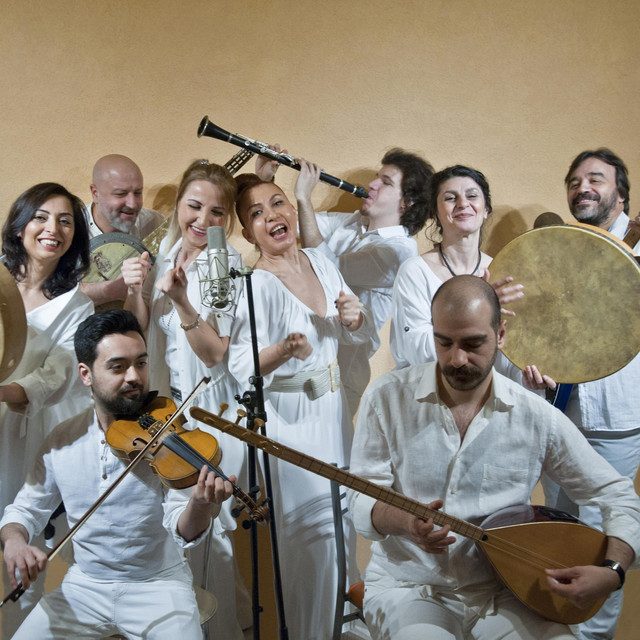
Kardes Türküler
Kurdish Music
Karadeniz Folk
Oyun Havasi
2
/5
Hozan Serhad
Kurdish Music
Kurdish Pop
2
/5
Omar Bashir
Iraqi Maqam
Kurdish Music
2
/5
Ruhi Su
Anatolian Rock
Karadeniz Folk
Alevi Folk Music
2
/5
Kayhan Kalhor
Persian Classical
Persian Music
Ghazal
Download our mobile app
Get the Melodigging app and start digging for new genres on the go
Download on the App Store
Get it on Google Play
© 2026 Melodigging
Give feedback
Legal
Melodding was created as a tribute to
Every Noise at Once
, which inspired us to help curious minds keep digging into music's ever-evolving genres.