Genres
Artists
Albums
Make Music
Sign in
Sign in
Artists
Jazz Fusion
Artists
Jazz Fusion
Minoru Muraoka
1970
·
1 album
Listen
2
/5
Genres
Jazz Fusion
Jazz fusion (often simply called "fusion") blends the improvisational language and harmonic richness of jazz with the amplified instruments, grooves, and song forms of rock, funk, and R&B. It typically features electric guitars, electric bass or fretless bass, Rhodes electric piano, clavinet, analog and digital synthesizers, and a drum kit playing backbeat- and syncopation-heavy patterns. Hallmarks include extended chords and modal harmony, complex and shifting meters, brisk unison lines, virtuosic improvisation, and a production aesthetic that embraces effects processing and studio craft. The style ranges from fiery, aggressive workouts to polished, atmospheric textures, often within the same piece. Emerging in the late 1960s and flourishing through the 1970s, jazz fusion became a bridge between jazz audiences and rock/funk listeners, shaping later styles such as jazz-funk, smooth jazz, nu jazz, and parts of progressive and technical rock/metal.
Discover
Listen
Jazz
Jazz is an improvisation-centered music tradition that emerged from African American communities in the early 20th century. It blends blues feeling, ragtime syncopation, European harmonic practice, and brass band instrumentation into a flexible, conversational art. Defining features include swing rhythm (a triplet-based pulse), call-and-response phrasing, blue notes, and extended harmonies built on 7ths, 9ths, 11ths, and 13ths. Jazz is as much a way of making music—spontaneous interaction, variation, and personal sound—as it is a set of forms and tunes. Across its history, jazz has continually hybridized, from New Orleans ensembles and big-band swing to bebop, cool and hard bop, modal and free jazz, fusion, and contemporary cross-genre experiments. Its influence permeates global popular and art music.
Discover
Listen
East Asian Folk Music
East Asian folk music is an umbrella term for the traditional, community-rooted musics of China, Japan, Korea, Mongolia, and related cultures in the region. While the practices themselves are ancient, the category coalesced in the 1900s as folklorists, broadcasters, and state ensembles began documenting, standardizing, and reviving rural and ritual repertoires. Typical features include pentatonic-based melodies, flexible rhythm and meter, and heterophonic textures in which multiple performers ornament the same tune simultaneously. Vocal styles range from narrative epics and work songs to lyrical art-folk ballads, often delivered with regional timbres and rich ornamentation. Signature instruments include the Chinese erhu, pipa, dizi, and guzheng; the Japanese shamisen, shakuhachi, and koto; the Korean gayageum, haegeum, piri, and janggu; and Mongolian morin khuur and tovshuur, alongside various frame drums and gongs. Beyond village and ritual contexts, East Asian folk music today thrives on stage and in media, influencing popular genres and fusions that retain traditional scales, storytelling, and timbral aesthetics.
Discover
Listen
Japanese Folk Music
Japanese folk music (min'yō and related regional traditions) is the collective body of vernacular song and instrumental practices that arose among Japan’s rural and coastal communities. It includes work songs (rice-planting, fishing, sake-brewing), festival and dance songs (Bon-odori), travelers’ and boatmen’s songs, lullabies, and ritual/seasonal chants. Melodies commonly draw on pentatonic collections such as the yo and in scales, and are richly ornamented with kobushi (vocal turns) and flexible timing shaped by ma (intentional silence/space). Textures are largely monophonic or heterophonic, with unison singing doubled by instruments like shamisen, fue (transverse bamboo flutes), shakuhachi, and sometimes koto; taiko and local percussion support dance and procession contexts. Regional styles (e.g., Tsugaru in the north, Amami in the south, Okinawa and Ainu traditions) contribute distinctive timbres, rhythms, and repertories that together define the breadth of Japanese folk expression.
Discover
Listen
Shakuhachi
Shakuhachi refers to the repertoire and performance practice centered on Japan’s end-blown bamboo flute of the same name. The standard instrument is approximately 1.8 shaku long (hence the name), has five finger holes, and a distinctive notched mouthpiece that enables a wide spectrum of breath colors and pitch inflections. Its sound world is defined by timbral nuance, meri/kari pitch shading (altering head angle to lower/raise pitch), free-rhythm phrasing, and the expressive use of silence (ma). Core solo repertoire (honkyoku) originated in Zen Buddhist contexts as music for meditation (suizen), while later ensemble traditions (sankyoku) paired shakuhachi with koto and shamisen. In modern times the instrument has moved fluidly between classical, folk, contemporary classical, jazz, and ambient/new-age idioms.
Discover
Listen
Japanese Music
Japanese music is a broad umbrella that spans ancient court and religious traditions, regional folk repertoires, and a vast spectrum of modern popular and experimental styles. Its aesthetic is often defined by timbral nuance, the expressive use of silence (ma), flexible rhythm, and modal pitch collections distinct from common-practice Western harmony. Core traditional streams include gagaku (imperial court music), shōmyō (Buddhist chant), noh and kabuki theater music (e.g., nagauta), and min'yō (folk song). Instruments such as the koto, shamisen, shakuhachi, biwa, and various taiko drums shape its signature sound. Since the Meiji period, Western classical, band, jazz, rock, electronic, and hip-hop idioms have been localized into uniquely Japanese forms—from kayōkyoku and enka to city pop, J-pop, Vocaloid, and game/anime music.
Discover
Listen
Albums
1970
3
/5
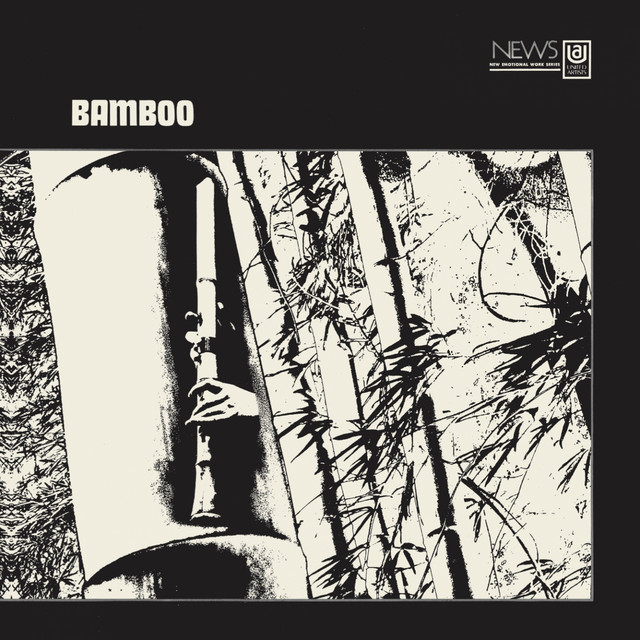
Bamboo
Minoru Muraoka 村岡実
Japanese Folk Music
East Asian Folk Music
Japanese Music
Similar artists
1
/5
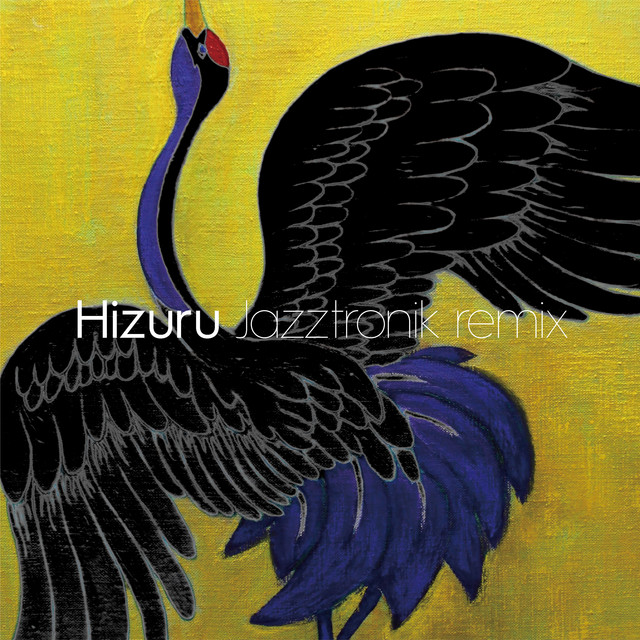
Hizuru
Jazz-Funk
Nu Jazz
Chamber Jazz
2
/5
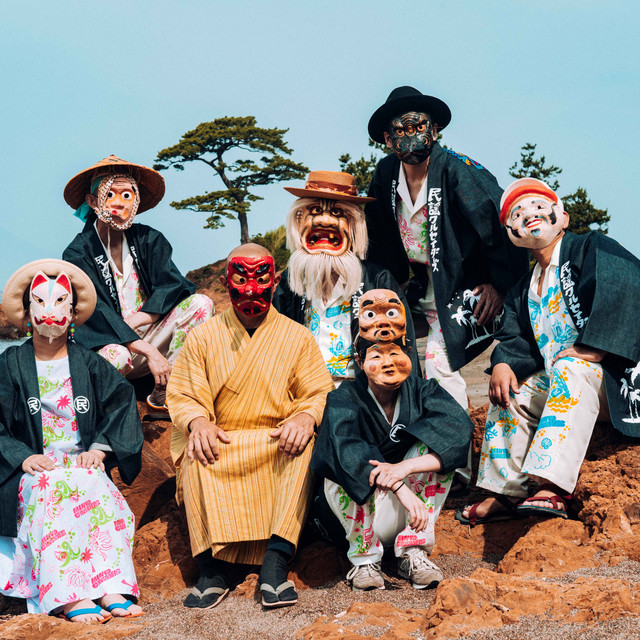
Minyo Crusaders
Cumbia
Electrocumbia
East Asian Folk Music
2
/5
Nonesuch Explorer Series
East Asian Classical Music
Japanese Music
East Asian Music
2
/5
芸能山城組
New Age
Tribal Ambient
Ambient
1
/5
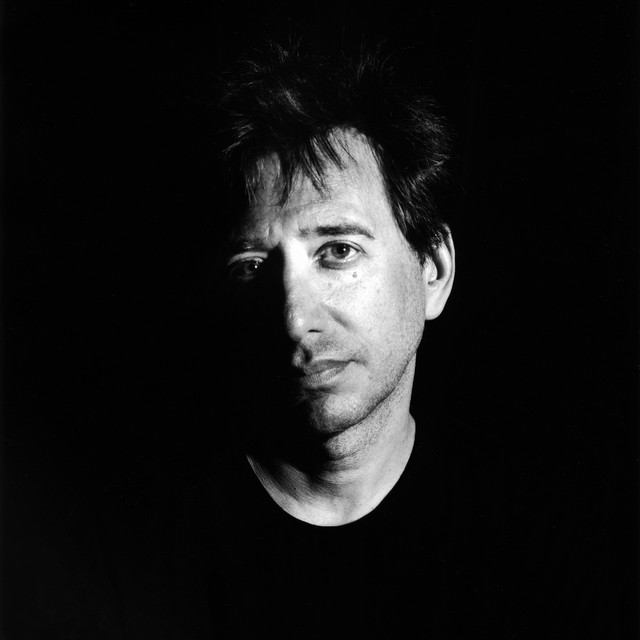
John Zorn
Avant-Garde Jazz
Free Improvisation
Jazz
1
/5
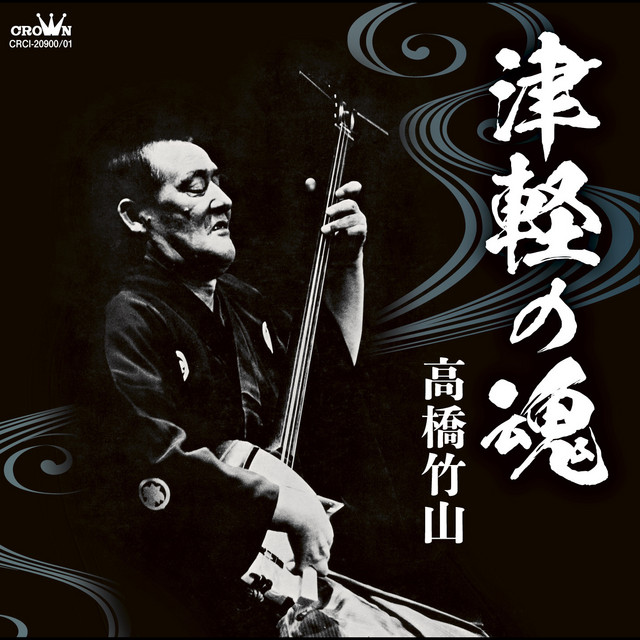
高橋 竹山
Enka
Traditional Folk
Traditional Music
1
/5
Kinshi Tsuruta
Japanese Classical
East Asian Classical Music
East Asian Folk Music
4
/5
Thundercat
Afrofuturism
Indie Soul
Chill Abstract Hip Hop
4
/5
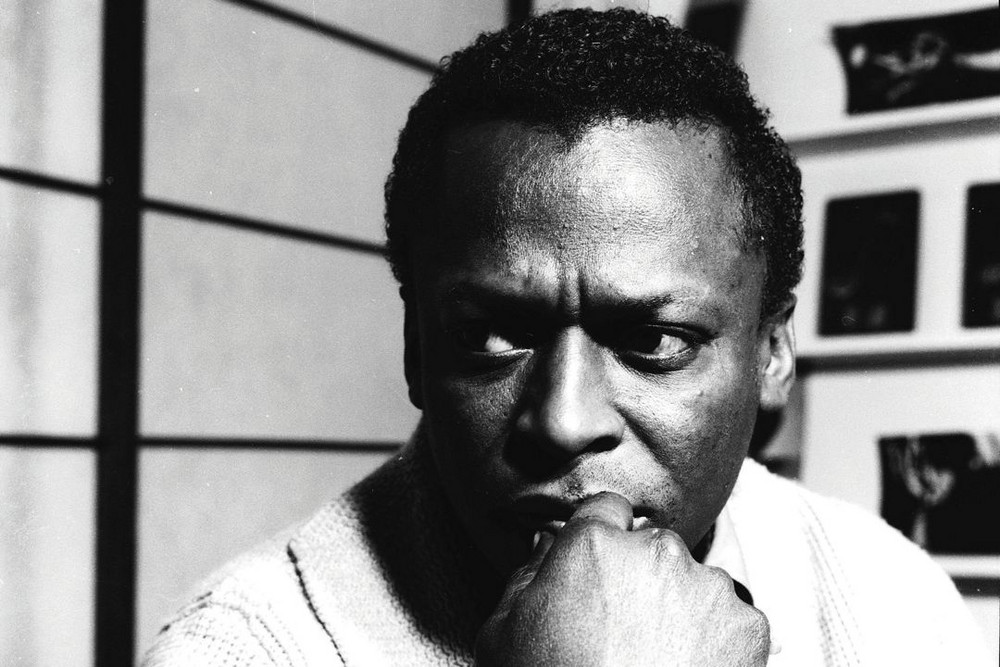
Miles Davis
Jazz
Jazz Fusion
Hard Bop
4
/5
Masayoshi Takanaka
Jazz Fusion
Jazz-Funk
City Pop
Download our mobile app
Get the Melodigging app and start digging for new genres on the go
Download on the App Store
Get it on Google Play
© 2026 Melodigging
Give feedback
Legal
Melodding was created as a tribute to
Every Noise at Once
, which inspired us to help curious minds keep digging into music's ever-evolving genres.