Genres
Artists
Albums
Make Music
Sign in
Sign in
Artists
Noise
Artists
Noise
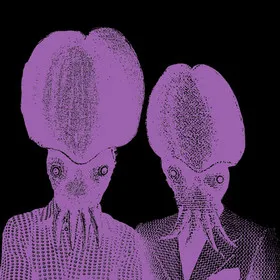
Mindflayer
2004–2005
·
4 albums
Listen
1
/5
Genres
Fort Thunder Scene
The Fort Thunder scene refers to a mid/late‑1990s DIY art‑and‑noise community centered around the Fort Thunder warehouse in Providence, Rhode Island. It fused blistering noise rock, no wave abrasion, hardcore punk energy, and comic‑book/screen‑print visual culture into immersive floor‑level performances. Musically, it favored maximal volume, distorted bass guitar (often the only stringed instrument), hyperactive polyrhythmic drumming, clattering electronics, contact‑miked objects, and improvised/through‑composed structures that prized texture and momentum over conventional harmony. Aesthetically, shows were carnivalesque: masks and costumes, hand‑silkscreened posters, projections, and sculptural set pieces turned concerts into total environments. Although place‑specific, the Fort Thunder scene became a shorthand for a raw, ecstatic, visual‑arts‑driven strain of American noise/experimental rock that spread via touring, zines, tapes, and labels like Load Records.
Discover
Listen
Noise Rock
Noise rock is a subgenre of rock that deliberately embraces distortion, feedback, dissonance, and abrasive textures as primary musical materials rather than mere effects. It prioritizes timbre, volume, and sonic density over conventional melody and harmony, often using nonstandard tunings, prepared or detuned guitars, and extended techniques to generate harsh overtones and sheets of sound. Rhythm sections tend to be driving and repetitive, anchoring the chaos with motorik pulses, lurching grooves, or pummeling, minimal patterns. Vocals range from spoken and murmured to shouted and cathartic, with lyrics that skew cryptic, confrontational, or surreal. Aesthetically, noise rock traces a line from punk’s anti-virtuosity and DIY ethos through no wave’s iconoclasm and the avant-garde’s interest in sound-as-sound, yielding music that can be physically intense, psychologically unsettling, and artistically exploratory.
Discover
Listen
Indie Rock
Indie rock is a subgenre of rock and a branch of alternative rock that coalesced in the early–mid 1980s around independent labels and DIY practices in the United Kingdom, the United States, and New Zealand. Defined less by a single sound than by an ethos, indie rock favors non‑mainstream approaches, self‑recording and small‑label distribution, and an interest in pop‑informed melody and eclectic experimentation. Hallmarks include jangly or fuzzed guitars, intimate or deadpan vocals, off‑kilter song structures, and production that often preserves a raw, “authentic” feel rather than glossy studio polish.
Discover
Listen
Noise
Noise is an experimental music genre that uses non-traditional sound sources, distortion, feedback, and extreme dynamics as primary musical materials. Instead of emphasizing melody, harmony, or conventional rhythm, it focuses on texture, density, timbre, and the physical presence of sound. Practitioners sculpt saturated walls of sound, piercing feedback, metallic clatter, contact-mic scrapes, tape hiss, and electronic interference into works that can be confrontational or meditative. Performances often highlight process and immediacy—improvisation, body movement, and site-specific acoustics—while recordings can range from lo-fi cassette overload to meticulously layered studio constructions. Though rooted in early avant-garde ideas, the genre coalesced as a distinct practice in the late 1970s and 1980s, especially through Japan’s ‘Japanoise’ scene, and subsequently influenced numerous styles across industrial, punk-adjacent, and experimental electronic music.
Discover
Listen
Rock
Rock is a broad family of popular music centered on amplified instruments, a strong backbeat, and song forms that foreground riffs, choruses, and anthemic hooks. Emerging from mid‑20th‑century American styles like rhythm & blues, country, and gospel-inflected rock and roll, rock quickly expanded in scope—absorbing folk, blues, and psychedelic ideas—while shaping global youth culture. Core sonic markers include electric guitar (often overdriven), electric bass, drum kit emphasizing beats 2 and 4, and emotive lead vocals. Rock songs commonly use verse–chorus structures, blues-derived harmony, and memorable melodic motifs, ranging from intimate ballads to high‑energy, stadium‑sized performances.
Discover
Listen
Albums
2005
1
/5
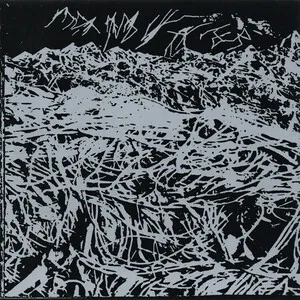
Expedition to the Hairier Peaks
Mindflayer
Fort Thunder Scene
2004
1
/5
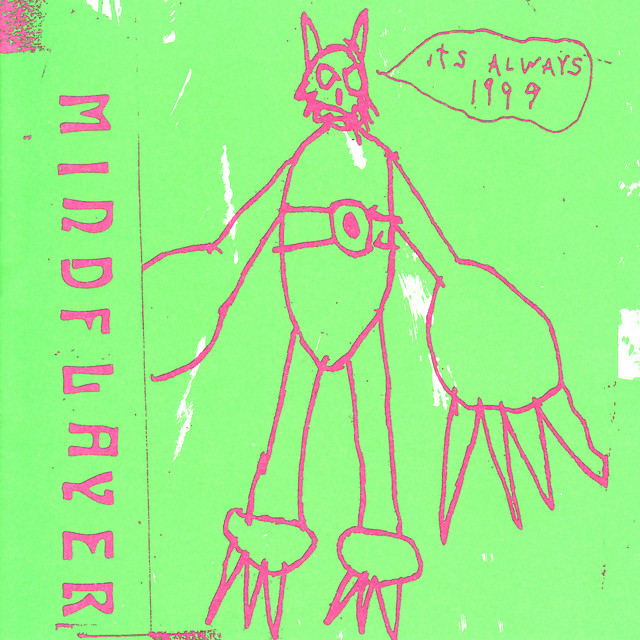
It's Always 1999
Mindflayer
Fort Thunder Scene
Indie Rock
Noise
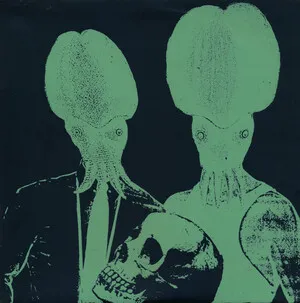
Die & Mold Services
Mindflayer
Fort Thunder Scene
Take Your Skin Off
Mindflayer
Fort Thunder Scene
Similar artists
1
/5
Arab On Radar
Noise
Fort Thunder Scene
Mathcore
1
/5
Various Artists
Afro-Funk
Alternative Rock
Ambient
1
/5
U.S. Maple
Math Rock
Chicago No Wave
Rock
2
/5
Prurient
Industrial
Noise
Fort Thunder Scene
3
/5
Boris
Gaian Doom
Drone
Drone Metal
2
/5
Melt-Banana
Noise
Noise Rock
Noisecore
2
/5
Brainbombs
Noise
Power Electronics
Garage Rock
2
/5
Lightning Bolt
Noise Rock
Math Rock
Brutal Prog
1
/5
Ruins
Brutal Prog
Math Rock
Noise Rock
1
/5
Yowie
Brutal Prog
Avant-Garde
Experimental
Download our mobile app
Get the Melodigging app and start digging for new genres on the go
Download on the App Store
Get it on Google Play
© 2026 Melodigging
Give feedback
Legal
Melodding was created as a tribute to
Every Noise at Once
, which inspired us to help curious minds keep digging into music's ever-evolving genres.