Genres
Artists
Albums
Make Music
Sign in
Sign in
Artists
Country
Artists
Country
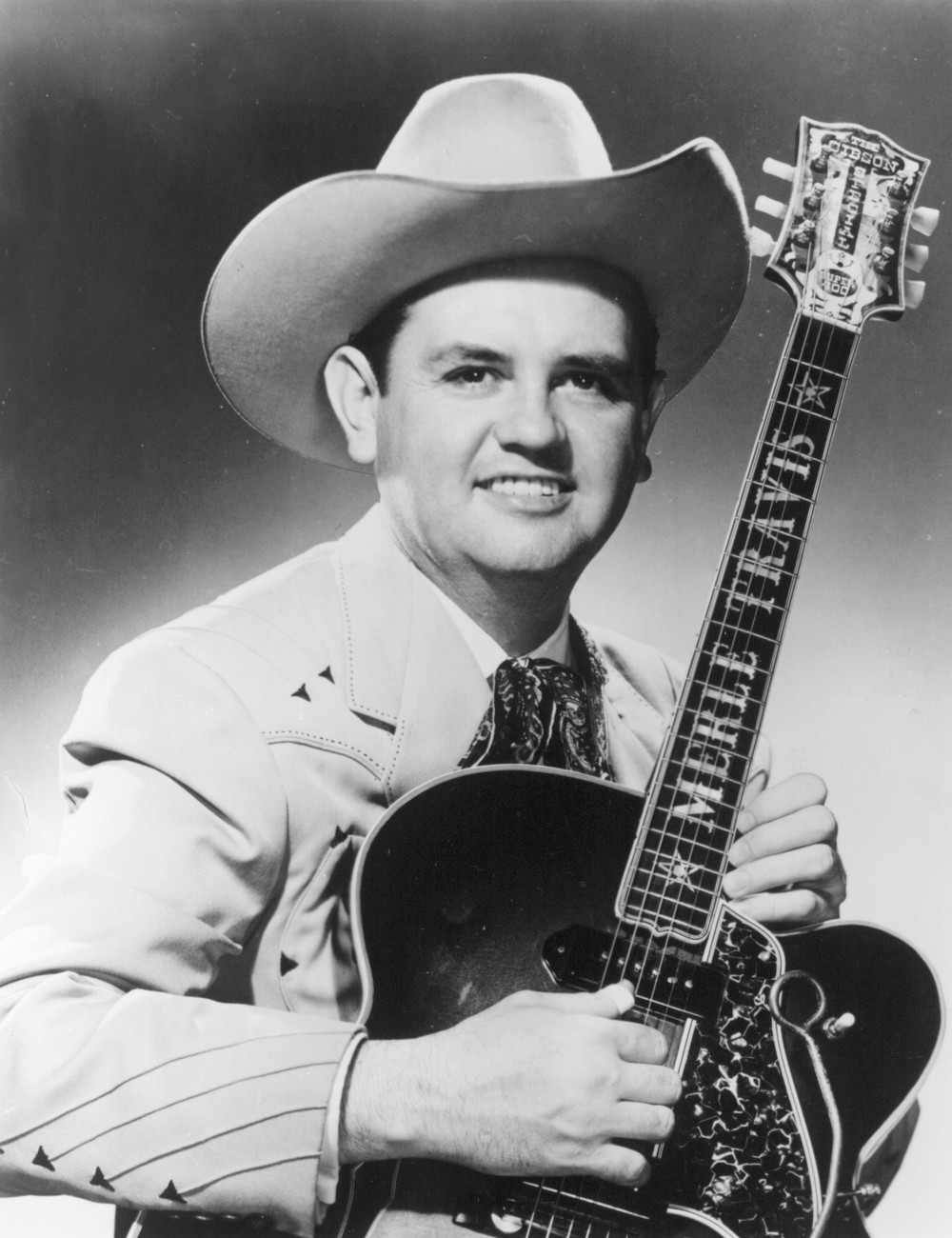
Merle Travis
1947–2004
·
4 albums
Listen
2
/5
Genres
The Wave
The Wave is a loosely defined cluster of American post-hardcore/emo bands that surged in the early 2010s as emo-pop’s mainstream moment faded. The name was a tongue‑in‑cheek scene tag that stuck in press coverage, but it points to a real overlap in sound, ethos, and touring networks. Musically, The Wave fuses the urgency of 1990s post‑hardcore and screamo with confessional, literate lyric writing associated with emo. Expect shouted or half‑sung/half‑spoken vocals, dynamic quiet‑loud builds, intricate but driving drums, and guitar textures that shift between glassy clean arpeggios and overdriven, emotive climaxes. The songs often emphasize catharsis, narrative detail, and community-minded DIY presentation.
Discover
Listen
Country Folk
Country folk is a hybrid of American country music and the acoustic, narrative-driven traditions of folk. It emphasizes intimate songwriting, uncluttered arrangements, and roots instrumentation while retaining the plainspoken storytelling and melodic directness of country. Compared with country rock, country folk is typically quieter, more acoustic, and less rhythm-section heavy. It foregrounds lyrics, fingerpicked guitar, and warm, organic timbres such as fiddle, pedal steel, banjo, and upright or lightly played electric bass. The result is a style that feels reflective, pastoral, and personal, with songs that travel easily between front-porch simplicity and studio polish.
Discover
Listen
Bluegrass
Bluegrass is a style of American roots music that coalesced in the Appalachian region in the 1940s around Bill Monroe and his Blue Grass Boys. It is defined by all‑acoustic instrumentation (typically fiddle, mandolin, 5‑string banjo, guitar, and upright bass, with dobro often added), virtuosic ensemble interplay, and a distinctive “high lonesome” lead vocal timbre supported by tight three‑part harmonies. Musically, bluegrass fuses African American blues and jazz phrasing with Anglo‑Celtic ballads and dance tunes. Hallmarks include driving tempos, syncopated 3‑finger banjo rolls (popularized by Earl Scruggs), off‑beat mandolin “chop” backbeats, boom‑chuck guitar rhythm, two‑beat bass, and alternating instrumental “breaks.” Repertoires mix breakdowns and fiddle tunes with narrative ballads, gospel numbers, and contemporary songwriter material.
Discover
Listen
Classic Country
Classic country refers to the traditional sound of American country music established from the 1940s through the 1970s, before the genre’s heavy pop crossover of later decades. It foregrounds storytelling, plainspoken vocals, and clean, twangy instrumentation such as acoustic guitar, Telecaster-style electric guitar, fiddle, pedal steel, upright or electric bass, piano, and restrained drums. Hallmark rhythms include the two-step (in 2/4), the steady 4/4 shuffle, the “train beat,” and the country waltz (3/4). Harmony is typically diatonic and rooted in I–IV–V progressions with occasional secondary dominants and simple turnarounds. Lyrically, classic country centers on love and heartache, rural and working-class life, faith, family, drinking and redemption, and the open road. Production is intimate and voice-forward, ranging from the raw honky-tonk bar-band feel to the smoother Nashville sound with tasteful strings and backing vocals.
Discover
Listen
Country Boogie
Country boogie (often called "hillbilly boogie") is a high-energy, dance-oriented strain of country music built on boogie‑woogie rhythms and bluesy harmony. It features driving bass lines, chugging rhythm guitars, and prominent boogie piano or lead guitar figures that create an eight-to-the-bar feel. Emerging in the mid‑to‑late 1940s, it blended the swing of Western swing bands with rural country songcraft and the rhythmic insistence of boogie‑woogie and blues. Its streamlined, uptempo sound and backbeat accents helped pave the way for rockabilly and early rock and roll.
Discover
Listen
Western Swing
Western swing is a dance-band hybrid that fuses prewar country string-band music with the rhythmic drive and improvisational language of jazz and swing. Born in Texas and Oklahoma dance halls, it features fiddles and steel guitar up front, a strong rhythm section, and frequent horn parts, producing an exuberant, toe-tapping sound meant for two-steps, shuffles, and waltzes. Unlike most early country styles, western swing embraces extended jazz harmonies, walking bass lines, and instrumental solos, often over 12‑bar blues or 32‑bar AABA song forms. Amplified guitars, non‑pedal steel (later pedal steel), piano, and drums gave the music a powerful, urban polish while keeping a distinctly Western flavor in melodies, repertoire, and themes.
Discover
Listen
Folk
Folk is a song-centered acoustic tradition rooted in community storytelling, everyday life, and social history. It emphasizes clear melodies, simple harmonies, and lyrics that foreground narrative, protest, and personal testimony. As a modern recorded genre, folk coalesced in the early-to-mid 20th century in the United States out of older ballad, work song, and rural dance traditions. It typically features acoustic instruments (guitar, banjo, fiddle, mandolin, harmonica), strophic song forms, and participatory singing (choruses, call-and-response).
Discover
Listen
Country
Country is a roots-based popular music from the rural American South that blends Anglo-Celtic ballad traditions with African American blues, gospel, and string-band dance music. It is characterized by narrative songwriting, plainspoken vocals with regional twang, and a palette of acoustic and electric instruments such as acoustic guitar, fiddle, banjo, pedal steel, and telecaster guitar. Rhythmically it favors two-step feels, train beats, shuffles, and waltzes, while harmony is largely diatonic (I–IV–V) with occasional country chromaticism and secondary dominants. Across a century, country has evolved through substyles like honky-tonk, the Nashville and Bakersfield sounds, outlaw country, neotraditionalist revivals, pop-country, and country-rap hybrids, but it consistently prioritizes storytelling about everyday life, love, work, faith, place, and identity.
Discover
Listen
Traditional Country
Traditional country is a roots-oriented branch of country music that preserves the acoustic timbres, plainspoken storytelling, and danceable rhythms of early "hillbilly" and honky-tonk styles. It favors fiddles, acoustic and steel guitars, upright bass, and modest percussion, with melodies and harmonies grounded in Anglo-American folk, gospel, and blues. Songs typically revolve around everyday life—love, heartbreak, faith, work, and small-town or rural experience—delivered with an unadorned, emotive vocal style. As a practice and ethos, traditional country resists pop sheen and elaborate production, emphasizing live ensemble interplay, two-step and waltz feels, and concise verse–chorus forms. Its sound is closely associated with the Grand Ole Opry era, barn-dance radio, and mid‑century jukebox honky-tonks.
Discover
Listen
Piedmont Blues
Piedmont blues is an East Coast style of acoustic blues defined first and foremost by its guitar technique. Players use a steady, alternating-thumb bass on the lower strings while the index (and sometimes middle) finger picks syncopated melodies on the treble strings. The resulting texture imitates ragtime or stride piano: a walking/oom‑pah bass underpinning a dancing, off‑beat melody on top. Developed in the southern Appalachian foothills and the broader U.S. East Coast, the style favors clear, song‑like melodies, buoyant rhythms, and a repertoire that ranges from blues and hokum to gospel and dance tunes. Blues researcher Peter B. Lowry coined the term “Piedmont blues,” sharing credit with folklorist Bruce Bastin, to distinguish this ragtime‑based, melodically oriented approach from the more riff‑driven, modal feel of Mississippi Delta blues.
Discover
Listen
Ragtime
Ragtime is an African American–rooted piano style that flourished from the 1890s to the 1910s, characterized by lively syncopation in the right hand against a steady, march-like “oom‑pah” accompaniment in the left hand. Typically written in 2/4 or 4/4 time and notated with straight (unswung) eighth notes, classic rags unfold in multiple 16‑bar strains, often in the form AABBACCDD. The music draws on cakewalk rhythms, marching-band forms, and popular song, and it became a sensation through sheet music, piano rolls, and parlor performance. Scott Joplin, known as the “King of Ragtime,” helped codify the genre’s refined, compositional approach, calling for moderate tempos and a clear, singing melody. Beyond solo piano, ragtime was arranged for small ensembles and orchestras, found a home in vaudeville and dance halls, and laid essential groundwork for early jazz, stride piano, and much of 20th‑century American popular music.
Discover
Listen
Show all 11 genres
Albums
2004
2
/5
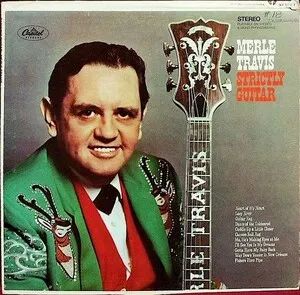
Strictly Guitar
Merle Travis
Country Boogie
Country
1960
1
/5
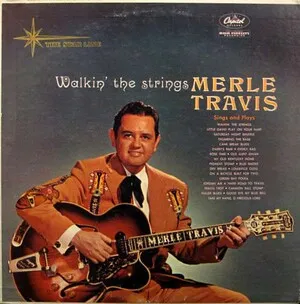
Walkin' the Strings
Merle Travis
Country Boogie
1956
2
/5
The Merle Travis Guitar
Merle Travis
Western Swing
Piedmont Blues
Country
1947
2
/5
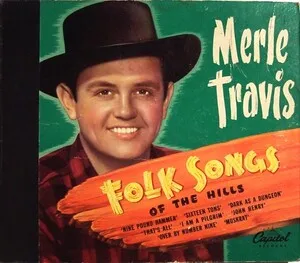
Folk Songs of the Hills
Merle Travis
Traditional Country
Country
Folk
Similar artists
4
/5
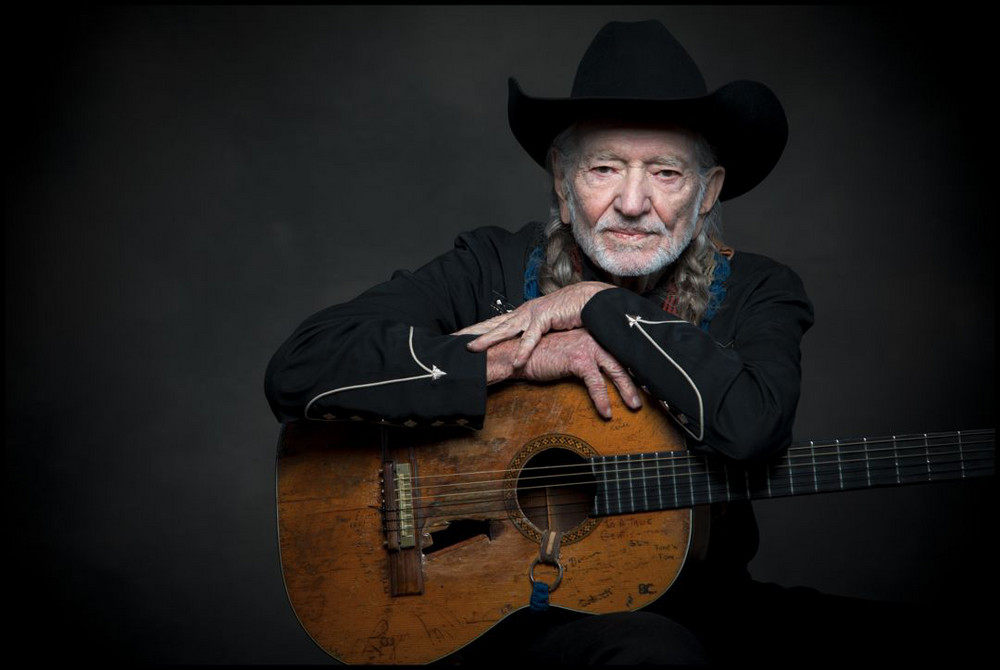
Willie Nelson
Country
Nashville Sound
Outlaw Country
3
/5
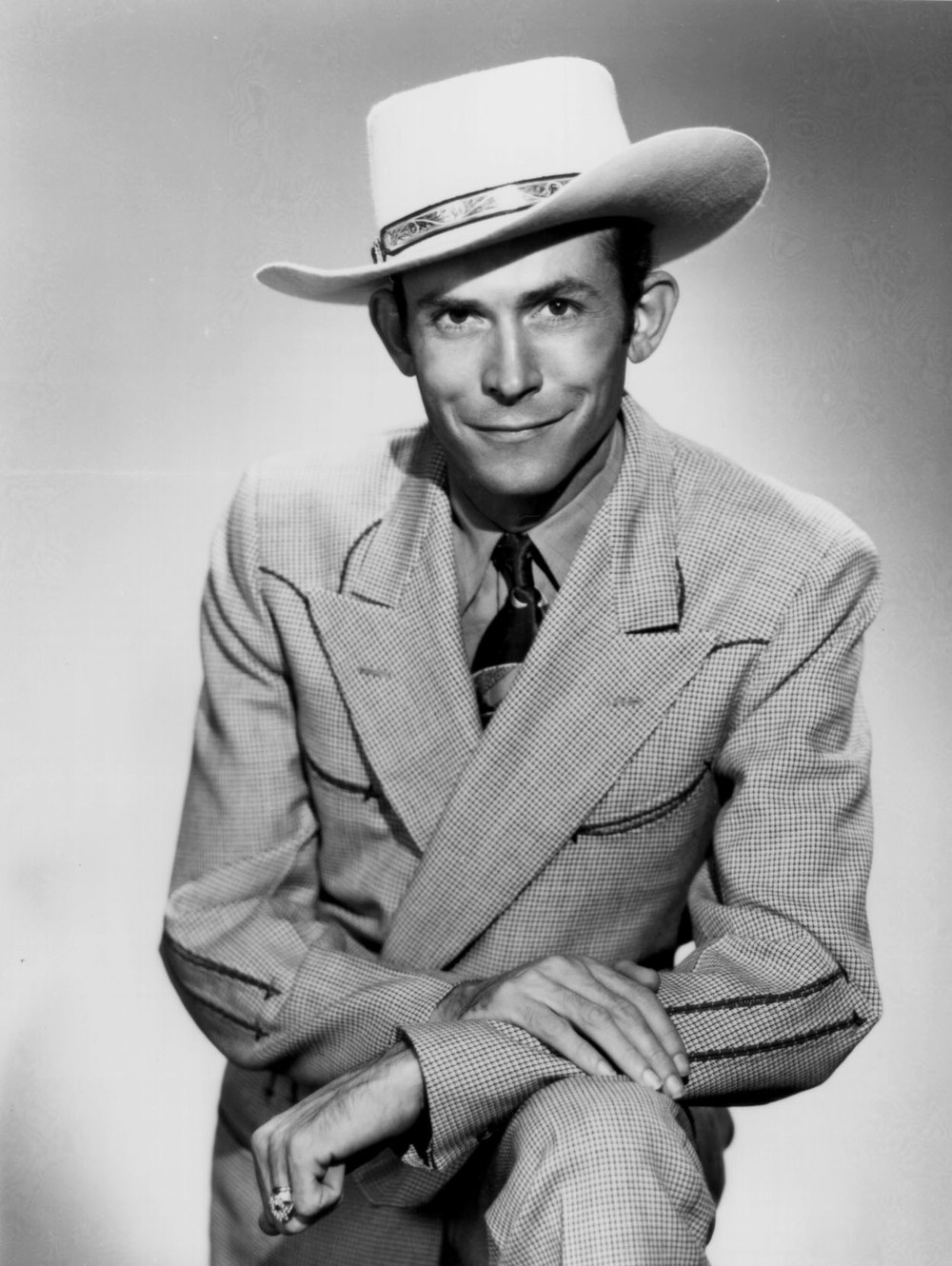
Hank Williams
Yodeling
Country
Traditional Country
4
/5
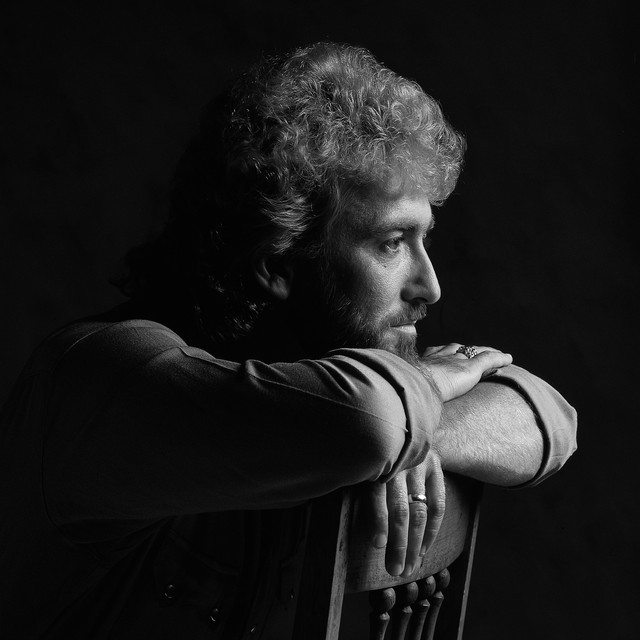
Keith Whitley
Country
Traditional Country
Boyfriend Country
4
/5
Buck Owens
Country
Bakersfield Sound
Honky Tonk
3
/5
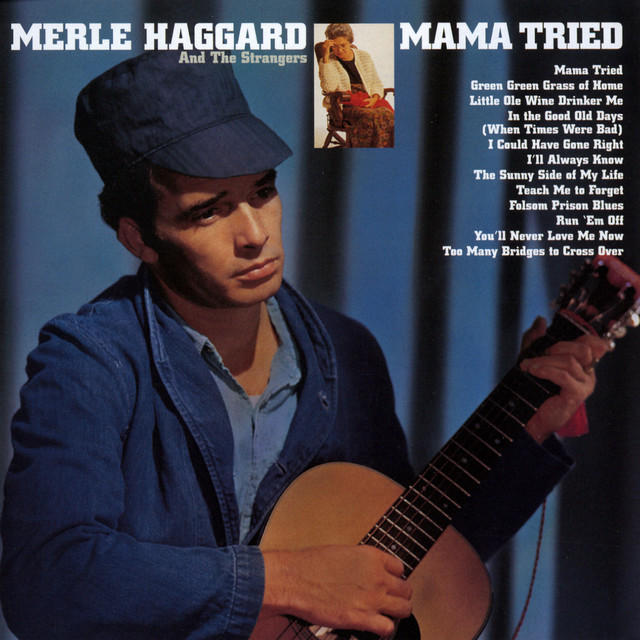
Merle Haggard & The Strangers
Country
Traditional Country
Honky Tonk
3
/5
Asleep At The Wheel
Western Swing
Country
Country Rock
4
/5
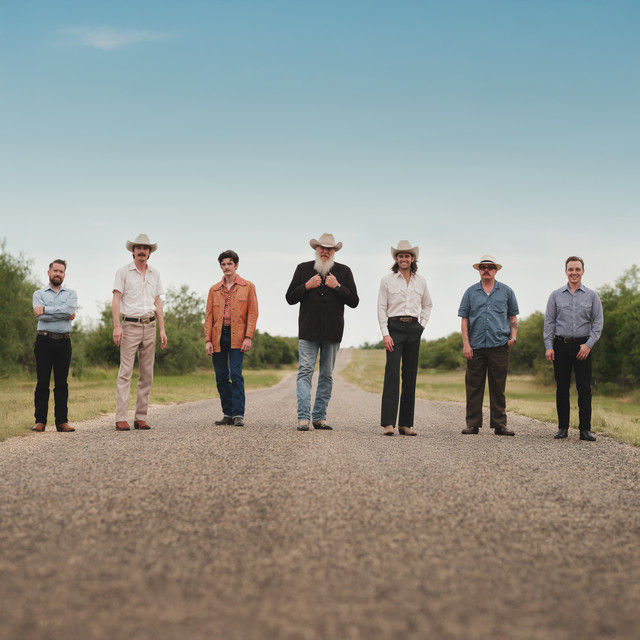
Nitty Gritty Dirt Band
Country Rock
Bluegrass
Country
3
/5
Tennessee Ernie Ford
Country Boogie
Yodeling
Country Gospel
3
/5
Ray Price
Honky Tonk
Traditional Country
Classic Country
2
/5
The Louvin Brothers
Appalachian Folk
Country Gospel
Close Harmony
Download our mobile app
Get the Melodigging app and start digging for new genres on the go
Download on the App Store
Get it on Google Play
© 2026 Melodigging
Give feedback
Legal
Melodding was created as a tribute to
Every Noise at Once
, which inspired us to help curious minds keep digging into music's ever-evolving genres.