Genres
Artists
Albums
Make Music
Sign in
Sign in
Artists
Appalachian Folk
Artists
Appalachian Folk
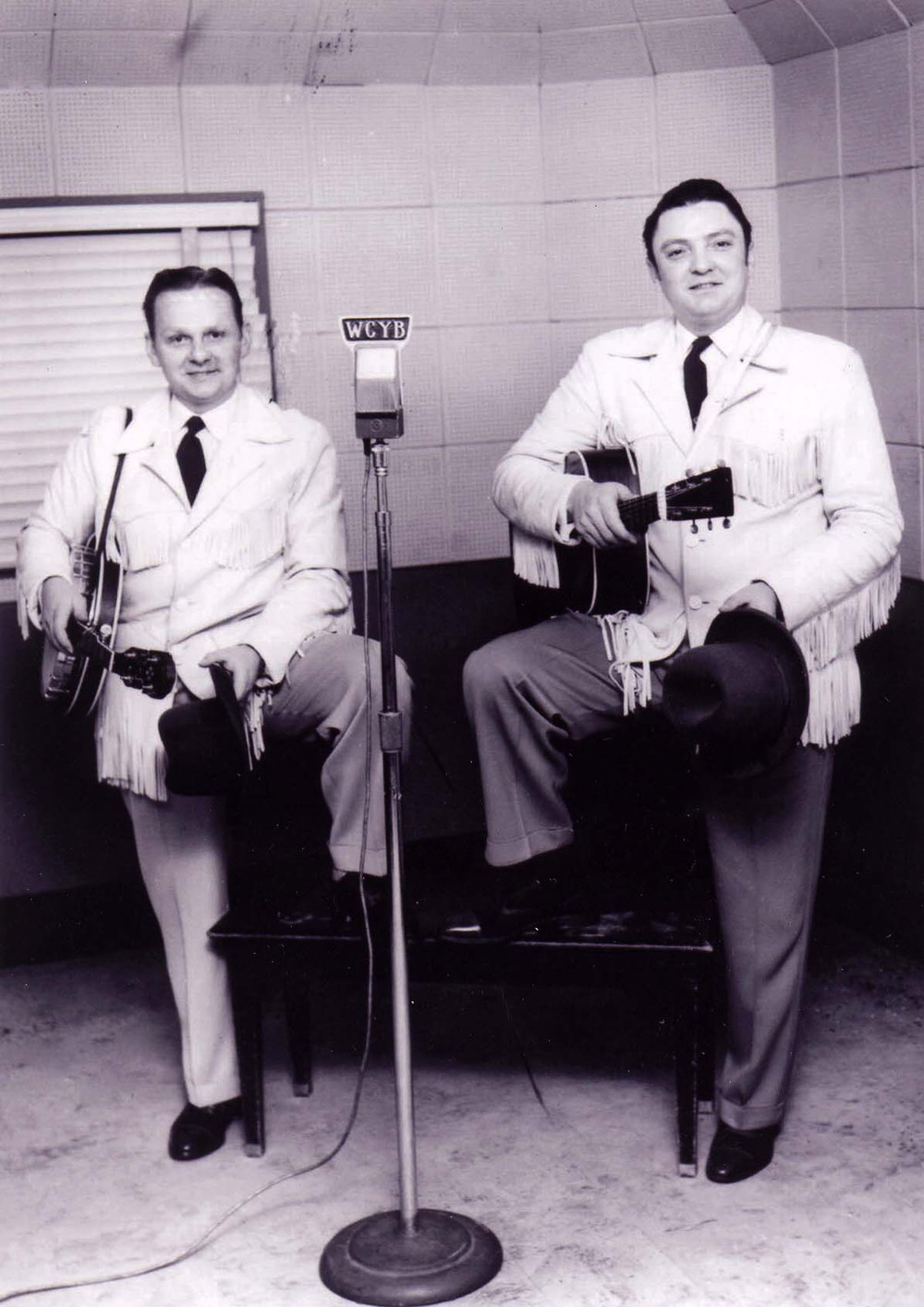
The Louvin Brothers
1959–2021
·
12 albums
Listen
2
/5
Genres
Christian Country
Christian country is a country-music style whose lyrics explicitly express Christian faith, testimony, and biblical storytelling while retaining the sounds and songcraft of mainstream country. It blends the twang of acoustic and electric guitars, pedal steel, fiddle, and piano with warm vocal harmonies rooted in southern gospel. The genre ranges from traditional honky-tonk and bluegrass-flavored arrangements to contemporary Nashville productions and pop-country ballads. Songs emphasize hope, redemption, family, community, and everyday spirituality, often presented as first‑person narratives or moral parables.
Discover
Listen
Bluegrass
Bluegrass is a style of American roots music that coalesced in the Appalachian region in the 1940s around Bill Monroe and his Blue Grass Boys. It is defined by all‑acoustic instrumentation (typically fiddle, mandolin, 5‑string banjo, guitar, and upright bass, with dobro often added), virtuosic ensemble interplay, and a distinctive “high lonesome” lead vocal timbre supported by tight three‑part harmonies. Musically, bluegrass fuses African American blues and jazz phrasing with Anglo‑Celtic ballads and dance tunes. Hallmarks include driving tempos, syncopated 3‑finger banjo rolls (popularized by Earl Scruggs), off‑beat mandolin “chop” backbeats, boom‑chuck guitar rhythm, two‑beat bass, and alternating instrumental “breaks.” Repertoires mix breakdowns and fiddle tunes with narrative ballads, gospel numbers, and contemporary songwriter material.
Discover
Listen
Classic Country
Classic country refers to the traditional sound of American country music established from the 1940s through the 1970s, before the genre’s heavy pop crossover of later decades. It foregrounds storytelling, plainspoken vocals, and clean, twangy instrumentation such as acoustic guitar, Telecaster-style electric guitar, fiddle, pedal steel, upright or electric bass, piano, and restrained drums. Hallmark rhythms include the two-step (in 2/4), the steady 4/4 shuffle, the “train beat,” and the country waltz (3/4). Harmony is typically diatonic and rooted in I–IV–V progressions with occasional secondary dominants and simple turnarounds. Lyrically, classic country centers on love and heartache, rural and working-class life, faith, family, drinking and redemption, and the open road. Production is intimate and voice-forward, ranging from the raw honky-tonk bar-band feel to the smoother Nashville sound with tasteful strings and backing vocals.
Discover
Listen
Honky Tonk
Honky tonk is a hard-edged, barroom strain of country music built for noisy dancehalls and roadside beer joints. It emphasizes a strong backbeat, simple I–IV–V harmony, and vivid storytelling about heartbreak, drinking, cheating, and working-class life. Sonically, it features twangy electric (often Telecaster) guitar, crying pedal steel or lap steel, fiddle, pounding honky-tonk piano with boogie-woogie figures, upright or electric bass, and a steady shuffle or two-step drum groove. Vocals are direct and emotive, often with a nasal twang and blue-note inflections, designed to cut through a lively room. Amplification and a danceable feel are central, reflecting its origins in Texas and Oklahoma bars after Prohibition, where musicians needed volume, rhythmic drive, and memorable hooks to reach listeners over clinking glasses and conversation.
Discover
Listen
Country Gospel
Country gospel is a devotional branch of country music that weds rural American songcraft to Christian message and testimony. It features acoustic-forward instrumentation (guitars, fiddle, banjo, mandolin, piano, pedal steel), plainspoken storytelling, and close vocal harmony drawn from shape-note singing and church quartets. Songs typically use simple, singable melodies and diatonic progressions in verse–chorus forms, emphasizing themes of salvation, hardship, hope, gratitude, and moral reflection. Popularized on early radio and barn-dance programs, it has remained a staple of country repertoire—from family groups and harmony duos to solo artists who intersperse sacred material within country albums and concerts.
Discover
Listen
Close Harmony
Close harmony (in the traditional country sense) is a duet style built on two voices singing in tight intervals—often thirds and sixths—so that the parts sit “close” within a narrow span, usually less than an octave. In country music, it became synonymous with brother duets: sibling pairs who sang in parallel or counter‑motion with nearly identical timbres, producing a seamless vocal blend. Typical accompaniment is sparse—most often one or two acoustic guitars, sometimes mandolin or fiddle—so the intertwined voices remain the focal point. The approach emphasizes direct, homespun storytelling about love, faith, rural life, and moral trials, drawing strongly from old‑time, gospel, shape‑note traditions, and barbershop, but rendered with a country lilt and back‑porch immediacy.
Discover
Listen
Western Swing
Western swing is a dance-band hybrid that fuses prewar country string-band music with the rhythmic drive and improvisational language of jazz and swing. Born in Texas and Oklahoma dance halls, it features fiddles and steel guitar up front, a strong rhythm section, and frequent horn parts, producing an exuberant, toe-tapping sound meant for two-steps, shuffles, and waltzes. Unlike most early country styles, western swing embraces extended jazz harmonies, walking bass lines, and instrumental solos, often over 12‑bar blues or 32‑bar AABA song forms. Amplified guitars, non‑pedal steel (later pedal steel), piano, and drums gave the music a powerful, urban polish while keeping a distinctly Western flavor in melodies, repertoire, and themes.
Discover
Listen
Traditional Country
Traditional country is a roots-oriented branch of country music that preserves the acoustic timbres, plainspoken storytelling, and danceable rhythms of early "hillbilly" and honky-tonk styles. It favors fiddles, acoustic and steel guitars, upright bass, and modest percussion, with melodies and harmonies grounded in Anglo-American folk, gospel, and blues. Songs typically revolve around everyday life—love, heartbreak, faith, work, and small-town or rural experience—delivered with an unadorned, emotive vocal style. As a practice and ethos, traditional country resists pop sheen and elaborate production, emphasizing live ensemble interplay, two-step and waltz feels, and concise verse–chorus forms. Its sound is closely associated with the Grand Ole Opry era, barn-dance radio, and mid‑century jukebox honky-tonks.
Discover
Listen
Country
Country is a roots-based popular music from the rural American South that blends Anglo-Celtic ballad traditions with African American blues, gospel, and string-band dance music. It is characterized by narrative songwriting, plainspoken vocals with regional twang, and a palette of acoustic and electric instruments such as acoustic guitar, fiddle, banjo, pedal steel, and telecaster guitar. Rhythmically it favors two-step feels, train beats, shuffles, and waltzes, while harmony is largely diatonic (I–IV–V) with occasional country chromaticism and secondary dominants. Across a century, country has evolved through substyles like honky-tonk, the Nashville and Bakersfield sounds, outlaw country, neotraditionalist revivals, pop-country, and country-rap hybrids, but it consistently prioritizes storytelling about everyday life, love, work, faith, place, and identity.
Discover
Listen
Gospel
Gospel is a vocal-centered Christian genre whose lyrics explicitly express faith, salvation, hope, and communal testimony. Performances emphasize expressive lead vocals, choirs, call-and-response, and congregational participation, often supported by piano/organ, handclaps, and a rhythm section. While the modern form coalesced in the early 20th century through urban church music and the work of composer–leaders such as Thomas A. Dorsey, its roots trace back to earlier Christian hymnody and African American sacred traditions. Across cultures and denominations, gospel functions in worship, evangelism, community celebration, and—by the late 20th century—in commercial recordings and concerts. Stylistically, gospel spans traditional quartet and choir styles, “gospel blues,” and contemporary fusions with R&B, soul, pop, and hip hop. What unites these strands are dominant vocals, testimonial lyrics grounded in Scripture and lived experience, and a performance practice designed to move both spirit and body.
Discover
Listen
Appalachian Folk
Appalachian folk is a traditional music of the Appalachian Mountains in the eastern United States, shaped by Scots-Irish and English balladry, African American musical practices (especially the banjo and work songs), and sacred singing traditions. It centers on narrative ballads, dance tunes (reels, breakdowns, waltzes), and hymns, typically performed with fiddle, clawhammer banjo, voice, guitar, Appalachian dulcimer, and sometimes autoharp or mandolin. Melodies often use modal scales (Dorian, Mixolydian, Aeolian) and pentatonic figures, with strong rhythmic drive for square dances and flatfooting, as well as unaccompanied or sparsely accompanied ballads. The style is both communal and intimate—suitable for porches, kitchen gatherings, church singings, and dance halls—and it has been a major foundation for later American roots genres like old-time, bluegrass, country, and Americana.
Discover
Listen
Show all 11 genres
Albums
2021
2
/5
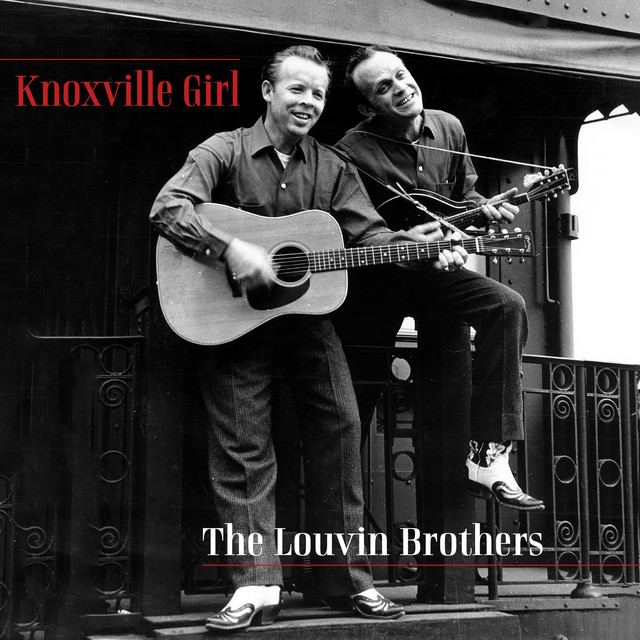
Knoxville Girl
The Louvin Brothers
Appalachian Folk
2020
1
/5
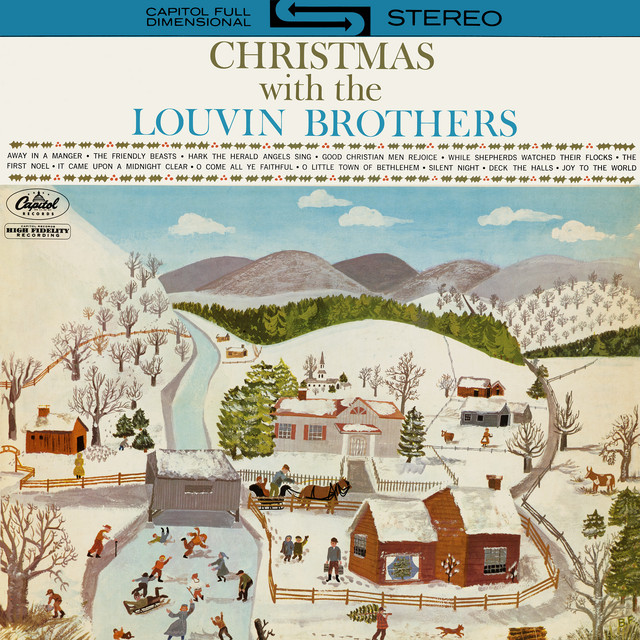
Christmas With The Louvin Brothers (Expanded Edition)
The Louvin Brothers
Appalachian Folk
2018
1
/5
Tragic Songs of Life
The Louvin Brothers
Close Harmony
2011
1
/5
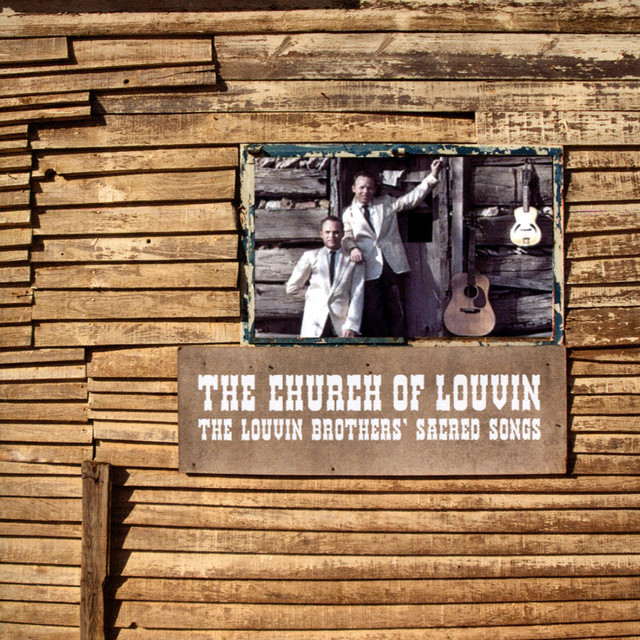
The Church of Louvin - The Louvin Brothers' Sacred Songs
The Louvin Brothers
Appalachian Folk
2007
2
/5
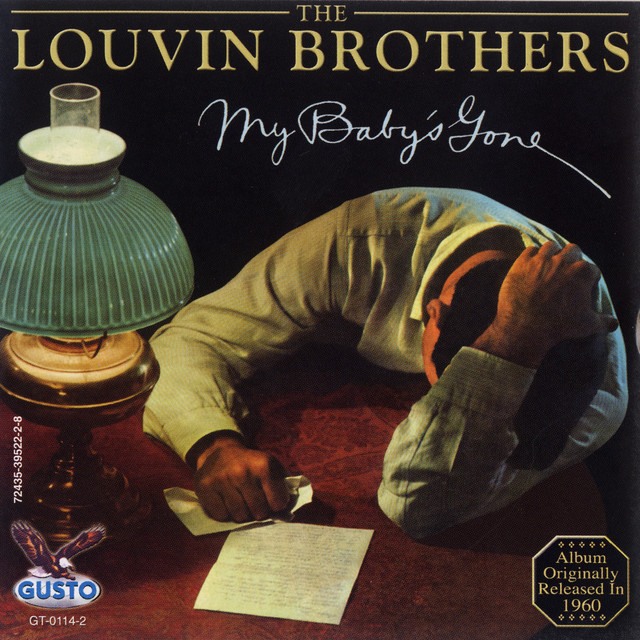
My Baby's Gone
The Louvin Brothers
Appalachian Folk
2007
1
/5
A Tribute to The Delmore Brothers
Ira and Charlie Louvin
Close Harmony
2007
2
/5
Nearer My God to Thee
The Louvin Brothers
Country Gospel
Close Harmony
1963
2
/5
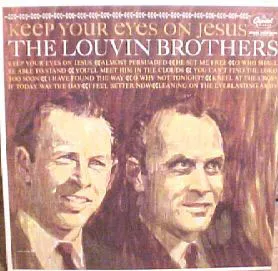
Keep Your Eyes on Jesus
The Louvin Brothers
Country Gospel
1962
2
/5
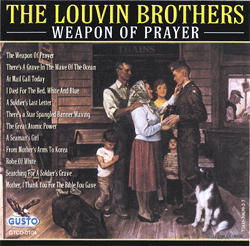
Weapon of Prayer
The Louvin Brothers
Country Gospel
Close Harmony
1960
2
/5
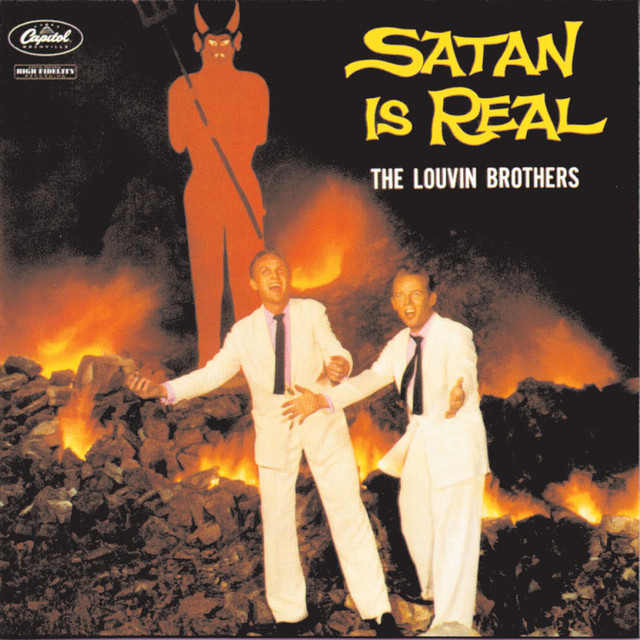
Satan Is Real
The Louvin Brothers
Close Harmony
Country Gospel
Traditional Country
1959
2
/5
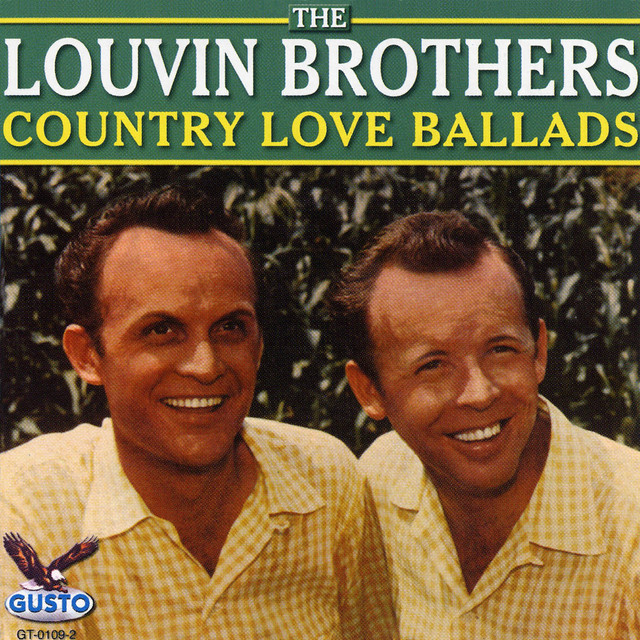
Country Love Ballads
The Louvin Brothers
Appalachian Folk
Close Harmony
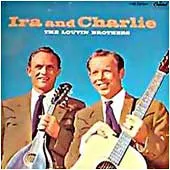
Ira and Charlie
The Louvin Brothers
Close Harmony
Similar artists
3
/5
The Stanley Brothers
Bluegrass
Bluegrass Gospel
Close Harmony
1
/5
Various Artists
Afro-Funk
Alternative Rock
Ambient
4
/5
Johnny Cash
Country
Rock
Country Gospel
4
/5
Randy Travis
Country
Country Gospel
Traditional Country
2
/5
Bill Monroe
Country Gospel
Bluegrass Gospel
Bluegrass
3
/5
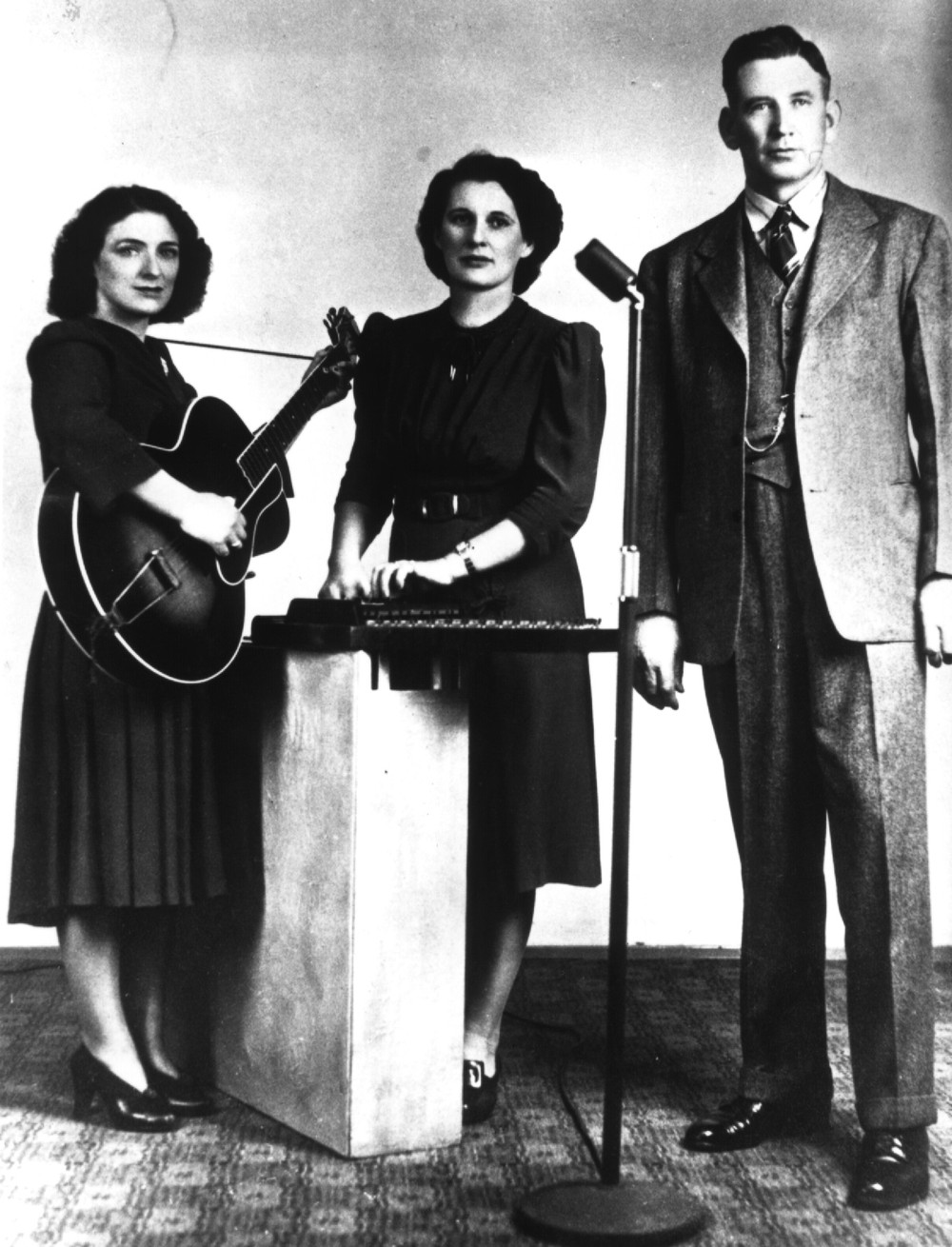
The Carter Family
Appalachian Folk
Traditional Country
Bluegrass
3
/5
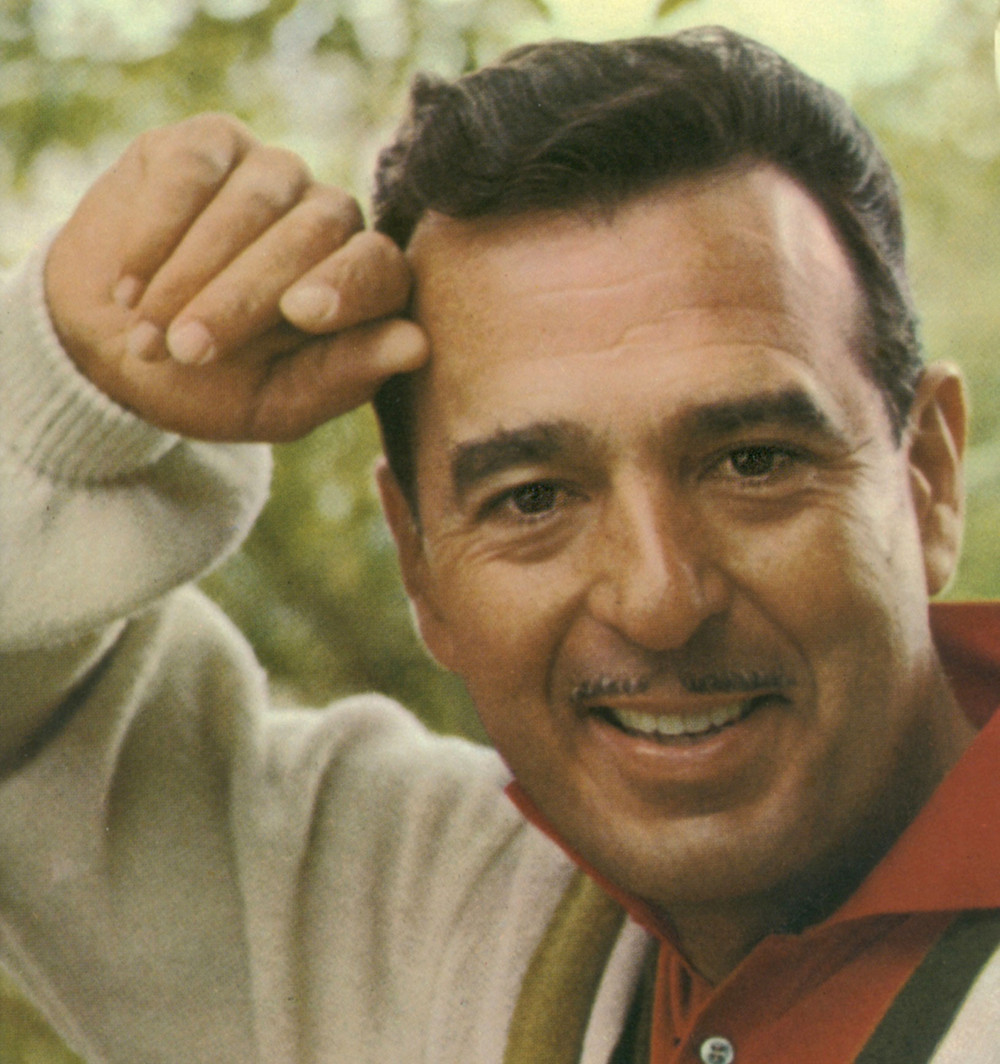
Tennessee Ernie Ford
Country Boogie
Yodeling
Country Gospel
4
/5
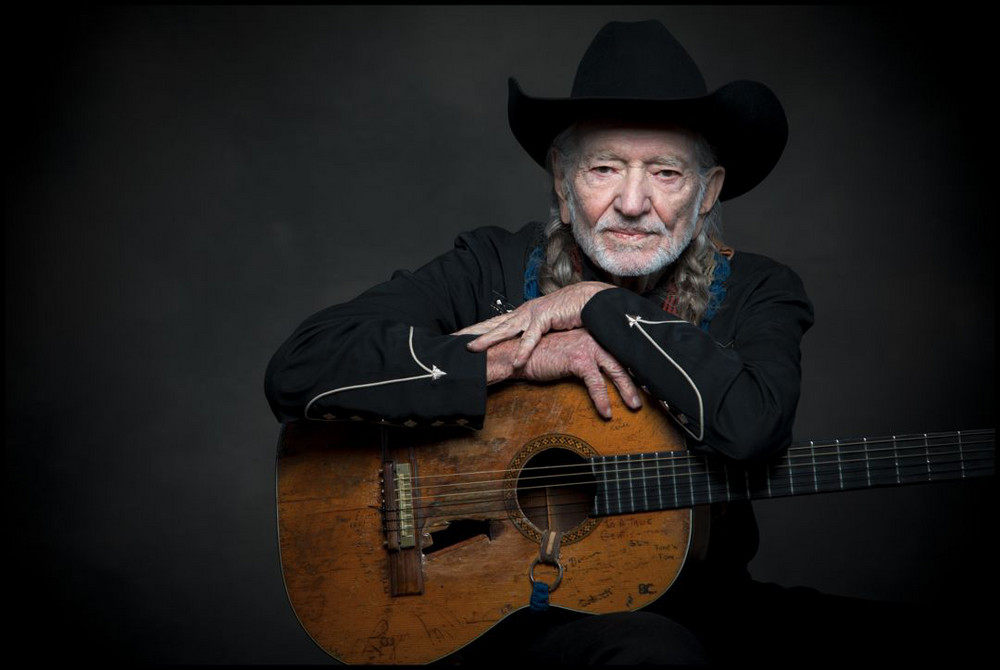
Willie Nelson
Country
Nashville Sound
Outlaw Country
2
/5
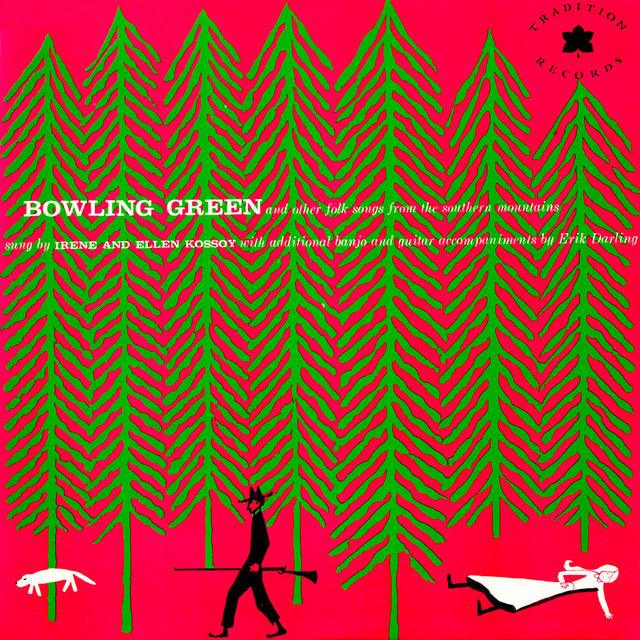
The Kossoy Sisters
Appalachian Folk
Bluegrass
Folk
3
/5
Loretta Lynn
Country
Christian Country
Classic Country
Download our mobile app
Get the Melodigging app and start digging for new genres on the go
Download on the App Store
Get it on Google Play
© 2026 Melodigging
Give feedback
Legal
Melodding was created as a tribute to
Every Noise at Once
, which inspired us to help curious minds keep digging into music's ever-evolving genres.