Genres
Artists
Albums
Make Music
Sign in
Sign in
Artists
Ghettotech
Artists
Ghettotech
MCR-T
2020–2024
·
8 albums
Listen
3
/5
Genres
Epadunk
Epadunk (also called raggardunk) is a Swedish party‑centric microgenre that fuses high‑energy electronic dance templates with blunt, humorous and often risqué lyrics about rural cruising culture, alcohol and sex. Its name references EPA/A‑tractors—heavily modified slow‑moving cars driven by Swedish teens—that blast these tracks through oversized sound systems. Musically it draws on EDM and 1990s Eurodance hooks, sing‑along choruses and booming, car‑audio‑friendly low end. Culturally it sits inside the youth “EPA” scene and raggare tradition, where showing off vehicles and bass is part of the lifestyle. The sound crossed over nationally in 2022 when several epadunk acts dominated Sweden’s streaming charts.
Discover
Listen
Latin Tech
Latin tech (often labeled Latin Tech on Beatport) is a modern, dance‑floor‑focused offshoot of tech house that foregrounds Latin American rhythmic vocabulary and timbres while keeping the sleek, driving 4/4 engine of tech house. Expect tight, minimal arrangements built around punchy kicks, syncopated percussion (congas, bongos, rimshots, güira), tumbao‑inspired bass motion and short, chant‑like Spanish or Portuguese vocal hooks. Compared with classic Latin house, Latin tech leans on the sound design, loop discipline and DJ‑friendly structure associated with tech house, prioritizing hypnotic grooves over harmonic complexity. Producers and DJs from across Latin America helped consolidate the sound, and in the early‑to‑mid‑2020s Beatport formalized the tag as a dedicated subgenre within Tech House.
Discover
Listen
Liquid Riddim
Liquid riddim is a melodic, atmospheric strain of riddim dubstep that fuses the sparse, half‑time bounce and call‑and‑response bass writing of riddim with the lush pads, emotive chord progressions, and airy textures of liquid drum and bass. Compared with heavier festival riddim, liquid riddim favors fluid, legato bass timbres, glassy arpeggios, and generous reverb and delay. The result is a sound that remains dance‑floor friendly at 140 BPM yet leans introspective, dreamy, and sentimental, often using water‑like foley, silky supersaw layers, and soft vocal chops to enhance its “liquid” aesthetic.
Discover
Listen
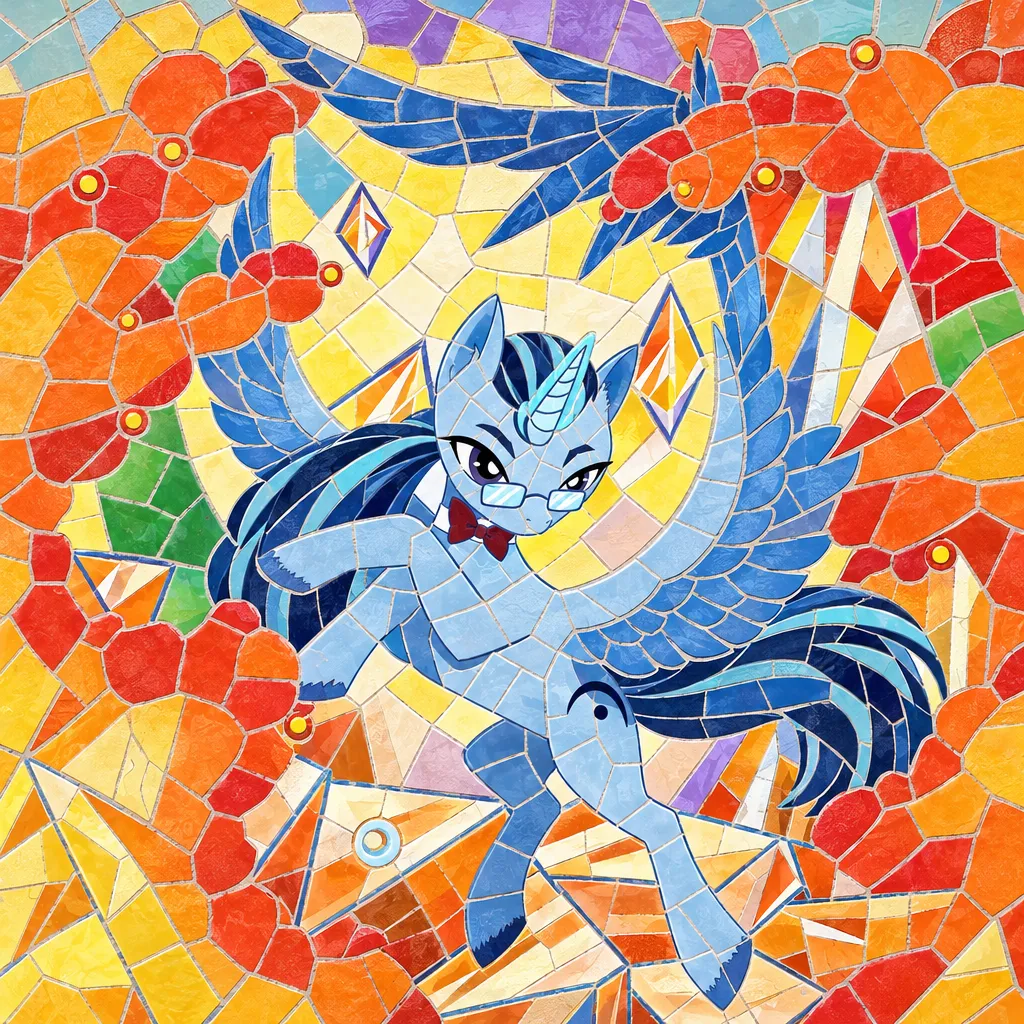
Brony Music
Brony music is a fan-driven umbrella of songs and instrumentals inspired by My Little Pony: Friendship Is Magic and its fandom. It is not a single sonic formula but a community-defined scene spanning EDM, rock/metal, pop, orchestral, and hip hop. Producers and bands commonly write character-themed songs, episode retellings, and world-building pieces, often sampling dialogue, sound effects, or melodic fragments from the show. Releases spread primarily through YouTube, Bandcamp, and convention stages, with vibrant remix culture and collaborative projects. A hallmark is the meeting point of upbeat, anthemic hooks (friendship, hope, adventure) with internet-native production aesthetics (electro house, dubstep/brostep drops, eurobeat choruses), alongside acoustic ballads and cinematic/orchestral works that mirror the show’s storytelling.
Discover
Listen
Experimental Club Music
Experimental club music (often called post-club or deconstructed club) is a hybrid, avant‑garde approach to club production and performance that treats the dancefloor as a laboratory. It uses the grammar of contemporary club forms—heavy sub‑bass, kick patterns, samples, MC or chopped vocals—as raw material to be cut apart, collaged, and reassembled. Instead of four‑to‑the‑floor regularity, it favors asymmetry, abrupt contrasts, negative space, and extreme sound design drawn from noise, industrial, grime, ballroom/vogue, reggaeton, and internet culture. The result ranges from skeletal, percussive workouts to dense, cinematic soundscapes that can be as confrontational as they are cathartic. Just as importantly, the scene has been a site of diasporic, queer, and trans expression, where identity and politics are embedded in sonic choices and performance practice.
Discover
Listen
Raw Techno
Raw techno is a hard‑edged, stripped, and saturated branch of techno that emphasizes physical impact over polish. It foregrounds pounding 4/4 kicks, rumbling sub‑bass, aggressively overdriven percussion, and gritty, analog‑leaning textures, often recorded or processed to feel loud, grainy, and immediate. Compared to more melodic or glossy strands, it minimizes harmonic content and arrangement frills in favor of relentless momentum, dark industrial atmospheres, and warehouse‑ready energy. The result is an austere but highly functional dancefloor music that channels the spirit of early warehouse raves through contemporary production tools and loudness aesthetics.
Discover
Listen
Classify
Classify is a streaming-era microgenre that blends light classical technique with contemporary pop repertoire, typically presented as unobtrusive instrumental covers. It prioritizes soft dynamics, gentle tempos, and intimate recording to create a calm, elegant backdrop suitable for studying, working, or events. Most arrangements are for solo piano, string quartet, cello/piano duos, or small chamber ensembles. Harmonies remain diatonic and consonant, melodies are clearly voiced, and textures favor arpeggios, ostinati, and sustained legato lines. The overall aesthetic borrows from modern classical and new age moods while retaining the familiarity of pop song forms.
Discover
Listen
Focus Trance
Focus trance is a modern, low‑drama branch of trance tailored for concentration, study, coding, and deep work. It borrows trance’s hypnotic pulse and long-form structure, but softens the edges: fewer big drops, restrained builds, minimal vocals, and a narrow dynamic range that lets listeners sink into a steady flow state. Sonically, it tends to sit between ambient trance and progressive trance: warm pads, subtly modulated arps, muted kicks and basslines that groove without dominating, and gently evolving textures. Most tracks avoid abrupt transitions, extreme high‑frequency content, or dense mid‑range clutter, making them ideal as a musical backdrop that sustains attention over long sessions.
Discover
Listen
Jirai Kei
Jirai kei is a recent Japanese internet-born pop micro‑genre and aesthetic that blends cute, sugary sounds with darker, obsessive and self‑destructive themes. The term comes from a fashion/aesthetic scene associated with yamikawaii and menhera culture, and in music it describes songs that sound soft and adorable on the surface but conceal lyrics about toxic love, dependency, jealousy, and emotional volatility. Sonically, jirai kei draws from J‑pop and Vocaloid traditions (denpa/picopop brightness, catchy hooks) while adopting modern hyperpop gloss, trap/EDM percussion, and highly edited, youthful vocals. The contrast between childlike, pastel timbres and intense, confessional writing is central to the style, making it both immediately hooky and emotionally sharp—an audio embodiment of “cute but dangerous.”
Discover
Listen
Bubblegum Bass
Bubblegum bass is a hyper-sweet, high-gloss strain of experimental pop that exaggerates mainstream chart tropes until they feel surreal. It blends candy-coated melodies, plastic synth timbres, and pitch-shifted vocals with club-ready drums and maximalist sound design. Emerging around the London-based PC Music collective, the style often juxtaposes childlike hooks with abrasive textures, sudden drops, and tongue-in-cheek, consumerist imagery. The production is meticulous and synthetic—supersaws, metallic hits, hard sidechaining, and formant-shifted toplines—yet it retains an earworm pop sensibility. The result is music that feels both satirical and sincere: an ecstatic, futuristic twist on electropop and dance-pop that helped set the stage for the wider hyperpop movement.
Discover
Listen
Channel Pop
Channel pop is a digital-era strain of mainstream pop shaped by video and creator platforms—especially YouTube and later TikTok and Instagram—where artists build audiences through frequent uploads on their own “channels.” Musically it favors intimate, highly polished but close-mic’d vocals, acoustic guitar or piano-led arrangements, restrained beats, and succinct, playlist-friendly structures. Many releases are cover-first (reimagining recent chart hits) with a steady flow of glossy singles, session-style performances, and creator collaborations that gradually blend into original material. Titles, artwork, and release cadence are optimized for search and recommendation algorithms, yielding a sound that is simultaneously personal and platform-aware.
Discover
Listen
Lo-Fi House
Lo-fi house is a strain of house music that embraces imperfections—tape hiss, vinyl crackle, overdriven drums, and slightly detuned synths—to evoke warmth and nostalgia. It retains a classic 4/4 house pulse but softens the edges with hazy pads, subdued vocals, and wistful melodies. Emerging as an internet-driven micro–scene, the style often uses inexpensive or deliberately degraded production chains (cassette saturation, bit reduction, SP-404–style resampling) to achieve its character. The result is dance music that feels intimate and bedroom-made, equally suited to small dancefloors and solitary late-night listening.
Discover
Listen
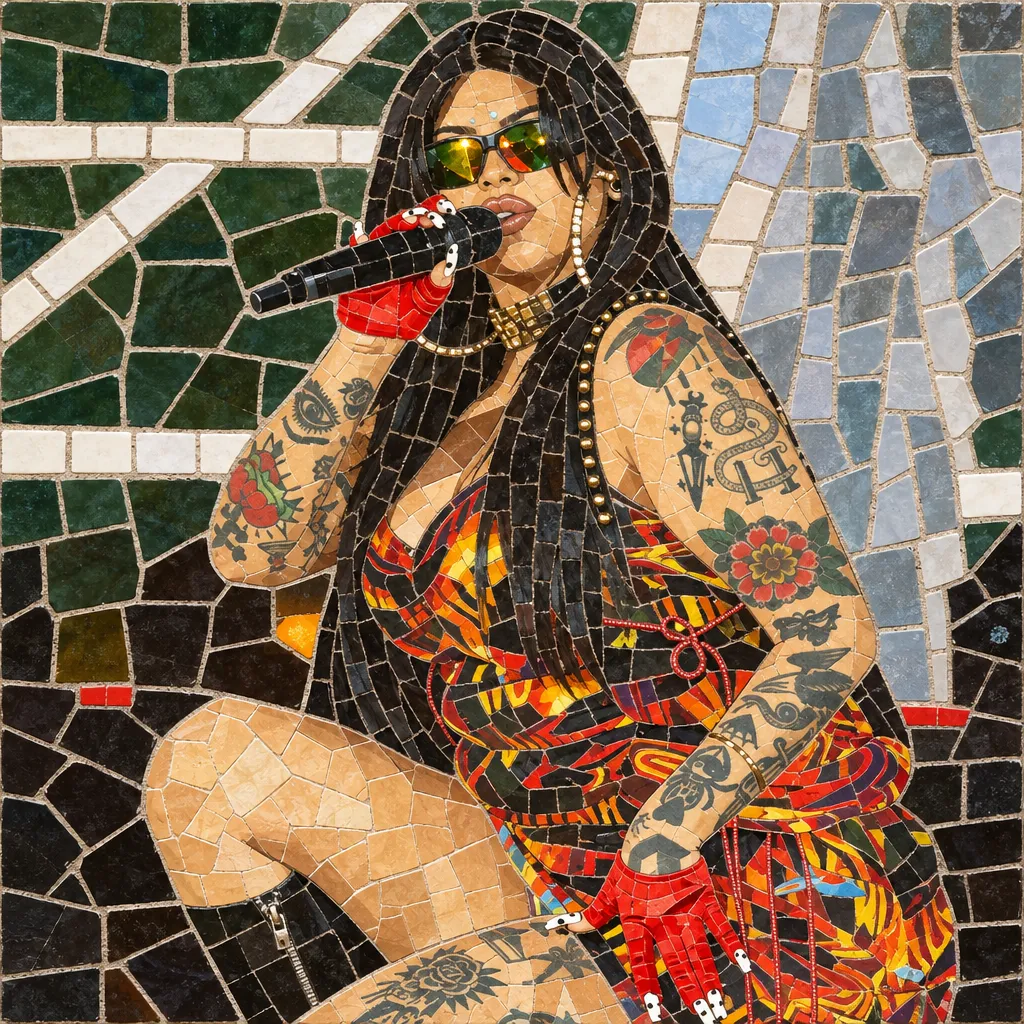
Neoperreo
Neoperreo is a 2010s, internet-native reboot of reggaeton’s perreo culture, spearheaded by a DIY, club-oriented scene that embraces queer, feminist, and body-positive values. It keeps the genre’s dembow backbone while pushing sound design into heavier 808s, crisp digital percussion, and glossy autotuned vocals. Aesthetically, it borrows from global/experimental club currents, moombahton’s mid-tempo thump, and hyperpop’s online sensibility, yielding tracks that are minimal yet hard-hitting, hooky but adventurous. Neoperreo thrives in parties, YouTube/SoundCloud ecosystems, and pop-up scenes across Latin America, Spain, and the diaspora—designed first and foremost for the dancefloor and for perreo.
Discover
Listen
Pop Lgbtq+ Brasileira
Pop lgbtq+ brasileira is contemporary Brazilian pop created by openly LGBTQIA+ artists and rooted in the country’s club culture, internet-native scenes, and mainstream pop industry. Sonically, it blends glossy electropop and dance-pop with distinctly Brazilian rhythms and textures—most notably funk carioca’s tamborzão, brega/tecno-brega melodrama, axé’s carnival exuberance, and MPB’s lyrical sensibility. Productions often pull from reggaeton, house, trap-funk, and ballroom-vogue percussion, yielding high-energy tracks designed for both radio and dance floors. The genre is as much about voice and visibility as it is about hooks: lyrics commonly foreground queer love, pride, self-fashioning, resilience, and nightlife. Vocals range from diva belting to rap/sung hybrids, with campy, theatrical performance aesthetics that translate strongly to video and stage. The scene’s rise is tightly linked to streaming-era dynamics, YouTube/Instagram/TikTok virality, and collaborations with DJs and funk producers.
Discover
Listen
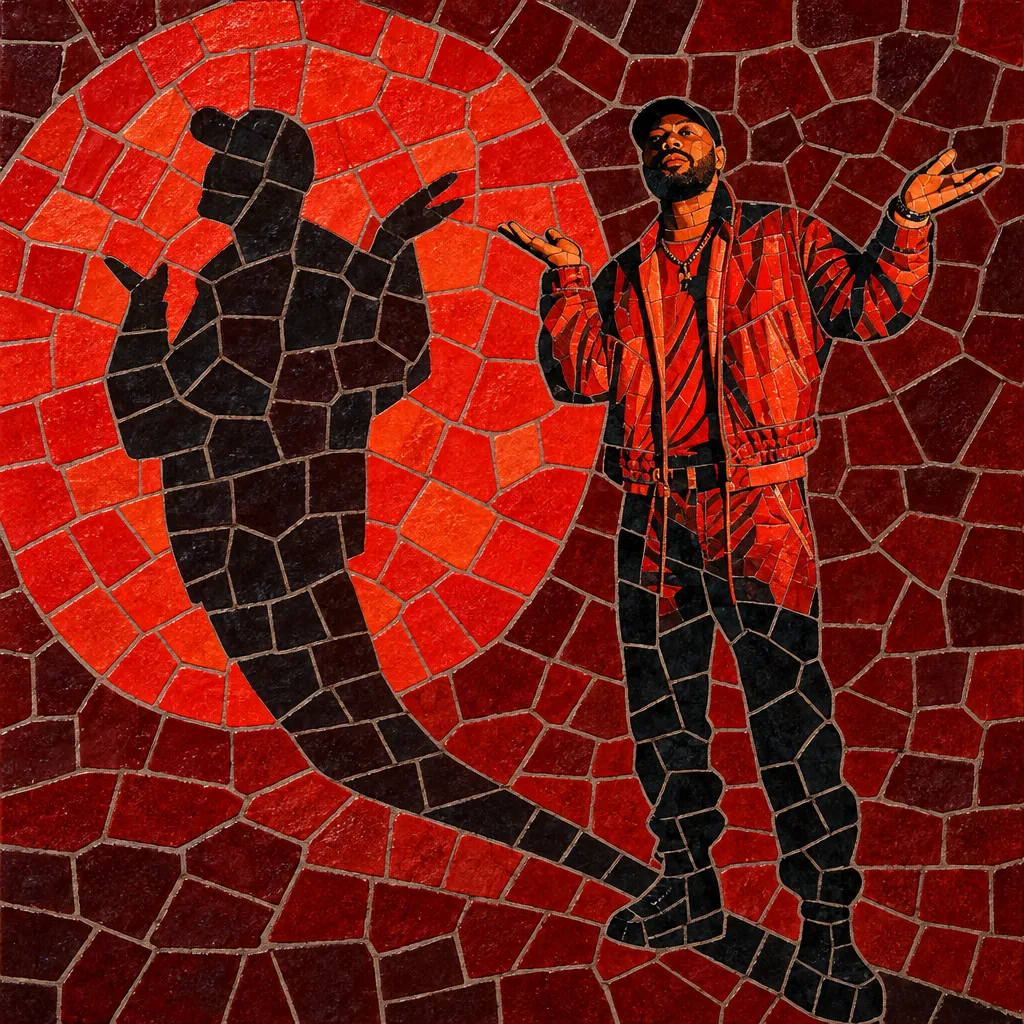
Ghettotech
Ghettotech is a high‑velocity club style from Detroit that fuses the precision of Detroit techno and electro with the raw party energy of Miami bass, Chicago ghetto house, and hip hop. Typical tempos sit around 150–160 BPM, with clipped 808 drums, chattering hi‑hats, and razor‑sharp edits designed for rapid‑fire DJ mixing. Tracks are built from minimal loops, aggressive sub‑bass, and short, chant‑like vocals that are often sexually explicit and call‑and‑response in nature. The music leaves space for dancers—especially Detroit’s jit style—favoring functional, DJ‑tool arrangements, quick drops, and hard cuts over extended harmonic development. The overall effect is fast, body‑moving, and confrontational, optimized for packed, sweat‑soaked dance floors.
Discover
Listen
Gabber
Gabber is a Dutch-born branch of hardcore techno characterized by extremely fast tempos, relentless 4/4 kicks, and an aggressive, distorted sound palette. It typically runs between 160–190+ BPM, features heavily overdriven 909-style kick drums that also serve as the bass, terse minor-key synth stabs (including classic "hoover" timbres), and short, shouted vocal samples or MC hype. Culturally, gabber is tied to early-’90s Rotterdam club culture, Thunderdome compilations and events, bomber jackets and trainers, and the high-energy hakken dance. The aesthetic is raw, industrial, and maximal, prioritizing impact, speed, and dancefloor intensity over harmonic complexity.
Discover
Listen
Miami Bass
Miami bass is a high-energy, bass-forward hip hop and electro offshoot that emerged in South Florida during the mid-to-late 1980s. It is defined by booming TR-808 sub-bass, crisp handclaps and snares, uptempo breakbeats, and chant-like vocals that favor call-and-response hooks over dense lyricism. Often nicknamed "booty bass," the style prioritizes dancefloor function and car-audio impact, with many tracks effectively serving as "bass tests" for subwoofers. Melodic and harmonic elements are sparse and repetitive, while the rhythmic programming and low-end power drive the music’s party-centric atmosphere.
Discover
Listen
Show all 17 genres
Albums
2024
2
/5
POGO
MCR-T
Ghettotech
2024
1
/5
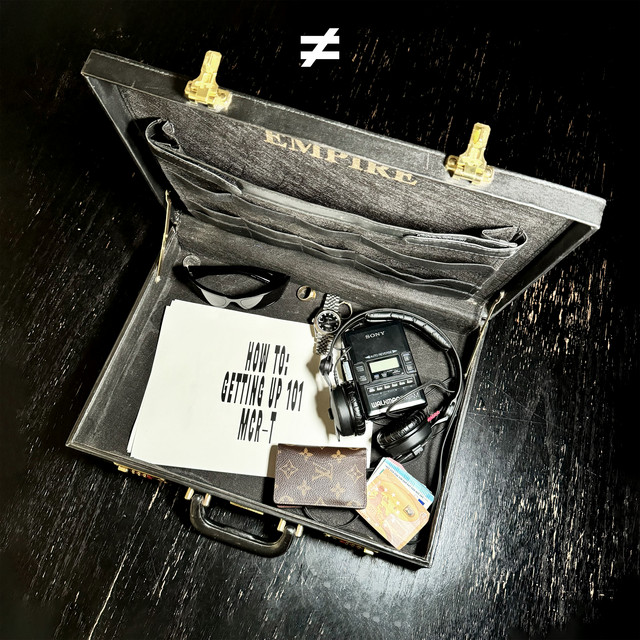
How To: Getting Up 101
MCR-T
Ghettotech
2024
1
/5
DIE ANGST IN MIR
MCR-T
Ghettotech
2023
1
/5
Tootsie Pop
MCR-T & Miss Bashful
Ghettotech
2022
1
/5
My Voice My Weapon of Choice
MCR-T
Ghettotech
2022
2
/5
FDP
MCR-T
Ghettotech
2021
2
/5
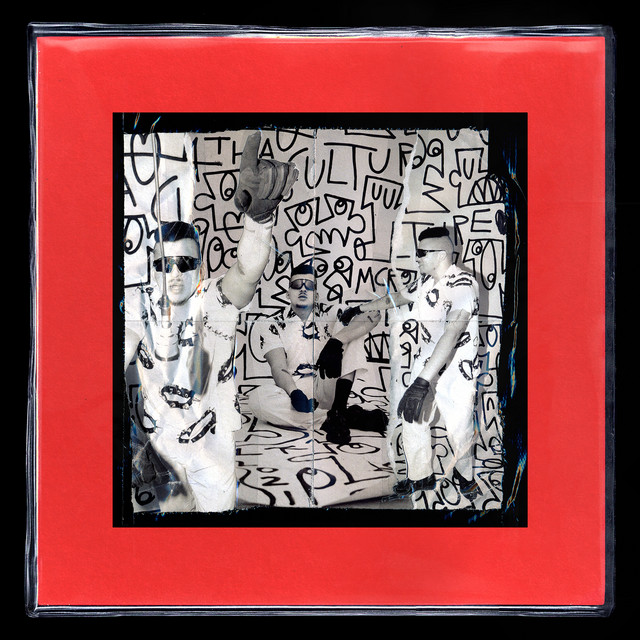
4 THA CULTURE
MCR-T
Ghettotech
2020
2
/5
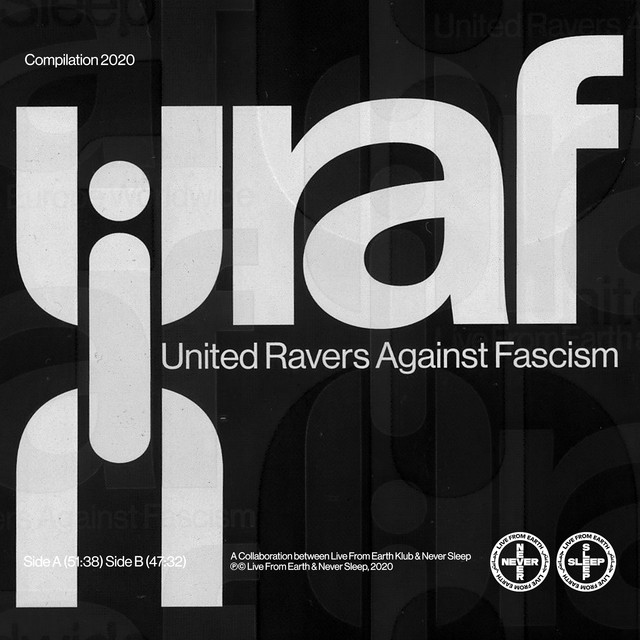
United Ravers Against Fascism
MCR-T
Ghettotech
Similar artists
1
/5
Various Artists
Afro-Funk
Alternative Rock
Ambient
4
/5
Ayesha Erotica
Viral Rap
Hyperpop
Transpop
4
/5
Joost
Gabber
Europop
Brony Music
3
/5
Miss Bashful
Dark Clubbing
Experimental Club Music
Ghettotech
2
/5
X-COAST
Ghettotech
Experimental Club Music
Dance
3
/5
DJ Assault
Ghettotech
Miami Bass
Detroit Sound
2
/5
HiTech
Ghettotech
Footwork
Detroit Sound
2
/5
DJ Slugo
Ghettotech
Baltimore Club
Chicago House
3
/5
Partiboi69
Ghettotech
Miami Bass
G-House
3
/5
DJ Godfather
Ghettotech
Covertronica
Footwork
Download our mobile app
Get the Melodigging app and start digging for new genres on the go
Download on the App Store
Get it on Google Play
© 2026 Melodigging
Give feedback
Legal
Melodding was created as a tribute to
Every Noise at Once
, which inspired us to help curious minds keep digging into music's ever-evolving genres.