Genres
Artists
Albums
Make Music
Sign in
Sign in
Artists
Classical
Artists
Classical
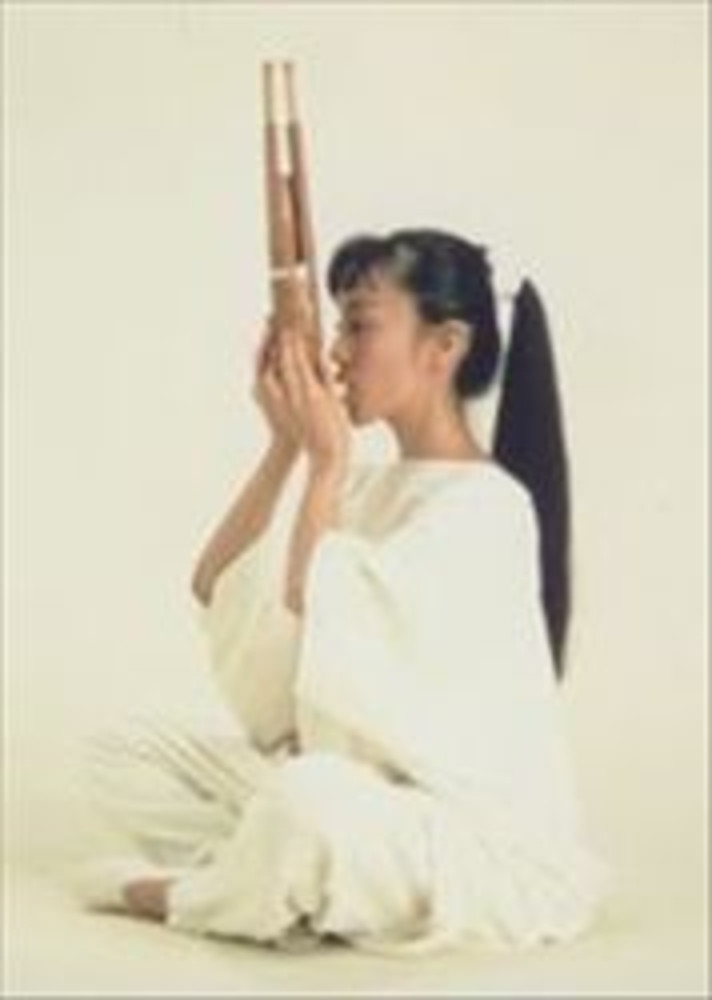
Mayumi Miyata
2002–2004
·
2 albums
Listen
1
/5
Genres
Musique Concrète Instrumentale
Musique concrète instrumentale is a compositional approach that transfers the ideas of musique concrète to the realm of purely acoustic instruments. Instead of manipulating recorded sound objects on tape or digitally, composers write for traditional instruments played with unconventional, extended techniques so that the instruments produce "concrete" sound-objects: breaths, frictions, scratches, resonances, and mechanical noises. Pitch and regular meter are de-centered in favor of the morphology of sounds—how they begin, sustain, and decay; their grain, spectrum, and energy; and the dramaturgy created by their transformation over time. The result is a highly tactile, timbre-driven music that treats the instrument as a source of material rather than as a vehicle for themes or harmonic progressions.
Discover
Listen
Traditional Music
Traditional music is an umbrella term used in the mid–20th century by folklorists and ethnomusicologists to denote community-rooted, orally transmitted repertoires tied to social ritual, work, celebration, and storytelling. Unlike commercial pop or art-music traditions, traditional music is typically learned by ear, varies regionally, and evolves slowly through communal participation. It often features modal melodies, cyclic rhythms, heterophony or unison singing, and indigenous instruments whose timbres are integral to local identity. Lyrics tend to preserve language, history, and collective memory. While the musical practices themselves can be ancient, the phrase “traditional music” emerged to replace earlier, narrower or colonial framings like “folk” or “ethnic” music, foregrounding continuity, locality, and living practice rather than exoticism.
Discover
Listen
Opera
Opera is a large-scale theatrical genre that combines music, drama, and visual spectacle, in which the story is primarily conveyed through singing accompanied by an orchestra. It unites solo voices, ensembles, and chorus with staging, costumes, and often dance to create a total artwork. Emerging in late Renaissance Italy and flourishing in the Baroque era, opera developed signature forms such as recitative (speech-like singing that advances the plot) and aria (lyrical numbers that explore character and emotion). Over the centuries it evolved diverse national styles—Italian bel canto, French grand opéra, German music drama—while continually experimenting with orchestration, harmony, narrative structure, and stagecraft.
Discover
Listen
Classical
Classical music is the notated art-music tradition of Europe and its global descendants, characterized by durable forms, carefully codified harmony and counterpoint, and a literate score-based practice. The term “classical” can refer broadly to the entire Western art-music lineage from the Medieval era to today, not just the Classical period (c. 1750s–1820s). It privileges long-form structures (such as symphonies, sonatas, concertos, masses, and operas), functional or modal harmony, thematic development, and timbral nuance across ensembles ranging from solo instruments to full orchestras and choirs. Across centuries, the style evolved from chant and modal polyphony to tonal harmony, and later to post-tonal idioms, while maintaining a shared emphasis on written notation, performance practice, and craft.
Discover
Listen
Japanese Classical
Japanese classical refers to the courtly, religious, theatrical, and chamber traditions that crystallized in Japan from the Nara and Heian periods onward. It encompasses Gagaku (imperial court music), Shinto ritual music (kagura), Buddhist chant (shōmyō), Noh and Kabuki repertories (e.g., nagauta, jōruri), and chamber music for koto, shamisen, and shakuhachi (sankyoku). The style emphasizes modal color (ryō and ritsu modes, along with later in/yo pentatonic variants), the dramatic architecture of jo–ha–kyū (slow introduction, development, swift conclusion), and the aesthetic of ma (meaningful silence/space). Textures are often heterophonic or layered, timbres are cultivated for breathy, reedy, and bell-like colors (e.g., shō, hichiriki, ryūteki), and rhythm can range from free-flowing chant to stately ceremonial cycles. The result is a contemplative yet ceremonially powerful sound world distinct from Western common-practice tonality.
Discover
Listen
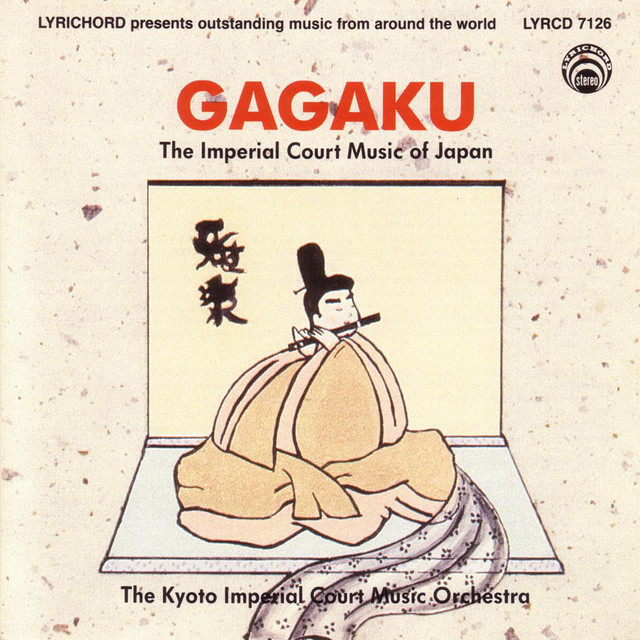
Gagaku
Gagaku is the ancient court music of Japan, performed for imperial and Shinto ceremonial contexts. It is characterized by a stately, breath-based flow; shimmering sustained chords from the shō (mouth organ); penetrating, ornamented melodies on hichiriki (double-reed) and ryūteki (transverse flute); and delicately patterned percussion. The ensemble typically includes winds (shō, hichiriki, ryūteki/komabue/kagurabue), strings (gaku-biwa, gakusō/koto, wagon), and percussion (shōkō, kakko, taiko, dadaiko). Textures are largely heterophonic, modes derive from the ryo and ritsu systems, and pieces unfold in the jo–ha–kyū arc from introduction through development to swift close. Many works accompany bugaku (court dance), while vocal repertoires such as saibara and rōei present courtly song traditions.
Discover
Listen
Albums
2004
1
/5
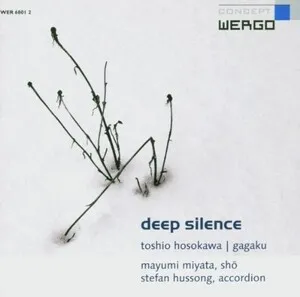
Deep Silence
Traditional / Toshio Hosokawa 細川俊夫
Gagaku
Classical
2002
1
/5
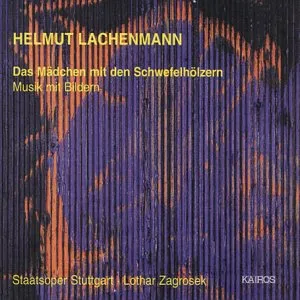
Das Mädchen mit den Schwefelhölzern
Helmut Lachenmann
Musique Concrète Instrumentale
Classical
Opera
Similar artists
1
/5
The Imperial Court Ensemble
Japanese Classical
Traditional Music
Classical
2
/5
Nanae Yoshimura
Sōkyoku
Classical
Folk
2
/5
Yamato Ensemble
Sōkyoku
Japanese Classical
Jiuta
2
/5
Ensemble Modern
Minimalism
Avant-Garde
Classical
1
/5
The Kyoto Nohgaku Kai
Japanese Classical
Traditional Music
Classical
1
/5
Kyoto Imperial Court Music Orchestra
Japanese Classical
Traditional Music
East Asian Classical Music
1
/5
Nippon Gagaku Kai
Japanese Classical
Traditional Music
East Asian Classical Music
1
/5
Tokyo Gakuso
Gagaku
Japanese Classical
Traditional Music
1
/5
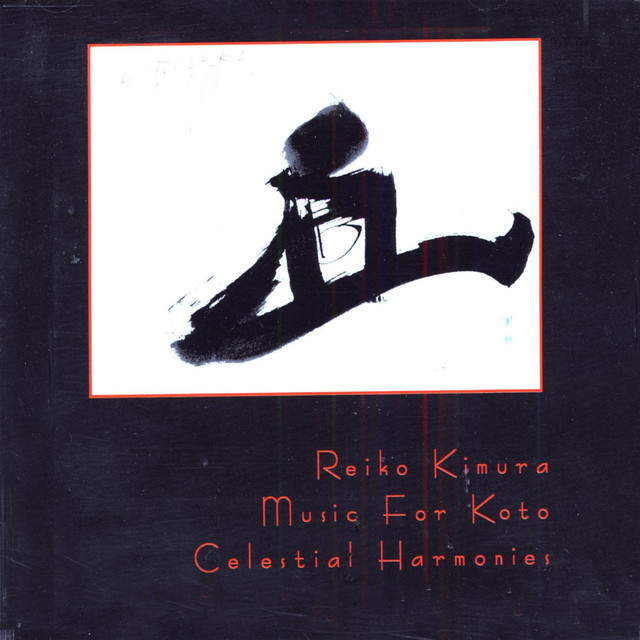
Reiko Kimura
Japanese Classical
Traditional Music
Classical
1
/5
Reigakusha
Avant-Garde
Japanese Classical
Traditional Music
Download our mobile app
Get the Melodigging app and start digging for new genres on the go
Download on the App Store
Get it on Google Play
© 2026 Melodigging
Give feedback
Legal
Melodding was created as a tribute to
Every Noise at Once
, which inspired us to help curious minds keep digging into music's ever-evolving genres.