Your digging level
Description
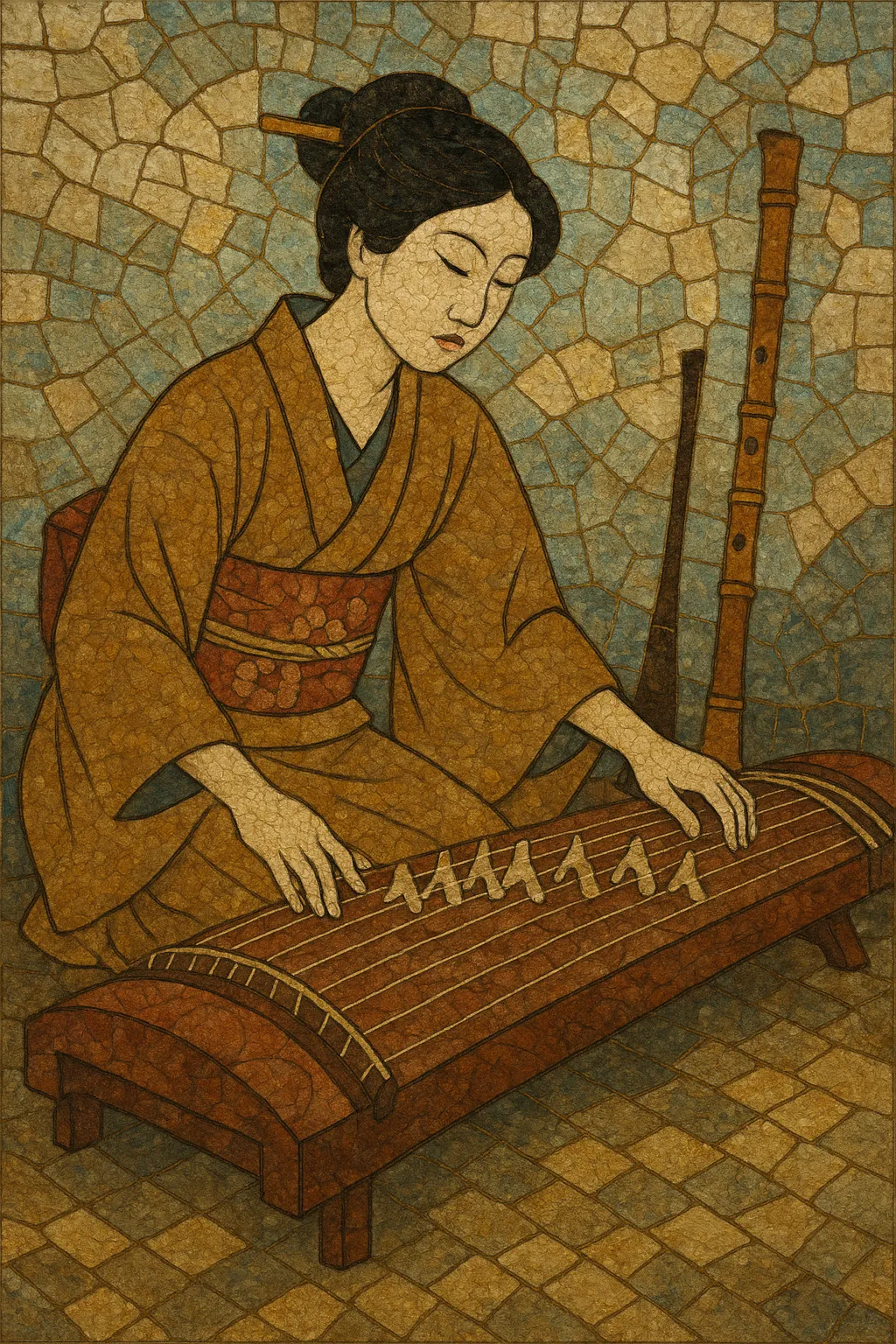
Sōkyoku (箏曲) is the classical Japanese repertoire for the koto zither that gained prominence in the Edo period. Centered on the 13‑string koto, it features refined timbres, flowing melodies, and an emphasis on space (ma) and expressive nuance.
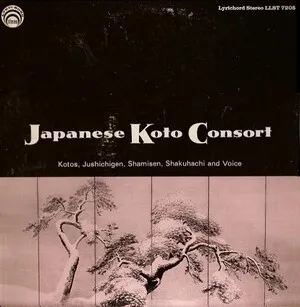
Although performed primarily on the Japanese koto, the idiom is closely related to the broader East Asian zither tradition; in some modern or cross‑cultural contexts, the Chinese guzheng may be used to render sōkyoku repertoire. Sōkyoku is often heard solo or within the sankyoku ensemble alongside shamisen and/or shakuhachi, creating an intimate chamber texture.
Core forms include danmono (theme‑and‑variations instrumentals) and kumiuta (song cycles), and the music frequently employs traditional koto tunings such as hira‑jōshi and kumoi‑jōshi. The performance aesthetic values subtle ornamentation, flexible rhythm, and lyrical expression.
History
Sōkyoku coalesced in the early Edo period, when the koto—introduced centuries earlier from the Chinese zheng—became an expressive solo and chamber instrument in Japan. Yatsuhashi Kengyō (1614–1685) is often called the "father of modern koto music"; he standardized key tunings (notably hira‑jōshi), shaped the danmono instrumental form (e.g., Rokudan no Shirabe), and helped establish the koto as a leading chamber instrument.
Two major lineages defined sōkyoku practice:
• Ikuta‑ryū (founded by Ikuta Kengyō, late 17th c.) emphasized instrumental refinement and ensemble interplay with shamisen (jiuta) and shakuhachi in what became known as sankyoku. • Yamada‑ryū (founded by Yamada Kengyō, 18th c.) leaned toward vocal expressivity, enriching the kumiuta tradition and heightening narrative, poetic delivery.Composers such as Yoshizawa Kengyō expanded the repertory with lyrical works like Chidori no Kyoku.
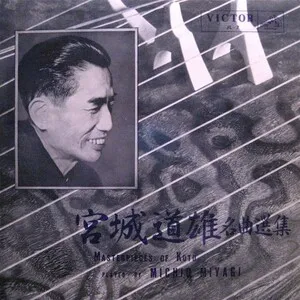
In the late 19th and 20th centuries, artists adapted sōkyoku to new contexts. Michio Miyagi (1894–1956) fused traditional idioms with Western harmony, created the 17‑string bass koto, and wrote enduring pieces like Haru no Umi. This "shinkyoku" (new compositions) current broadened sōkyoku’s timbral and harmonic palette while preserving its core aesthetics.
Today, sōkyoku thrives both in historically informed performance and modern cross‑genre collaborations. It remains a cornerstone of Japanese classical music education, a vital strand of sankyoku, and a touchstone for new works for koto, shamisen, and shakuhachi—sometimes performed on related Asian zithers such as the guzheng in intercultural settings.

Top albums