Genres
Artists
Albums
Make Music
Sign in
Sign in
Artists
Indie Folk
Artists
Indie Folk
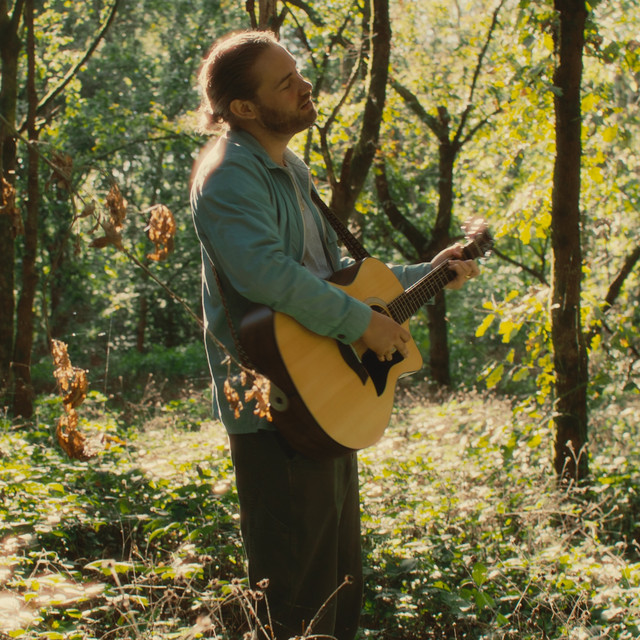
Matthew Adam Green
Listen
2
/5
Genres
Chill Beats
Chill beats is a mellow, predominantly instrumental hip‑hop offshoot defined by relaxed tempos, loop‑based arrangements, and a warm, nostalgic sound palette. Producers favor vinyl crackle, tape hiss, gentle side‑chain swells, and soft saturation that evoke the feel of bedroom recordings and vintage media. Musically, it leans on boom‑bap drum sensibilities, jazzy seventh and ninth chords, and short, ear‑worm motifs rather than extended melodies or virtuosic solos. Tracks are concise, hypnotic, and unobtrusive—crafted to sit comfortably in the background while still rewarding close listening. Aesthetically it is closely tied to online culture: anime and study visuals, cozy/nighttime urban imagery, and continuous livestream “radio” formats popularized the style. The genre’s purpose‑built calmness has made it a go‑to soundtrack for studying, reading, coding, and winding down.
Discover
Listen
Melodic Bass
Melodic bass is an emotive, vocal-forward branch of bass music that blends the harmonic richness of future bass and melodic dubstep with the structure and hooks of modern pop. Its drops lean on lush supersaw chords, lyrical lead melodies, and warm, well-controlled sub-bass rather than abrasive sound design. Producers prioritize cinematic builds, heartfelt toplines, and songwriting that pivots between intimacy and festival-scale catharsis. Typical arrangements move from verse and pre-chorus into a half-time, melody-driven drop, often featuring vocal chops, guitar layers, and soaring chord stacks. The overall effect is uplifting yet nostalgic, delivering both dance-floor energy and singer‑songwriter sentiment.
Discover
Listen
Melodic Dubstep
Melodic dubstep is a song-oriented, emotionally expressive branch of dubstep that blends the genre’s half-time drums and sound-design-heavy drops with lush chord progressions, cinematic atmospheres, and vocal-led songwriting. It typically sits around 140 BPM (often written and perceived in half-time), using supersaw stacks, plucky arps, and wide pads drawn from trance and progressive house, while retaining dubstep’s punchy kicks, snare-on-3 backbeat, and bass-focused drops. Compared to aggressive brostep, melodic dubstep prioritizes memorable toplines, warm harmonies, and dramatic builds that culminate in cathartic yet tasteful drops. It often features lyrical themes of longing, hope, and resilience, making it common in vocal collaborations and festival-ready singalongs.
Discover
Listen
Indie Folk
Indie folk blends the DIY ethos and sonic aesthetics of independent rock with the acoustic instrumentation, intimate storytelling, and melodic simplicity of traditional folk. Timbres are typically warm and organic—fingerpicked acoustic guitars, close-mic’d vocals, subtle percussion, and spare ornamentation from banjo, mandolin, harmonium, or strings. Production often favors natural room ambiance, tape hiss, and gentle compression over glossy polish, creating a sense of proximity and emotional candor. Lyrically, the style is reflective and poetic, focusing on personal narratives, place, nature, spirituality, and memory. Harmony tends to be diatonic and modal, with drones, open tunings, and layered vocal harmonies adding depth. While understated, arrangements can scale into lush, choir-like textures and chamber-folk swells, balancing fragility with grandeur.
Discover
Listen
Indie Dance
Indie dance blends the melodic sensibilities and live‑band ethos of indie rock with the groove, repetition, and production techniques of club music. The result is a dancefloor‑friendly sound that keeps guitars, bass, and vocals in the spotlight while leaning on four‑on‑the‑floor drums, funky basslines, and luminous analog synths. The style typically sits around 108–124 BPM, favors warm vintage tones (Roland drum machines, Juno/Jupiter/Prophet synths), and draws on disco and new wave for harmony and rhythm. Hooks are carried by concise vocal lines and ear‑catching motifs, often delivered with the intimate, conversational tone associated with indie music.
Discover
Listen
Electronica
Electronica is a broad, largely 1990s umbrella term for a spectrum of electronic music crafted as much for immersive, album‑oriented listening as for clubs and raves. It gathers elements from techno, house, ambient, breakbeat, IDM, and hip hop production, emphasizing synthesizers, drum machines, samplers, and studio experimentation. The sound can range from downtempo and atmospheric to hard‑hitting and breakbeat‑driven, but it typically foregrounds sound design, texture, and mood over strict dance‑floor utility. In the mid‑to‑late 1990s the term was used by labels and press—especially in the United States—to market and introduce diverse electronic acts to mainstream rock and pop audiences.
Discover
Listen
Electro
Electro is an early 1980s machine-funk style built around drum machines (especially the Roland TR-808), sequenced basslines, and a futuristic, robotic aesthetic. It emphasizes syncopated rhythms, sparse arrangements, and timbres drawn from analog and early digital synthesizers. Vocals, when present, are often delivered via vocoder or rap-style chants, reinforcing a sci‑fi, cyborg persona. Electro’s grooves powered breakdance culture, and its sonic palette—crisp 808 kicks, snappy snares, dry claps, cowbells, and squelchy bass—became foundational to later techno and bass music.
Discover
Listen
Dance
Dance (as a broad, mainstream club- and radio-oriented style) is pop-leaning music designed primarily for dancing, characterized by steady, driving beats, catchy hooks, and production that translates well to nightclubs and large sound systems. It emerged after disco, blending four-on-the-floor rhythms with electronic instrumentation and pop songwriting, and it continually absorbs elements from house, techno, Hi-NRG, synth-pop, and later EDM. Tempos commonly fall between 110–130 BPM, vocals often emphasize memorable choruses, and arrangements are structured for both club mixing and mass appeal.
Discover
Listen
Pop
Pop is a broad, hook-driven style of popular music designed for wide appeal. It emphasizes memorable melodies, concise song structures, polished vocals, and production intended for radio, charts, and mass media. While pop continually absorbs elements from other styles, its core remains singable choruses, accessible harmonies, and rhythmic clarity. Typical forms include verse–pre-chorus–chorus, frequent use of bridges and middle-eights, and ear-catching intros and outros. Pop is not defined by a single instrumentation. It flexibly incorporates acoustic and electric instruments, drum machines, synthesizers, and increasingly digital production techniques, always in service of the song and the hook.
Discover
Listen
Show all 9 genres
Similar artists
3
/5
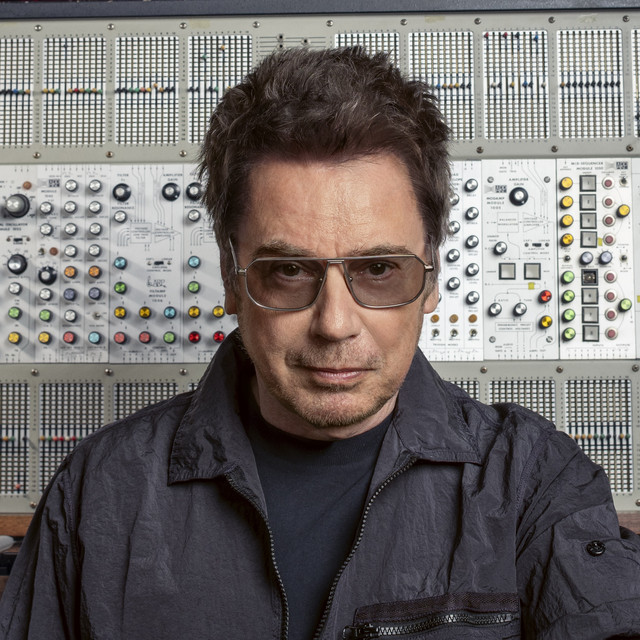
Jean-Michel Jarre
Electronic
Ambient
Laboratorio
3
/5
Mystery Skulls
Solipsynthm
Electronic
Synth-Pop
3
/5
Joachim Pastor
Minimal Melodic Techno
Melodic Techno
Minimal Techno
1
/5
Various Artists
Soundtrack
Afro-Funk
Alternative Rock
4
/5
RY X
Indie Folk
Indie Anthem-Folk
Dance
3
/5
White Town
Electronic
Synth-Pop
Pop
3
/5
Eivør
Electropop
Folk
Rune Folk
5
/5
David Guetta
Dance
Electronic
House
5
/5
Calvin Harris
Electronic
Electro House
Progressive House
5
/5
Pitbull
Hip Hop
Electro Hop
Pop Rap
Download our mobile app
Get the Melodigging app and start digging for new genres on the go
Download on the App Store
Get it on Google Play
© 2026 Melodigging
Give feedback
Legal
Melodding was created as a tribute to
Every Noise at Once
, which inspired us to help curious minds keep digging into music's ever-evolving genres.