Genres
Artists
Albums
Make Music
Sign in
Sign in
Artists
Bolobedu House
Artists
Bolobedu House
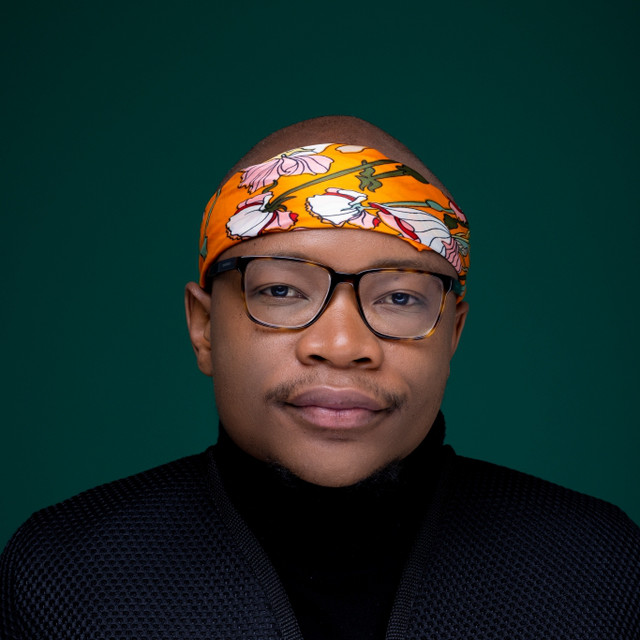
Master KG
2018–2020
·
3 albums
Listen
4
/5
Genres
Afropiano
Afropiano is a contemporary fusion that marries the songwriting, vocal phrasing, and rhythmic sensibilities of West African Afrobeats with the deep, percussive textures of South Africa’s Amapiano. It retains Amapiano’s signature log drum bass, shaker-led swing, and soulful pads, while adopting Afrobeats’ catchy hooks, call-and-response choruses, and concise, radio-friendly structures. The result is a warm, dance-floor-oriented sound with mid-tempo grooves, plush jazz/house harmonies, and lyrics that often blend English, Nigerian Pidgin, and local languages.
Discover
Listen
3-Step
3-step is a contemporary club style built around a distinctive three‑kick‑drum pattern per bar instead of the traditional four‑on‑the‑floor. It blends the supple log‑drum bass and patient, rolling pace of Amapiano with the syncopated, jazz‑inflected looseness of UK Broken Beat. The result is relaxed, free‑form and playful, with a subtly swung feel, airy Rhodes‑style chords and nimble percussion that invite head‑nodding as much as dancing.
Discover
Listen
Afro Adura
Afro Adura is a contemporary Nigerian micro-genre of Afrobeats that centers prayerful, motivational, and spiritually reflective lyrics—“adura” means “prayer” in Yoruba—over modern Afro-pop and Amapiano-influenced rhythms. It blends the groove-first sensibility of Afrobeats with Fuji/Jùjú choral textures, gospel-inspired call-and-response, and street-pop vocal delivery. Typical productions feature warm log-drum swells, syncopated percussion, lush pads or churchy organs, and emotive hooks that often invoke faith, hustle, gratitude, and hope. The result is a style that feels both devotional and danceable: intimate storytelling and aspirational mantras carried by club-ready drums and Yoruba/Pidgin-English hooks.
Discover
Listen
Bongopiano
Bongopiano is a contemporary Tanzanian fusion that combines the mellow, percussive house grooves of South Africa’s amapiano with the melodic songwriting and Swahili pop/hip‑hop sensibilities of Bongo Flava. The style typically features log‑drum basslines, swung shaker patterns, airy keys and pads, and prominent hand percussion (bongos/congas), while vocals lean toward catchy, romantic hooks and call‑and‑response choruses. Compared to classic amapiano, bongopiano places stronger emphasis on topline melodies and pop structure, reflecting East Africa’s mainstream taste. The result is smooth, dance‑friendly music at mid‑tempo, equally at home in clubs and on radio, bridging regional house aesthetics with Tanzanian pop lyricism.
Discover
Listen
Gospel Amapiano
Gospel Amapiano is a faith-centered offshoot of South Africa’s Amapiano that fuses the genre’s laid‑back, log‑drum basslines, shuffling percussion, and jazzy keys with Christian praise and worship themes. Songs typically pair call‑and‑response vocals, choir pads, and uplifting hooks with the piano stabs, airy pads, and syncopated drum programming characteristic of Amapiano. Lyrics celebrate gratitude, testimony, and communal praise—often delivered in a blend of English and African languages (e.g., Zulu, Xhosa, Yoruba, Shona), mirroring the genre’s pan‑African reach. The result is a dance‑floor ready worship sound that thrives in youth services, praise parties, and social media dance trends, maintaining Amapiano’s relaxed groove while foregrounding spiritual content.
Discover
Listen
Bolobedu House
Bolobedu House (often referred to simply as 'Bolo House') is a vibrant and energetic subgenre of South African house music that originated in the Limpopo province. It is characterized by its distinct fusion of modern electronic production with traditional Khelobedu folk rhythms and melodies. The genre is famous for its high-tempo beats (often ranging from 115 to 125 BPM or faster), aggressive and often distorted synth leads, and the heavy use of pitch-bending effects. Vocals are typically delivered in the Khelobedu dialect of Northern Sotho, often utilizing auto-tune and call-and-response structures that narrate social commentary, humorous stories, or romantic tales.
Discover
Listen
Gqom
Gqom is a minimalist, hard-edged club music from Durban, South Africa, built around pounding kicks, syncopated toms, and sparse, looped vocal chants. It favors tension and release over melodic development, using stark, percussive motifs and dramatic breakdowns to create a hypnotic, physically compelling groove. Typically sitting around 120–130 BPM, gqom departs from straight four-on-the-floor house patterns, embracing broken-beat structures, off-grid fills, and sudden dropouts. The sound palette leans dark and industrial—heavy sub-bass, metallic hits, claps, whistles, crowd shouts, and found sounds—while harmony is minimal or absent, keeping the focus on rhythm and texture.
Discover
Listen
Afrobeats
Afrobeats (plural) is a contemporary West African pop umbrella that blends indigenous Nigerian and Ghanaian rhythms with global Black music—especially dancehall, hip hop, R&B, and highlife. Typical tracks sit in the mid‑tempo 95–115 BPM range and feature syncopated, polyrhythmic drum programming (shakers, rimshots, congas, talking drum), rubbery sub‑bass lines, bright synths, and guitar licks that recall highlife. Vocals are melodic and hook‑driven, often delivered in a fluid mix of English, Nigerian Pidgin, Yoruba, Twi, or other local languages, with call‑and‑response refrains tailored for dance floors. Distinct from Fela Kuti’s Afrobeat (singular), Afrobeats prioritizes songcraft, club‑ready grooves, and pop structures. It travels easily across diasporas, seamlessly absorbing UK club influences and Caribbean cadence while maintaining unmistakably West African rhythmic DNA.
Discover
Listen
Amapiano
Amapiano is a South African house offshoot defined by deep, airy pads, jazzy chord voicings, and the signature "log drum" bass that carves syncopated, percussive patterns through the low end. Emerging from Gauteng townships, it favors mid-tempo grooves (typically 108–114 BPM), minimal four-on-the-floor kicks, and richly layered percussion—shakers, congas, rimshots—leaving generous space for melodic piano riffs and soulful vocals. The overall mood is warm, hypnotic, and communal, designed as much for social spaces and dance circles as for late-night listening. Amapiano marries the street-level grit and swing of kwaito and Pretoria’s bacardi house with the smoothness of deep house and the harmonic language of jazz, resulting in a style that is both understated and irresistibly danceable.
Discover
Listen
Christian Afrobeat
Christian Afrobeat is a faith-centered adaptation of Afrobeat/Afrobeats aesthetics that pairs syncopated West African grooves with explicitly Christian lyrics. Built on buoyant drum-machine patterns, polyrhythmic percussion, rubbery bass lines, and bright highlife‑style guitars or synth stabs, the style keeps the dance floor energy of contemporary Afrobeats while foregrounding worship, testimony, and scriptural references. Vocals commonly switch between English, Nigerian Pidgin, and local languages, with catchy call‑and‑response hooks designed for congregational sing‑along as much as for radio play. Sonically it is glossy and radio‑ready—808s, playful percussion (shekere, congas), shimmering guitar arpeggios, and melody‑led toplines—yet its message is overtly devotional: gratitude, praise, grace, and perseverance through faith.
Discover
Listen
Indian Indie
Indian indie is the umbrella for independent, non-film music made in India across languages such as Hindi, English, and numerous regional tongues. It is defined more by its DIY production and artist-led release model than by a single sound. Musically, it spans indie pop and rock, folk-fusion, singer‑songwriter ballads, dream‑pop/shoegaze textures, and electronic‑leaning productions. Artists often blend Western harmony and song forms with raga‑tinged melodies, Indian rhythmic feels, and occasional use of traditional instruments like tabla, bansuri, or sitar. The scene grew rapidly with college festivals, small venues, and digital platforms (YouTube, streaming services, Bandcamp), plus boutique labels and festivals such as NH7 Weekender that created national visibility. Lyrically, it tends to be intimate and contemporary—touching on romance, urban life, identity, and nostalgia—while maintaining accessible hooks and warm, organic sonics.
Discover
Listen
Zimdancehall
Zimdancehall is Zimbabwe’s localized take on Jamaican dancehall, built on heavy computerized riddims, deep sub‑bass, and rapid‑fire toasting delivered mainly in Shona (alongside English and street slang). It keeps dancehall’s party energy and sound‑system DNA while reflecting Zimbabwean urban life, humor, and social commentary. Emerging from backyard and township studios, the style is intensely DIY: riddims circulate on USB sticks and WhatsApp, artists voice multiple cuts over the same beat, and crews battle for dominance through sound‑system clashes and live mic work. The result is a raw, hook‑driven, and highly rhythmic music that connects dance‑floor euphoria with gritty, everyday realities.
Discover
Listen
Beats
Beats is a loose, producer-driven category for rhythm-forward instrumentals built around hip‑hop drum patterns without necessarily being rap songs or featuring vocals. It functions as an umbrella for stock, "type," and backing tracks used by rappers, singers, streamers, and content creators, spanning boom‑bap swing to trap hi‑hat grids and R&B‑leaning grooves. On streaming platforms it often appears as standalone instrumentals packaged by tempo, mood, or artist style (e.g., “trap type beat,” “R&B instrumental,” “club beat”), prioritizing portability and utility over artist identity. While rooted in hip‑hop production aesthetics—kicks, snares, 808s, chopped samples—Beats blends downtempo, electronic, and contemporary R&B sensibilities, aiming for clarity, loopability, and immediate vibe.
Discover
Listen
Sgija
Sgija (often pronounced “skee-gah”) is a percussion‑forward, stripped‑back strain of South Africa’s amapiano. Where many amapiano cuts foreground jazzy keys and plush harmonies, sgija pares the palette down to clattering shakers, rimshots and log‑drum bass figures that push a hypnotic, head‑nodding groove. DJs and producers use sparse chord stabs, ghostly pads and long tension‑building sections; vocals, when present, are usually chants, ad‑libs or crowd calls rather than full toplines. The result is darker, drum‑centric dance music that still rolls at amapiano’s mid‑tempo swagger, engineered for late‑night dancefloors and extended DJ blends.
Discover
Listen
Drikkelek
Drikkelek is a Scandinavian micro‑genre of high‑energy party music built around drinking games. The word itself means "drinking game" in Norwegian/Danish, and the tracks function as soundtracks that give simple, shouted instructions to a crowd (drink, swap seats, point people out, count‑downs) while riding big, festival‑style drops. Musically it blends Eurodance and big‑room/electro‑house sonics—four‑on‑the‑floor kicks, supersaw leads, risers and air‑horn FX—with ultra‑catchy chant hooks and easy rhymes. The tone is playful and rowdy; lyrics favor commands and call‑and‑response over storytelling so the party can follow along instantly. The result is music optimized for pre‑games, party buses/boats, student events and cabin trips across Norway (and neighboring Nordic scenes).
Discover
Listen
Latin Afrobeats
Latin Afrobeats is a hybrid of West African Afrobeats and Latin urban pop in which Spanish (and sometimes Portuguese) lyrics ride syncopated, polyrhythmic grooves. It marries Afrobeats’ swung shakers, off‑beat hi‑hats, guitar licks, and buoyant bass with dembow and dancehall drum patterns common to reggaeton and Latin pop. The result is a bright, dance‑forward style with catchy toplines, call‑and‑response hooks, and concise song forms tailored to streaming. Production tends to be minimal yet percussive, with Afro‑percussion (shekere, conga/bongo colors), plucked guitars or synth plucks, and warm sub‑bass supporting melodies that often draw on pentatonic or natural minor scales. Themes revolve around romance, partying, and feel‑good celebration, making the music equally at home in clubs and playlists.
Discover
Listen
Pop Urbaine
Pop urbaine is a French mainstream pop style that blends contemporary R&B, hip hop, Afrobeats, dancehall, zouk, raï, and reggaeton with chart‑friendly songwriting. It emphasizes melodic hooks, mid‑tempo grooves, and sleek vocal production (often with Auto‑Tune) while foregrounding everyday, romantic, and nightlife themes in colloquial French. Rhythmically it favors syncopated Afro‑Caribbean patterns, sparse but bouncy 808 drums, and light guitar or synth plucks, creating a buoyant, danceable feel without the aggressiveness of club music. Vocals typically alternate between sung refrains and rap‑influenced verses, with catchy refrains designed for streaming and social media virality. The genre became a defining sound of French popular culture in the late 2010s, driven by a new generation of Francophone artists with diasporic roots who globalized French pop while keeping its language and local slang at the center.
Discover
Listen
Sepedi Pop
Sepedi pop is contemporary popular music sung primarily in Sepedi (Northern Sotho), centered in South Africa’s Limpopo and Gauteng provinces. It blends the dance-floor aesthetics of house and kwaito with wedding-party (manyalo) vocal traditions, call-and-response hooks, and lyrical storytelling about love, family, and everyday life. Production commonly features catchy synth leads, bright chord stabs, handclaps, whistles, and prominent electronic percussion, while tempos range from mid- to uptempo dance grooves. In the 2020s, many tracks also absorb amapiano traits (log-drum bass, spacious pads) without losing Sepedi vocal identity.
Discover
Listen
Afropop
Afropop is a modern, pan‑African pop style that blends West and Central African rhythmic traditions with global pop, R&B, hip hop, dancehall, and electronic production. It favors catchy toplines, call‑and‑response hooks, bright guitar licks inspired by highlife and soukous, and mid‑tempo grooves designed for dancing. Songs are often multilingual, moving fluidly between English or French and local languages or pidgins, while lyrics center on romance, joy, aspiration, and celebration. Production commonly uses syncopated percussion, warm sub‑bass, plucky synths or marimbas, and clean, melodic vocals (often with tasteful Auto‑Tune), resulting in an upbeat, accessible sound with unmistakably African groove and feel.
Discover
Listen
Dance
Dance (as a broad, mainstream club- and radio-oriented style) is pop-leaning music designed primarily for dancing, characterized by steady, driving beats, catchy hooks, and production that translates well to nightclubs and large sound systems. It emerged after disco, blending four-on-the-floor rhythms with electronic instrumentation and pop songwriting, and it continually absorbs elements from house, techno, Hi-NRG, synth-pop, and later EDM. Tempos commonly fall between 110–130 BPM, vocals often emphasize memorable choruses, and arrangements are structured for both club mixing and mass appeal.
Discover
Listen
Pop
Pop is a broad, hook-driven style of popular music designed for wide appeal. It emphasizes memorable melodies, concise song structures, polished vocals, and production intended for radio, charts, and mass media. While pop continually absorbs elements from other styles, its core remains singable choruses, accessible harmonies, and rhythmic clarity. Typical forms include verse–pre-chorus–chorus, frequent use of bridges and middle-eights, and ear-catching intros and outros. Pop is not defined by a single instrumentation. It flexibly incorporates acoustic and electric instruments, drum machines, synthesizers, and increasingly digital production techniques, always in service of the song and the hook.
Discover
Listen
Show all 21 genres
Albums
2020
4
/5
Jerusalema
Master KG
Bolobedu House
Gqom
2018
1
/5
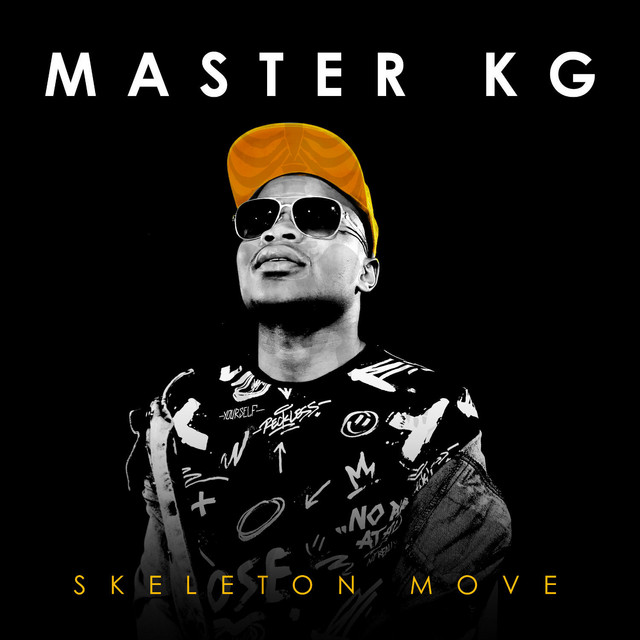
Skeleton Move
Master KG
Bolobedu House
Dance
2018
3
/5
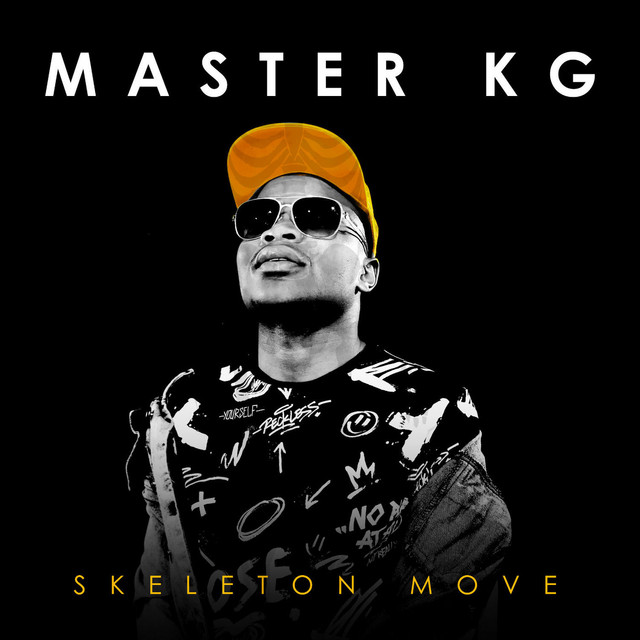
Skeleton Move
Master KG
Bolobedu House
Dance
Similar artists
3
/5
King Monada
Bolobedu House
Sepedi Pop
Gqom
3
/5
Rethabile Khumalo
Bolobedu House
Afro Soul
Afropop
1
/5
Various Artists
Afro-Funk
Alternative Rock
Ambient
2
/5
Hagan
Gqom
Afro House
Afro Tech
4
/5
DJ Maphorisa
Amapiano
Gqom
Afro House
4
/5
Kelvin Momo
Amapiano
Private School Piano
3-Step
4
/5
Dlala Thukzin
Afro House
3-Step
Gqom
3
/5
Bukzin Keyz
Amapiano
3-Step
Gqom
3
/5
Samthing Soweto
Amapiano
Gqom
Private School Piano
3
/5
Busiswa
Amapiano
Gqom
Afrobeats
Download our mobile app
Get the Melodigging app and start digging for new genres on the go
Download on the App Store
Get it on Google Play
© 2026 Melodigging
Give feedback
Legal
Melodding was created as a tribute to
Every Noise at Once
, which inspired us to help curious minds keep digging into music's ever-evolving genres.