Your digging level
Description
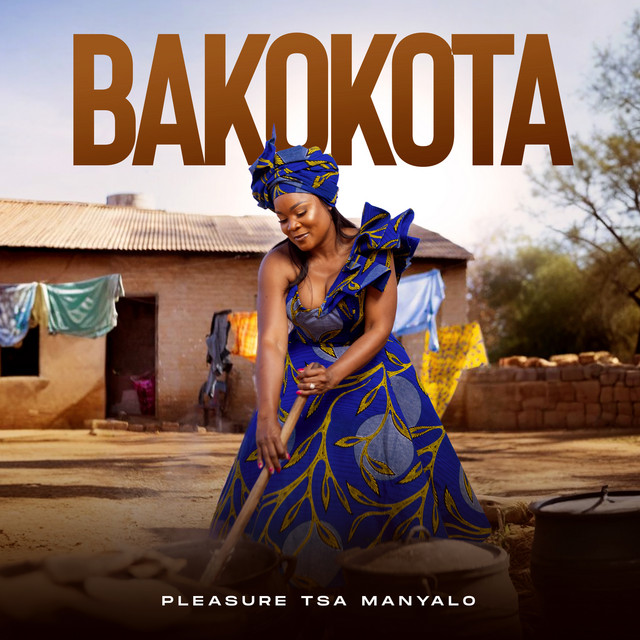
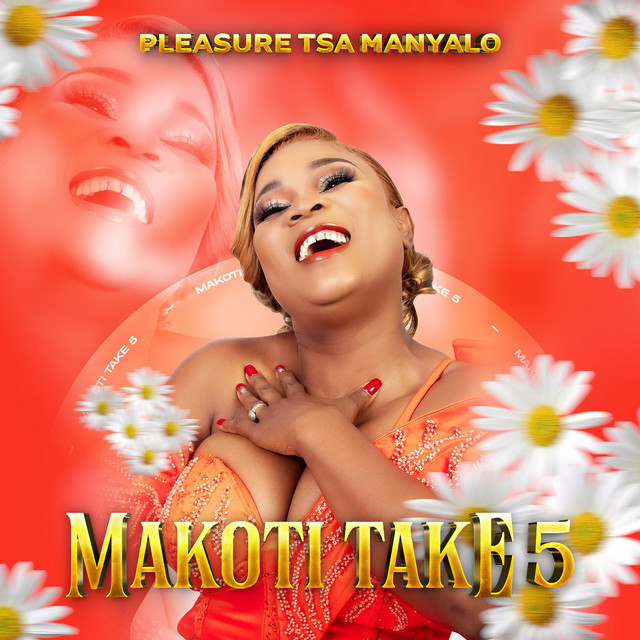
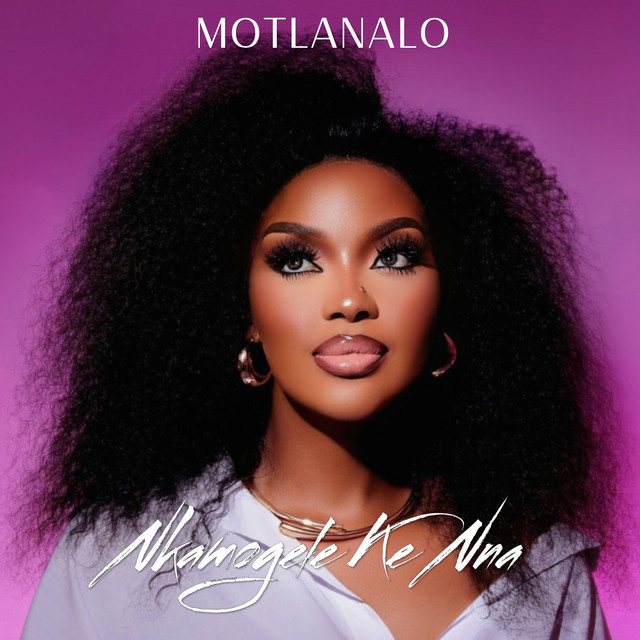
Sepedi pop is contemporary popular music sung primarily in Sepedi (Northern Sotho), centered in South Africa’s Limpopo and Gauteng provinces.
It blends the dance-floor aesthetics of house and kwaito with wedding-party (manyalo) vocal traditions, call-and-response hooks, and lyrical storytelling about love, family, and everyday life. Production commonly features catchy synth leads, bright chord stabs, handclaps, whistles, and prominent electronic percussion, while tempos range from mid- to uptempo dance grooves. In the 2020s, many tracks also absorb amapiano traits (log-drum bass, spacious pads) without losing Sepedi vocal identity.

History
Sepedi pop grows out of Northern Sotho (Sepedi) vocal traditions, especially manyalo (wedding-party) music in Limpopo. Through the 1990s and 2000s, township dance styles like kwaito and South African house provided a club-ready template that singers could apply to Sepedi melodies and communal call-and-response choruses.
By the 2010s, a recognizable Sepedi-language pop current emerged. Producers adapted marabi/mbaqanga-influenced chord movements to modern electronic drums and bright synths, while vocalists foregrounded Sepedi diction, idioms, and totems of social celebration (weddings, kinship, praise, courtship). Wedding-circuit artists helped popularize the style beyond live tents and community halls into radio and digital playlists.
In the 2020s, Sepedi pop frequently crosses into amapiano’s sound world—rolling log-drum basslines, airy pads, and halftime-feel breakdowns—yet remains anchored by Sepedi hooks and group refrains. Viral clips, TikTok dance challenges, and low-cost production tools further accelerated the spread, allowing local acts to travel from regional playlists to national charts while retaining community-focused lyrics and performance aesthetics.