Genres
Artists
Albums
Make Music
Sign in
Sign in
Artists
Alternative Dance
Artists
Alternative Dance
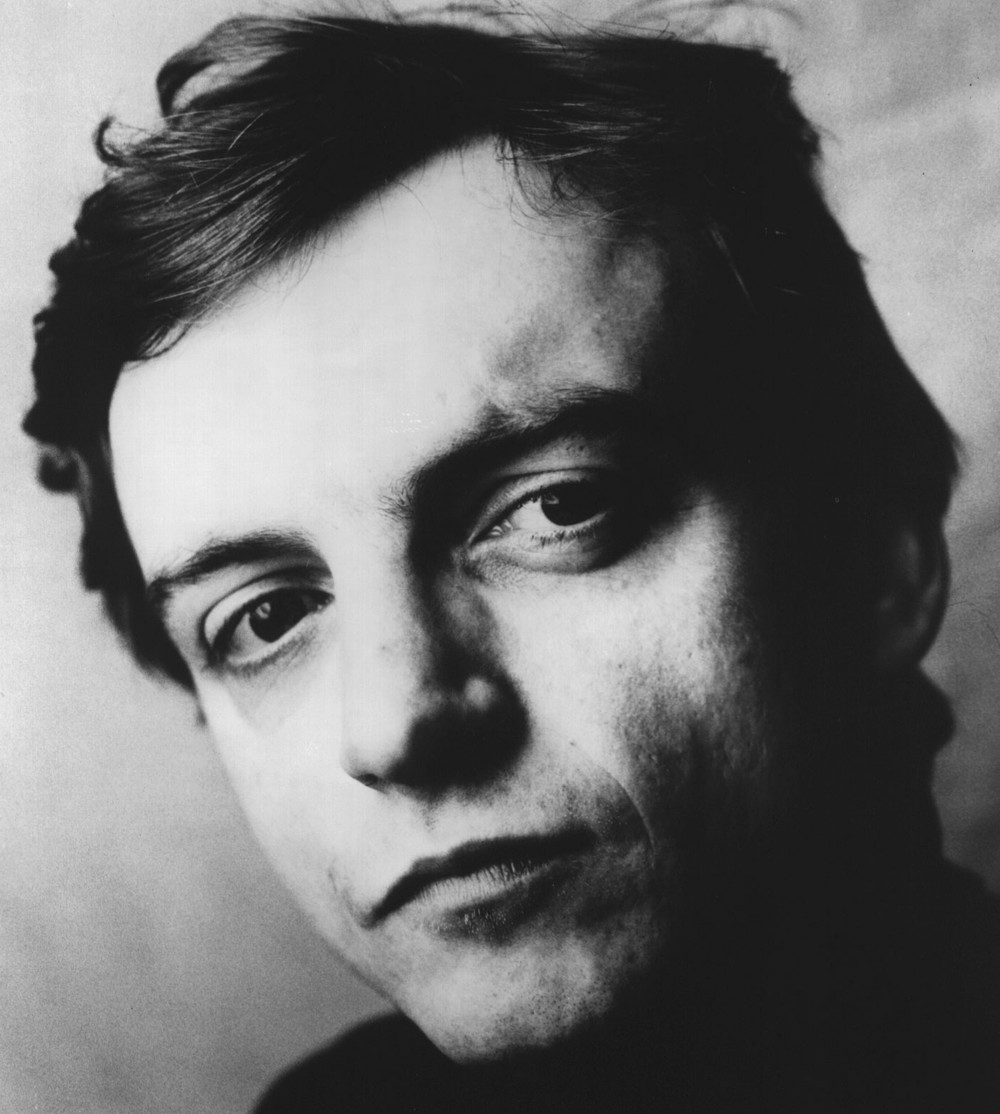
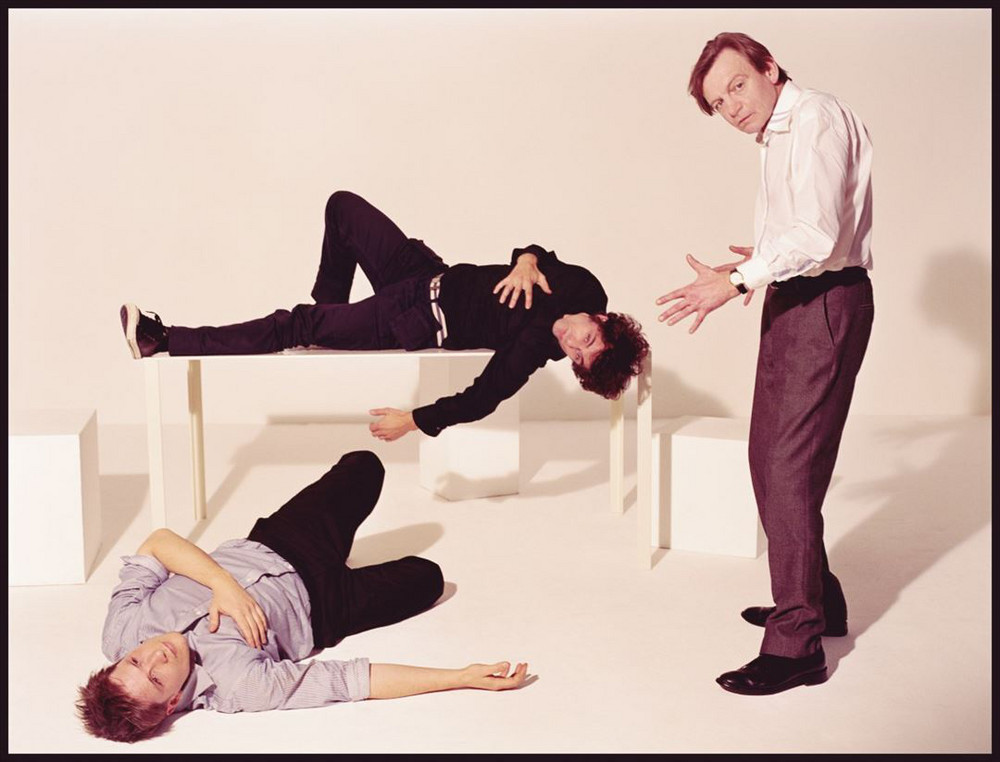
Mark E. Smith
1998
·
2 albums
Listen
3
/5
Genres
Gamecore
Gamecore is an internet-native electronic microgenre that fuses the timbres, melodies, and narrative tropes of classic and modern video game music with contemporary EDM songcraft. Its palette leans heavily on chiptune waveforms (square, triangle, noise), retro console/arcade sound effects, and leitmotif-style hooks, but frames them within club-forward rhythms and sound design drawn from electro house, future bass, glitch hop, dubstep, and drum & bass. The result is a bright, kinetic, and often nostalgic sound that feels like a “boss battle” drop or a euphoric level clear. Scenes and labels tied to VGM remix culture, doujin circles, and demoscene aesthetics helped codify the style, while streamers, esports content, and indie game culture amplified its reach.
Discover
Listen
Britpop Revival
Britpop revival is a 21st‑century resurgence of the bright, catchy guitar‑based British pop/rock associated with 1990s Britpop. Bands in this style channel the melodic immediacy, sing‑along choruses and wry, everyday storytelling of classic Britpop, itself rooted in 1960s British pop and mod. The sound typically features chiming or crunchy guitars, prominent hooks, mid‑to‑up‑tempo backbeats and anthemic refrains that celebrate local identity and ordinary life. Culturally, Britpop revival leans on nostalgia for the "Cool Britannia" moment while updating production sheen and festival‑ready dynamics, often positioning itself as a lively, communal alternative to darker indie trends.
Discover
Listen
Electroclash
Electroclash is a late-1990s/early-2000s fusion of 1980s synth-pop and new wave aesthetics with contemporary club-ready electro, techno, and house production. It pairs deadpan or detached vocals, sexually charged and ironic lyrics, and fashion-forward performance art with analog-sounding drum machines, biting synth basslines, and minimal, mechanical grooves. The style’s signature sound emphasizes retro timbres (saw/square leads, arpeggiators, vocoders), rigid four-on-the-floor or electro-funk rhythms, and a cool, decadent attitude that blurs underground club culture with pop spectacle.
Discover
Listen
Idm
IDM (often expanded as "Intelligent Dance Music") is a strand of experimental electronic music that applies the sound palette and production methods of club genres to listening-focused, often home-oriented works. It favors intricate rhythm programming, unusual time signatures, and richly textured sound design, blending ambient atmospheres with techno’s pulse, electro’s syncopation, and breakbeat’s fragmentation. The music often de-emphasizes the dancefloor in favor of headphone detail, algorithmic structure, and timbral exploration. The term itself is contentious—many artists rejected the "intelligent" label—yet it became a convenient tag for the early- to mid‑1990s cluster of Warp, Rephlex, and related scenes that foregrounded complexity, abstraction, and emotional ambiguity.
Discover
Listen
Leftfield
Leftfield is a broad umbrella term for experimental, boundary‑pushing electronic and dance music that sits to the "left" of the mainstream. Rather than adhering to standard club formulas, it privileges adventurous sound design, unexpected rhythms, and collage‑like production choices. While the term is sometimes used loosely, in practice it refers to a UK‑rooted sensibility that blends elements of house, techno, ambient, dub, breakbeat, and hip‑hop into unconventional forms. Leftfield music often emphasizes texture and atmosphere, favors asymmetry over predictable drops, and prizes originality over genre purity.
Discover
Listen
Alternative Dance
Alternative dance blends the textures and songwriting of alternative rock and post‑punk with club‑oriented rhythms and production. Born in the UK at the cusp of the late 1980s “Second Summer of Love,” it embraced house/acid house grooves, sequenced bass lines, and sampling while keeping indie sensibilities, guitars, and song structures. The result is music that works on a dancefloor but still reads like an alternative single. Typical hallmarks include four‑on‑the‑floor or breakbeat drums, jangly or funky guitars, prominent bass (often synth), euphoric pads, and hook‑forward vocals. Landmark albums like New Order’s Technique and Primal Scream’s Screamadelica helped define its palette and ethos.
Discover
Listen
Punk Poetry
Punk poetry is a spoken-word-centered offshoot of the punk movement that combines the directness, speed, and DIY ethos of punk rock with the cadence and performance of poetry. It privileges raw delivery, everyday language, dark humor, and political candor over ornate metaphor or academic formality. Typically performed in clubs, squats, and punk venues, punk poetry leans on minimalist musical backing—if any at all—so the voice stays at the center. Its texts often tackle class realities, urban life, social alienation, anti-authoritarian critique, and sardonic wit, channeling the punk insistence on saying things plainly and urgently.
Discover
Listen
Post-Punk
Post-punk is a broadly experimental strain of rock that emerged in the late 1970s as artists sought to push beyond the speed, simplicity, and orthodoxy of first-wave punk. It typically features angular, bass-forward grooves; jagged or minimal guitar lines; stark, spacious production; and an openness to dub, funk, electronic, and avant-garde ideas. Lyrics often examine alienation, urban decay, politics, and the inner life with artful or abstract delivery. A studio-as-instrument approach, emphasis on rhythm section interplay, and an appetite for non-rock textures (tape effects, drum machines, found sound, synths) distinguish the style. The result can be danceable yet tense, cerebral yet visceral, and emotionally restrained yet intensely expressive.
Discover
Listen
Spoken Word
Spoken word is a performance-centered genre where text—poems, monologues, stories, or manifestos—is delivered aloud with musicality in voice rather than through singing. It may be entirely a cappella or accompanied by sparse instrumentation (often jazz combos, ambient textures, or minimal electronics) that frames the cadence and rhetoric of the performer. The emphasis is on language: prosody, pacing, imagery, and argument. Pieces often explore personal narratives, social critique, and political themes, drawing on techniques such as internal rhyme, alliteration, and repetition. While recordings exist, the tradition is fundamentally live, prioritizing immediacy, audience engagement, and oratorical presence.
Discover
Listen
Electronic
Electronic is a broad umbrella genre defined by the primary use of electronically generated or electronically processed sound. It encompasses music made with synthesizers, drum machines, samplers, computers, and studio/tape techniques, as well as electroacoustic manipulation of recorded or synthetic sources. The genre ranges from academic and experimental traditions to popular and dance-oriented forms. While its sonic palette is rooted in electricity and circuitry, its aesthetics span minimal and textural explorations, structured song forms, and beat-driven club permutations. Electronic emphasizes sound design, timbre, and studio-as-instrument practices as much as melody and harmony.
Discover
Listen
Show all 10 genres
Albums
1998
1
/5
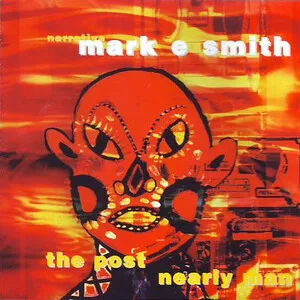
The Post Nearly Man
Mark E. Smith
Punk Poetry
Electronic
Leftfield
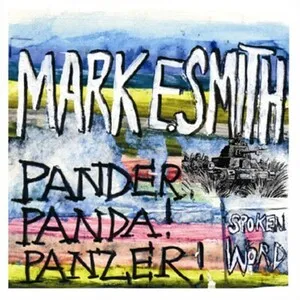
Pander! Panda! Panzer!
Mark E. Smith
Punk Poetry
Similar artists
1
/5
Von Südenfed
Alternative Dance
Electroclash
Idm
1
/5
Various Artists
Afro-Funk
Alternative Rock
Ambient
4
/5
C418
Ambient
Electronic
Idm
4
/5
Crystal Castles
Bitpop
Digital Hardcore
Nintendocore
4
/5
Machine Girl
Digital Hardcore
Breakcore
Jungle
3
/5
Soulwax
Mashup
Alternative Dance
Electroclash
3
/5
Ladytron
Synth-Pop
Alternative Dance
Electroclash
3
/5
Joey Cash
Electroclash
Experimental Club Music
Gamecore
3
/5
The Presets
Alternative Dance
Electroclash
Bloghouse
3
/5
The Rapture
Electrofox
Alternative Dance
Electroclash
Download our mobile app
Get the Melodigging app and start digging for new genres on the go
Download on the App Store
Get it on Google Play
© 2026 Melodigging
Give feedback
Legal
Melodding was created as a tribute to
Every Noise at Once
, which inspired us to help curious minds keep digging into music's ever-evolving genres.