Genres
Artists
Albums
Make Music
Sign in
Sign in
Artists
Samba-Reggae
Artists
Samba-Reggae
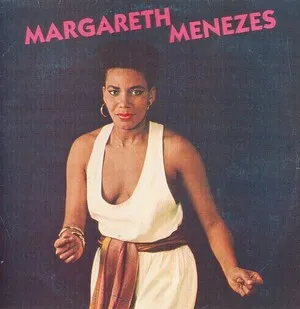
Margareth Menezes
1990–2019
·
5 albums
Listen
3
/5
Genres
Tulum
Tulum is a contemporary electronic dance music sound that crystallized around the boutique party scene in Tulum, Mexico, during the 2010s. It blends deep, organic house grooves with downtempo sensibilities, hand-played percussion, and "world"-leaning timbres such as oud, bansuri, handpan, and Latin guitar. The style favors warm, analog textures; modal, minor-key harmonies (often Dorian or Phrygian); long, reverb-washed atmospheres; and subtle, mantra-like vocals or chants. Tempos usually sit between 112–120 BPM, with earthy polyrhythms and shuffling, Afro- and Latin-influenced percussion propelling a hypnotic four-on-the-floor. Aesthetically, the Tulum sound is associated with sunrise/sunset beach settings, bohemian design, and a wellness-forward, festival-adjacent culture. Musically it overlaps with the broader “organic house/downtempo” movement while retaining a distinctly tropical, ritualistic character.
Discover
Listen
Pop Lgbtq+ Brasileira
Pop lgbtq+ brasileira is contemporary Brazilian pop created by openly LGBTQIA+ artists and rooted in the country’s club culture, internet-native scenes, and mainstream pop industry. Sonically, it blends glossy electropop and dance-pop with distinctly Brazilian rhythms and textures—most notably funk carioca’s tamborzão, brega/tecno-brega melodrama, axé’s carnival exuberance, and MPB’s lyrical sensibility. Productions often pull from reggaeton, house, trap-funk, and ballroom-vogue percussion, yielding high-energy tracks designed for both radio and dance floors. The genre is as much about voice and visibility as it is about hooks: lyrics commonly foreground queer love, pride, self-fashioning, resilience, and nightlife. Vocals range from diva belting to rap/sung hybrids, with campy, theatrical performance aesthetics that translate strongly to video and stage. The scene’s rise is tightly linked to streaming-era dynamics, YouTube/Instagram/TikTok virality, and collaborations with DJs and funk producers.
Discover
Listen
Twerk
Twerk is a high-energy club and festival style built around pounding 808 bass, head-nodding half‑time grooves at double‑time feel, and chantable hooks designed for the dancefloor. Typically sitting near 95–110 BPM, its percussion borrows the call‑and‑response patterns and bounce of New Orleans Bounce while embracing the sub‑heavy thump and party-forward attitude of Miami Bass. Modern productions often fold in trap-style hi-hats, crowd commands, and minimal, catchy riffs, prioritizing rhythm and movement over complex harmony.
Discover
Listen
Nova Mpb
Nova MPB ("new Música Popular Brasileira") is a contemporary wave of Brazilian popular music that renews the classic MPB ethos with indie, electronic, neo‑soul, and modern pop production. Artists in this scene preserve the melodic richness, poetic lyricism, and rhythmic DNA of bossa nova and samba while embracing lo‑fi textures, synth pads, and intimate, close‑mic vocals. Compared to classic MPB, nova MPB tends to be more minimalist and bedroom‑studio friendly, favoring warm, analog‑leaning timbres and restrained grooves. Lyrics often blend romantic and introspective themes with snapshots of urban life, identity, and the everyday, delivered in Portuguese with a natural, conversational flow.
Discover
Listen
Samba-Reggae
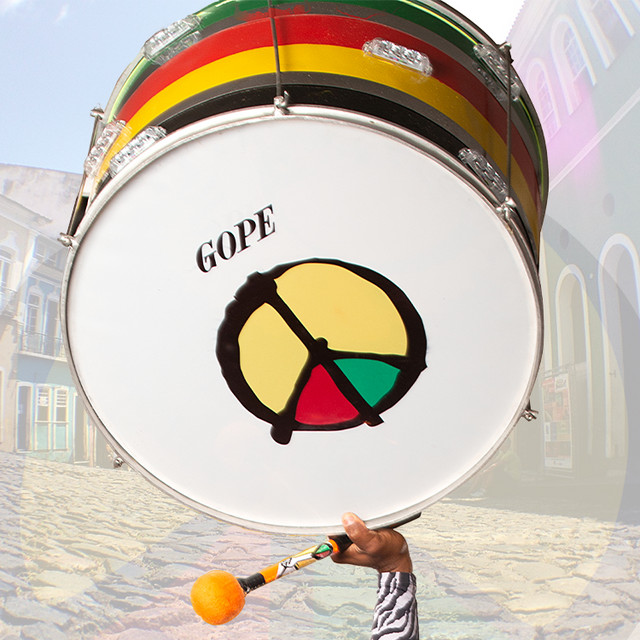
Samba-reggae is a Bahian Afro-Brazilian percussion-driven style that fuses the propulsive swing of samba with the off-beat lilt of Jamaican reggae. It is performed by large drum ensembles (blocos afro) whose surdos, caixas, repiniques, timbals, and shakers create a massive, syncopated groove. Typically slower than Rio-style samba and aligned to a reggae backbeat, samba-reggae emphasizes collective energy, call-and-response vocals, and choreography. Its sound became a musical emblem of Salvador’s carnival and a vehicle for Black pride, spirituality, and social commentary, later crossing into pop through collaborations with major international artists.
Discover
Listen
Axé
Axé is a high-energy popular music from Salvador, Bahia, that fuses Afro-Brazilian and Caribbean rhythms with pop and rock songcraft. Designed for massive Carnival parades, it pairs large percussion ensembles with bright electric guitars, brass hooks, and call-and-response vocals to drive dancing crowds along the trio elétrico (truck-mounted sound stages). Grounded in afoxê/ijexá and samba-reggae grooves, axé favors upbeat major-key melodies, anthemic choruses, and lyrics celebrating joy, love, summer, Afro-Bahian pride, and the collective ecstasy of the street party. Its sound is at once percussive and melodic: layered surdos, timbales, repiniques, and atabaques interlock beneath catchy horn lines and pop arrangements built to move tens of thousands of revelers.
Discover
Listen
Mpb
MPB (Música Popular Brasileira) is a broad Brazilian popular music movement that crystallized in the mid-1960s after bossa nova. It blends samba and other regional rhythms with jazz harmony, singer‑songwriter craft, and elements of contemporary pop and rock. The style is marked by sophisticated melodies, extended harmonies, inventive arrangements, and lyrically rich songs that often use poetry and metaphor. Many classic MPB works balance intimacy (voice and violão/nylon‑string guitar) with lush studio orchestration, drawing from samba‑canção, choro, baião, and frevo while engaging modern influences. Historically, MPB provided a platform for social commentary during Brazil’s military dictatorship, with artists employing allegory to navigate censorship. It remains a living tradition that continually renews itself through new generations (“nova MPB”).
Discover
Listen
Afoxê
Afoxê is an Afro‑Brazilian carnival music and performance tradition that emerged in Salvador da Bahia in the early 20th century. It is rooted in the Candomblé religion and centers on the ijexá (ijexá/ijexá) rhythm associated with the Ijexá nation of Yoruba origin. Beyond a musical style, afoxê denotes the cultural and religious blocos (processional groups) that present choreographed parades with call‑and‑response singing, ritual language, praise to orixás (deities), and an instrumentation led by atabaque drums, agogô bells, xequerê (shekere), and other hand percussion. While sacred in origin, afoxê became a visible, affirming expression of Afro‑Brazilian identity in Carnival, later informing popular Bahian music and the national soundscape.
Discover
Listen
Show all 8 genres
Albums
2019
1
/5
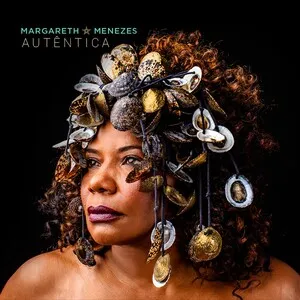
Autêntica
Margareth Menezes
Samba-Reggae
1993
2
/5
Luz dourada
Margareth Menezes
Samba-Reggae
1991
2
/5
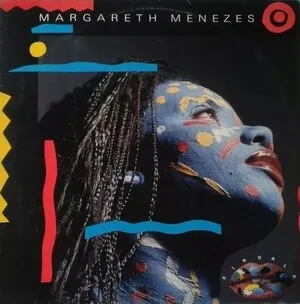
Kindala
Margareth Menezes
Samba-Reggae
Axé
1990
2
/5
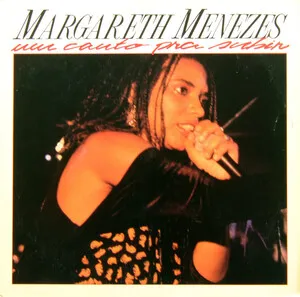
Um canto pra subir
Margareth Menezes
Samba-Reggae
Axé
Afoxê
Margareth Menezes
Margareth Menezes
Samba-Reggae
Similar artists
3
/5
BaianaSystem
Samba-Reggae
Axé
Afoxê
3
/5
Olodum
Samba-Reggae
Axé
Batucada
4
/5
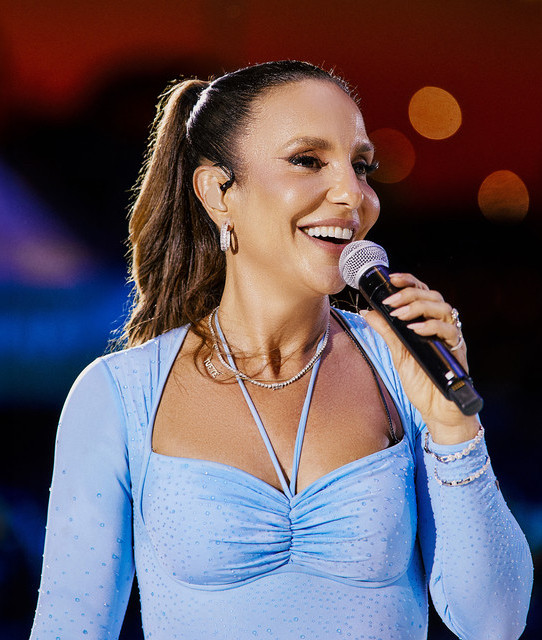
Ivete Sangalo
Samba-Reggae
Axé
Brazilian Pop
3
/5
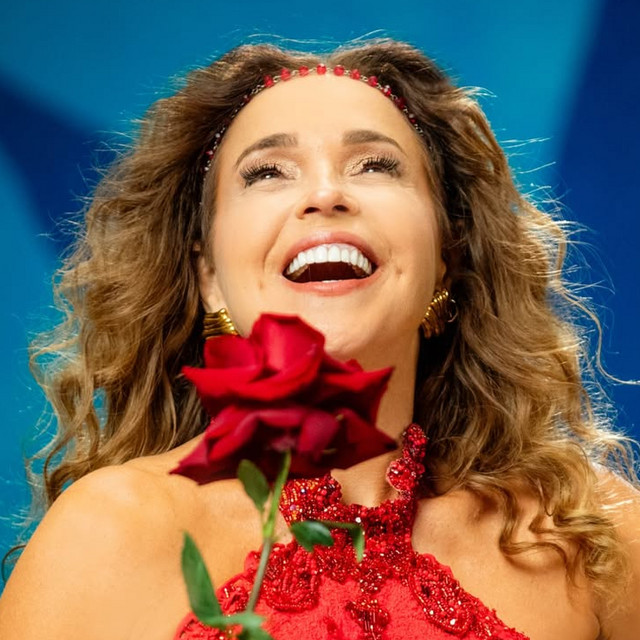
Daniela Mercury
Axé
Samba-Reggae
Mpb
3
/5
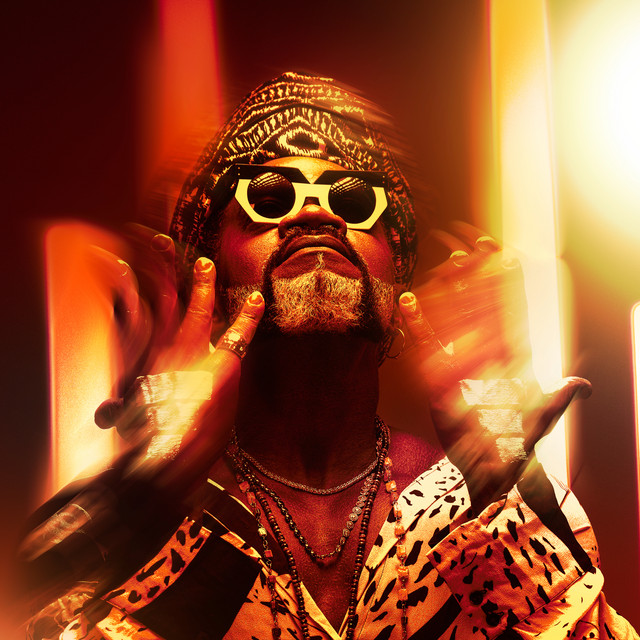
Carlinhos Brown
Samba-Reggae
Axé
Modern Downshift
3
/5
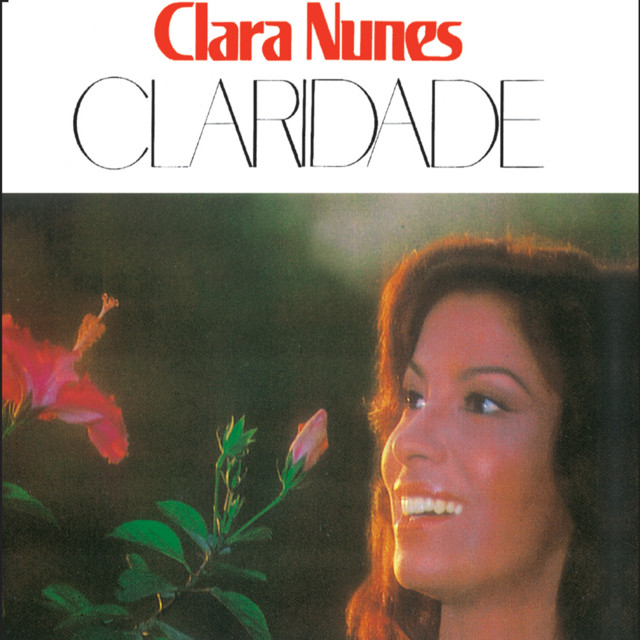
Clara Nunes
Afoxê
Axé
Forró
3
/5
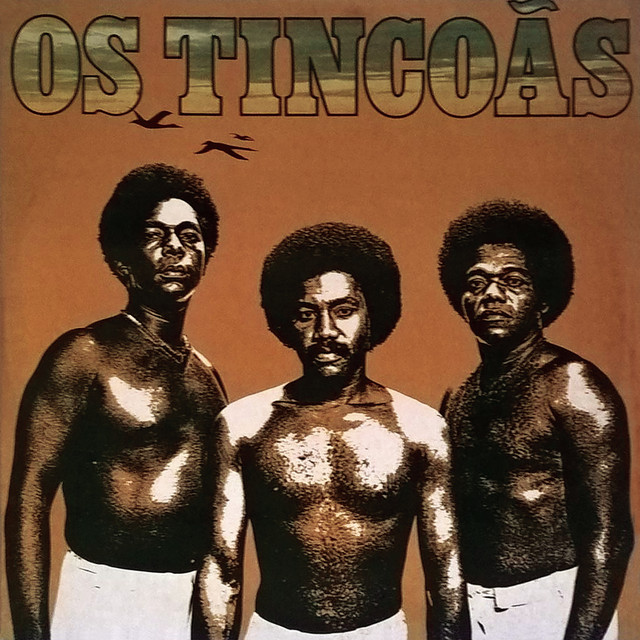
Os Tincoãs
Samba
Afoxê
Latin
2
/5
Juçara Marçal
Nova Vanguarda Paulistana
Nova Musica Paulista
Axé
4
/5
Caetano Veloso
Mpb
Bossa Nova
Tropicália
4
/5
Gilberto Gil
Tropicália
Mpb
Brazilian Jazz
Download our mobile app
Get the Melodigging app and start digging for new genres on the go
Download on the App Store
Get it on Google Play
© 2026 Melodigging
Give feedback
Legal
Melodding was created as a tribute to
Every Noise at Once
, which inspired us to help curious minds keep digging into music's ever-evolving genres.