Genres
Artists
Albums
Make Music
Sign in
Sign in
Artists
Baroque
Artists
Baroque
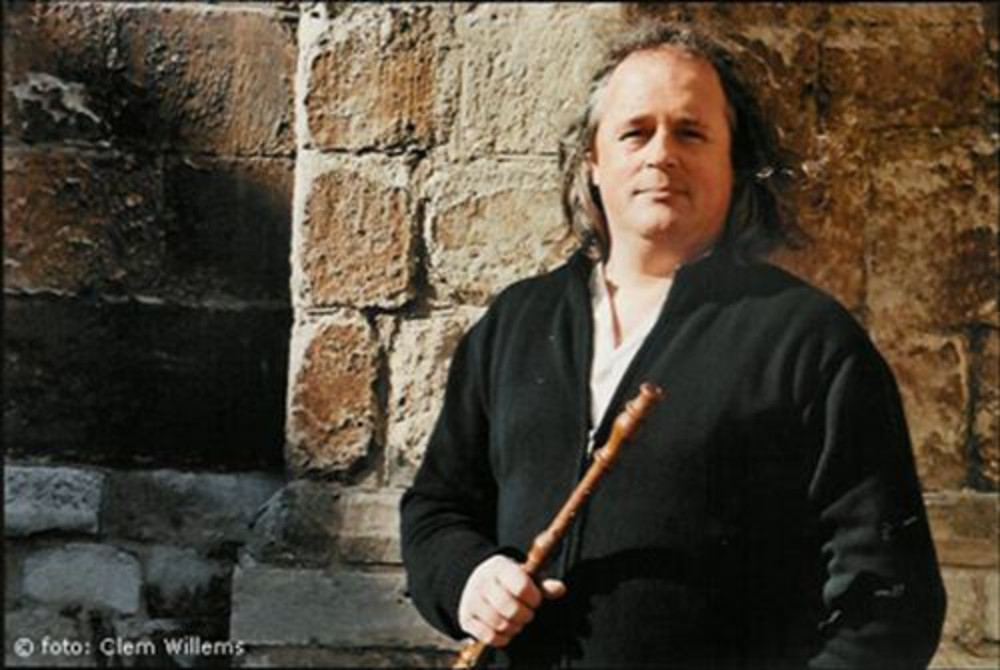
Marcel Ponseele
2000
·
1 album
Listen
2
/5
Genres
Historically Informed Performance
Historically informed performance (HIP) is a performance practice that aims to recreate music using the instruments, techniques, tunings, ensemble sizes, and interpretive habits that were current when the works were first written. Rather than being a fixed sound, HIP is a research‑driven approach that reads treatises, scores, letters, iconography, and archival evidence to decide how to articulate, ornament, tune, phrase, and balance the music. Although it is most closely associated with Medieval, Renaissance, Baroque, and early Classical repertories, HIP has expanded into Beethoven, Schubert, Mendelssohn, Brahms, and even early twentieth‑century music. Core elements include period instruments (or replicas), historically appropriate pitch standards and temperaments, rhetorical phrasing aligned with dance and speech, and improvisatory practices such as extempore ornamentation and continuo realization.
Discover
Listen
Concerto
A concerto is a large-scale composition that sets one or more solo instruments in dynamic dialogue with an orchestra. Its core idea is contrast—between soloist and tutti—and the dramatic negotiation of power, color, and thematic responsibility. While Baroque concertos often relied on ritornello form, the Classical era standardized a three-movement plan (fast–slow–fast) with sonata principles in the opening movement. The Romantic period emphasized virtuosity and expressive foregrounding of the soloist, and the 20th–21st centuries broadened the palette with new instruments, harmonies, and formats. Across eras, the concerto remains a showcase for instrumental character, technical brilliance, and the art of orchestral conversation.
Discover
Listen
Classical Oboe
Classical oboe refers to Western art‑music written for, or prominently featuring, the oboe and its close relatives (oboe d’amore, English horn/cor anglais). Emerging from the Baroque era after the shawm evolved into the hautbois in France, the oboe became a primary color in orchestral, chamber, and concerto settings. Its timbre is penetrating yet lyrical—capable of pastoral sweetness and plaintive melancholy—and it often carries cantabile melodies in symphonies, concertos, sonatas, and chamber works. The repertoire spans solo concertos and sonatas, obbligato arias in opera and sacred music, woodwind quintets, and modern solo/ensemble works, with idioms and techniques that changed across Baroque, Classical, Romantic, and contemporary styles.
Discover
Listen
Baroque
Baroque is a period and style of Western art music spanning roughly 1600–1750. It is characterized by the birth of functional tonality, the widespread use of basso continuo (figured bass), and a love of contrast—between soloist and ensemble, loud and soft, and different timbres. Hallmark genres and forms of the era include opera, cantata, oratorio, concerto (especially the concerto grosso), dance suite, sonata, and fugue. Textures range from expressive monody to intricate counterpoint, and melodies are richly ornamented with trills, mordents, and appoggiaturas. Baroque music flourished in churches, courts, and theaters across Europe, with regional styles (Italian, French, German, English) shaping distinctive approaches to rhythm, dance, harmony, and ornamentation.
Discover
Listen
Chamber Music
Chamber music is a tradition of composed music for small ensembles—typically one player per part—intended for intimate spaces such as courts, salons, and private rooms rather than large public halls. Its aesthetic emphasizes clarity of texture, conversational interplay among parts, and balance without a conductor. Hallmark formations include the string quartet, piano trio, wind quintet, string quintet, and various mixed ensembles. Multi‑movement cycles (often in sonata form) and finely wrought counterpoint are common, ranging from Baroque trio sonatas to Classical string quartets and modern works with expanded timbres and techniques. Because of its scale and transparency, chamber music has long been a proving ground for compositional craft and ensemble musicianship, shaping the core of Western art music from the Baroque through the present.
Discover
Listen
Baroque Woodwind
Baroque woodwind refers to the repertoire, instruments, and performance practices for wind instruments during the Baroque era (ca. 1600–1750). Core instruments include the recorder (blockflute), the one-keyed transverse flute (traverso), the Baroque oboe (hautbois), and the bassoon (evolving from the dulcian). These instruments were built with different bores, fingerings, and reeds from modern counterparts, yielding a more vocal, reedy, and delicately colored sound. The style embraces solo sonatas with basso continuo, trio sonatas, orchestral suites, and concerti—often framed by dance-derived forms and ritornello structures. Ornamentation (agréments), rhetorical phrasing, notes inégales (in French contexts), and affect-driven articulation are essential, along with historically typical pitch (often around A=415) and well/meantone temperaments.
Discover
Listen
Albums
2000
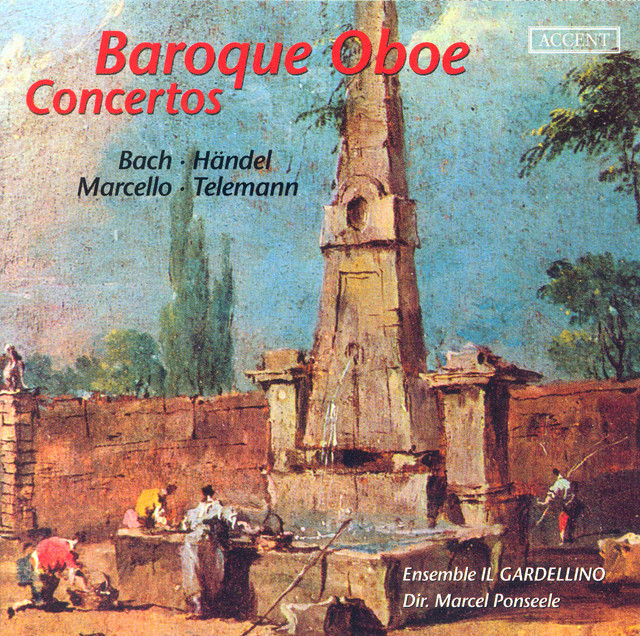
Marcello, A.: Oboe Concerto in D Minor / Telemann, G.P.: Oboe Concerto in F Minor / Handel, G.F.: Oboe Concerto No. 3
Marcel Ponseele
Baroque Woodwind
Classical Oboe
Historically Informed Performance
Similar artists
4
/5
Johann Sebastian Bach
Baroque
Classical
Baroque Suite
3
/5
Trevor Pinnock
Baroque
Concerto
Classical
3
/5
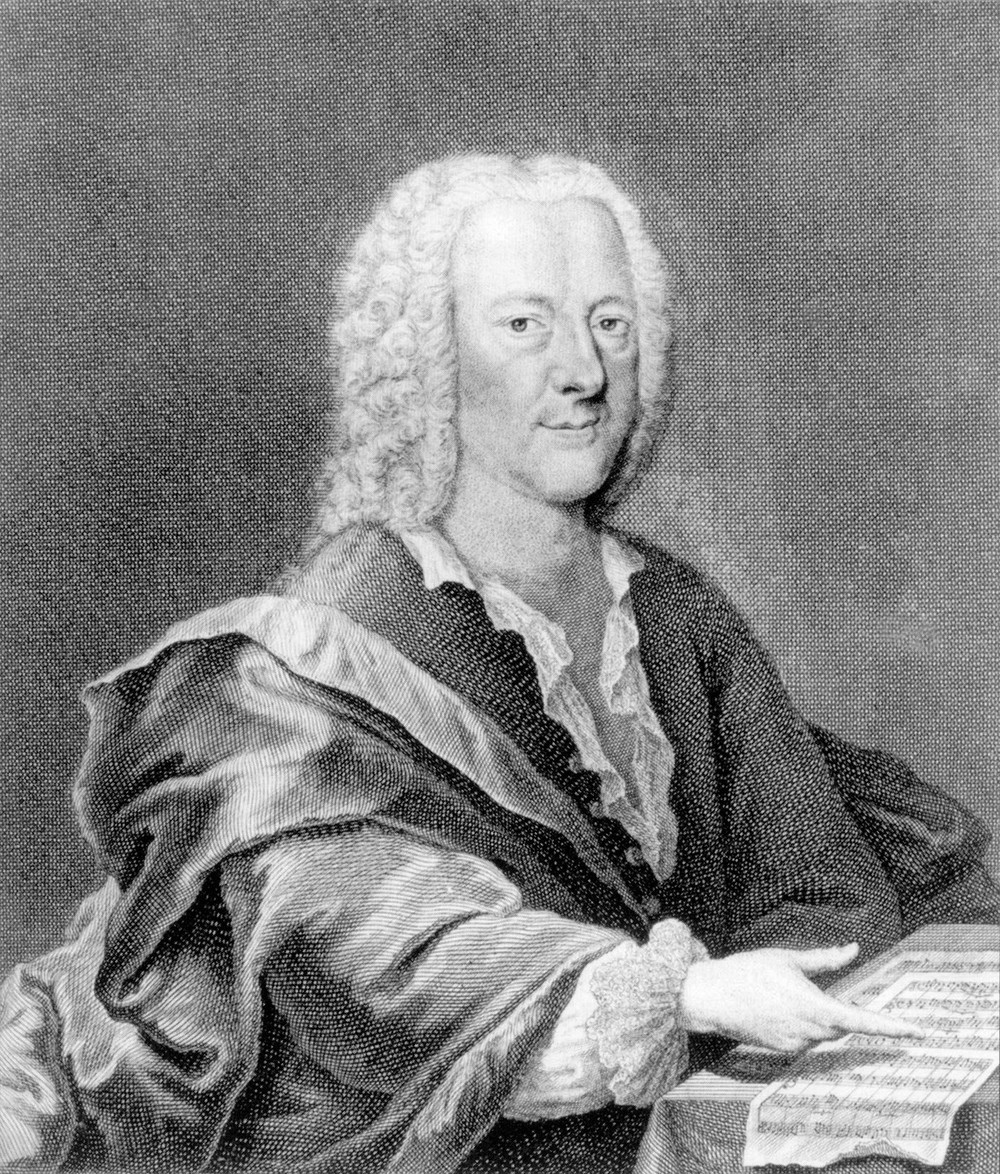
Georg Philipp Telemann
Baroque Woodwind
Fantasia
Recorder
3
/5
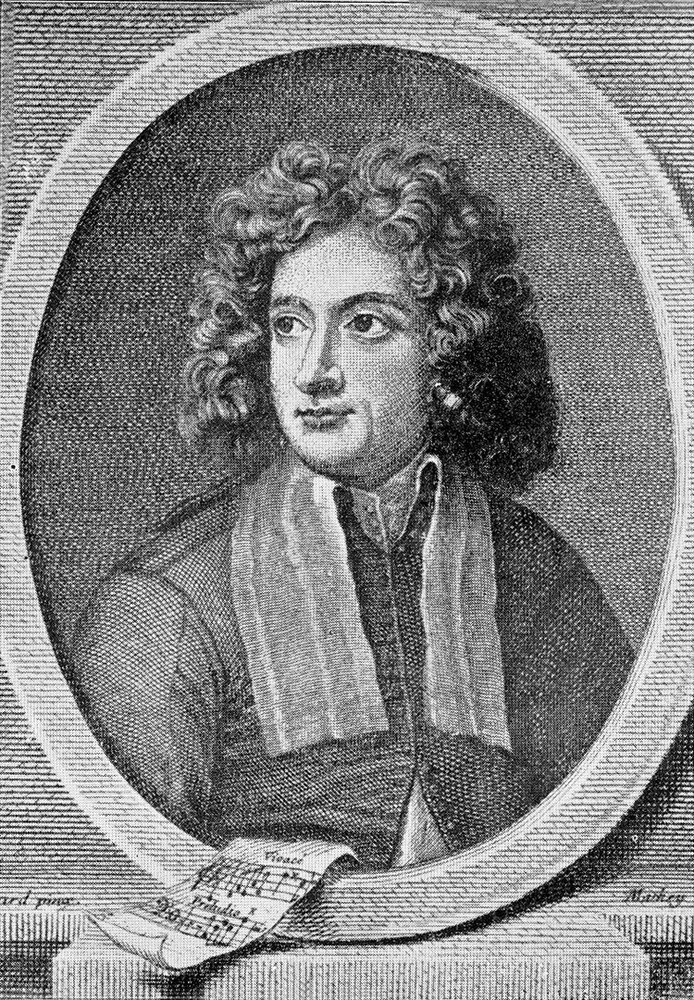
Arcangelo Corelli
Baroque
Baroque Violin
Classical
3
/5
Pieter-Jan Belder
Baroque
Chamber Music
Classical
3
/5
Andrew Manze
Classical
Concerto
Baroque
3
/5
Ottavio Dantone
Baroque
Baroque Violin
Chamber Music
3
/5
Musica Amphion
Baroque
Chamber Music
Classical
2
/5
Chiara Banchini
Baroque
Classical
Concerto
2
/5
Paul Dombrecht
Baroque
Chamber Music
Classical
Download our mobile app
Get the Melodigging app and start digging for new genres on the go
Download on the App Store
Get it on Google Play
© 2026 Melodigging
Give feedback
Legal
Melodding was created as a tribute to
Every Noise at Once
, which inspired us to help curious minds keep digging into music's ever-evolving genres.