Genres
Artists
Albums
Make Music
Sign in
Sign in
Albums
By Marcel Ponseele
Albums
By Marcel Ponseele
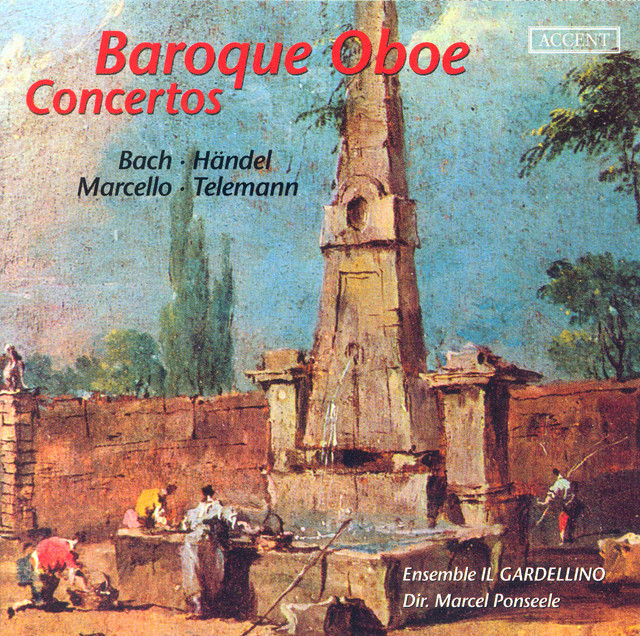
Marcello, A.: Oboe Concerto in D Minor / Telemann, G.P.: Oboe Concerto in F Minor / Handel, G.F.: Oboe Concerto No. 3
January 1, 2000
Listen
Genres
Historically Informed Performance
Historically informed performance (HIP) is a performance practice that aims to recreate music using the instruments, techniques, tunings, ensemble sizes, and interpretive habits that were current when the works were first written. Rather than being a fixed sound, HIP is a research‑driven approach that reads treatises, scores, letters, iconography, and archival evidence to decide how to articulate, ornament, tune, phrase, and balance the music. Although it is most closely associated with Medieval, Renaissance, Baroque, and early Classical repertories, HIP has expanded into Beethoven, Schubert, Mendelssohn, Brahms, and even early twentieth‑century music. Core elements include period instruments (or replicas), historically appropriate pitch standards and temperaments, rhetorical phrasing aligned with dance and speech, and improvisatory practices such as extempore ornamentation and continuo realization.
Discover
Listen
Classical Oboe
Classical oboe refers to Western art‑music written for, or prominently featuring, the oboe and its close relatives (oboe d’amore, English horn/cor anglais). Emerging from the Baroque era after the shawm evolved into the hautbois in France, the oboe became a primary color in orchestral, chamber, and concerto settings. Its timbre is penetrating yet lyrical—capable of pastoral sweetness and plaintive melancholy—and it often carries cantabile melodies in symphonies, concertos, sonatas, and chamber works. The repertoire spans solo concertos and sonatas, obbligato arias in opera and sacred music, woodwind quintets, and modern solo/ensemble works, with idioms and techniques that changed across Baroque, Classical, Romantic, and contemporary styles.
Discover
Listen
Baroque Woodwind
Baroque woodwind refers to the repertoire, instruments, and performance practices for wind instruments during the Baroque era (ca. 1600–1750). Core instruments include the recorder (blockflute), the one-keyed transverse flute (traverso), the Baroque oboe (hautbois), and the bassoon (evolving from the dulcian). These instruments were built with different bores, fingerings, and reeds from modern counterparts, yielding a more vocal, reedy, and delicately colored sound. The style embraces solo sonatas with basso continuo, trio sonatas, orchestral suites, and concerti—often framed by dance-derived forms and ritornello structures. Ornamentation (agréments), rhetorical phrasing, notes inégales (in French contexts), and affect-driven articulation are essential, along with historically typical pitch (often around A=415) and well/meantone temperaments.
Discover
Listen
Similar albums
2014
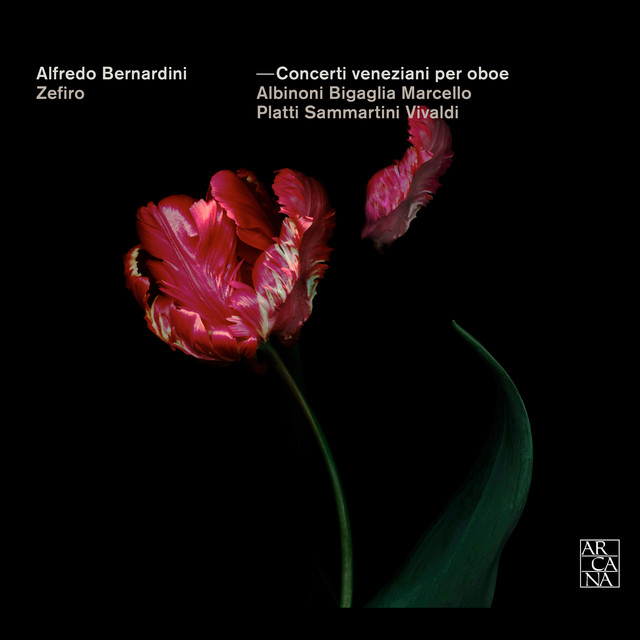
Concerti veneziani per oboe
Alfredo Bernardini, Ensemble Zefiro
1993
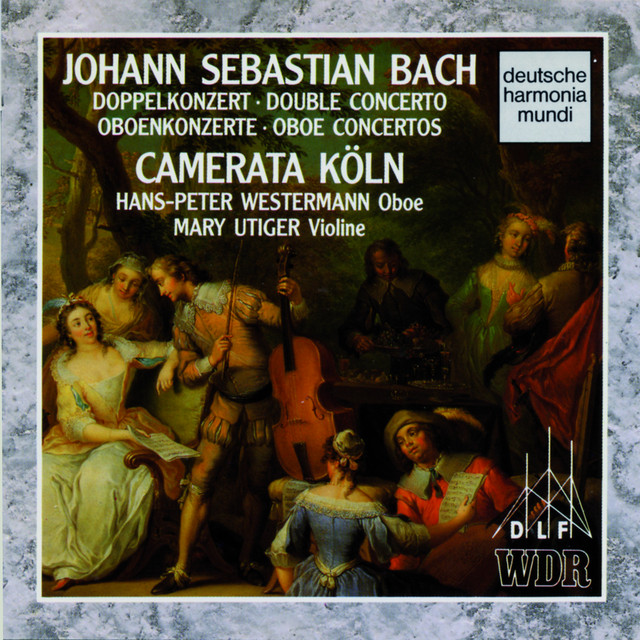
Bach Concertos For Oboe
Johann Sebastian Bach, Camerata Köln
1989
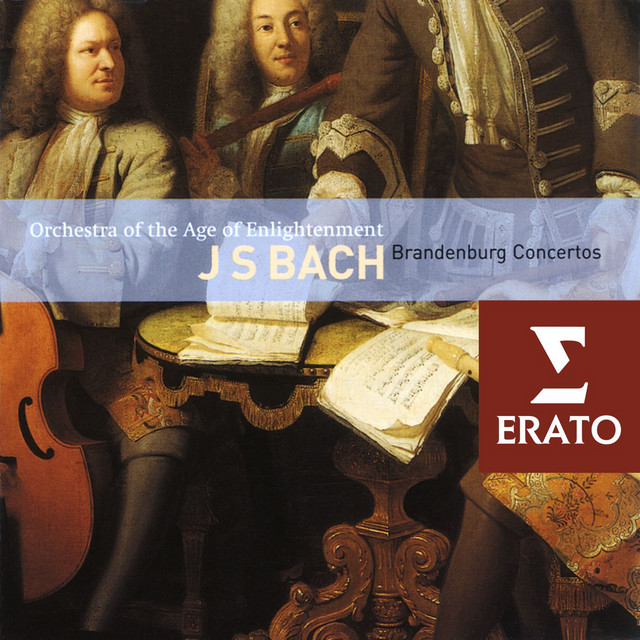
The Brandenburg Concertos
Johann Sebastian Bach / Orchestra of the Age of Enlightenment
1999
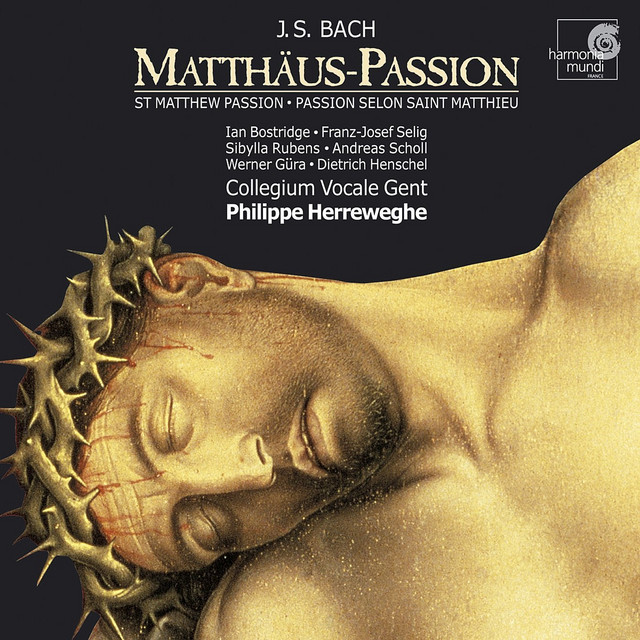
Matthäus-Passion
Johann Sebastian Bach
2008
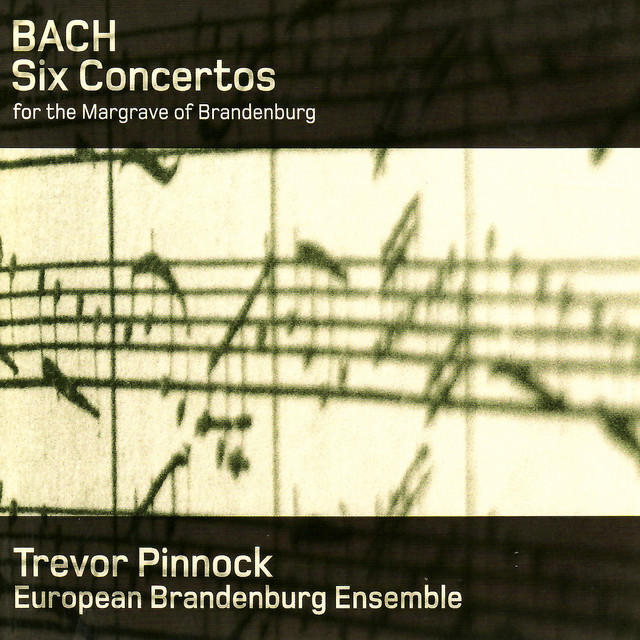
Six Concertos for the Margrave of Brandenburg
Johann Sebastian Bach / European Brandenburg Ensemble / Trevor Pinnock
2013
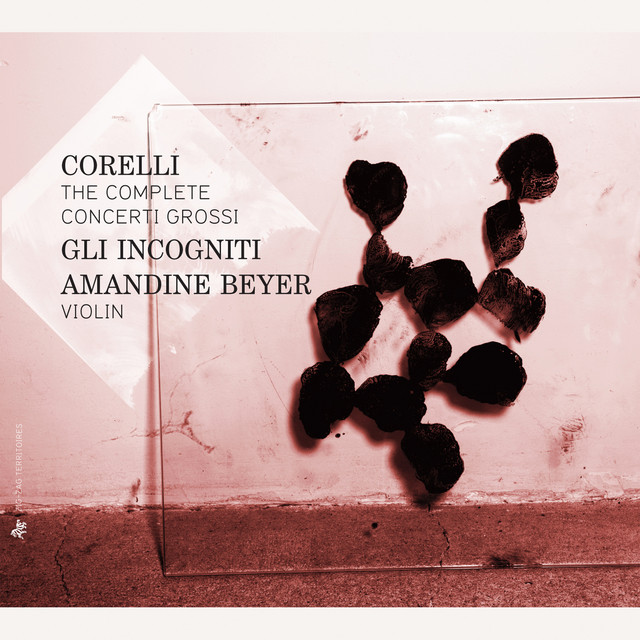
Complete Concerti Grossi
Arcangelo Corelli / Gli Incogniti / Amandine Beyer
1995
Stabat Mater
Antonio Vivaldi
1988
Vivaldi: Flute Concertos & Recorder Concertos
Vivaldi; Janet See, Marion Verbruggen, Philharmonia Baroque Orchestra, Nicholas…
2024
Violin Sonatas Nos. 1-8, C. 138-145
Biber; Gunar Letzbor & Ars Antiqua Austria
2003
Rameau: Six Concerts en sextuor
Jean-Philippe Rameau, Les Talens Lyriques, Christophe Rousset
Download our mobile app
Get the Melodigging app and start digging for new genres on the go
Download on the App Store
Get it on Google Play
© 2026 Melodigging
Give feedback
Legal
Melodding was created as a tribute to
Every Noise at Once
, which inspired us to help curious minds keep digging into music's ever-evolving genres.