Genres
Artists
Albums
Make Music
Sign in
Sign in
Artists
Expressionism
Artists
Expressionism
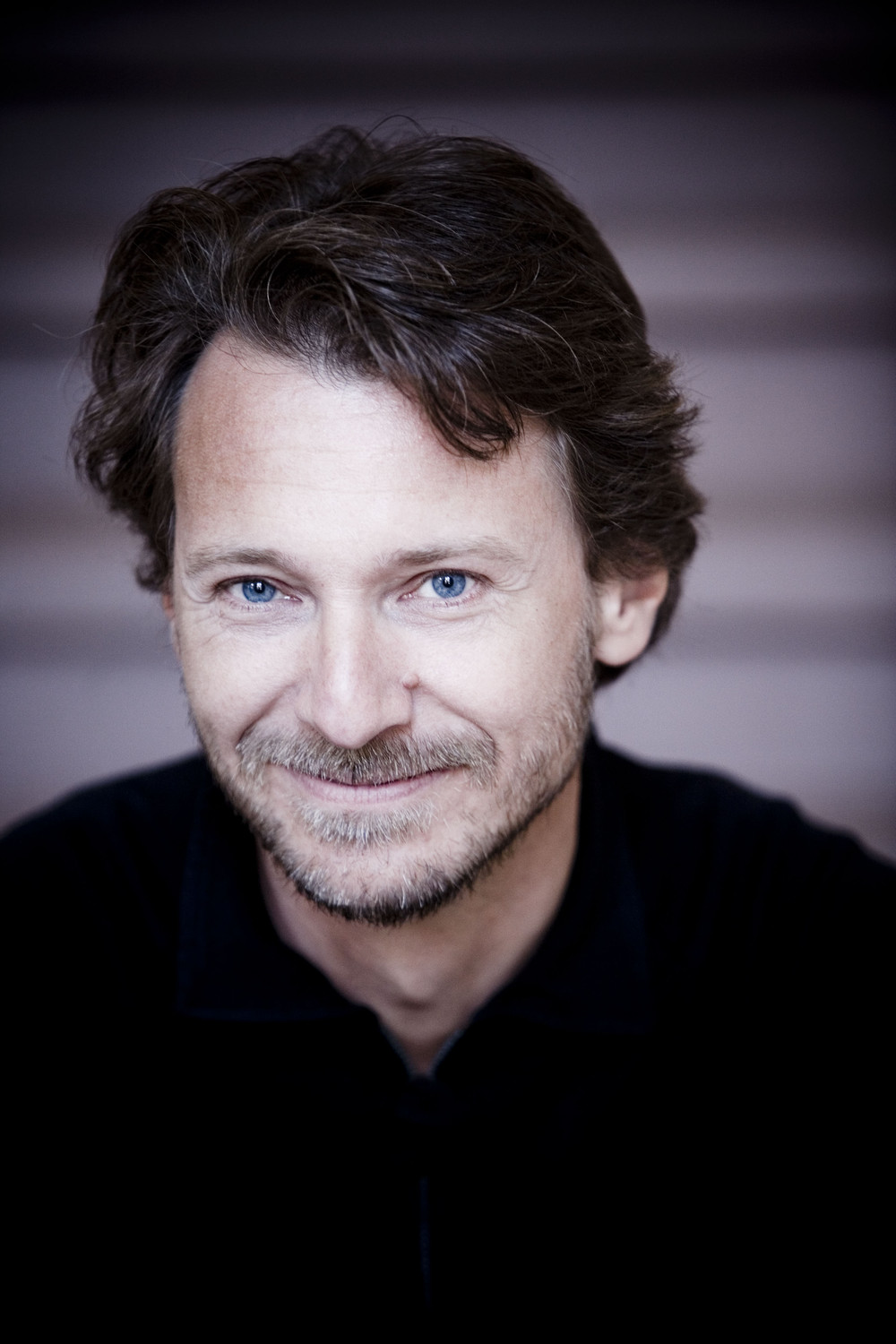
Marc Albrecht
2018
·
1 album
Listen
1
/5
Genres
Expressionism
Expressionism in music is an early-20th-century modernist movement that foregrounds inner psychological states, anxiety, and alienation through highly charged sonic language. It abandons traditional tonal centers in favor of atonality or extreme chromaticism, embraces dissonance without immediate resolution, and often fragments melody into sharp, angular gestures. Textures favor clarity and intensity: chamber forces, extreme registers, abrupt contrasts of dynamics and timbre, and sparse, aphoristic forms are common. Composers experiment with Sprechstimme (speech-like vocalization), Klangfarbenmelodie (melody distributed across changing timbres), and rapidly shifting meters to intensify expression. Vocal works (monodramas, song cycles) and concise instrumental miniatures became emblematic vehicles for psychological drama.
Discover
Listen
Orchestral Performance
Orchestral performance refers to the live or studio presentation of music by a full orchestra—strings, woodwinds, brass, and percussion—under the direction of a conductor. It is less a compositional genre than a performance tradition that interprets repertory from the Baroque era to contemporary works. Its core values are balance among sections, timbral blend, dynamic control, and expressive phrasing shaped by conducting technique and ensemble discipline. Venue acoustics, seating plans, and modern recording practices (from single-point to multi-mic arrays) further define how orchestral performance is experienced. Although most closely associated with Western classical repertoire, orchestral performance practices have also shaped film music, symphonic rock/metal, and large-scale jazz projects.
Discover
Listen
Classical
Classical music is the notated art-music tradition of Europe and its global descendants, characterized by durable forms, carefully codified harmony and counterpoint, and a literate score-based practice. The term “classical” can refer broadly to the entire Western art-music lineage from the Medieval era to today, not just the Classical period (c. 1750s–1820s). It privileges long-form structures (such as symphonies, sonatas, concertos, masses, and operas), functional or modal harmony, thematic development, and timbral nuance across ensembles ranging from solo instruments to full orchestras and choirs. Across centuries, the style evolved from chant and modal polyphony to tonal harmony, and later to post-tonal idioms, while maintaining a shared emphasis on written notation, performance practice, and craft.
Discover
Listen
Albums
2018
1
/5
Pferde, Jungs und Zungenküsse
Marc Albrecht
Orchestral Performance
Similar artists
4
/5
Herbert von Karajan
Classical
Symphonic Poem
Symphony
3
/5
Karl Böhm
Classical
Classical Period
Opera
3
/5
Sir Georg Solti
Classical
Romantic Classical
Romanticism
3
/5
Riccardo Chailly
Classical
Classical Bass
Classical Tenor
4
/5
Claudio Abbado
Classical
Concerto
Expressionism
3
/5
Glenn Gould
Baroque
Classical
Fugue
3
/5
Chicago Symphony Orchestra
Classical
Concerto
Expressionism
3
/5
Pierre Boulez
Classical
Expressionism
Impressionism
3
/5
Igor Stravinsky
Ballet
Neoclassicism
Classical
3
/5
Peter Maxwell Davies
Classical
Concerto
Expressionism
Download our mobile app
Get the Melodigging app and start digging for new genres on the go
Download on the App Store
Get it on Google Play
© 2026 Melodigging
Give feedback
Legal
Melodding was created as a tribute to
Every Noise at Once
, which inspired us to help curious minds keep digging into music's ever-evolving genres.