Genres
Artists
Albums
Make Music
Sign in
Sign in
Artists
Deep Space Rock
Artists
Deep Space Rock
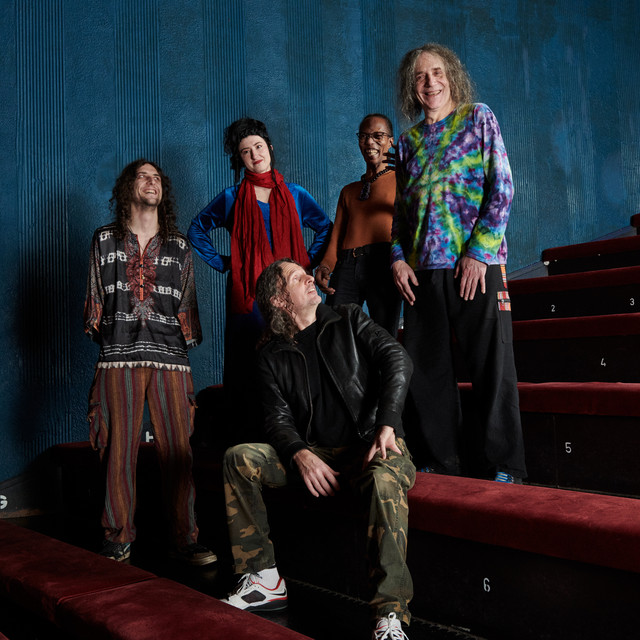
Man
1969–2009
·
8 albums
Listen
1
/5
Genres
Deep Space Rock
Deep space rock is an expansive, atmospheric branch of space rock that emphasizes long-form structures, weightless textures, and a sense of cosmic scale. Guitars are drenched in delay and reverb (often with fuzz for lift-offs), synthesizers provide drifting pads and cosmic bleeps, and rhythm sections lock into hypnotic, steady patterns that evoke forward motion through the void. The style sits at the crossroads of classic space rock, krautrock’s motorik pulse, progressive rock’s dynamics, shoegaze’s textural wash, and ambient music’s headroom, creating immersive, cinematic journeys rather than song-centered vignettes.
Discover
Listen
Pub Rock
Pub rock is a back-to-basics British rock movement that took shape in small bars and clubs, emphasizing tight live playing, unfussy songwriting, and a no-frills image. It rejected the theatrical excesses of glam and the complexity of progressive rock in favor of short, punchy songs rooted in 1950s/60s rhythm & blues, rock and roll, country rock, and rockabilly. Built around the UK pub circuit, bands played at close quarters to the audience, with modest sound systems and minimal stage production. The result was a raw, energetic, and highly danceable sound—often driven by 12‑bar blues structures, shuffles, boogie grooves, and jangly or crunchy guitars—that celebrated the immediacy of live performance and set the stage for UK punk and new wave.
Discover
Listen
Space Rock
Space rock is a psychedelic branch of rock characterized by long-form, hypnotic grooves, swirling guitars awash in delay and reverb, and prominent analog synthesizers that evoke cosmic or interstellar imagery. The music often emphasizes texture and atmosphere over conventional song structures, creating expansive soundscapes that feel weightless and otherworldly. Emerging in late-1960s Britain from the overlap of psychedelic rock, early progressive rock, and experimental electronics, space rock frequently employs motorik-leaning rhythms, modal or drone-based harmony, and science-fiction themes. Extended improvisations, phased and fuzz-drenched timbres, and tape or echo effects are common, encouraging a sense of forward drift and cosmic exploration.
Discover
Listen
Jam Band
Jam band is a rock-centered style defined by extended improvisation, fluid song structures, and live performance as the core creative medium. It blends elements of psychedelic rock, blues, jazz, country rock, folk rock, funk, and bluegrass, favoring modal grooves and open-ended forms over radio-length arrangements. Sets commonly feature segues between songs, dynamic builds and releases, and thematic development in real time—turning concerts into unique, unrepeatable experiences. Audience culture (taping, trading, and multi-night runs) and a festival ecosystem are integral to the genre’s identity, making the community as central as the repertoire.
Discover
Listen
Acid Rock
Acid rock is a heavier, louder, and more improvisation-driven branch of psychedelic rock that emerged in the mid-to-late 1960s. It is characterized by extended guitar solos, distorted and feedback-laden textures, modal or drone-based harmony, and a strong emphasis on trance-inducing grooves. The style was closely tied to the counterculture and LSD-fueled happenings of the era, particularly on the U.S. West Coast. Musically, it blends blues-rock’s grit, garage rock’s raw energy, folk-rock’s modal harmonies, and raga-influenced drones, then amplifies everything—volume, duration, and intensity—into hypnotic, often explosive performances.
Discover
Listen
Progressive Rock
Progressive rock is a rock subgenre that expands the genre’s formal, harmonic, and conceptual boundaries. It favors long-form compositions, intricate arrangements, and virtuosic musicianship, often drawing on Western classical, jazz, folk, and psychedelic idioms. Typical hallmarks include multi-part suites, shifting time signatures, extended instrumental passages, recurring motifs, and concept albums that present unified themes or narratives. The sound palette commonly features electric guitar, bass, and drums alongside an array of keyboards (Hammond organ, Mellotron, Moog/ARP synthesizers, piano), woodwinds or brass, and occasional orchestral additions. Lyrics often explore science fiction, mythology, philosophy, social commentary, and introspective themes.
Discover
Listen
Blues Rock
Blues rock is a guitar-driven style that fuses the raw feeling and 12‑bar structures of the blues with the power, volume, and rhythmic punch of rock. It emphasizes riff-based songs, pentatonic and blues-scale soloing, call‑and‑response between voice and guitar, and an expressive, often gritty vocal delivery. Typical ensembles are power trios (guitar, bass, drums) or quartet formats adding second guitar, keyboards, or harmonica, and performances commonly feature extended improvisation. Sonically, it favors overdriven tube-amp tones, sustained bends, vibrato, and dynamic contrasts, moving from shuffles and boogies to straight‑eighth rock grooves.
Discover
Listen
Psychedelic Rock
Psychedelic rock is a style of rock music that seeks to evoke, simulate, and expand altered states of consciousness through sound. It typically features timbral experimentation (fuzz, wah, tape delay, phasing), drones, modal or raga-influenced harmony, extended improvisation, studio-as-instrument production, and surreal, mystical, or mind-expanding lyrics. Emerging from mid-1960s counterculture, it fused garage-band energy with folk, blues, and non-Western musical ideas—especially Indian classical ragas—while embracing new studio technologies and concert light shows. Both a live and a studio art, psychedelic rock ranges from jangly, kaleidoscopic pop to heavy, hypnotic jams and cosmic soundscapes.
Discover
Listen
Rock
Rock is a broad family of popular music centered on amplified instruments, a strong backbeat, and song forms that foreground riffs, choruses, and anthemic hooks. Emerging from mid‑20th‑century American styles like rhythm & blues, country, and gospel-inflected rock and roll, rock quickly expanded in scope—absorbing folk, blues, and psychedelic ideas—while shaping global youth culture. Core sonic markers include electric guitar (often overdriven), electric bass, drum kit emphasizing beats 2 and 4, and emotive lead vocals. Rock songs commonly use verse–chorus structures, blues-derived harmony, and memorable melodic motifs, ranging from intimate ballads to high‑energy, stadium‑sized performances.
Discover
Listen
Show all 9 genres
Albums
2009
1
/5
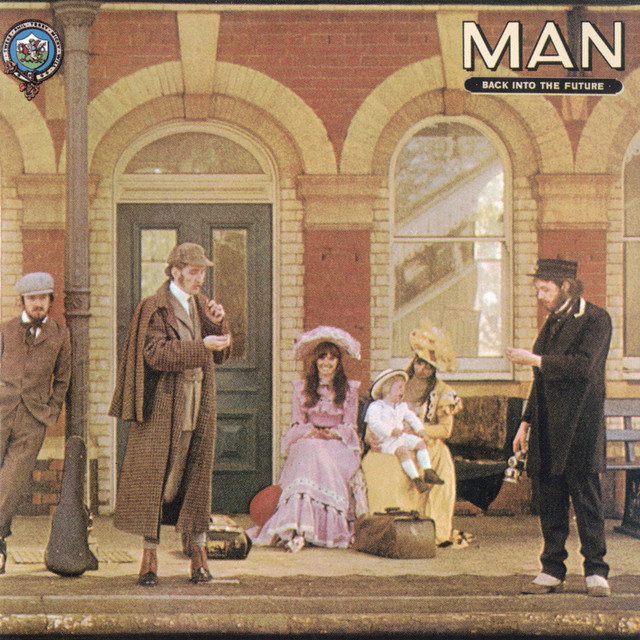
Back Into the Future
Man
Jam Band
Deep Space Rock
Space Rock
2009
1
/5
Be Good to Yourself at Least Once a Day
Man
Jam Band
2007
2
/5
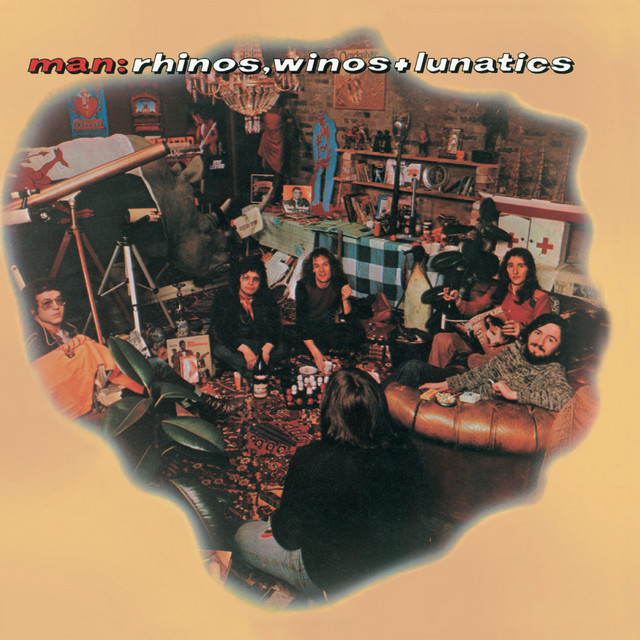
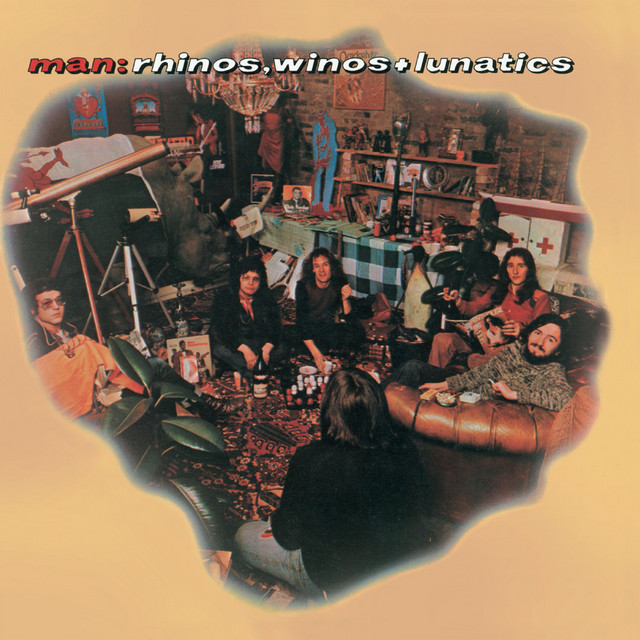
Rhinos, Winos and Lunatics
Man
Deep Space Rock
Pub Rock
2006
1
/5
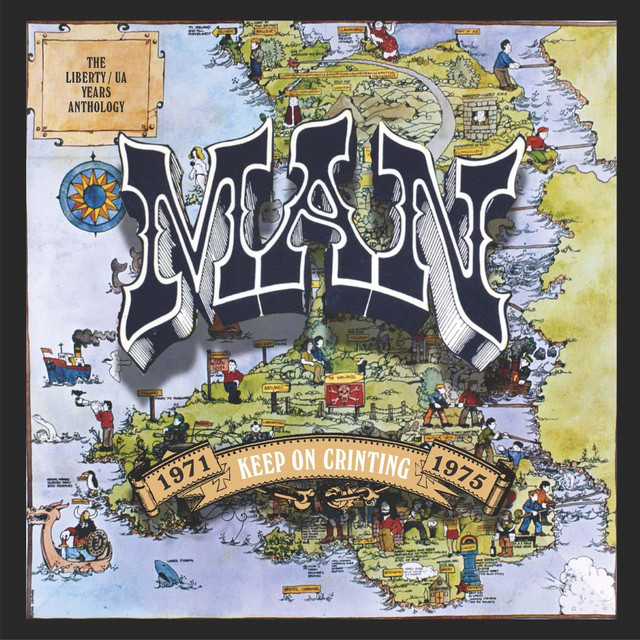
Keep On Crinting - The Liberty/UA Years Anthology
Man
Deep Space Rock
1976
1
/5
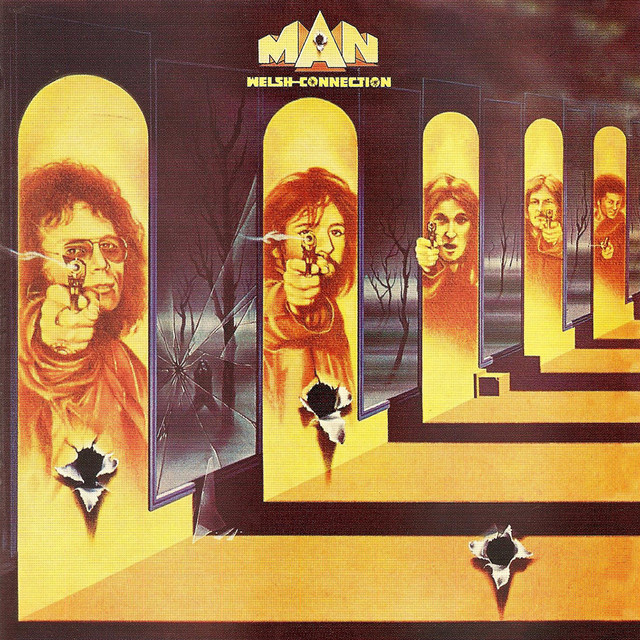
Welsh Connection
Man
Deep Space Rock
1969
1
/5
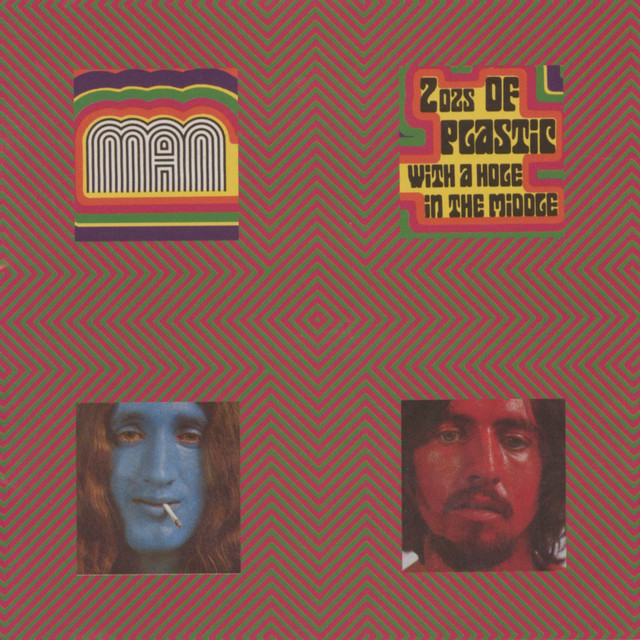
2 Ozs. of Plastic With a Hole in the Middle
Man
Deep Space Rock
1969
1
/5
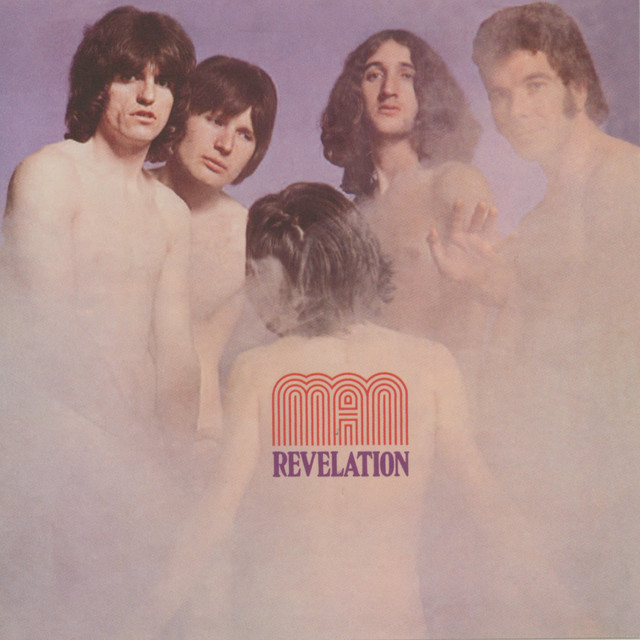
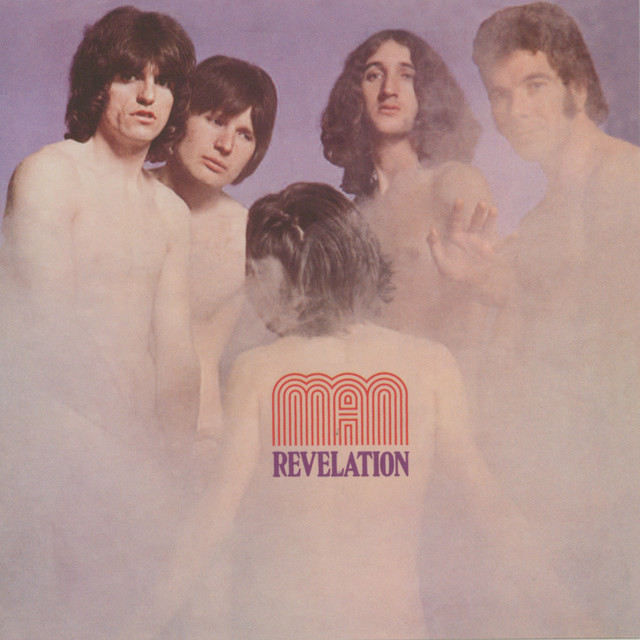
Revelation
Man
Deep Space Rock
1969
1
/5
Revelation
Man
Deep Space Rock
Similar artists
2
/5
Ozric Tentacles
Jam Band
Space Rock
Livetronica
3
/5
Hawkwind
Canterbury Scene
Space Rock
Hard Rock
1
/5
Hawkwind Zoo
Acid Rock
Deep Space Rock
Krautrock
1
/5
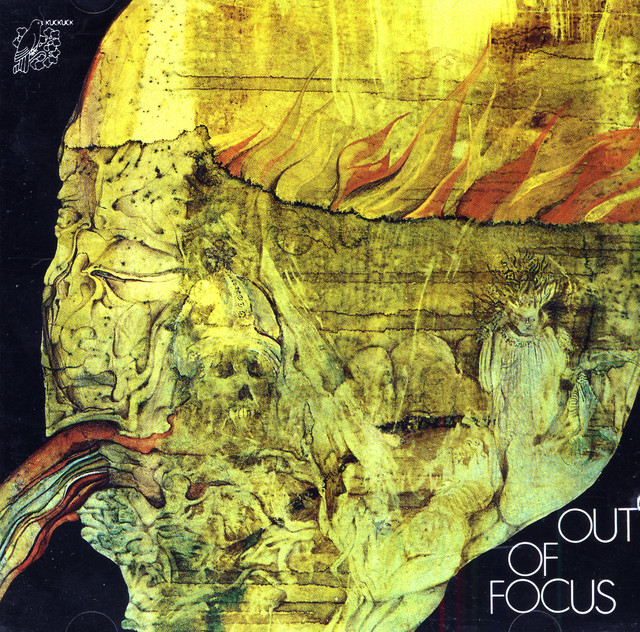
Out Of Focus
Krautrock
Acid Rock
Progressive Rock
2
/5
Ash Ra Tempel
Krautrock
Avant-Garde
Progressive Rock
1
/5
Various Artists
Afro-Funk
Alternative Rock
Ambient
1
/5
Hawklords
Deep Space Rock
Art Rock
Krautrock
1
/5
The Heads
Deep Space Rock
Stoner Rock
Rock
2
/5
Gong
Canterbury Scene
Space Rock
Progressive Rock
2
/5
Steve Hillage
Space Rock
Canterbury Scene
Acid Rock
Download our mobile app
Get the Melodigging app and start digging for new genres on the go
Download on the App Store
Get it on Google Play
© 2026 Melodigging
Give feedback
Legal
Melodding was created as a tribute to
Every Noise at Once
, which inspired us to help curious minds keep digging into music's ever-evolving genres.