Genres
Artists
Albums
Make Music
Sign in
Sign in
Artists
Arab Groove
Artists
Arab Groove
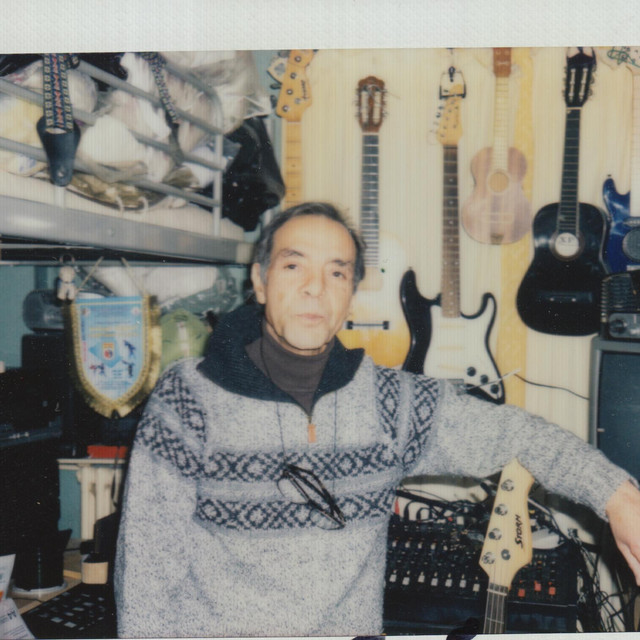
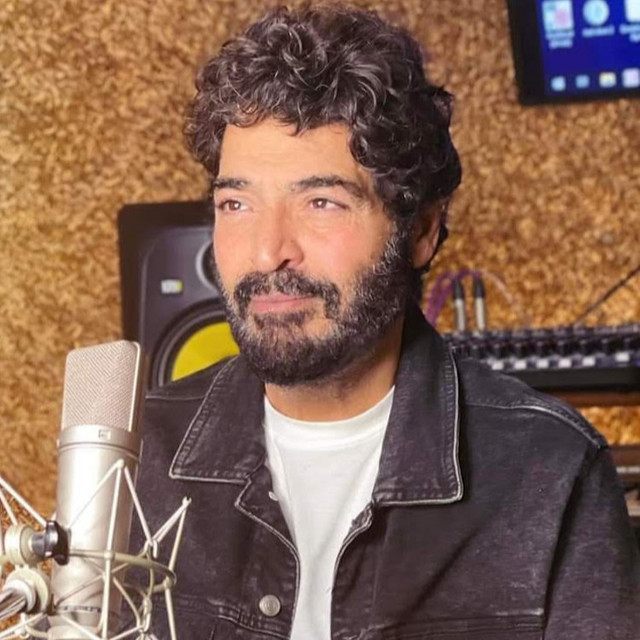
Mallek Mohamed
2017
·
1 album
Listen
1
/5
Genres
Souldies
Souldies is a modern revival of classic lowrider “oldies” soul—slow, tender ballads rooted in 1960s and early-’70s sweet soul and doo‑wop aesthetics, reimagined by a new generation of largely Chicano/Latinx artists in Southern California. Characterized by warm, analog-leaning production, mellow backbeats, honeyed vocal harmonies, and heart‑on‑sleeve lyricism, the style favors mid‑slow tempos, tape‑like saturation, spring/plate reverb, and minimalist yet expressive arrangements. English and Spanish (or Spanglish) lyrics often explore love, longing, devotion, and cruising/lowrider culture. Souldies sits at the intersection of classic soul, rhythm & blues, northern soul selections, and Latin soul, offering a contemporary, community‑centered sound that feels both timeless and newly personal.
Discover
Listen
Arab Groove
Arab groove is a dance‑oriented fusion that marries contemporary club and funk rhythms with melodies, modes, and percussion from the Arabic‑speaking world. Built on steady 4/4 beats at mid‑tempo (often 95–115 BPM), it layers darbouka/riqq patterns and maqam‑based hooks over funk, disco, downtempo, and trip‑hop frameworks. The result feels both cosmopolitan and rooted: nightclub‑ready production carrying the swing of iqa'at such as maqsum, sa‘idi, and malfuf, plus ear‑catching Hijaz/Bayati motifs on oud, qanun, or synths. The style flourished in the 1990s–2000s through diasporic hubs (notably France and the UK), compilations and club nights, and artists who bridged Arabic pop/raï with electronic production. It remains a gateway sound for global audiences discovering modern Arabic music.
Discover
Listen
Nubian Traditional
Nubian traditional is the folk music of the Nubian people of the Nile Valley, especially in northern Sudan and southern Egypt. It is rooted in ancient riverine life and characterized by pentatonic melodies, call‑and‑response vocals, and propulsive hand‑clapping and frame‑drum rhythms. Core timbres come from lyres (the Nubian kissar/tanbūra), the oud, and percussion such as the tar (frame drum) and darbuka (goblet drum). Songs are performed in Nubian languages like Nobiin, Kenzi (Mattokki), and Andaandi (Dongolawi), and often celebrate community, the Nile, love, and ancestral homelands. Dance is integral: many songs accompany line and circle dances at weddings and village festivities, with strong syncopation in 2/4 and lilting 6/8 patterns. While deeply traditional, the style has interfaced with Arabic and East African musical currents, and in the 20th century informed popular and world‑music fusions while preserving its distinctive Nubian rhythmic feel and pentatonic songcraft.
Discover
Listen
Albums
2017
2
/5
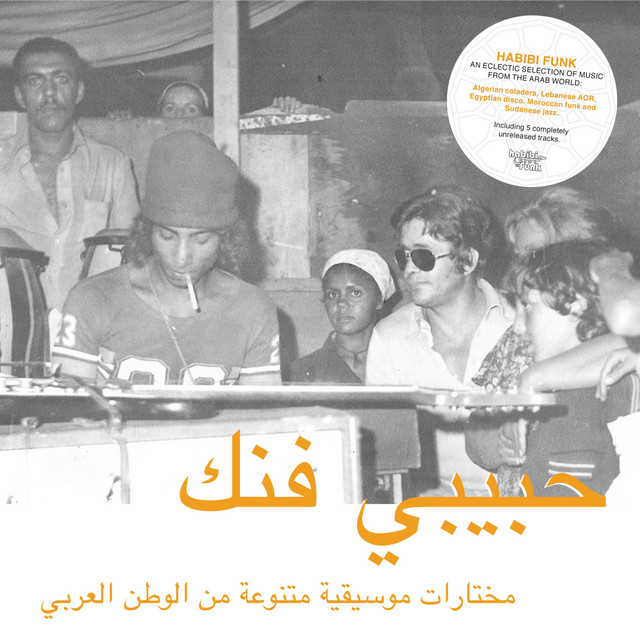
Rouhi Ya Hafida / Al Asafir
Mallek Mohamed
Nubian Traditional
Arab Groove
Similar artists
1
/5
Various Artists
Afro-Funk
Alternative Rock
Ambient
2
/5
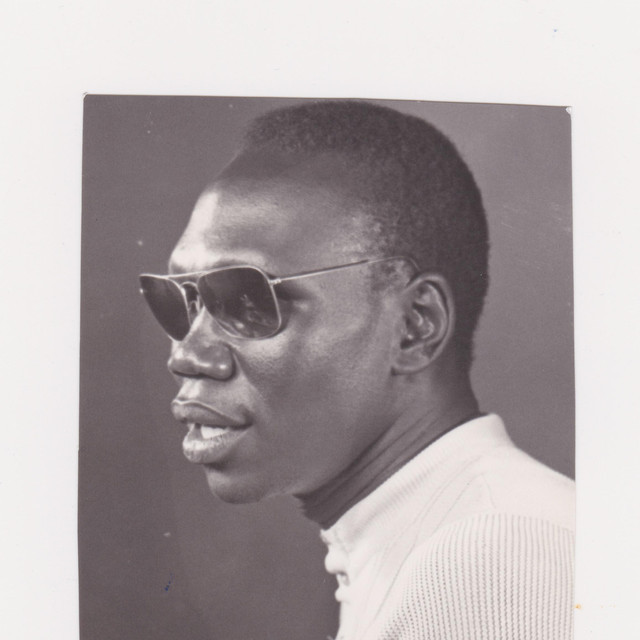
Kamal Keila
Nubian Traditional
Arab Groove
Souldies
2
/5
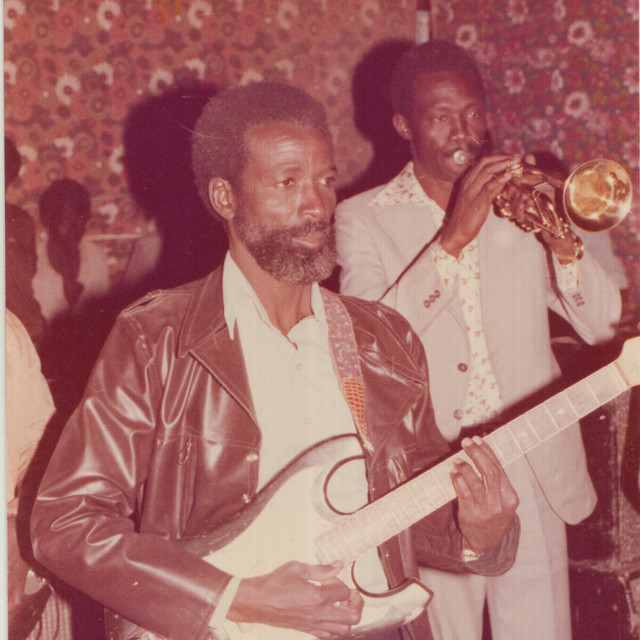
Sharhabil Ahmed
Nubian Traditional
Arabic Jazz
Jazz Rock
4
/5
Black Coffee
Afro House
Deep Deep House
Deep Big Room
3
/5
Hamid Al Shaeri
Arab Groove
Al Jeel
Egyptian Pop
3
/5
Acid Arab
Arab Groove
Electronic
Indian Indie
3
/5
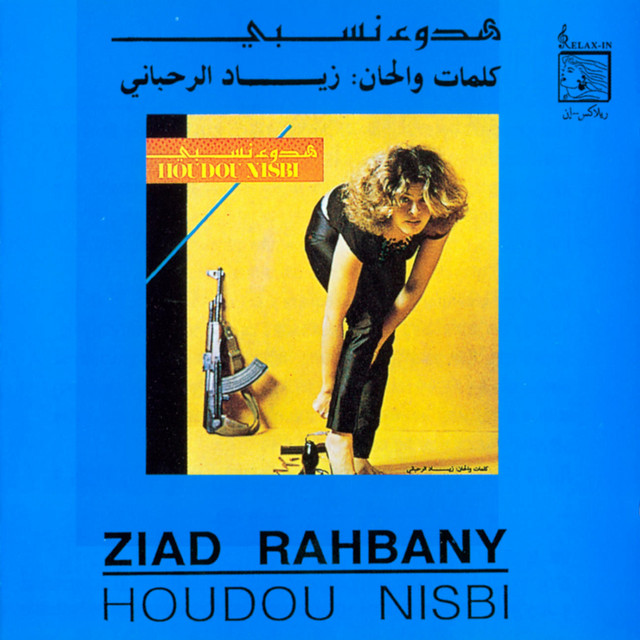
Ziad Rahbani
Arab Groove
Arabic Jazz
Levantine Arabic Music
3
/5
Rogér Fakhr
Arab Groove
3
/5
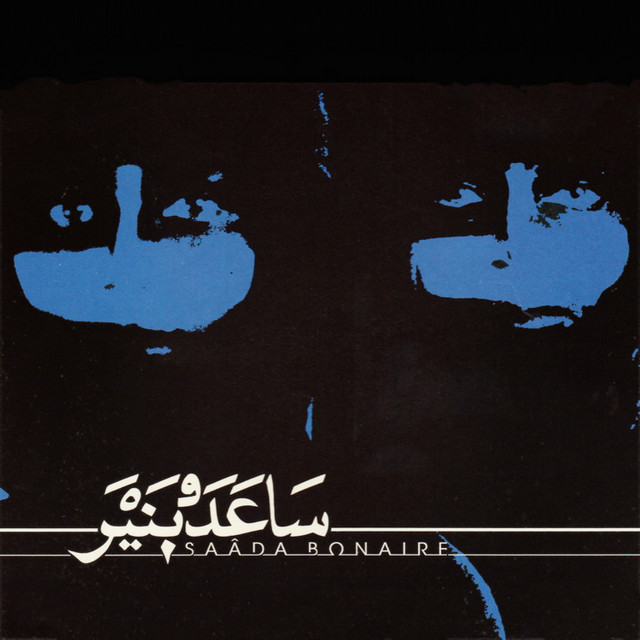
Saâda Bonaire
Arab Groove
Chamber Psych
Dark Disco
3
/5
Elias Rahbani
Arab Groove
Arabic Bellydance Music
Arabic Folk Music
Download our mobile app
Get the Melodigging app and start digging for new genres on the go
Download on the App Store
Get it on Google Play
© 2026 Melodigging
Give feedback
Legal
Melodding was created as a tribute to
Every Noise at Once
, which inspired us to help curious minds keep digging into music's ever-evolving genres.