Your digging level
Description
Nubian traditional is the folk music of the Nubian people of the Nile Valley, especially in northern Sudan and southern Egypt. It is rooted in ancient riverine life and characterized by pentatonic melodies, call‑and‑response vocals, and propulsive hand‑clapping and frame‑drum rhythms.
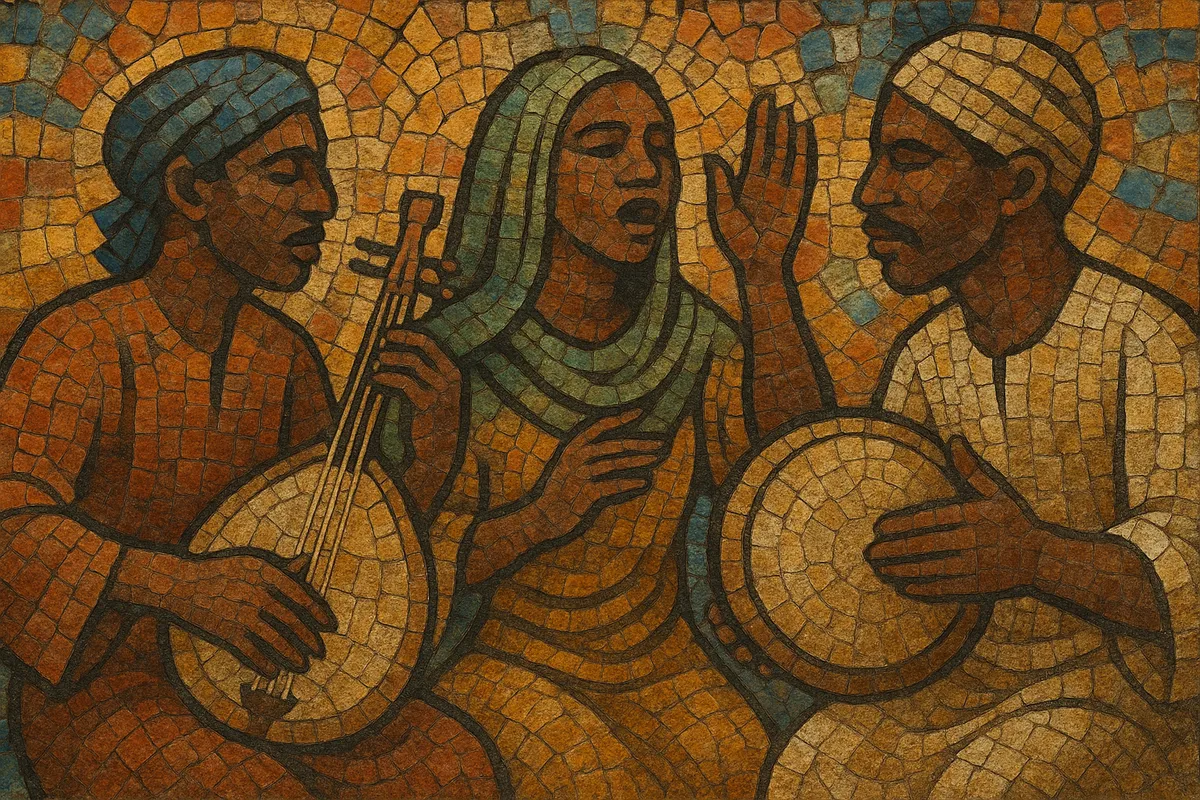
Core timbres come from lyres (the Nubian kissar/tanbūra), the oud, and percussion such as the tar (frame drum) and darbuka (goblet drum). Songs are performed in Nubian languages like Nobiin, Kenzi (Mattokki), and Andaandi (Dongolawi), and often celebrate community, the Nile, love, and ancestral homelands.
Dance is integral: many songs accompany line and circle dances at weddings and village festivities, with strong syncopation in 2/4 and lilting 6/8 patterns. While deeply traditional, the style has interfaced with Arabic and East African musical currents, and in the 20th century informed popular and world‑music fusions while preserving its distinctive Nubian rhythmic feel and pentatonic songcraft.
History
Nubian musical practice traces back to the kingdoms of Kush and Meroë, where lyres and frame drums accompanied praise, ritual, and communal gatherings. The kissar/tanbūra lyre and responsorial singing found in today’s Nubian villages echo instruments and textures depicted in antiquity.
In the 1800s and early 1900s, repertories consolidated around life‑cycle events—especially weddings and harvest celebrations. Songs in Nobiin, Kenzi, and Andaandi were passed down orally, with dance and communal participation as essential components. Exposure to Arabic musical aesthetics via trade and religion (including Sufi practices) added modal inflections and poetic forms without erasing Nubia’s pentatonic identity.
Large‑scale resettlement during and after the construction of the Aswan High Dam (1960s) catalyzed a preservationist impulse. Master artists and ensembles maintained village repertoires in new locales, and field recordings began to document songs and dance rhythms. The period also seeded later fusions, as diasporic Nubians interacted with urban scenes in Cairo and Khartoum.
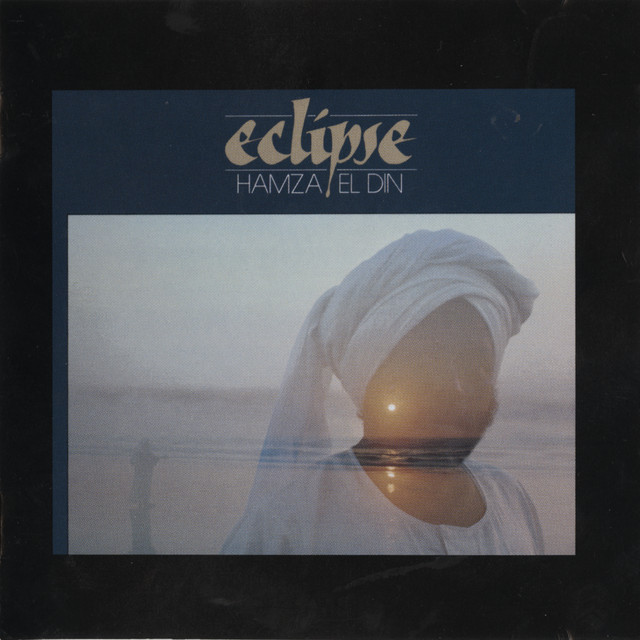
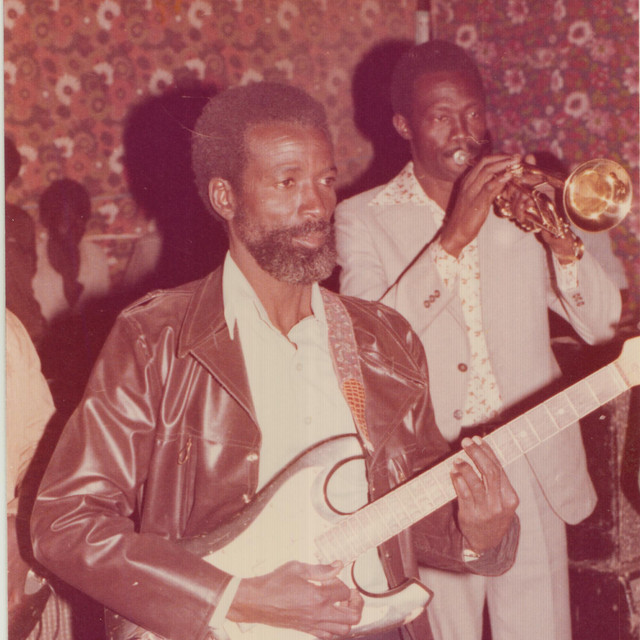
Artists such as Hamza El Din and Ali Hassan Kuban carried Nubian rhythms and pentatonic melodies onto world stages, shaping worldbeat and world‑fusion idioms and influencing Egyptian and Sudanese popular music. Contemporary acts (including diasporic ensembles) continue to revive traditional texts and dances while integrating modern instrumentation, ensuring the style’s continuity and visibility.