Genres
Artists
Albums
Make Music
Sign in
Sign in
Artists
Celtic Rock
Artists
Celtic Rock
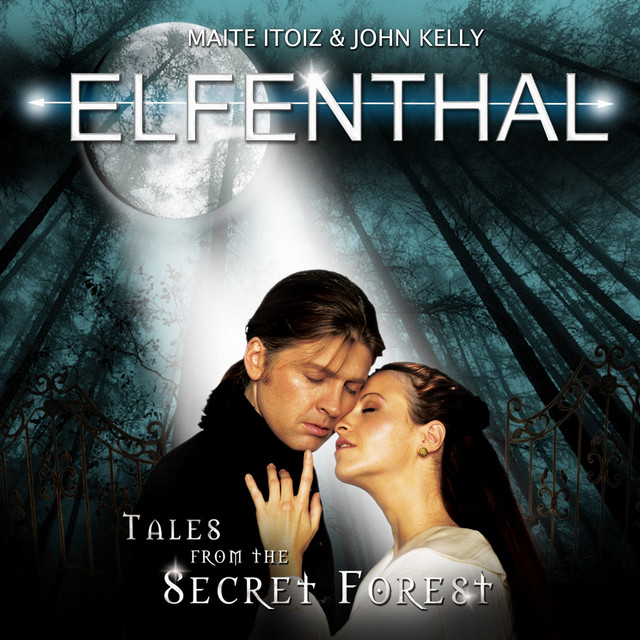
Maite Itoiz
Listen
1
/5
Genres
Medieval Metal
Medieval metal is a subgenre of folk metal that fuses the power and riff-driven weight of heavy metal with melodies, modes, and instruments associated with medieval and early modern European music. Centered largely in Germany—where it is known as Mittelalter-Metal or Mittelalter-Rock—the style features prominent use of hurdy-gurdy, bagpipes (Dudelsack), shawms/bombards, recorders, cittern/lute, nyckelharpa, and frame drums alongside distorted electric guitars, bass, and modern drum kits. Songs often draw on medieval dance rhythms (saltarello- or estampie-like pulses), modal melodies (Dorian, Aeolian, Mixolydian), and lyrics referencing legends, minstrelsy, battles, folk tales, and historical themes. Pioneered in the mid-to-late 1990s by bands such as Subway to Sally, In Extremo, and Schandmaul, the genre grew out of Germany’s Neo-Medieval movement and quickly established a vibrant live culture at medieval markets and major festivals.
Discover
Listen
Celtic Rock
Celtic rock blends the energy and instrumentation of rock with the melodic modes, dance rhythms, and timbres of Celtic traditions from Ireland, Scotland, and Brittany. Electric guitars, bass, and drum kit sit alongside fiddles, tin whistles, uilleann pipes, bouzouki, and bagpipes, creating anthemic songs and tune sets that feel both ancient and modern. Emerging in the early 1970s, the style offered a contemporary vehicle for Celtic languages and storytelling, while keeping jigs, reels, and airs alive on amplified stages. Over time it grew into a festival-ready sound that influenced punk, metal, and various pop crossovers, and became a musical emblem of Celtic identity at home and in the diaspora.
Discover
Listen
Medieval
Medieval music refers to the diverse sacred and secular musical practices of Europe between the fall of the Western Roman Empire and the dawn of the Renaissance. It spans more than eight centuries, from early monophonic chant to the first notated polyphony. Core features include the use of church modes rather than major/minor, extensive reliance on vocal music (Latin sacred chant as well as vernacular song), and the progressive development from unmeasured chant to rhythmic modal notation and, later, mensural notation. Texture evolves from monophony (plainchant, troubadour songs) to organum, conductus, and the motet, culminating in complex isorhythmic works by the late 13th–14th centuries. Secular traditions—troubadours and trouvères in France, Minnesänger in German lands, and the Iberian Cantigas—coexisted with and influenced sacred practice. Instruments such as the vielle, harp, psaltery, recorder, shawm, hurdy-gurdy, and portative organ often doubled or accompanied voices, though much music remained purely vocal.
Discover
Listen
Similar artists
3
/5
Eluveitie
Celtic Metal
Folk Metal
Melodic Death Metal
3
/5
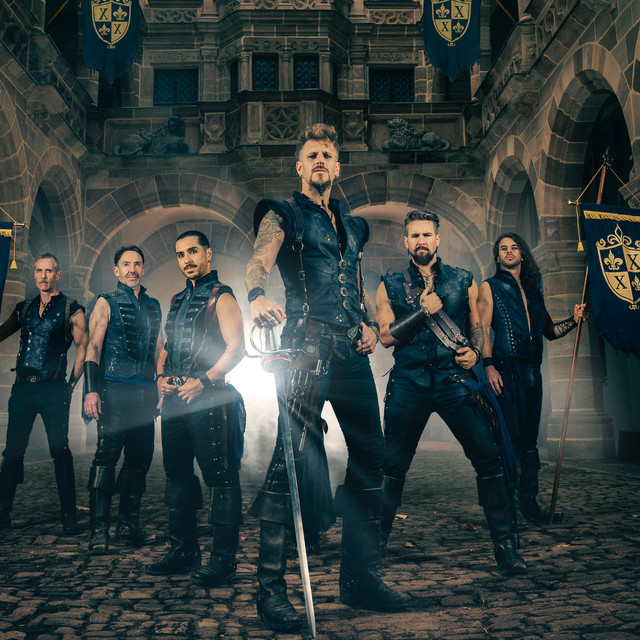
dArtagnan
Medieval Rock
Celtic Rock
Folk Metal
3
/5
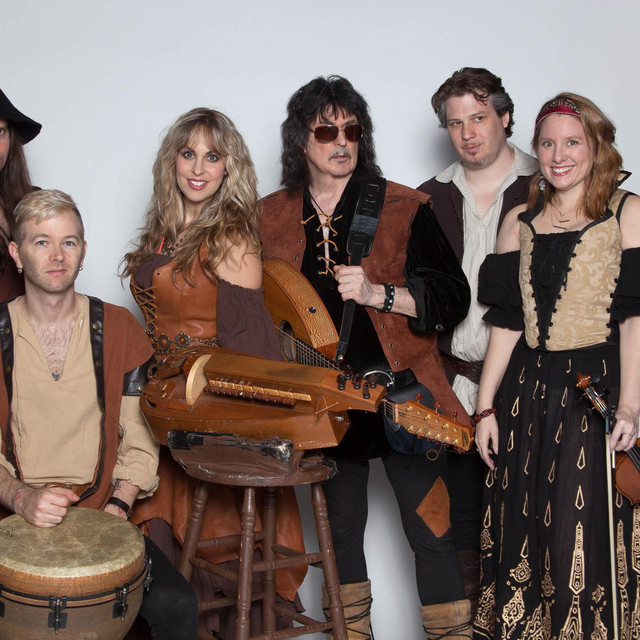
Blackmore's Night
Folk Rock
Celtic
Celtic Rock
3
/5
Fiddler's Green
Celtic
Celtic Punk
Celtic Rock
2
/5
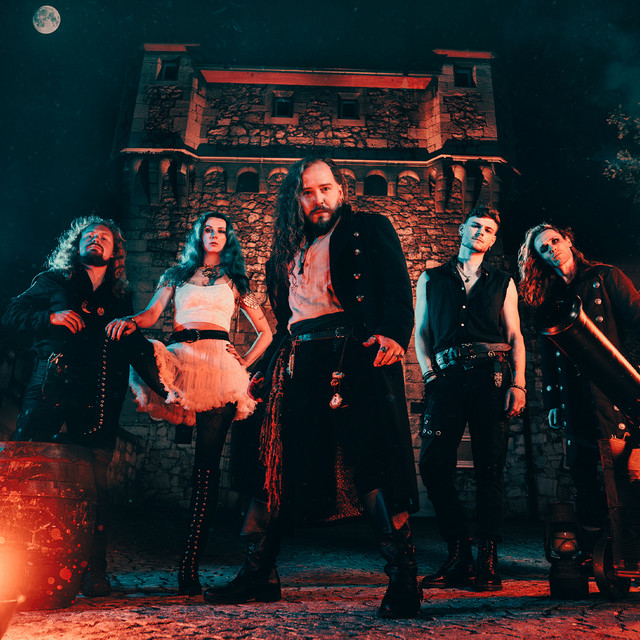
Storm Seeker
Pirate
Celtic Punk
Celtic Rock
2
/5
Garden Of Delight
Celtic
Celtic Rock
Folk Punk
2
/5
Celtica Pipes Rock!
Celtic
Celtic Punk
Celtic Rock
2
/5
Tuatha de Danann
Folk Metal Latinoamericano
Celtic Metal
Celtic Rock
2
/5
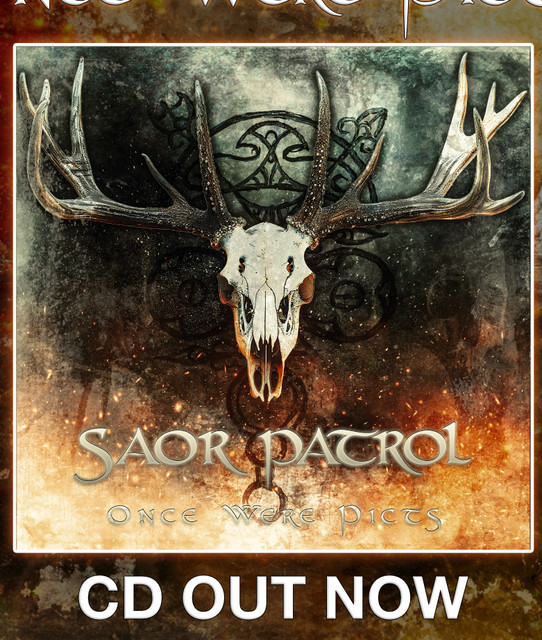
Saor Patrol
Celtic
Celtic Rock
Medieval
1
/5
John Kelly
Celtic Rock
Medieval
Medieval Metal
Download our mobile app
Get the Melodigging app and start digging for new genres on the go
Download on the App Store
Get it on Google Play
© 2026 Melodigging
Give feedback
Legal
Melodding was created as a tribute to
Every Noise at Once
, which inspired us to help curious minds keep digging into music's ever-evolving genres.