Genres
Artists
Albums
Make Music
Sign in
Sign in
Artists
Pirate
Artists
Pirate
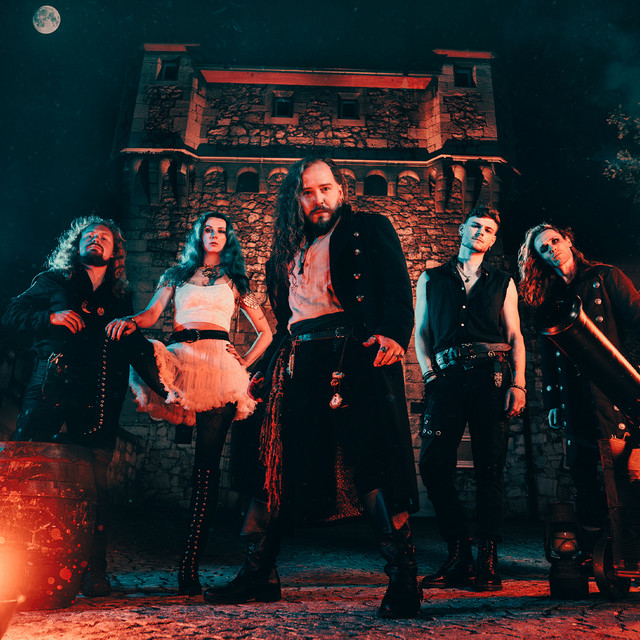
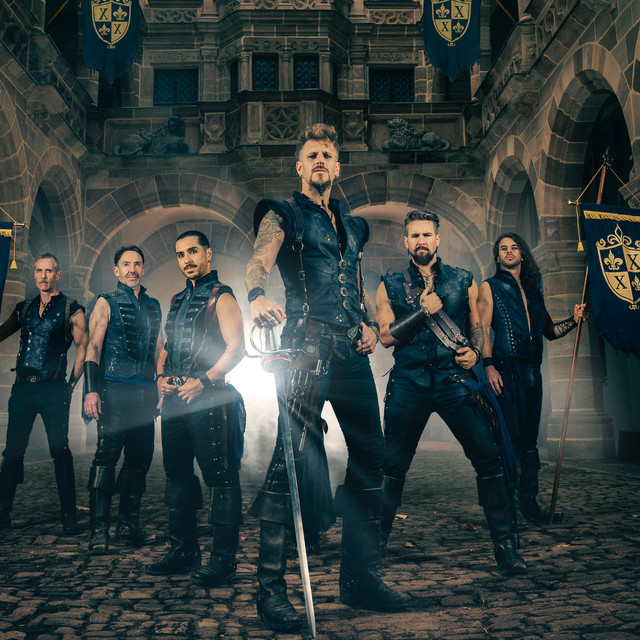
Storm Seeker
2025
·
1 album
Listen
2
/5
Genres
Pirate
Pirate is a theatrical, folk-rooted style that centers on nautical lore, tavern singalongs, and the romanticized life of seafaring outlaws. It blends traditional sea shanties and Celtic folk instrumentation with contemporary folk-rock energy and a playful, comedic flair. Songs are typically driven by raucous group vocals, call-and-response hooks, and stomping rhythms suited to communal singing. Accordions, fiddles, concertinas, tin whistles, mandolins, bouzoukis, and bodhráns are common, while lyrics revel in adventure, rum, camaraderie, and maritime myth. The result sits between historical reenactment and modern folk entertainment, equally at home on festival stages, Renaissance fairs, and lively pubs.
Discover
Listen
Folk Metal
Folk metal blends the power and riff-driven intensity of heavy metal with melodies, instruments, scales, and storytelling traditions from regional folk music. Typical arrangements combine distorted guitars, bass, and drums with fiddles, flutes, whistles, bagpipes, accordions, hurdy-gurdies, bouzoukis, and other traditional instruments. Bands often draw on myth, history, and local folklore for lyrical themes, ranging from epic sagas and battle hymns to drinking songs and pastoral ballads. The style spans a spectrum from aggressive and blackened approaches to upbeat, danceable, and festive moods, making it one of metal’s most diverse and regionally distinctive subgenres.
Discover
Listen
Medieval Metal
Medieval metal is a subgenre of folk metal that fuses the power and riff-driven weight of heavy metal with melodies, modes, and instruments associated with medieval and early modern European music. Centered largely in Germany—where it is known as Mittelalter-Metal or Mittelalter-Rock—the style features prominent use of hurdy-gurdy, bagpipes (Dudelsack), shawms/bombards, recorders, cittern/lute, nyckelharpa, and frame drums alongside distorted electric guitars, bass, and modern drum kits. Songs often draw on medieval dance rhythms (saltarello- or estampie-like pulses), modal melodies (Dorian, Aeolian, Mixolydian), and lyrics referencing legends, minstrelsy, battles, folk tales, and historical themes. Pioneered in the mid-to-late 1990s by bands such as Subway to Sally, In Extremo, and Schandmaul, the genre grew out of Germany’s Neo-Medieval movement and quickly established a vibrant live culture at medieval markets and major festivals.
Discover
Listen
Celtic Punk
Celtic punk fuses the speed, aggression, and DIY ethos of punk rock with the melodies, modes, and acoustic instrumentation of Celtic folk traditions. Bands typically combine electric guitar, bass, and drum kits with tin whistle, fiddle, banjo, mandolin, accordion, and bagpipes, delivering an anthemic, pub-ready sound. Lyrically, it often leans into themes of migration, working-class life, rebellion, historical memory, and communal celebration—frequently punctuated by shout-along choruses and gang vocals. Rhythmically it alternates straight-ahead 4/4 punk drive with reels and jigs (often in 6/8 or 12/8), while harmonically it blends simple I–IV–V punk progressions with modal folk colors (notably Dorian and Mixolydian) and droning fifths reminiscent of traditional piping.
Discover
Listen
Celtic Rock
Celtic rock blends the energy and instrumentation of rock with the melodic modes, dance rhythms, and timbres of Celtic traditions from Ireland, Scotland, and Brittany. Electric guitars, bass, and drum kit sit alongside fiddles, tin whistles, uilleann pipes, bouzouki, and bagpipes, creating anthemic songs and tune sets that feel both ancient and modern. Emerging in the early 1970s, the style offered a contemporary vehicle for Celtic languages and storytelling, while keeping jigs, reels, and airs alive on amplified stages. Over time it grew into a festival-ready sound that influenced punk, metal, and various pop crossovers, and became a musical emblem of Celtic identity at home and in the diaspora.
Discover
Listen
Sea Shanty
Sea shanty is a maritime work song that developed aboard sailing ships to coordinate group labor. It uses a strong, steady pulse and a call-and-response structure in which a lead singer (the shantyman) calls the verse and the crew responds in chorus to time their pulls, pushes, or turns together. Historically unaccompanied and sung in unison, shanties are tailored to specific tasks: short-drag (brief, forceful pulls), halyard/long-drag (heavier, fewer pulls per line), capstan/windlass (continuous, walking rhythm), and pumping shanties (repetitive, machine-like pulse). Lyrics mix practical timing cues with humor, bravado, longing, and port lore, and often use nonsense vocables (“way, hey,” “haul away”) to accent the work strokes. While closely related to broader “sea songs” and forebitters (off-duty songs), shanties are distinct in purpose: they are functional music designed to synchronize labor. The style flourished in the 19th century among English-speaking merchant navies, absorbing influences from British and Irish folk traditions and African-American and Afro-Caribbean work-song practices.
Discover
Listen
Medieval
Medieval music refers to the diverse sacred and secular musical practices of Europe between the fall of the Western Roman Empire and the dawn of the Renaissance. It spans more than eight centuries, from early monophonic chant to the first notated polyphony. Core features include the use of church modes rather than major/minor, extensive reliance on vocal music (Latin sacred chant as well as vernacular song), and the progressive development from unmeasured chant to rhythmic modal notation and, later, mensural notation. Texture evolves from monophony (plainchant, troubadour songs) to organum, conductus, and the motet, culminating in complex isorhythmic works by the late 13th–14th centuries. Secular traditions—troubadours and trouvères in France, Minnesänger in German lands, and the Iberian Cantigas—coexisted with and influenced sacred practice. Instruments such as the vielle, harp, psaltery, recorder, shawm, hurdy-gurdy, and portative organ often doubled or accompanied voices, though much music remained purely vocal.
Discover
Listen
Show all 7 genres
Albums
2025
2
/5
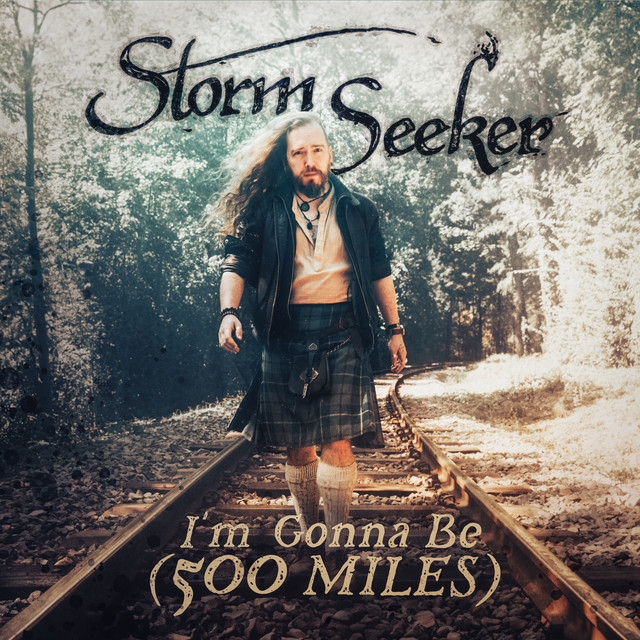
I'm Gonna Be (500 Miles)
Storm Seeker
Pirate
Similar artists
3
/5
Ye Banished Privateers
Pirate
Sea Shanty
Celtic Punk
3
/5
Fiddler's Green
Celtic
Celtic Punk
Celtic Rock
2
/5
Celtica Pipes Rock!
Celtic
Celtic Punk
Celtic Rock
2
/5
The Dread Crew of Oddwood
Celtic Punk
Celtic Rock
Folk Metal
3
/5
Alestorm
Pirate
Folk Metal
Power Metal
3
/5
The Dreadnoughts
Celtic Punk
Pirate
Folk Punk
3
/5
Derina Harvey Band
Pirate
Celtic
Celtic Punk
3
/5
Eluveitie
Celtic Metal
Folk Metal
Melodic Death Metal
3
/5
dArtagnan
Medieval Rock
Celtic Rock
Folk Metal
3
/5
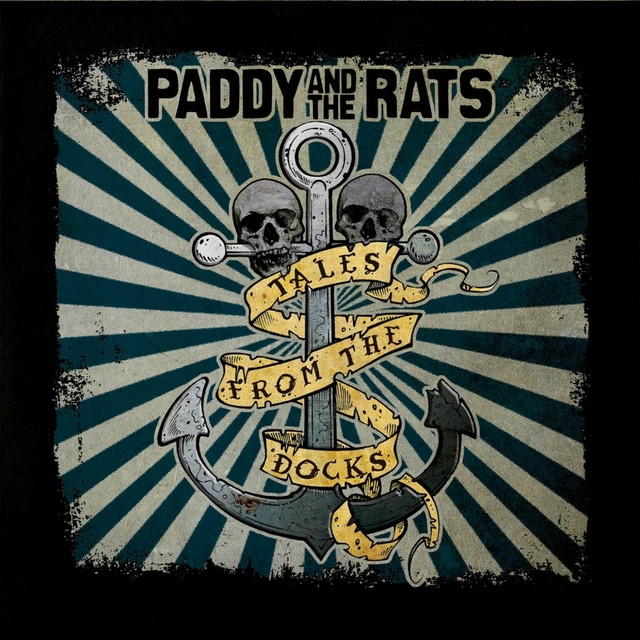
Paddy And The Rats
Celtic Punk
Celtic
Celtic Rock
Download our mobile app
Get the Melodigging app and start digging for new genres on the go
Download on the App Store
Get it on Google Play
© 2026 Melodigging
Give feedback
Legal
Melodding was created as a tribute to
Every Noise at Once
, which inspired us to help curious minds keep digging into music's ever-evolving genres.