Genres
Artists
Albums
Make Music
Sign in
Sign in
Artists
Deep Idm
Artists
Deep Idm
Lusine
2004–2023
·
6 albums
Listen
3
/5
Genres
Downtempo Bass
Downtempo bass is a modern electronic style that fuses the relaxed pacing and texture-first focus of downtempo with the sound‑design intensity and low‑frequency weight of contemporary bass music. Typically sitting around 70–100 BPM (or 140–200 BPM felt in halftime), it features sub‑heavy, sculpted bass lines, crisp but unhurried drums, and spacious, cinematic atmospheres. Producers draw from ambient pads, world/organic instrumentation, and field recordings, then anchor these timbres with dubstep‑informed subs, glitchy ear‑candy, and hip‑hop/halftime grooves. The result is music that can be both meditative and body‑moving: intimate in texture yet powerful on a sound system, equally at home in headphones, yoga/downtempo gatherings, and late‑night bass stages.
Discover
Listen
Fluxwork
Fluxwork is a contemporary microgenre of electronic music optimized for sustained concentration and “flow state” listening. It blends the warmth and space of ambient with the pulse and structure of minimal techno and microhouse, emphasizing unobtrusive rhythms and gradual, textural movement. Tracks usually feature understated four-on-the-floor or gently broken patterns, soft sidechained pads, subtle arpeggios, and carefully filtered transitions. Vocals, if present at all, are sparse and textural. The result is music that feels propulsive yet calm—capable of fading into the background while quietly supplying kinetic focus.
Discover
Listen
Minimal Melodic Techno
Minimal melodic techno is a strand of techno that strips the drum programming and arrangement back to a lean, hypnotic framework while foregrounding emotive, slowly evolving melodies. Compared with peak-time melodic techno, it uses fewer elements, more negative space, and subtler sound design. The kick-and-bass foundation is dry and precise, the percussion is sparse, and the lead material is typically a single motif (often arpeggiated) that develops via modulation, filtering, and gradual layer changes rather than big drops. Pads, drones, and nuanced reverb tails provide atmosphere, yielding a sound that is intimate, melancholic, and deeply danceable.
Discover
Listen
Nightrun
Nightrun is a synthwave-adjacent microgenre built for the sensation of cruising through a neon-lit city at night. It blends retro-’80s analog synth timbres, melodramatic minor-key harmonies, and steady four-on-the-floor or motorik grooves with a glossy, cinematic finish. Compared to broader synthwave, nightrun tends to be slightly leaner and more driving: pulsing bass arpeggios, gated snares, and shimmering pads frame soaring lead melodies that evoke nocturnal highways, sodium lights, and distant horizons. Tempos typically sit in the midtempo range (about 85–110 BPM), with arrangements that rise and fall like a night drive—quiet intros, long cruising sections, and cathartic choruses. Aesthetically, it borrows the neon futurism of 1980s action and thriller soundtracks, while adopting modern production sheen and sidechain pumping. The result is danceable yet reflective electronic music tailored to late-night motion and nostalgic escapism.
Discover
Listen
Deep Idm
Deep IDM (Deep Intelligent Dance Music) is a reflective, textural branch of IDM that emphasizes warm timbres, melodic development, and immersive atmospheres over abrasive experimentation. Instead of showy glitch or breakneck edits, it leans into subtle rhythm programming, emotive synth work, and enveloping ambience. Expect soft-edged drum programming with syncopation and swing, analog and FM pads, evolving arpeggios, field recordings, and gentle tape or vinyl patina. The result often evokes nostalgia, nocturnal introspection, and a sense of hushed motion—music designed as much for close listening as for quiet, private movement.
Discover
Listen
Idm
IDM (often expanded as "Intelligent Dance Music") is a strand of experimental electronic music that applies the sound palette and production methods of club genres to listening-focused, often home-oriented works. It favors intricate rhythm programming, unusual time signatures, and richly textured sound design, blending ambient atmospheres with techno’s pulse, electro’s syncopation, and breakbeat’s fragmentation. The music often de-emphasizes the dancefloor in favor of headphone detail, algorithmic structure, and timbral exploration. The term itself is contentious—many artists rejected the "intelligent" label—yet it became a convenient tag for the early- to mid‑1990s cluster of Warp, Rephlex, and related scenes that foregrounded complexity, abstraction, and emotional ambiguity.
Discover
Listen
Microhouse
Microhouse is a sparse, detail‑oriented strain of house music that strips grooves down to their essentials and focuses on micro‑edits, subtle percussive textures, and small timbral changes over time. Typically hovering around 118–126 BPM, it favors dry 4/4 kicks, shuffled hi‑hats, sub‑bass pulses, and meticulously arranged glitches, clicks, and found sounds. Rather than big breakdowns, microhouse builds tension through repetition, negative space, and tiny variations, often borrowing the reductionist ethos of minimal techno and the textural play of glitch and IDM. The result is club music that feels intimate and hypnotic: danceable yet restrained, warm yet abstract, and deeply attentive to sound design and micro‑timing.
Discover
Listen
Ambient Idm
Ambient IDM is a hybrid of Intelligent Dance Music’s intricate, experimental beat construction with the expansive atmospheres and textural focus of ambient music. Tracks tend to be mid- to downtempo, emphasizing warm pads, drones, granular or tape-worn textures, and soft-focus melodies layered over delicate, syncopated rhythm programming. The overall effect favors immersion and introspection over club energy, often avoiding big drops in favor of gradual evolution, micro-variation, and through-composed structures. Harmonically, producers lean on modal centers and extended chords (7ths/9ths/11ths), with subtle voice leading that complements the sound design rather than foregrounding virtuoso harmony. Field recordings, vinyl crackle, and environmental foley are common, used as both ornament and rhythmic glue.
Discover
Listen
Downtempo
Downtempo is a mellow, groove-oriented branch of electronic music characterized by slower tempos, plush textures, and a focus on atmosphere over dancefloor intensity. Typical tempos range from about 60–110 BPM, with swung or laid-back rhythms, dub-informed basslines, and warm, jazz-tinged harmonies. Stylistically, it blends the spaciousness of ambient, the head-nodding rhythms of hip hop and breakbeat, and the cosmopolitan smoothness of lounge and acid jazz. Producers often use sampled drums, Rhodes or Wurlitzer electric pianos, guitar licks with delay, and field recordings to create intimate, cinematic soundscapes. The mood spans from soulful and romantic to introspective and dusk-lit, making it a staple of after-hours listening, cafes, and relaxed club back rooms.
Discover
Listen
Techno
Techno is a four-on-the-floor, machine-driven form of electronic dance music that emerged in mid-to-late 1980s Detroit. It is characterized by steady 4/4 kick drums, repetitive and hypnotic rhythmic patterns, synthetic timbres, and an emphasis on texture, groove, and forward momentum over elaborate harmony. Producers typically use drum machines, sequencers, and synthesizers to build layered percussion, pulsing basslines, and evolving motifs. While often dark and minimalistic, techno spans a wide spectrum—from soulful, futuristic Detroit aesthetics to hard, industrially tinged European strains—yet it consistently prioritizes kinetic energy for dancefloors and a sense of machine futurism.
Discover
Listen
Ambient
Ambient is a form of electronic and electroacoustic music that prioritizes tone, atmosphere, and texture over conventional song structures and rhythmic drive. It typically features slow-moving harmonies, sustained drones, gentle timbral shifts, and extensive use of space and silence. Rather than drawing attention to itself through hooks or beats, ambient is designed to be as ignorable as it is interesting, rewarding both background listening and focused immersion. Artists often employ synthesizers, samplers, tape loops, field recordings, and subtle acoustic instruments, with reverb and delay creating a sense of place. Substyles range from luminous, consonant soundscapes to darker, more dissonant atmospheres.
Discover
Listen
Electronic
Electronic is a broad umbrella genre defined by the primary use of electronically generated or electronically processed sound. It encompasses music made with synthesizers, drum machines, samplers, computers, and studio/tape techniques, as well as electroacoustic manipulation of recorded or synthetic sources. The genre ranges from academic and experimental traditions to popular and dance-oriented forms. While its sonic palette is rooted in electricity and circuitry, its aesthetics span minimal and textural explorations, structured song forms, and beat-driven club permutations. Electronic emphasizes sound design, timbre, and studio-as-instrument practices as much as melody and harmony.
Discover
Listen
Show all 12 genres
Albums
2023
1
/5
Transonic
Lusine
Deep Idm
2019
1
/5
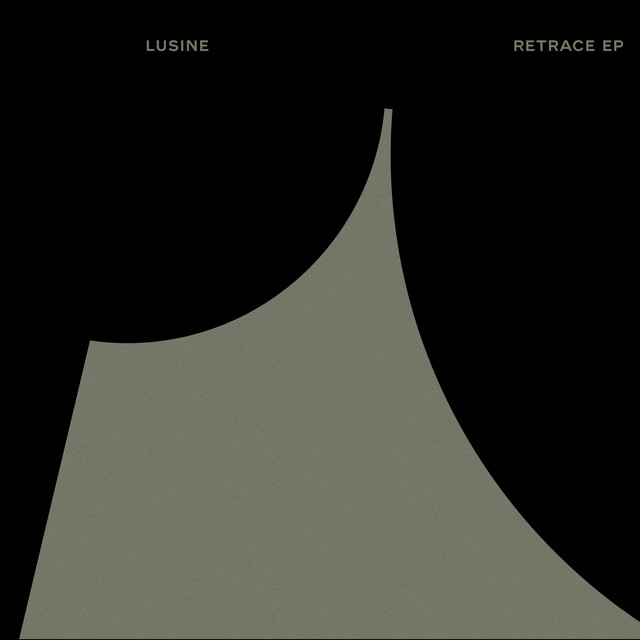
Retrace
Lusine
Deep Idm
2017
3
/5
Sensorimotor
Lusine
Deep Idm
Ambient
Electronic
2014
2
/5
Arterial
Lusine
Deep Idm
Electronic
Idm
2010
1
/5
Structures
Lusine
Deep Idm
2004
1
/5
Serial Hodgepodge
Lusine
Microhouse
Electronic
Idm
Similar artists
1
/5
Various Artists
Afro-Funk
Alternative Rock
Ambient
3
/5
Rival Consoles
Ambient Idm
Idm
Compositional Ambient
4
/5
Four Tet
Folktronica
Idm
Electronic
3
/5
Jon Hopkins
Idm
Ambient
Edm
3
/5
Actress
Outsider House
Electronic
Experimental
2
/5
Mrs Jynx
Deep Idm
Idm
Ambient
2
/5
Isan
Ambient
Idm
Deep Idm
3
/5
Max Cooper
Microhouse
Idm
Minimal Melodic Techno
2
/5
Jan Jelinek
Glitch
Idm
Ambient
2
/5
Ceephax Acid Crew
Acid Techno
Acid Idm
Acid House
Download our mobile app
Get the Melodigging app and start digging for new genres on the go
Download on the App Store
Get it on Google Play
© 2026 Melodigging
Give feedback
Legal
Melodding was created as a tribute to
Every Noise at Once
, which inspired us to help curious minds keep digging into music's ever-evolving genres.