Genres
Artists
Albums
Make Music
Sign in
Sign in
Artists
Dennery Segment
Artists
Dennery Segment
Lu City
2020–2024
·
9 albums
Listen
2
/5
Genres
Dennery Segment
Dennery segment is a drum-forward, chant-driven offshoot of soca that originated in the district of Dennery in Saint Lucia. Often nicknamed "Lucian Kuduro," it fuses the stripped, polyrhythmic punch of African club styles with the road‑march energy of Caribbean carnival. The style is characterized by minimal melodic content, heavy hand‑percussion grooves (congas, cowbells/iron, shakers), whistle and siren riffs, and short call‑and‑response hooks delivered in Saint Lucian Kwéyòl and English. Tempos typically sit in the groovy soca range (roughly 115–130 BPM), emphasizing a hypnotic, repeating riddim that invites specific dance instructions and crowd participation. Production tends to be lean and percussive with tight kick–sub alignment, clipped vocal chops, and rhythmic breakdowns rather than harmonic builds—designed as much for street parades as for club play.
Discover
Listen
Latin Afrobeats
Latin Afrobeats is a hybrid of West African Afrobeats and Latin urban pop in which Spanish (and sometimes Portuguese) lyrics ride syncopated, polyrhythmic grooves. It marries Afrobeats’ swung shakers, off‑beat hi‑hats, guitar licks, and buoyant bass with dembow and dancehall drum patterns common to reggaeton and Latin pop. The result is a bright, dance‑forward style with catchy toplines, call‑and‑response hooks, and concise song forms tailored to streaming. Production tends to be minimal yet percussive, with Afro‑percussion (shekere, conga/bongo colors), plucked guitars or synth plucks, and warm sub‑bass supporting melodies that often draw on pentatonic or natural minor scales. Themes revolve around romance, partying, and feel‑good celebration, making the music equally at home in clubs and playlists.
Discover
Listen
Urban Kiz
Urban Kiz is a contemporary, club-oriented offshoot of kizomba that took shape in Europe—especially in Paris—in the early-to-mid 2010s. It adapts the sensual, close-connection feel of kizomba to straighter, trap- and R&B-influenced beats with pronounced bass lines, crisp hi‑hats, and engineered breaks that suit the stop‑and‑go aesthetics of Urban Kiz social dancing. Musically, it favors 4/4 grooves around 88–102 BPM, less of the lilting/zouk swing found in classic kizomba, and more linear phrasing with dramatic drops, filters, and space for micro-pauses. Vocals (often in Portuguese, French, Cape Verdean Creole, or English) may be original toplines, sampled phrases, or R&B‑style hooks layered over sleek electronic production. Producers frequently label releases or remixes specifically for "Urban Kiz" floors, reinforcing the genre’s identity within the partner‑dance scene.
Discover
Listen
Trap Antillais
Trap antillais is a French-Caribbean take on trap that fuses Atlanta-derived 808-driven beats with the rhythmic DNA of the French Antilles (Martinique, Guadeloupe, and the wider French Caribbean). Producers blend halftime drums, skittering hi-hat triplets, and sub‑heavy 808 slides with dancehall riddim sensibility and local grooves. Songs typically switch between hard-edged rap delivery and singjay/melodic hooks, often in Antillean Creole (kréyol) and French. Zouk/kompa-style offbeat patterns and bright Caribbean timbres (plucks, bells, steelpan or marimba-like synths) color the minimalist trap palette, yielding a style that is at once street-focused and club-ready. Lyrical themes range from braggadocio and crew solidarity to love/relationship narratives and island life, filtered through a contemporary, social‑media‑native aesthetic.
Discover
Listen
Shatta
Shatta is a raw, high-energy French Caribbean take on dancehall that crystallized in the 2010s within the Guadeloupe–Martinique scene. It is powered by hard-hitting dembow-derived grooves, booming 808 sub-bass, clipped snares, and sirens/airhorns designed for clubs and car sound systems. Vocals—often in Antillean Creole and French—favor short, repetitive hooks, call-and-response chants, and provocative, party-focused or streetwise themes. Stylistically, Shatta blends Jamaican dancehall attitude with local French Antillean aesthetics (and some bouyon drive), plus trap-era sound design. The result is an aggressive, minimal, dancefloor-first sound that’s immediately “bashment” in feel yet distinct to the FWI (French West Indies).
Discover
Listen
Trinibad
Trinibad is a contemporary Trinidad and Tobago offshoot of dancehall that blends Jamaica’s dancehall DNA with trap/drill sound design and distinctly Trinidadian street culture. Built on heavy 808s, stuttering hi‑hats, and a dembow‑derived or drill‑leaning groove, it is delivered in Trini Creole (Trinidadian patois) with melodic sing‑jay hooks and gritty, hyper‑local narratives. The style is closely tied to the “zesser” youth movement and rose via YouTube and social media rather than traditional Carnival circuits. Compared with mainstream Caribbean dancehall, Trinibad is darker, more minor‑key and bass‑led, with autotuned toplines, sliding 808s, and ad‑lib heavy performances. It sits between dancehall, trap, and drill while remaining unmistakably Trinidadian in accent, slang, and references.
Discover
Listen
Kizomba
Kizomba is a smooth, romantic dance-music style that originated in Angola, blending the melodic sensibilities of local semba with the lush, slow-tempo grooves of Caribbean zouk. Typically set in 4/4 time around 86–100 BPM, it emphasizes a deep, round sub‑bass, sparse drum programming, and gently syncopated percussion that encourages close, flowing partner movement. Arrangements favor silky synth pads, clean electric guitar arpeggios or comping, and R&B-influenced vocals in Portuguese and other Angolan or Cape Verdean languages. Lyrical themes gravitate to love, intimacy, nostalgia, and urban life. Over time, kizomba diversified into substyles (such as the even sparser, bass-forward tarraxinha) and spread through the Lusophone diaspora, especially in Portugal, before becoming a global social-dance phenomenon.
Discover
Listen
Zouk
Zouk is a high-energy dance music that originated in the French Caribbean (Guadeloupe and Martinique) in the early 1980s, crystallized by the band Kassav’. It blends Haitian compas (kadans) with local folk rhythms and the glossy production aesthetics of disco, funk, and early electronic pop. Early “zouk béton” emphasized driving, tightly arranged rhythms, bright synth-brass stabs, and call-and-response vocals. A slower, smoother branch known as “zouk love” followed, foregrounding romantic lyrics, silky harmonies, and sensual grooves. Sung primarily in Antillean Creole and French, zouk is both a party soundtrack and a cultural statement of Caribbean identity.
Discover
Listen
Soca
Soca is a high‑energy dance music from Trinidad and Tobago that emerged in the early 1970s as a modernized offshoot of calypso. It blends calypso’s witty lyricism and call‑and‑response with Afro‑Caribbean percussion, East Indian rhythmic accents, and contemporary funk/disco/pop production. Typical features include a four‑on‑the‑floor kick, strong backbeat claps, driving "engine room" percussion (iron/cowbell), syncopated bass lines, bright synths or brass stabs, up‑stroke rhythm guitar, and catchy chant‑like hooks designed for crowd participation. Tempos range from around 110–125 BPM for "groovy soca" to 150–165 BPM for "power soca," reflecting music made for Carnival fetes, road marches, and mass performance.
Discover
Listen
Compas
Compas (also spelled konpa or compas direct) is Haiti’s modern, méringue-based dance music. It features a steady, driving groove, lyrical melodies, and tight horn or synth hooks designed for continuous social dancing. The style blends Haitian méringue rhythms with jazz and Afro‑Cuban/Latin elements, typically in a mid‑tempo 4/4. A locked‑in drum/cowbell pattern, syncopated bass ostinatos, percussive rhythm guitar, keyboards playing montuno-like figures, and call‑and‑response vocals in Haitian Creole or French are core traits. Since the late 1970s, electronic keyboards and drum machines have been common, but the feel remains warm, romantic, and unshakably danceable.
Discover
Listen
Show all 10 genres
Albums
2024
1
/5
Tu Me Connais
Lu City
Dennery Segment
2024
1
/5
DND
Lu City
Dennery Segment
2023
1
/5
Goumen
Lu City
Dennery Segment
2023
1
/5
Dirty Nights
Lu City
Dennery Segment
2023
1
/5
Somebody's Daughter (Trembler)
Lu City
Dennery Segment
2023
1
/5
Reach My Heart
Lu City
Dennery Segment
2023
1
/5
Voyage (Awa)
Lu City
Dennery Segment
2020
1
/5
Chaud
Lu City
Dennery Segment
2020
1
/5
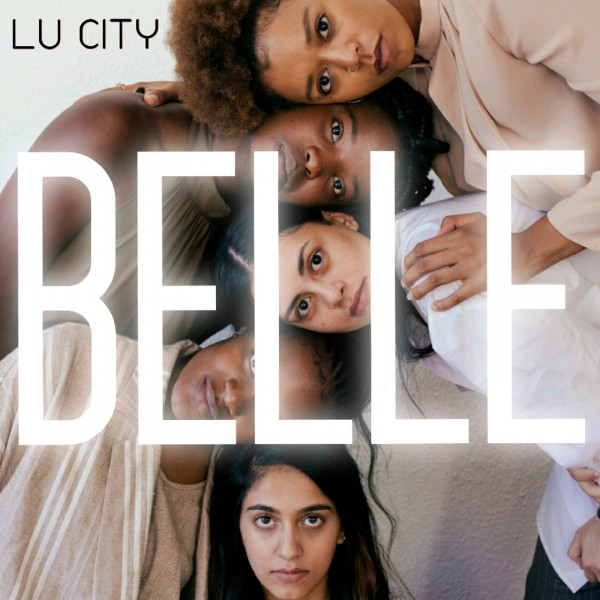
Belle
Lu City
Dennery Segment
Similar artists
3
/5
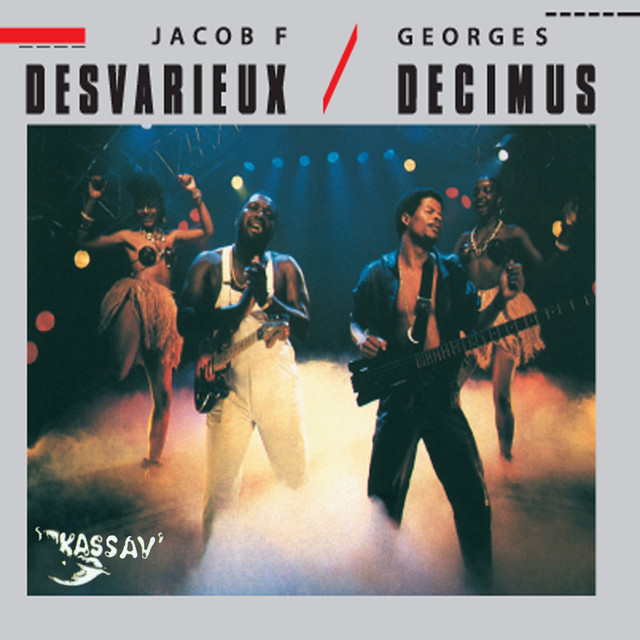
Jacob Desvarieux
Zouk
Calypso
Compas
1
/5
Various Artists
Afro-Funk
Alternative Rock
Ambient
2
/5
Umpa
Dennery Segment
Basshall
Compas
4
/5
Joé Dwèt Filé
Kizomba
Zouk
Shatta
3
/5
Kim
Afro Drill
Basshall
Compas
3
/5
1T1
Afrobeats
Compas
Soca
3
/5
Jeady Jay
Kizomba
Zouk
Compas
3
/5
Kaysha
Kizomba
Zouk Love
Basshall
3
/5
Nelson Freitas
Kizomba
Afrobeats
Cabo Zouk
3
/5
Ya Levis
Kizomba
Zouk
Afro Drill
Download our mobile app
Get the Melodigging app and start digging for new genres on the go
Download on the App Store
Get it on Google Play
© 2026 Melodigging
Give feedback
Legal
Melodding was created as a tribute to
Every Noise at Once
, which inspired us to help curious minds keep digging into music's ever-evolving genres.