Genres
Artists
Albums
Make Music
Sign in
Sign in
Artists
Blackgaze
Artists
Blackgaze
Liminal Dream
2015
·
1 album
Listen
1
/5
Genres
Bleakgaze
Bleakgaze is a dark, desaturated strain of shoegaze that blends the genre’s foggy guitar wash with post‑punk/coldwave austerity and slowcore gravity. The results are hazy yet heavy textures, restrained tempos, minor‑key harmonies, and vocals that feel distant, ghostly, or submerged in the mix. Where classic shoegaze can be luminous or romantic, bleakgaze leans into emptiness, urban decay, and wintry atmospheres. Drum machines or deadened live drums, chorus/delay‑soaked guitars, monochrome synth pads, and a prominent, brooding bassline establish a mood that is somber, introspective, and subtly menacing rather than cathartic.
Discover
Listen
Blackgaze
Blackgaze is a fusion of black metal’s intensity (tremolo‑picked guitars, blast beats, harsh shrieks) with shoegaze’s lush, immersive textures and dreamy melodicism. It typically layers high‑gain, reverb‑drenched guitars into a luminous wall of sound, favoring suspended or added‑tone chords that blur tonality and create a sense of vastness. Songs often unfold in long arcs with dramatic dynamic shifts—from pummeling crescendos to breathy, ambient passages—and may juxtapose screamed vocals with soft, clean singing. While the mood can be bleak or melancholic, many blackgaze works balance darkness with radiant, almost euphoric uplift, aided by expansive production and post‑rock pacing.
Discover
Listen
Melodic Death Metal
Melodic death metal (often shortened to melodeath) blends the speed, aggression, and harsh vocals of death metal with the harmonized guitar leads, memorable melodies, and songcraft of traditional heavy metal and thrash. It is characterized by twin‑guitar harmonies, fast tremolo riffs, punchy palm‑muted rhythms, and growled or screamed vocals, often contrasted with catchy, clearly articulated lead lines. Compared to traditional death metal, the genre favors stronger tonal centers, consonant interval harmonies (thirds and sixths), and more accessible structures, while retaining double‑kick intensity and occasional blast beats. Production tends to be tighter and clearer than early death metal, and many bands incorporate keyboards for texture. The style is strongly associated with the early–mid 1990s Gothenburg scene in Sweden, though parallel strains also emerged in the UK and Finland.
Discover
Listen
Post-Rock
Post-rock is a style that uses traditional rock instrumentation—guitars, bass, drums, and often piano or strings—to create expansive textures, evolving soundscapes, and dynamic arcs rather than conventional verse–chorus songs. It emphasizes timbre, atmosphere, and gradual development: clean or lightly overdriven guitars drenched in delay and reverb, cyclical ostinatos, layered crescendos, and pronounced quiet–loud dynamics. Vocals, if present, are often sparse, wordless, or treated as another textural layer. The genre draws heavily from ambient, minimalism, krautrock, progressive and space rock, shoegaze, noise rock, and experimental practices, yielding music that can feel cinematic, contemplative, and emotionally cathartic.
Discover
Listen
Post-Metal
Post-metal is a heavy, atmospheric offshoot of metal that blends the weight and distortion of sludge and doom with the expansive dynamics and textural focus of post-rock. Instead of traditional verse–chorus structures, it emphasizes long-form development, layering, and crescendos, often moving from sparse, ambient passages to overwhelming climaxes. Vocals (if present) are used more as another texture—ranging from harsh screams to distant, chant-like cleans—while guitars prioritize drones, pedal tones, and richly effected timbres over conventional riffs. The result is music that feels cinematic and immersive: slow-to-mid tempos, tectonic low-end, and wide dynamic arcs that convey bleakness, catharsis, and grandeur in equal measure.
Discover
Listen
Metal
Metal (often used to mean heavy metal in its broad, umbrella sense) is a loud, guitar-driven style of rock defined by high-gain distortion, emphatic and often martial rhythms, and a dense, powerful low end. It foregrounds riff-based songwriting, dramatic dynamics, virtuosic guitar solos, and commanding vocals that range from melodic wails to aggressive snarls and growls. Harmonically, metal favors minor modes, modal color (Aeolian, Phrygian), chromaticism, and tritone-inflected tension, while thematically it explores power, mythology, the occult, social critique, fantasy, and existential subjects. While adjacent to hard rock, metal typically pushes amplification, distortion, precision, and thematic intensity further, forming a foundation for many specialized subgenres.
Discover
Listen
Albums
2015
1
/5
Untitled
Liminal Dream
Blackgaze
Melodic Death Metal
Metal
Similar artists
3
/5
Alcest
Atmospheric Black Metal
Blackgaze
French Black Metal
3
/5
Harakiri for the Sky
Blackgaze
Post-Black Metal
Atmospheric Black Metal
2
/5
MØL
Danish Black Metal
Aarhus Indie
Avant-Garde Metal
2
/5
Sylvaine
Autonomous Black Metal
Gaian Doom
Post-Rock
2
/5
Heretoir
Blackgaze
Emotional Black Metal
Post-Black Metal
3
/5
Deafheaven
Post-Rock
Black Metal
Blackgaze
3
/5
Agalloch
Black Metal
Cascadian Black Metal
Usbm
3
/5
Sadness
Blackgaze
Depressive Black Metal
Shoegaze
2
/5
Lantlôs
Post-Rock
Post-Metal
Shoegaze
2
/5
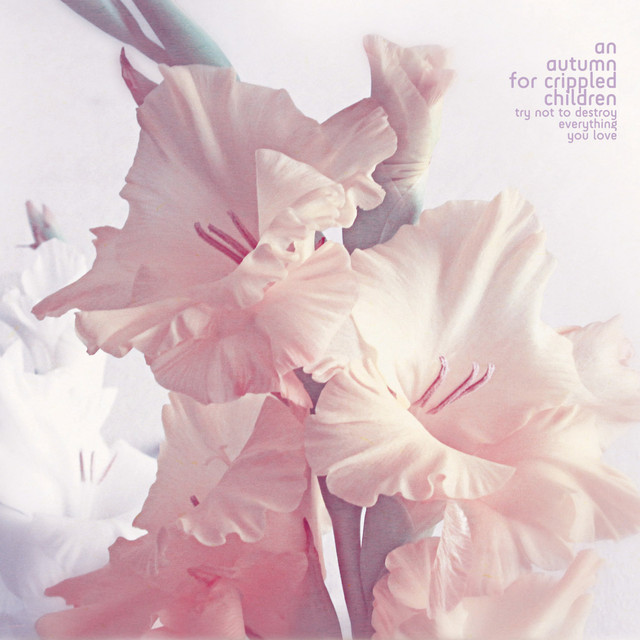
An Autumn for Crippled Children
Avant-Garde Black Metal
Blackgaze
Shoegaze
Download our mobile app
Get the Melodigging app and start digging for new genres on the go
Download on the App Store
Get it on Google Play
© 2026 Melodigging
Give feedback
Legal
Melodding was created as a tribute to
Every Noise at Once
, which inspired us to help curious minds keep digging into music's ever-evolving genres.