Genres
Artists
Albums
Make Music
Sign in
Sign in
Artists
Maracatu
Artists
Maracatu
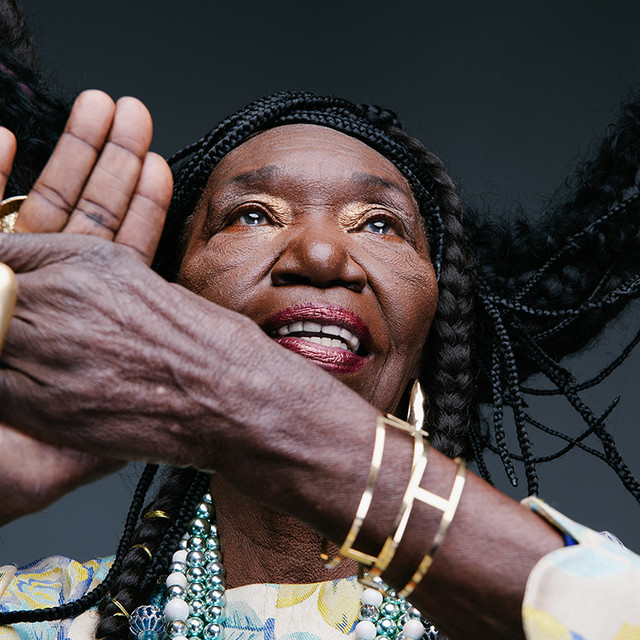
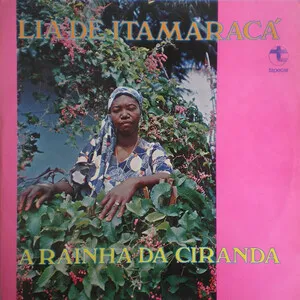
Lia de Itamaracá
2000–2023
·
8 albums
Listen
2
/5
Genres
Nova Mpb
Nova MPB ("new Música Popular Brasileira") is a contemporary wave of Brazilian popular music that renews the classic MPB ethos with indie, electronic, neo‑soul, and modern pop production. Artists in this scene preserve the melodic richness, poetic lyricism, and rhythmic DNA of bossa nova and samba while embracing lo‑fi textures, synth pads, and intimate, close‑mic vocals. Compared to classic MPB, nova MPB tends to be more minimalist and bedroom‑studio friendly, favoring warm, analog‑leaning timbres and restrained grooves. Lyrics often blend romantic and introspective themes with snapshots of urban life, identity, and the everyday, delivered in Portuguese with a natural, conversational flow.
Discover
Listen
Axé
Axé is a high-energy popular music from Salvador, Bahia, that fuses Afro-Brazilian and Caribbean rhythms with pop and rock songcraft. Designed for massive Carnival parades, it pairs large percussion ensembles with bright electric guitars, brass hooks, and call-and-response vocals to drive dancing crowds along the trio elétrico (truck-mounted sound stages). Grounded in afoxê/ijexá and samba-reggae grooves, axé favors upbeat major-key melodies, anthemic choruses, and lyrics celebrating joy, love, summer, Afro-Bahian pride, and the collective ecstasy of the street party. Its sound is at once percussive and melodic: layered surdos, timbales, repiniques, and atabaques interlock beneath catchy horn lines and pop arrangements built to move tens of thousands of revelers.
Discover
Listen
Latin
Latin (as a genre label) is a broad umbrella used by the recording industry to categorize popular music rooted in Latin America, the Caribbean, and the Iberian world, often characterized by syncopated Afro-diasporic rhythms, dance-forward grooves, and lyrics primarily in Spanish or Portuguese. As a marketplace category that took shape in the mid-20th century United States, it gathers diverse traditions—Afro-Cuban, Brazilian, Mexican, and Caribbean styles—into a shared space. In practice, "Latin" spans everything from big-band mambo and bolero ballads to contemporary pop, rock, hip hop, and dance fusions produced by artists of Latin American heritage.
Discover
Listen
Northeastern Brazilian Music
Northeastern Brazilian music is an umbrella for the rich, dance‑driven and song‑centered traditions from Brazil’s Nordeste, spanning rural sertão sounds and vibrant coastal carnival repertoires. It gathers matrix styles such as forró (and its substyles baião, xote, xaxado), coco and embolada (repente), maracatu, frevo, ciranda, and more. Characterized by propulsive percussion (zabumba, alfaia, pandeiro), bright timbres (triangle, brass), and the signature diatonic accordion (sanfona), the region’s music balances joyous, communal dance grooves with lyrical narratives about sertão life, migration, love, drought, and resilience. Its rhythmic DNA mixes Portuguese dance forms with Afro‑Brazilian and Indigenous elements, producing syncopated two‑step feels and carnival‑ready cadences. From the early 20th century radio era to contemporary pop and hip‑hop fusions, Northeastern styles have continually refreshed Brazilian music at large, informing MPB, axé, and the Recife‑born mangue beat while sustaining strong local dance and festival circuits.
Discover
Listen
Coco
Coco is an Afro-Brazilian rhythm and community dance-song tradition from Northeastern Brazil, especially Pernambuco, Paraíba, Alagoas, and Rio Grande do Norte. It features a propulsive, repetitive groove in duple meter, call-and-response vocals led by a mestre (leader) and answered by a chorus, and a distinctive percussive "pisada" (stomping) that turns the dancing circle into a rhythmic instrument. Performers typically gather in a roda (circle), clapping, stepping, and spinning to the beat—often at weekend street parties, religious/festive gatherings, and Carnival. Coco is closely related to (and sometimes synonymous with) embolada, the fast, tongue‑twisting, often improvised song form accompanied by pandeiro. Its antiphonal singing and cyclic percussion patterns echo West and Central African work songs and ritual music, and its participatory energy is comparable to capoeira music—joyful, communal, and irresistibly dancing.
Discover
Listen
Ciranda
Ciranda is a traditional circle-dance song form from the northeastern coast of Brazil (especially Pernambuco), performed by singers and percussionists while participants hold hands and move in a large circle along the beach or town squares. Musically, ciranda is slow and steady, with an understated, rocking pulse that supports call-and-response singing between a lead voice (mestre) and the chorus. Verses are typically long and organized into quatrains, and the lyrical themes are often limited to love and affection, in keeping with its communal and celebratory setting. Its timbre is dominated by hand percussion (zabumba/surdo, caixa/tarol, pandeiro, ganzá, triângulo) with occasional melodic support from flute or accordion. The atmosphere is inclusive and processional: the song’s cadence invites everyone to keep circling and singing together.
Discover
Listen
Maracatu
Maracatu is an Afro-Brazilian processional music and performance tradition from Pernambuco, centered on powerful, polyrhythmic percussion and call-and-response song. It exists in two main forms: Maracatu Nação (also called maracatu de baque virado), associated with the historic coronation ceremonies of the "Rei e Rainha do Congo" (King and Queen of Congo) in Recife and Olinda; and Maracatu Rural (maracatu de baque solto), linked to the sugarcane zone (Zona da Mata) and famous for its costumed caboclos de lança. Both forms combine African-derived drumming, Portuguese processional pageantry, and local popular poetry to create an epic, ceremonial groove that animates Carnival and community celebrations. The core sound is driven by alfaias (large rope-tuned bass drums), caixas/tarois (snares), gonguê (iron bell), agbês/xequerês (gourd shakers), and ganzás/mineiros (metal shakers). Vocals are led by a puxador (lead singer) with a chorus, delivering toadas (songs) that praise the nation, invoke spiritual lineages, and comment on community life.
Discover
Listen
Show all 7 genres
Albums
2023
1
/5
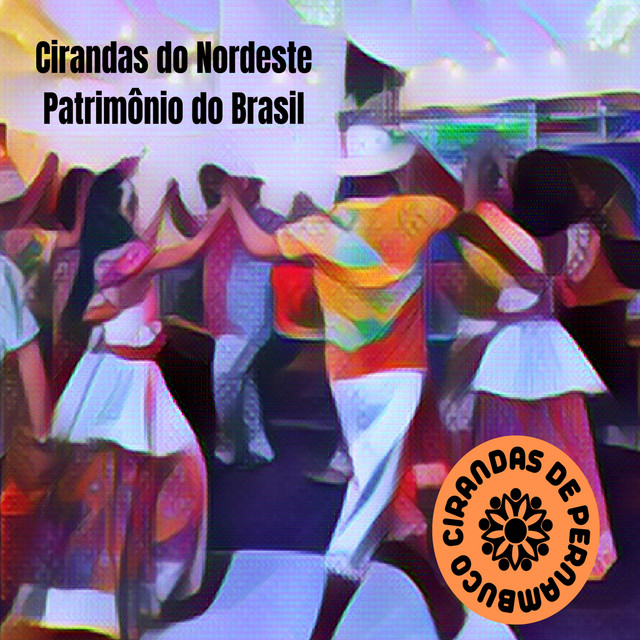
Cirandas de Pernambuco
Lia de Itamaracá
Maracatu
2023
1
/5
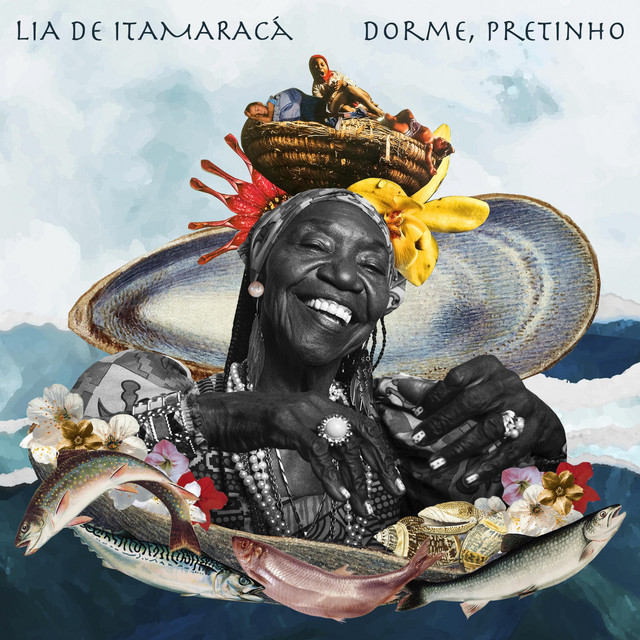
Dorme Pretinho
Lia de Itamaracá
Maracatu
2019
2
/5
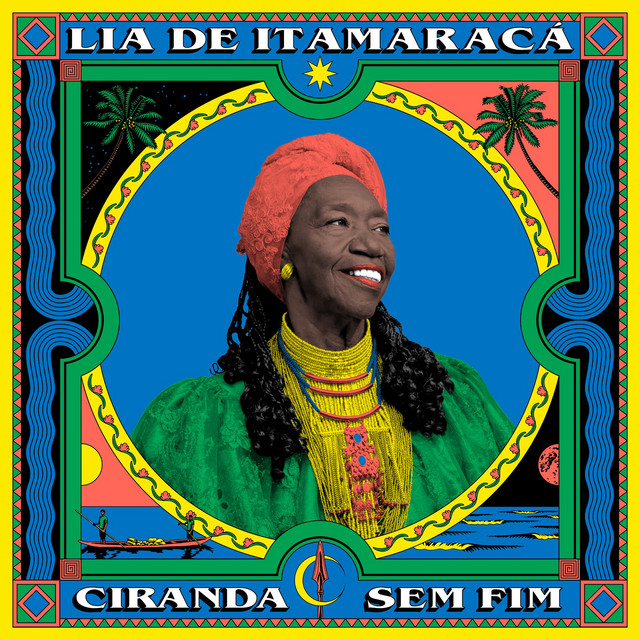
Ciranda sem fim
Lia de Itamaracá
Ciranda
Coco
Maracatu
2008
1
/5
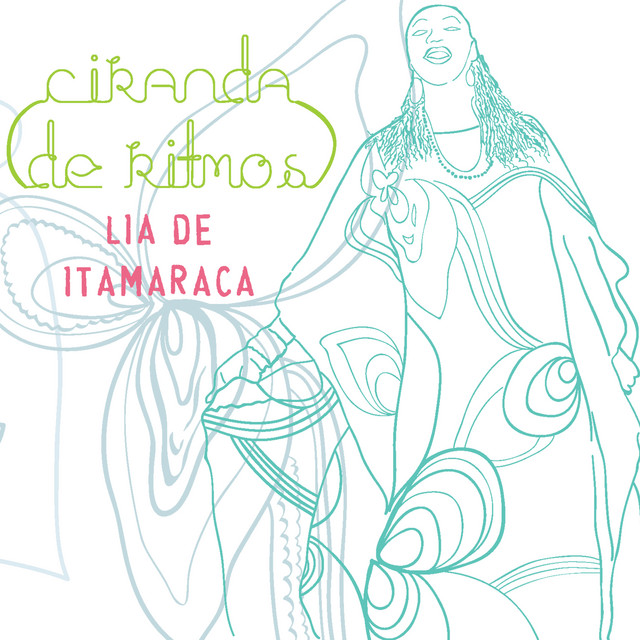
Ciranda de Ritmos
Lia de Itamaracá
Maracatu
2008
1
/5
Ciranda de Ritmos
Lia de Itamaracá
Maracatu
2000
2
/5
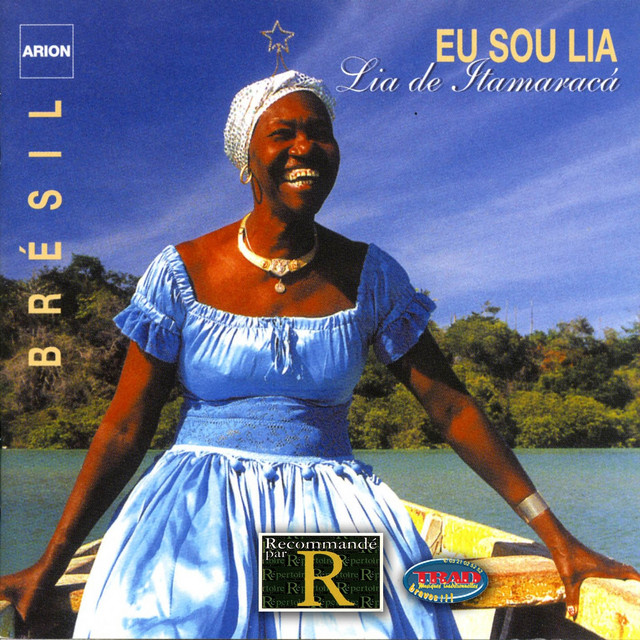
Eu sou Lia
Lia de Itamaracá
Ciranda
Maracatu
Coco
A rainha da ciranda
Lia de Itamaracá
Ciranda
A rainha da ciranda
Lia de Itamaracá
Coco
Similar artists
2
/5
Siba
Maracatu
Ciranda
Coco
2
/5
Cordel do Fogo Encantado
Maracatu
Latin
Nova Musica Pernambucana
2
/5
Antônio Nóbrega
Maracatu
Frevo
Coco
2
/5
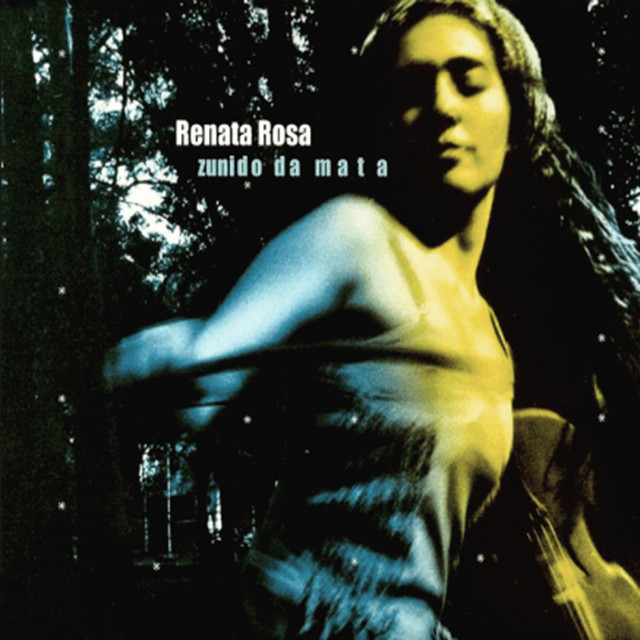
Renata Rosa
Maracatu
Brazilian Folk Music
Coco
2
/5
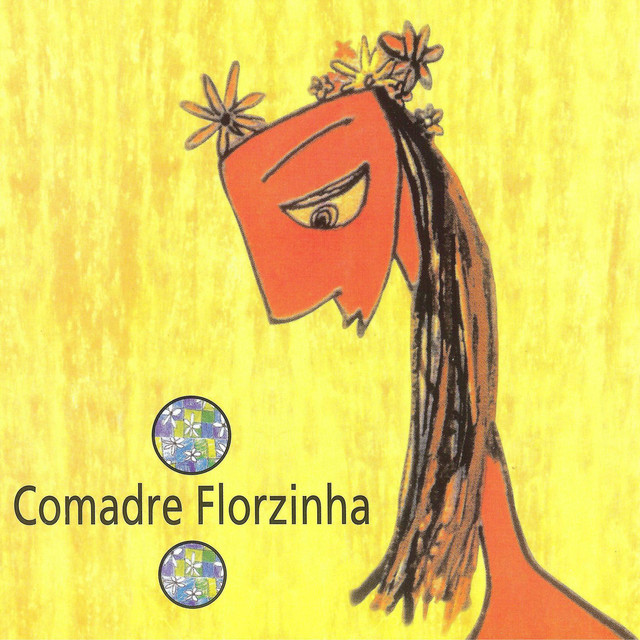
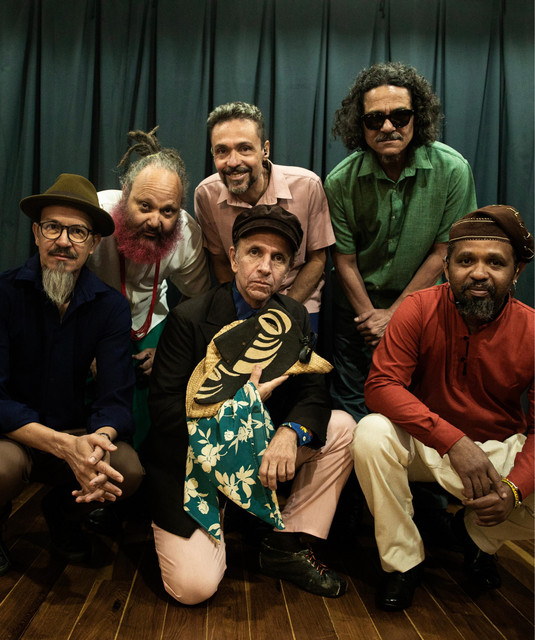
Comadre Florzinha
Maracatu
Forró
Forró Tradicional
2
/5
Mestre Ambrósio
Forró
Coco
Mangue Beat
4
/5
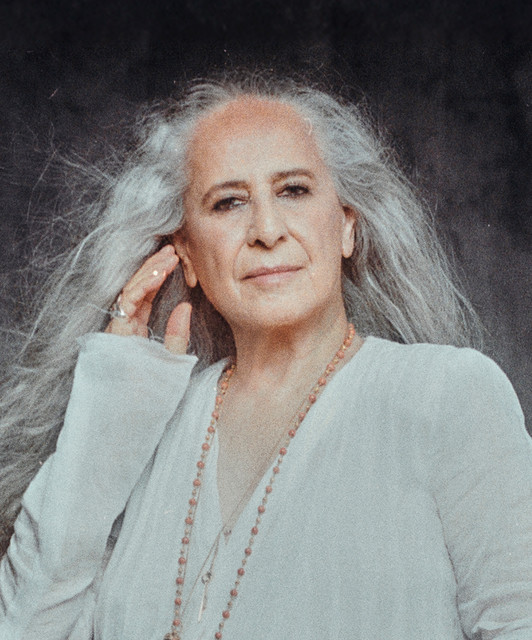
Maria Bethânia
Samba De Roda
Mpb
Bossa Nova
4
/5
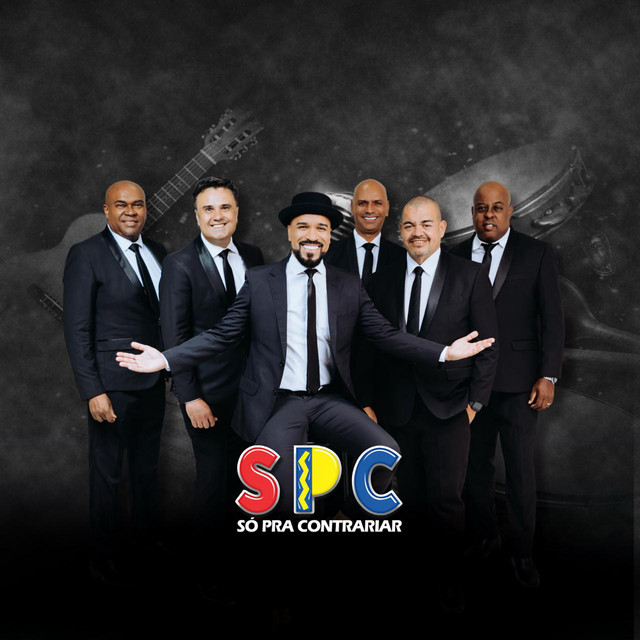
Só Pra Contrariar
Axé
Pagode
Pagode Romântico
4
/5
Aviões do Forró
Forró
Forró Eletrônico
Arrocha
3
/5
Banda Eva
Samba-Reggae
Axé
Pagodão
Download our mobile app
Get the Melodigging app and start digging for new genres on the go
Download on the App Store
Get it on Google Play
© 2026 Melodigging
Give feedback
Legal
Melodding was created as a tribute to
Every Noise at Once
, which inspired us to help curious minds keep digging into music's ever-evolving genres.