Genres
Artists
Albums
Make Music
Sign in
Sign in
Artists
Classical
Artists
Classical
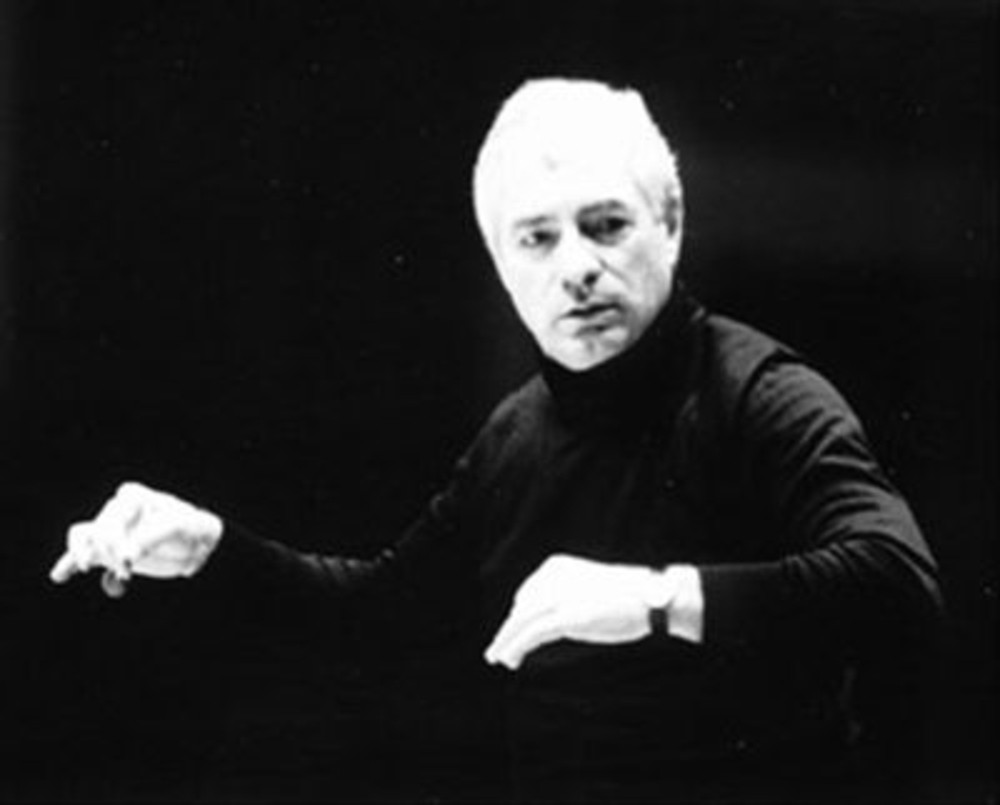
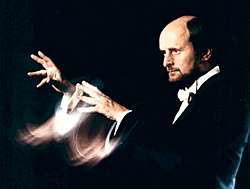
Leopold Hager
2015
·
1 album
Listen
2
/5
Genres
Radio Symphony
Radio symphony refers to orchestral music performed by radio-affiliated symphony orchestras and produced for broadcast and recording. The genre crystallized when national broadcasters in Europe founded full‑time orchestras to supply live and studio concerts for the new medium of radio. While the repertoire spans the entire canon—from Baroque to contemporary premieres—its hallmark is a broadcast-oriented approach: clear balances, disciplined ensemble, and programming that alternates core symphonic works with light music, film/production cues, and newly commissioned pieces tailor‑made for airplay. The result is a distinctive sound culture that marries concert-hall orchestral traditions with the editorial, acoustic, and time-constraint realities of broadcasting.
Discover
Listen
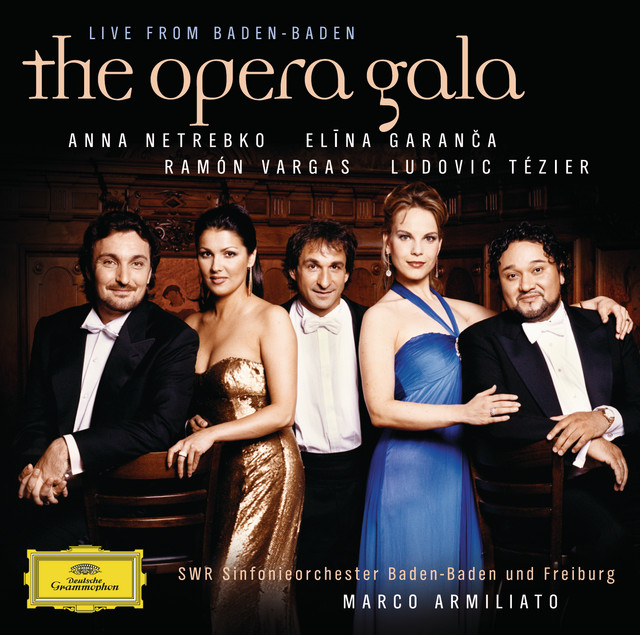
Opera
Opera is a large-scale theatrical genre that combines music, drama, and visual spectacle, in which the story is primarily conveyed through singing accompanied by an orchestra. It unites solo voices, ensembles, and chorus with staging, costumes, and often dance to create a total artwork. Emerging in late Renaissance Italy and flourishing in the Baroque era, opera developed signature forms such as recitative (speech-like singing that advances the plot) and aria (lyrical numbers that explore character and emotion). Over the centuries it evolved diverse national styles—Italian bel canto, French grand opéra, German music drama—while continually experimenting with orchestration, harmony, narrative structure, and stagecraft.
Discover
Listen
Classical
Classical music is the notated art-music tradition of Europe and its global descendants, characterized by durable forms, carefully codified harmony and counterpoint, and a literate score-based practice. The term “classical” can refer broadly to the entire Western art-music lineage from the Medieval era to today, not just the Classical period (c. 1750s–1820s). It privileges long-form structures (such as symphonies, sonatas, concertos, masses, and operas), functional or modal harmony, thematic development, and timbral nuance across ensembles ranging from solo instruments to full orchestras and choirs. Across centuries, the style evolved from chant and modal polyphony to tonal harmony, and later to post-tonal idioms, while maintaining a shared emphasis on written notation, performance practice, and craft.
Discover
Listen
Albums
2015
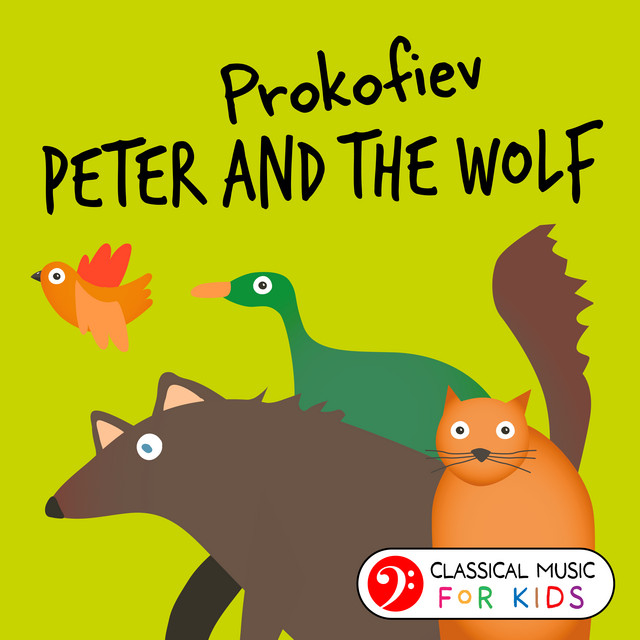
Prokofiev: Peter and the Wolf, Op. 67 (Classical Music for Kids)
Sergei Prokofiev, Luxemburg Radio Symphony Orchestra, Leopold Hager, Edward Arm…
Radio Symphony
Similar artists
4
/5
Herbert von Karajan
Classical
Symphonic Poem
Symphony
3
/5
Richard Wagner
New German School
Romantische Oper
Wagnerian Singing
3
/5
Daniel Harding
Classical
Concerto
Opera
3
/5
Sir Roger Norrington
Classical
Opera
Requiem
2
/5
SWR Symphony Orchestra
Classical
Musique Concrète
Opera
2
/5
WDR Sinfonieorchester Köln
Classical
Electroacoustic
Musique Concrète
2
/5
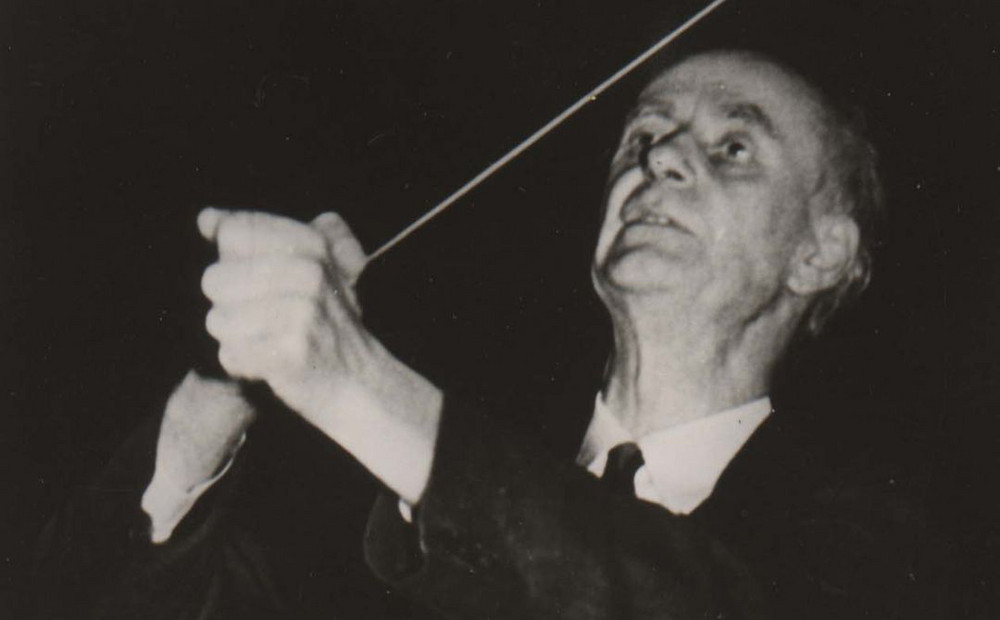
Wilhelm Furtwängler
Wagnerian Singing
Classical
Historic Orchestral Performance
2
/5
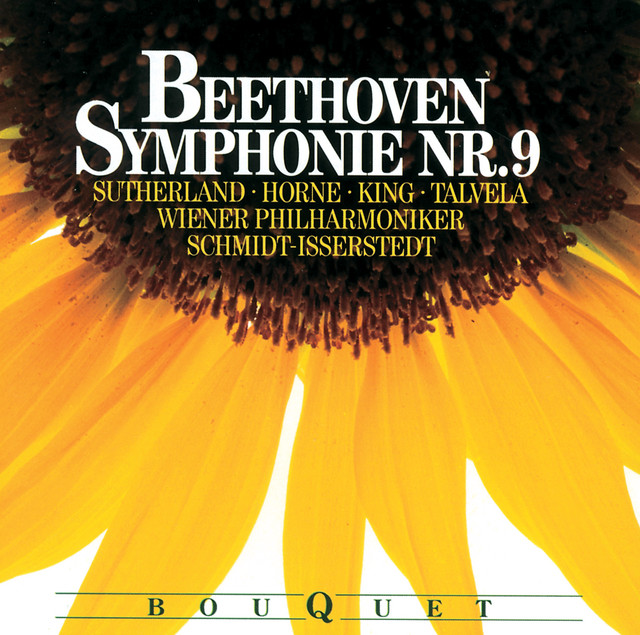
Hans Schmidt-Isserstedt
Classical
Opera
Radio Symphony
4
/5
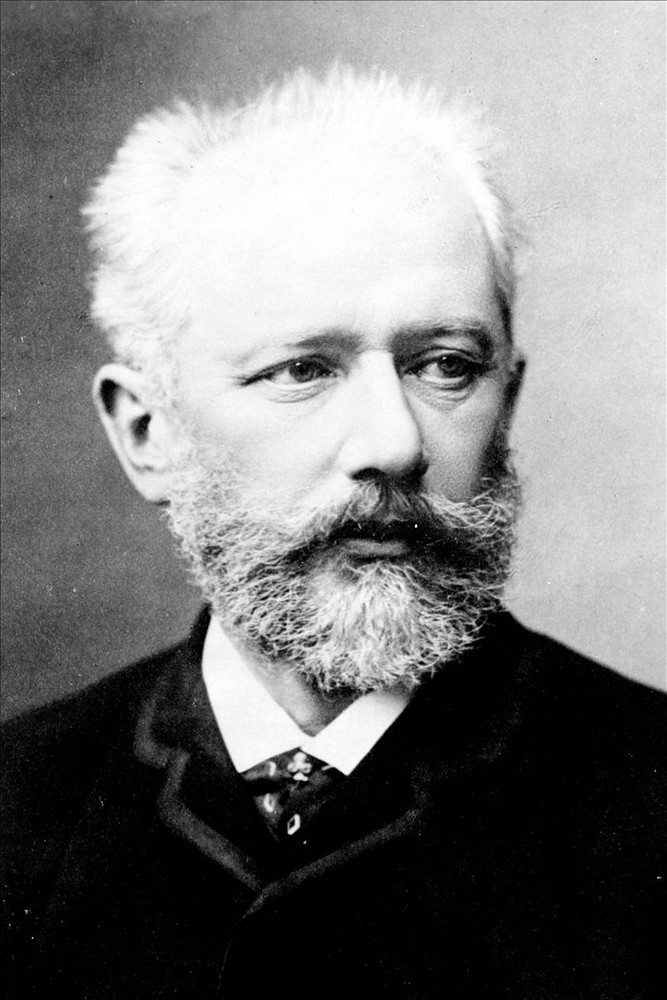
Pyotr Ilyich Tchaikovsky
Classical
Moscow School
Ballet
4
/5
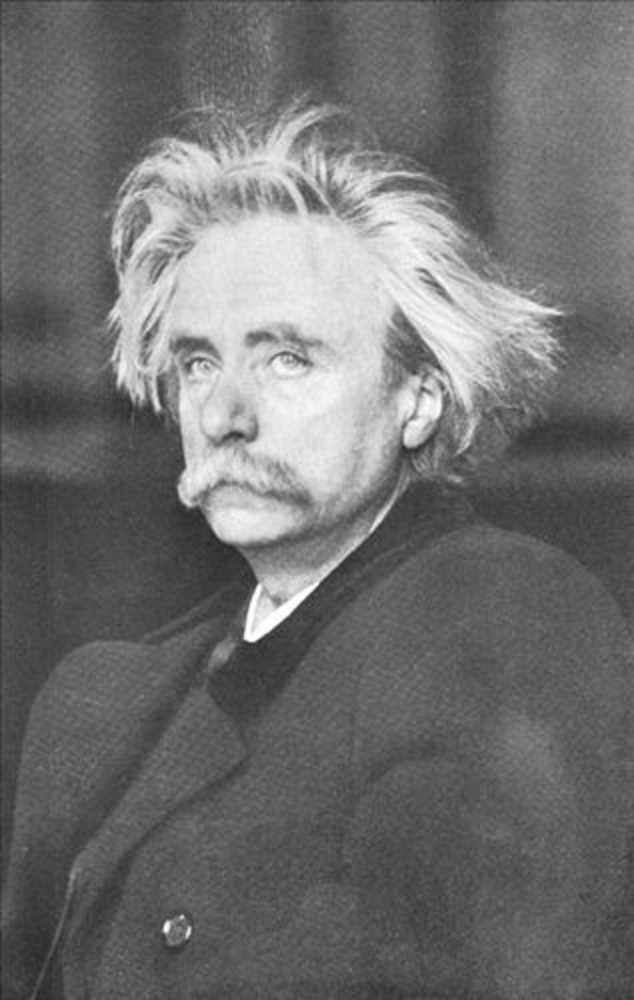
Edvard Grieg
Nordic Classical Piano
Character Piece
Classical
Download our mobile app
Get the Melodigging app and start digging for new genres on the go
Download on the App Store
Get it on Google Play
© 2026 Melodigging
Give feedback
Legal
Melodding was created as a tribute to
Every Noise at Once
, which inspired us to help curious minds keep digging into music's ever-evolving genres.