Genres
Artists
Albums
Make Music
Sign in
Sign in
Artists
Avant-Garde
Artists
Avant-Garde
Lejaren Hiller
1970
·
2 albums
Listen
1
/5
Genres
Ai
AI (artificial intelligence) as a music genre refers to works in which machine-learning systems are central to generating, arranging, or performing core musical material, rather than being used only as peripheral studio tools. The style spans fully generative ambient soundscapes and pop songs written from text prompts, to voice-cloned performances and neural resynthesis of timbres. Stylistically it borrows from contemporary electronic and internet-born aesthetics (hyperpop, vaporwave, IDM, electropop), while foregrounding the uncanny, synthetic qualities of ML models. Beyond sonics, AI music is also a process-driven genre: datasets, prompts, model architectures, and iterative sampling are treated as creative choices on par with chords or instrumentation. Ethical and legal questions around training data, consent, and authorship are part of its identity and discourse.
Discover
Listen
Experimental
Experimental music is an umbrella term for practices that prioritize exploration, process, and discovery over adherence to established genre norms. It embraces new sound sources, nonstandard tuning systems, indeterminacy and chance operations, graphic and open-form scores, extended techniques, and technology-led sound design (tape, electronics, computers, and live processing). Rather than a single style, it is a methodology and ethos: testing hypotheses about sound, structure, and performance, often blurring boundaries between composition, improvisation, sound art, and performance art. Listeners can expect unfamiliar timbres, unusual forms, and an emphasis on how music is made as much as the resulting sound.
Discover
Listen
Free Jazz
Free jazz is a radical branch of jazz that rejects fixed chord progressions, strict meter, and conventional song forms in favor of collective improvisation, textural exploration, and spontaneous interaction. Musicians prioritize timbre, dynamics, and gesture as much as pitch and harmony, often using extended techniques (multiphonics, overblowing, prepared piano) and unconventional sounds. While rooted in the blues and earlier jazz vocabularies, free jazz frees improvisers from pre-set harmonic cycles, allowing lines to unfold over tonal centers, shifting modes, drones, or complete atonality. Rhythm sections may float without a steady pulse, or drive with layered polyrhythms and “energy playing.” The result ranges from contemplative soundscapes to cathartic, high-intensity eruptions. Culturally, the genre intersected with the civil rights era and broader avant-garde movements, emphasizing autonomy, community, and new possibilities for musical expression.
Discover
Listen
Sonorism
Sonorism is a post–World War II Polish avant‑garde current that makes sound color, texture, and unconventional timbral combinations the primary musical material. Rather than developing melodies and harmonies in a traditional sense, sonorist works organize music into blocks or masses of sound that transform through color, density, and register. Emerging within the “Polish School” of the late 1950s and 1960s, sonorism embraces extended instrumental techniques, novel orchestration, and experimental notations. Its aesthetics foreground glissandi, clusters, aleatoric layers, and dramatic contrasts to create visceral, often eerie or cathartic soundscapes that challenged serial orthodoxy and expanded orchestral imagination.
Discover
Listen
Stochastic Music
Stochastic music is a 20th‑century avant‑garde approach in which musical parameters are governed by probability theory and random processes rather than fixed, note‑by‑note determination. Instead of traditional melody and harmony, composers shape "sound masses" by controlling statistical features like density, event rate, pitch distributions, durations, and dynamics. Typical tools include Gaussian, Poisson, and Markov processes, which create evolving textures, swarms, and clouds of sound—often realized in both orchestral and electroacoustic settings. The term is most closely associated with Iannis Xenakis, who formalized the method and demonstrated it in landmark works and writings, but it has deeply influenced computer music, experimental electronic practices, and later microsound/granular approaches.
Discover
Listen
Avant-Garde
Avant-garde music is an umbrella term for boundary-pushing practices that challenge prevailing norms of harmony, rhythm, timbre, form, and performance. It privileges experimentation, conceptual rigor, and a willingness to reframe what counts as music at all. Historically tied to early 20th‑century artistic modernism, avant-garde music introduced atonality, the emancipation of noise, and new forms of notation and process. It embraces indeterminacy, extended techniques, electronics, spatialization, and multimedia performance, treating sound as material to be sculpted, questioned, and reinvented.
Discover
Listen
Albums
1970
1
/5
Paradigm / Algorithms I, Versions I & IV / Signals
Lukas Foss
Sonorism
Computer Music From the University of Illinois
Lejaren Hiller
Stochastic Music
Similar artists
2
/5
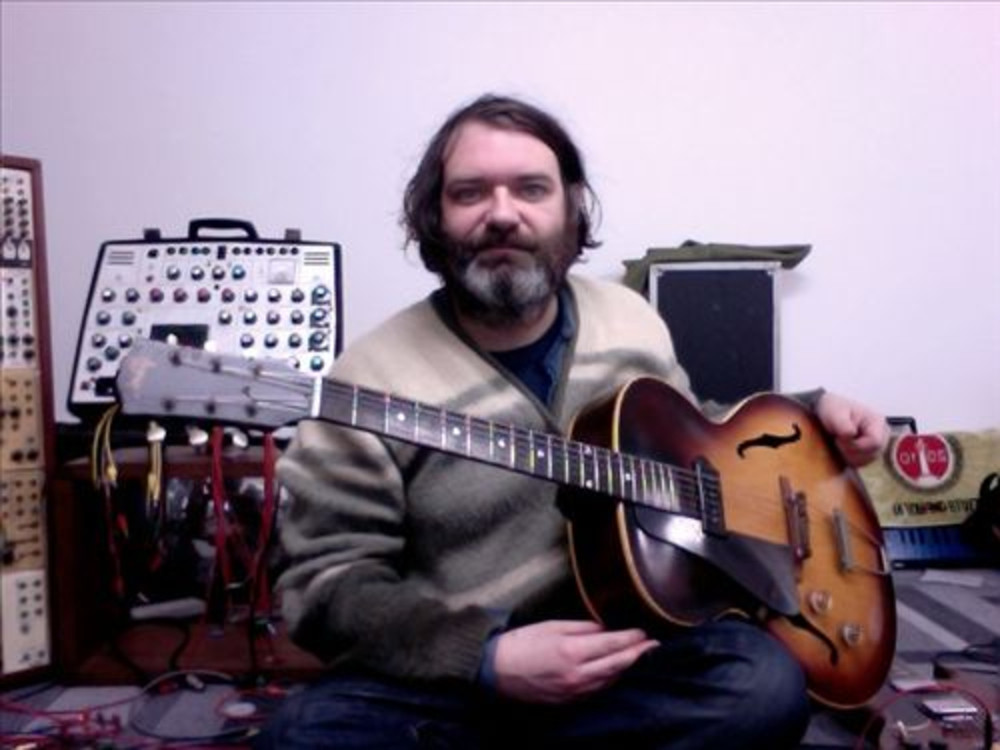
Jim O'Rourke
Drone
Chicago School
Avant-Garde
1
/5
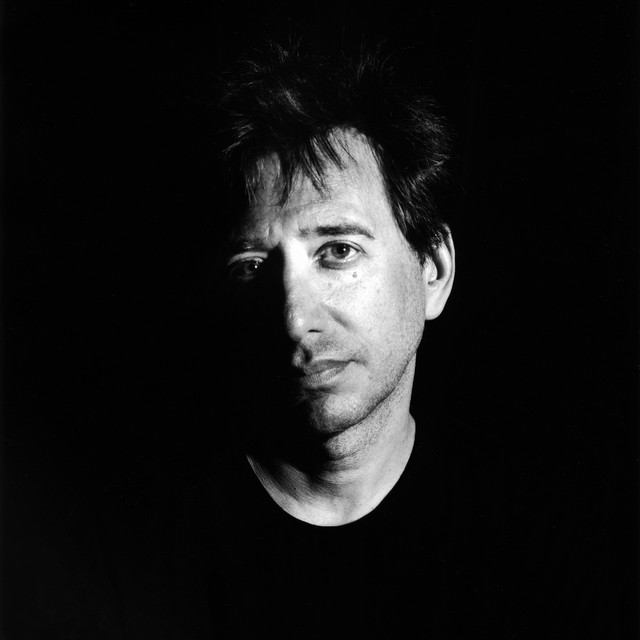
John Zorn
Avant-Garde Jazz
Free Improvisation
Jazz
2
/5
Merzbow
Japanoise
Noise
Electronic
2
/5
Prurient
Industrial
Noise
Fort Thunder Scene
2
/5
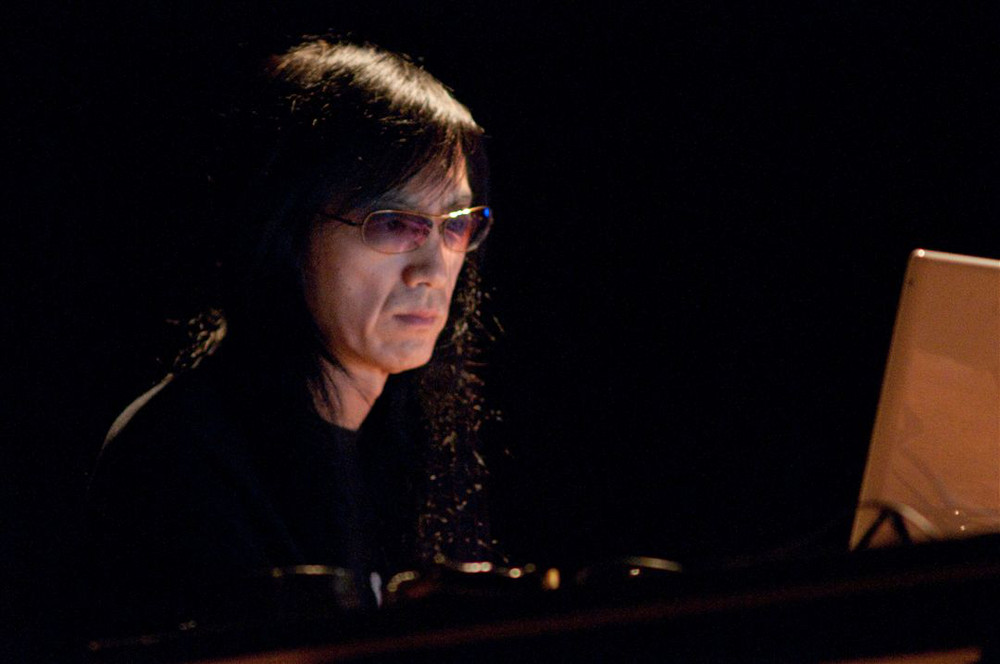
Otomo Yoshihide
Experimental
Avant-Garde
Anime Lo-Fi
1
/5
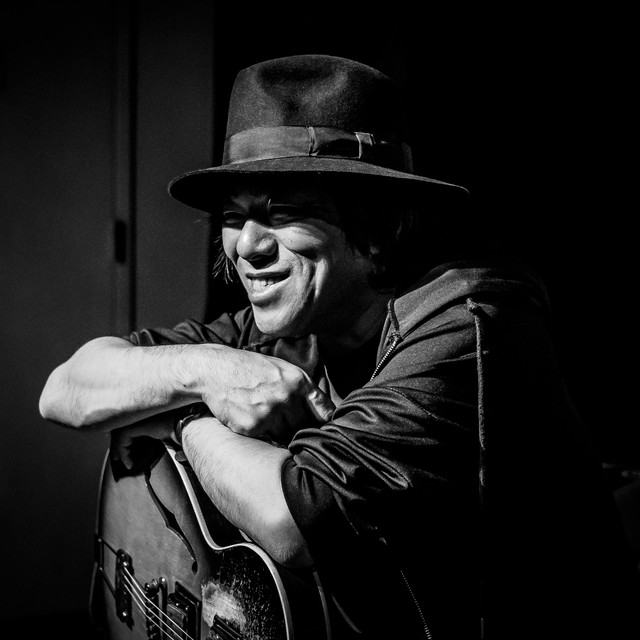
Painkiller
Avant-Garde
Experimental
Free Jazz
1
/5
Okkyung Lee
Avant-Garde
Experimental
Free Jazz
1
/5
Fred Frith
Free Improvisation
Avant-Garde
Experimental
1
/5
Keiji Haino
Japanoise
Noise
Avant-Garde
1
/5
Wolf Eyes
Avant-Garde
Drone
Experimental
Download our mobile app
Get the Melodigging app and start digging for new genres on the go
Download on the App Store
Get it on Google Play
© 2026 Melodigging
Give feedback
Legal
Melodding was created as a tribute to
Every Noise at Once
, which inspired us to help curious minds keep digging into music's ever-evolving genres.