Genres
Artists
Albums
Make Music
Sign in
Sign in
Artists
Artcore
Artists
Artcore
LeaF
2018
·
2 albums
Listen
2
/5
Genres
Artcore
Artcore is a subgenre of hardcore techno that fuses high-BPM club energy with the orchestral colors and dramatic writing of cinematic classical music. Producers combine pounding four-on-the-floor kicks, breakbeats, and modern EDM sound design with strings, piano, choirs, and sweeping harmonic progressions. The result is a maximalist, emotive style: towering builds, through-composed sections, key changes, and leitmotifs are common, while supersaw leads, reese basses, and intricate percussion keep the dancefloor intensity. The sound took shape in Japan’s doujin and rhythm-game circles, but it has since spread globally among electronic musicians who favor epic, narrative arrangements.
Discover
Listen
Twerk
Twerk is a high-energy club and festival style built around pounding 808 bass, head-nodding half‑time grooves at double‑time feel, and chantable hooks designed for the dancefloor. Typically sitting near 95–110 BPM, its percussion borrows the call‑and‑response patterns and bounce of New Orleans Bounce while embracing the sub‑heavy thump and party-forward attitude of Miami Bass. Modern productions often fold in trap-style hi-hats, crowd commands, and minimal, catchy riffs, prioritizing rhythm and movement over complex harmony.
Discover
Listen
Shimmer Pop
Shimmer pop is a glossy, hook-forward offshoot of indie pop that emphasizes bright, “glassy” textures and dreamy atmospheres. Its sound is defined by clean, chorus‑drenched guitars or twinkling synth arpeggios, lush pads, and wide, sparkling high‑end detail that gives the music a literal sense of shimmer. Production often merges retro new‑wave and synth‑pop colors with modern indietronica polish, pairing side‑chained synths and gated reverbs with crisp, contemporary drum programming. Melodies are unabashedly pop, while the lyrics frequently explore romantic longing, youthful nostalgia, and late‑night introspection. Tempos typically sit in the mid‑tempo range, with steady 4/4 grooves or lightly syncopated patterns that keep the music buoyant and danceable without becoming aggressive. The overall mood balances optimism and wistfulness, creating a sound that feels both neon‑bright and emotionally tender.
Discover
Listen
J-Core
J-core is a Japanese take on hardcore techno that fuses high-BPM club structures with otaku culture, game/anime sampling, and brightly melodic writing. It typically sits in the 160–200+ BPM range, using pounding four-on-the-floor kicks, gabber-style distorted low-end, or layered breakbeats. The style is defined by hyper-melodic leads (often supersaws), euphoric trance harmonies, and chopped/processed voice clips from anime, games, denpa songs, or Vocaloid. Aesthetically it leans kawaii/cute but can swing toward intense, chaotic, or even speedcore extremes. J-core flourished in Japan’s doujin scene and rhythm-game ecosystem, with circles and labels releasing compilations and event-driven tracks.
Discover
Listen
Touhou
Touhou is a fan-driven music ecosystem that centers on the melodic boss themes and stage pieces from the Touhou Project games by ZUN (Team Shanghai Alice), and the vast culture of doujin (independent) arrangements derived from them. While the original soundtracks draw on jazzy harmonies, ear‑catching melodies, and fast, arcade‑ready pacing, the broader “Touhou” tag usually denotes the enormous body of remixes that reimagine these themes as rock/metal, trance, eurobeat, denpa, jazz, orchestral, and more. Character leitmotifs, brisk BPMs, bright “ZUN‑pet” synth/brass timbres, and dramatic modulations are common fingerprints. The style is deeply tied to Japanese doujin culture, with circles releasing CDs at events like Comiket and Reitaisai and sharing on platforms such as Niconico Douga and YouTube, where meme‑driven hits (e.g., eurobeat or denpa takes) helped globalize the sound.
Discover
Listen
Speedcore
Speedcore is an extreme form of hardcore techno distinguished by exceedingly fast tempos—commonly 300 BPM and above—and an abrasive, aggressive sound palette. It emphasizes pounding, distorted kick drums (often from overdriven 909s), clipped transients, harsh noise textures, and confrontational sampling. Emerging in the early to mid‑1990s from European hardcore and gabber scenes, speedcore pushes rhythm and intensity beyond conventional dance‑floor boundaries. Tracks frequently feature relentless four‑on‑the‑floor kicks at double or quadruple time, interspersed with breakneck fills, industrial feedback, and horror or shock‑oriented samples. The style’s extremity spawned even faster micro‑styles such as splittercore and extratone.
Discover
Listen
Breakcore
Breakcore is a high-intensity electronic music genre built around hyper-edited breakbeats, extreme dynamics, and a deliberately transgressive, collage-like approach to sampling. It prioritizes rhythmic complexity, abrupt structural shifts, and heavy sound design over smooth continuity. Typical tempos range from 160 to 220 BPM (and beyond), with the Amen break, Think break, and other classic breakbeats chopped into micro-fragments, re-sequenced, and processed with distortion, compression, and glitch edits. The palette freely fuses elements from jungle and drum and bass with gabber kicks, industrial noise, classical or choral snippets, ragga vocals, metal guitar samples, and odd-meter patterns. More than a single “sound,” breakcore is a methodology: confrontational energy, maximalist editing, and anti-formalist structures that often subvert dance-music expectations. It thrives in DIY scenes, warehouse parties, and netlabel cultures, where forward-pushing experimentation and boundary-blurring sampling are central values.
Discover
Listen
Electronic
Electronic is a broad umbrella genre defined by the primary use of electronically generated or electronically processed sound. It encompasses music made with synthesizers, drum machines, samplers, computers, and studio/tape techniques, as well as electroacoustic manipulation of recorded or synthetic sources. The genre ranges from academic and experimental traditions to popular and dance-oriented forms. While its sonic palette is rooted in electricity and circuitry, its aesthetics span minimal and textural explorations, structured song forms, and beat-driven club permutations. Electronic emphasizes sound design, timbre, and studio-as-instrument practices as much as melody and harmony.
Discover
Listen
Instrumental
Instrumental is music created and performed without sung lyrics, placing the expressive weight on melody, rhythm, harmony, and timbre produced by instruments. As an umbrella practice it appears in many cultures, but its modern identity cohered in Baroque-era Europe when purely instrumental forms such as the sonata, concerto, and dance suites began to flourish. Since then, instrumental thinking—developing motives, structuring form without text, and showcasing timbral contrast—has informed everything from orchestral music and solo piano repertoire to post-rock, film scores, and beat-driven electronic styles. Instrumental works can be intimate (solo or chamber) or expansive (full orchestra), narrative (programmatic) or abstract (absolute music). The absence of lyrics invites listeners to project imagery and emotion, making the style a natural fit for cinema, games, and contemplative listening.
Discover
Listen
Show all 9 genres
Albums
2018
2
/5
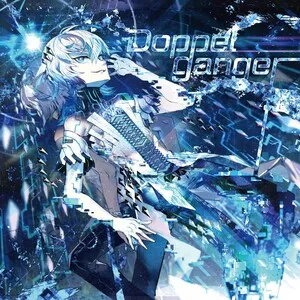
Doppelganger
LeaF
Artcore
J-Core
Breakcore
Naked & Wasted
Leaf
Twerk
Similar artists
4
/5
Camellia
Denpa-Kei
Electronic
J-Core
3
/5
Laur
J-Core
Artcore
Gamecore
3
/5
t+pazolite
J-Core
Denpa-Kei
Kawaii Future Bass
3
/5
Kobaryo
Speedcore
J-Core
Gabber
3
/5
DJ Myosuke
Gabber
Frenchcore
J-Core
2
/5
Dj Technorch
Mashcore
Breakcore
Experimental Club Music
2
/5
M1DY
Speedcore
Breakcore
Gabber
2
/5
DJ SHARPNEL
Nerdcore Techno
Gabber
Happy Hardcore
1
/5
Various Artists
Afro-Funk
Alternative Rock
Ambient
3
/5
Sakuzyo
Artcore
Electronic
Trance
Download our mobile app
Get the Melodigging app and start digging for new genres on the go
Download on the App Store
Get it on Google Play
© 2026 Melodigging
Give feedback
Legal
Melodding was created as a tribute to
Every Noise at Once
, which inspired us to help curious minds keep digging into music's ever-evolving genres.