Genres
Artists
Albums
Make Music
Sign in
Sign in
Artists
Synth-Pop
Artists
Synth-Pop
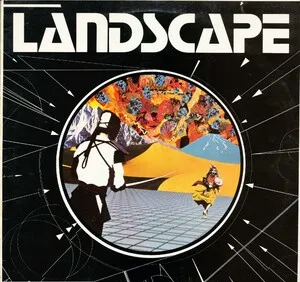
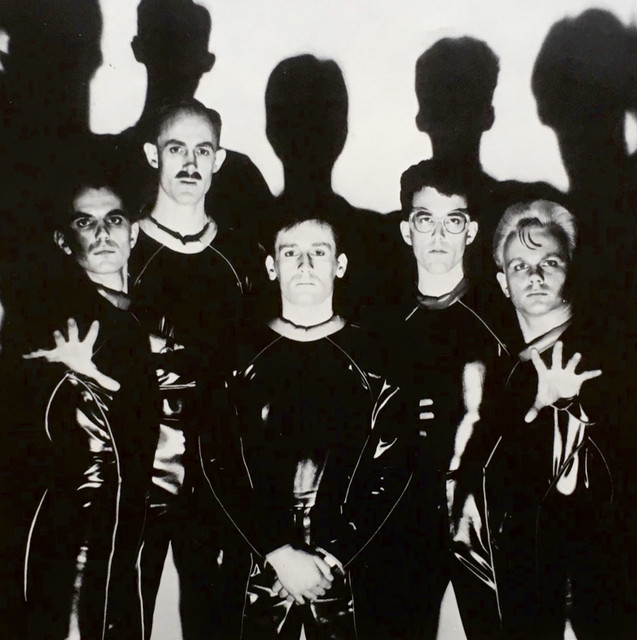
Landscape
1980–1982
·
3 albums
Listen
Genres
New Pop
New Pop is a UK-led early‑1980s movement in which post‑punk and new wave artists embraced chart ambition, hook‑forward songwriting, and glossy studio production without abandoning modernist sensibilities. It fuses danceable rhythms (often disco‑derived), synth-driven textures, clean guitar, and soul/funk inflections with memorable choruses and sharp, fashion‑conscious presentation—perfectly adapted to the emerging MTV era. Compared with raw punk and austere post‑punk, New Pop emphasizes sophistication, melody, and studio sheen while keeping an art‑school edge. The term was used by critics to describe the shift of adventurous late‑’70s musicians toward mainstream pop forms, defining much of the UK’s early‑to‑mid‑’80s singles landscape.
Discover
Listen
Synth-Pop
Synth-pop is a pop-oriented style that foregrounds the synthesizer as its primary instrument, often paired with drum machines and sequencers. It favors clean, melodic hooks, concise song structures, and a sleek, modernist sound that ranges from cool and minimal to lush and romantic. Emerging at the turn of the 1980s from the UK new wave and post-punk scenes, synth-pop leveraged affordable analog and then digital keyboards to bring electronic textures into the mainstream. Its sonic palette includes arpeggiated basslines, shimmering pads, bright leads, gated or machine-driven drums, and polished vocals that convey both futuristic detachment and emotional immediacy.
Discover
Listen
Brit Funk
Brit funk (often styled Brit-funk) is a late‑1970s to early‑1980s UK blend of American funk, disco, and jazz-fusion filtered through British club culture and a vibrant Afro‑Caribbean diaspora. Characterized by tight, syncopated rhythm sections, slap bass, sparkling Rhodes and clavinet, jazz‑tinged chord voicings, bright horn stabs, and polished yet live band production, the style favors mid‑tempo grooves designed for the dancefloor. Many tracks feature extended vamps, instrumental solos, and breakdowns that reflect both jazz musicianship and DJ‑friendly structure. The sound sits between disco’s four‑on‑the‑floor drive and jazz‑funk’s harmonic richness, with an ear for catchy hooks and party‑ready refrains. It became a cornerstone of UK club life, feeding into rare groove culture and setting the stage for acid jazz and later broken beat.
Discover
Listen
Jazz-Funk
Jazz-funk is a groove-forward hybrid of jazz improvisation and harmony with the rhythmic drive and backbeat of funk. It features syncopated basslines, crisp drum patterns, and tight horn or keyboard riffs, often organized around vamping two- or four-bar progressions rather than complex chord changes. The sound is defined by electric instruments—Fender Rhodes, Clavinet, analog and early digital synthesizers, electric bass, and wah-inflected guitar—alongside punchy horn sections and extended solos. Compared to traditional jazz, the harmonic language is leaner but still rich, emphasizing 9ths, 11ths, 13ths, and modal centers (especially Dorian). The music aims for deep, danceable pocket, slick production, and a soulful, urban feel.
Discover
Listen
Jazz Fusion
Jazz fusion (often simply called "fusion") blends the improvisational language and harmonic richness of jazz with the amplified instruments, grooves, and song forms of rock, funk, and R&B. It typically features electric guitars, electric bass or fretless bass, Rhodes electric piano, clavinet, analog and digital synthesizers, and a drum kit playing backbeat- and syncopation-heavy patterns. Hallmarks include extended chords and modal harmony, complex and shifting meters, brisk unison lines, virtuosic improvisation, and a production aesthetic that embraces effects processing and studio craft. The style ranges from fiery, aggressive workouts to polished, atmospheric textures, often within the same piece. Emerging in the late 1960s and flourishing through the 1970s, jazz fusion became a bridge between jazz audiences and rock/funk listeners, shaping later styles such as jazz-funk, smooth jazz, nu jazz, and parts of progressive and technical rock/metal.
Discover
Listen
Rock
Rock is a broad family of popular music centered on amplified instruments, a strong backbeat, and song forms that foreground riffs, choruses, and anthemic hooks. Emerging from mid‑20th‑century American styles like rhythm & blues, country, and gospel-inflected rock and roll, rock quickly expanded in scope—absorbing folk, blues, and psychedelic ideas—while shaping global youth culture. Core sonic markers include electric guitar (often overdriven), electric bass, drum kit emphasizing beats 2 and 4, and emotive lead vocals. Rock songs commonly use verse–chorus structures, blues-derived harmony, and memorable melodic motifs, ranging from intimate ballads to high‑energy, stadium‑sized performances.
Discover
Listen
Electronic
Electronic is a broad umbrella genre defined by the primary use of electronically generated or electronically processed sound. It encompasses music made with synthesizers, drum machines, samplers, computers, and studio/tape techniques, as well as electroacoustic manipulation of recorded or synthetic sources. The genre ranges from academic and experimental traditions to popular and dance-oriented forms. While its sonic palette is rooted in electricity and circuitry, its aesthetics span minimal and textural explorations, structured song forms, and beat-driven club permutations. Electronic emphasizes sound design, timbre, and studio-as-instrument practices as much as melody and harmony.
Discover
Listen
Show all 7 genres
Albums
1982
Manhattan Boogie‐Woogie
Landscape
Electronic
Jazz-Funk
Synth-Pop
1981
From the Tea Rooms of Mars… to the Hell‐holes of Uranus
Landscape
Electronic
Rock
Synth-Pop
1980
Landscape
Landscape
Brit Funk
Electronic
Jazz-Funk
Similar artists
Hide discovered
1
/5
Various Artists
Soundtrack
Afro-Funk
Alternative Rock
4
/5
Vangelis
Ambient
Electronic
Cyberpunk
3
/5
André Ceccarelli
Jazz
Contemporary Jazz
Electronic
3
/5
Francis Lai
Easy Listening
Jazz
Pop
1
/5
Landscape
Deep New Wave
Brit Funk
Electronic
5
/5
Halsey
Etherpop
Electropop
Pop
4
/5
Depeche Mode
Synth-Pop
Electronic
Dance-Rock
4
/5
a-ha
Pop
New Wave
Synth-Pop
4
/5
Duran Duran
Pop
New Wave
Rock
4
/5
Eurythmics
New Wave
Pop
Synth-Pop
Download our mobile app
Get the Melodigging app and start digging for new genres on the go
Download on the App Store
Get it on Google Play
© 2026 Melodigging
Give feedback
About & FAQ
Legal
Melodding was created as a tribute to
Every Noise at Once
, which inspired us to help curious minds keep digging into music's ever-evolving genres.