Genres
Artists
Albums
Make Music
Sign in
Sign in
Artists
Britpop
Artists
Britpop
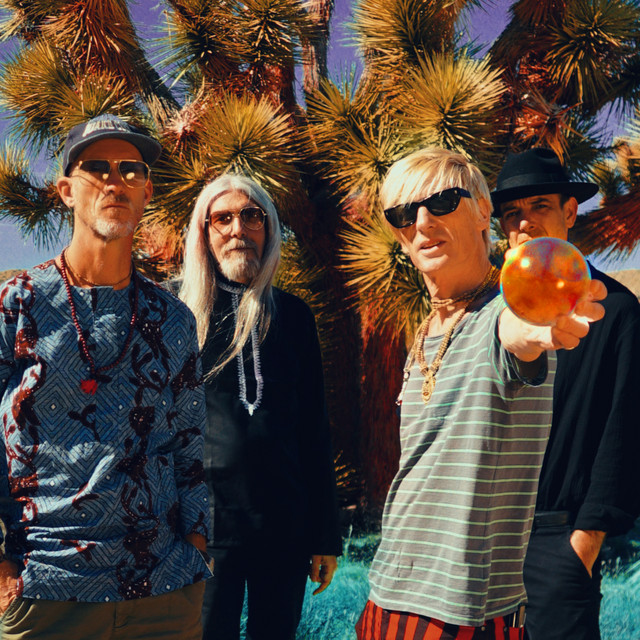
Kula Shaker
1996
·
1 album
Listen
3
/5
Genres
Northern Gothic
Northern gothic is a modern recontextualization of gothic sensibility rooted in the post‑industrial landscapes, politics, and culture of 21st‑century Northern England. It blends post‑punk austerity, industrial and dark ambient textures, hauntological memory work, and stark folk storytelling. The sound often evokes mills, moorland, sea ports, terraces, and cooling towers—spaces marked by deindustrialization—through tape patina, reverberant spaces, modular drones, and vernacular narratives. Compared with classic goth, it is less theatrical and more documentary or folkloric in tone, prioritizing regional specificity, minimalism, and social realism.
Discover
Listen
Connecticut Indie
Connecticut indie is a regional strain of U.S. indie rock that blends the heartfelt directness of emo-revival with the fuzzy guitars, DIY ethics, and adventurous textures of New England’s underground. Rooted in college-town and small-city scenes (Middletown, New Haven, Willimantic, Hartford), the sound swings between twinkly, lyrically confessional indie and louder, shoegaze- or noise-tinged guitar rock. You’ll hear gang-vocal catharsis, transparent production that favors live-room energy, and occasional orchestral or synth flourishes that reflect the area’s art-school and experimental leanings. While it is geographically defined, the micro-scene’s bands networked nationally through house shows, small labels, and online communities, making Connecticut indie both locally grounded and widely connected.
Discover
Listen
Britpop
Britpop is a UK-centered movement of the early-to-mid 1990s that revived classic British guitar-pop values—memorable hooks, concise songcraft, and everyday storytelling—while positioning itself as a confident alternative to American grunge. It celebrated Britishness in sound and subject matter, drawing heavily on 1960s and 1970s British pop and rock traditions. Stylistically, britpop tends to feature jangly or crunchy electric guitars, sing-along choruses, and tuneful melodies over straightforward rhythms. Lyrics often focus on ordinary life, class, romance, and wry social observation, typically delivered in unvarnished British accents. The production is generally clean and punchy, favoring clarity over heavy effects and emphasizing immediacy and radio-friendliness.
Discover
Listen
Madchester
Madchester is a late-1980s Manchester music scene and sound that fused jangly indie/alternative rock with acid house, funk, and psychedelic influences. It emphasized danceable grooves, repetitive basslines, baggy drum feels, and anthemic, chant-like choruses. More than a sonic palette, Madchester was a cultural moment centered around Factory Records, the Haçienda nightclub, and a hedonistic rave-meets-guitar-pop aesthetic. Its artists bridged club culture and indie rock, popularizing house-derived rhythms and ecstatic, communal live energy within a band format.
Discover
Listen
Neo-Psychedelia
Neo-psychedelia is a late-20th-century revival and reinvention of 1960s psychedelic music aesthetics, filtered through post-punk, indie, and experimental sensibilities. It emphasizes hypnotic textures, droning guitars, heavy use of effects (reverb, delay, phasing), analogue organs/synths, and dreamlike or surreal lyricism. Rhythms may draw from motorik and other steady, trance-inducing grooves, while harmony often favors modal colors and repetitive vamps. The style ranges from jangly, melodic songs to dense, feedback-laden soundscapes, and has been highly influential on dream pop, shoegaze, Britpop-adjacent scenes, and modern psych rock.
Discover
Listen
Folk Rock
Folk rock is a fusion genre that blends the narrative lyricism, modal melodies, and acoustic timbres of traditional folk with the backbeat, amplification, and song structures of rock. It typically pairs acoustic or traditional instruments (acoustic guitar, mandolin, fiddle) with a rock rhythm section (electric guitar, bass, drums), often featuring chiming 12‑string guitar textures, close vocal harmonies, and socially conscious or storytelling lyrics. The result ranges from intimate, reflective ballads with a steady backbeat to more anthemic, roots‑driven rock. Emerging in the mid‑1960s through artists such as Bob Dylan and The Byrds, folk rock became a gateway for traditional and roots materials to enter mainstream popular music, and it seeded later movements from country rock and Americana to jangle pop and modern indie folk.
Discover
Listen
Psychedelic Rock
Psychedelic rock is a style of rock music that seeks to evoke, simulate, and expand altered states of consciousness through sound. It typically features timbral experimentation (fuzz, wah, tape delay, phasing), drones, modal or raga-influenced harmony, extended improvisation, studio-as-instrument production, and surreal, mystical, or mind-expanding lyrics. Emerging from mid-1960s counterculture, it fused garage-band energy with folk, blues, and non-Western musical ideas—especially Indian classical ragas—while embracing new studio technologies and concert light shows. Both a live and a studio art, psychedelic rock ranges from jangly, kaleidoscopic pop to heavy, hypnotic jams and cosmic soundscapes.
Discover
Listen
Raga Rock
Raga rock is a 1960s-born fusion of Western rock and Indian classical concepts, characterized by sustained drones, modal (non-chordal) harmony, sitar- or sitar-like guitar timbres, and cyclical rhythmic patterns. The style seeks a hypnotic, transcendental feel by borrowing the raga’s emphasis on a single tonal center and ornamental melodic movement rather than functional chord progressions. Signature features include tambura (tanpura) or tambura-like drones, sitar or sitar-emulating electric guitar lines with bends and slides (meend), tabla-inspired grooves alongside a rock backbeat, and psychedelic studio techniques such as tape loops, reverse guitar, and phasing. Lyrically, songs often reference mysticism, meditation, and inner travel, aligning with 1960s countercultural and psychedelic sensibilities.
Discover
Listen
Rock
Rock is a broad family of popular music centered on amplified instruments, a strong backbeat, and song forms that foreground riffs, choruses, and anthemic hooks. Emerging from mid‑20th‑century American styles like rhythm & blues, country, and gospel-inflected rock and roll, rock quickly expanded in scope—absorbing folk, blues, and psychedelic ideas—while shaping global youth culture. Core sonic markers include electric guitar (often overdriven), electric bass, drum kit emphasizing beats 2 and 4, and emotive lead vocals. Rock songs commonly use verse–chorus structures, blues-derived harmony, and memorable melodic motifs, ranging from intimate ballads to high‑energy, stadium‑sized performances.
Discover
Listen
Show all 9 genres
Albums
1996
1
/5
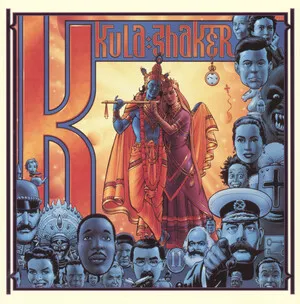
K
Kula Shaker
Britpop
Folk Rock
Rock
Similar artists
3
/5
Doves
Indie Rock
Madchester
Post-Britpop
3
/5
The Coral
Britpop
Chill Pop
Northern Gothic
5
/5
Oasis
Britpop
Madchester
Rock
4
/5
Blur
Britpop
Alternative Rock
Rock
4
/5
The Stone Roses
Madchester
Britpop
Alternative Rock
4
/5
Noel Gallagher's High Flying Birds
Britpop
Madchester
Alternative Rock
3
/5
Liam Gallagher
Acoustic Rock
Britpop
Madchester
3
/5
Suede
Britpop
Glam Rock
Alternative Rock
3
/5
Ocean Colour Scene
Mod Revival
Britpop
Rock
3
/5
The Farm
Britpop
Madchester
Rock
Download our mobile app
Get the Melodigging app and start digging for new genres on the go
Download on the App Store
Get it on Google Play
© 2026 Melodigging
Give feedback
Legal
Melodding was created as a tribute to
Every Noise at Once
, which inspired us to help curious minds keep digging into music's ever-evolving genres.