Genres
Artists
Albums
Make Music
Sign in
Sign in
Artists
Experimental
Artists
Experimental
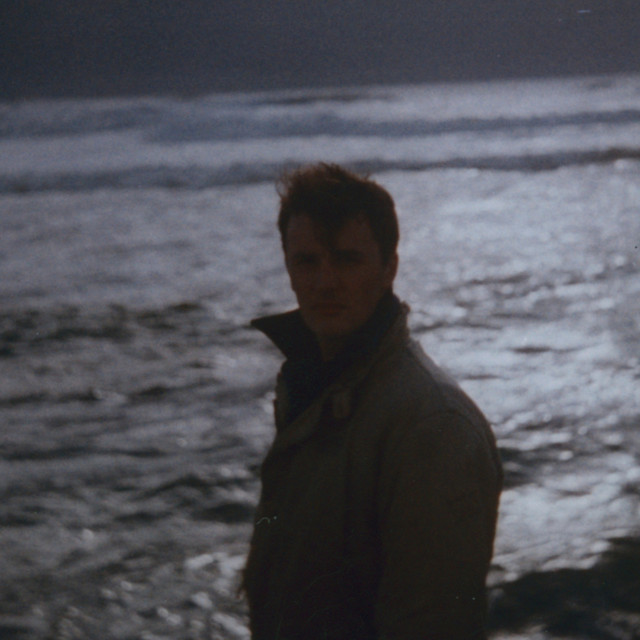
Księżyc
2020
·
1 album
Listen
1
/5
Genres
Wyrd Folk
Wyrd folk is a contemporary, experimental strain of folk that blends traditional balladry and acoustic instrumentation with psychedelia, ritualistic drones, and a subtly uncanny, pastoral mood. It often sounds intimate and handmade—fingerpicked guitars, harmoniums, fiddles, flutes, and dulcimers are common—yet it introduces tape hiss, room ambience, drones, and spectral harmonies to tilt the sound toward the otherworldly. The style draws on British and Celtic folk idioms, the 1960s/70s acid-folk lineage, and the early-2000s “new weird” movement. Lyrics tend to reference folklore, landscape, esoterica, and myth; forms may be circular or chant-like, encouraging a trancey, contemplative state rather than a conventional verse–chorus release. The result is music that feels both ancient and modern: rustic in timbre, but unafraid of collage, ambience, and experimental arrangement.
Discover
Listen
Free Folk
Free folk is an experimental strain of folk music that blends the acoustic timbres and modal melodies of traditional folk with the spontaneity of free improvisation, the textures of drone and noise, and an often lo‑fi, home‑recorded aesthetic. It favors collective, open‑ended forms over verse‑chorus songcraft and treats folk instruments as sources of sound exploration as much as tools for melody. Emerging from DIY and improv circles, free folk sessions often involve extended, slowly evolving pieces where banjo, fiddle, acoustic guitar, harmonium, flutes, hand percussion, and small electronics intertwine. Field recordings, room ambience, and tape hiss are typically embraced, producing an intimate, woodland or ritual atmosphere that feels both archaic and forward‑looking.
Discover
Listen
Dungeon Synth
Dungeon synth is a dark, fantasy-focused branch of ambient music that grew out of the early 1990s black metal underground. It typically uses inexpensive or vintage-sounding synthesizers to evoke medieval, folkloric, and high-fantasy worlds—dungeons, castles, forests, and forgotten realms—through simple modal melodies, drones, and processional harmonies. The style is intentionally lo‑fi and atmospheric: orchestral pads, choirs, pipe organs, harps, flutes, and bell tones are layered with tape-like hiss, room reverb, and steady pedal notes. Percussion is sparse or absent; when used, it tends toward martial snare patterns or timpani rolls rather than driving drum kits. Albums often function as worldbuilding artifacts with narrative track sequences, thematic leitmotifs, and evocative artwork.
Discover
Listen
Neo-Medieval Folk
Neo-medieval folk is a modern revivalist style that reimagines the sounds of medieval and early Renaissance Europe through contemporary folk aesthetics. It favors acoustic, historically inspired instruments (hurdy-gurdy, bagpipes, lute, harp, nyckelharpa, recorders, shawms, frame drums) and modal melodies, often sung in historical or reconstructed languages. While rooted in academic early-music practice, the genre is more atmospheric and narrative-driven than strictly scholarly. Artists blend courtly songs, dance forms (such as estampie and saltarello), drone-based textures, and ballad traditions with modern songwriting and subtle production. Depending on the act, it may lean toward dark wave and gothic timbres or toward pastoral, festival-ready folk.
Discover
Listen
Avant-Folk
Avant-folk is a strand of folk music that applies avant-garde, experimental, and modernist techniques to traditional song forms, instrumental vocabularies, and storytelling. It retains acoustic timbres and folk modalities while embracing unusual tunings, extended techniques, drones, free improvisation, tape collage, and nonstandard song structures. The result is music that sounds rooted and ancient yet exploratory and boundary-pushing, often intimate in texture but radical in form.
Discover
Listen
Psychedelic Folk
Psychedelic folk (often called acid folk or psych folk) blends the acoustic intimacy and modal harmony of traditional folk with the exploratory textures, surreal lyricism, and studio experimentation of psychedelic music. It typically favors acoustic guitars, hand percussion, flutes, drones (e.g., tambura or harmonium), and small acoustic instruments, while embracing effects such as reverb, delay, tape manipulation, field recordings, and unconventional song structures. Lyrics tend toward the pastoral, mystical, and dreamlike—drawing on folklore, nature, and visionary or inward-looking themes. Musically, it often uses modal melodies (Dorian, Mixolydian), drones, fingerstyle guitar in open tunings, and hypnotic ostinatos, creating a hazy, otherworldly atmosphere that sits between singer‑songwriter intimacy and psychedelic exploration.
Discover
Listen
Experimental
Experimental music is an umbrella term for practices that prioritize exploration, process, and discovery over adherence to established genre norms. It embraces new sound sources, nonstandard tuning systems, indeterminacy and chance operations, graphic and open-form scores, extended techniques, and technology-led sound design (tape, electronics, computers, and live processing). Rather than a single style, it is a methodology and ethos: testing hypotheses about sound, structure, and performance, often blurring boundaries between composition, improvisation, sound art, and performance art. Listeners can expect unfamiliar timbres, unusual forms, and an emphasis on how music is made as much as the resulting sound.
Discover
Listen
Folk
Folk is a song-centered acoustic tradition rooted in community storytelling, everyday life, and social history. It emphasizes clear melodies, simple harmonies, and lyrics that foreground narrative, protest, and personal testimony. As a modern recorded genre, folk coalesced in the early-to-mid 20th century in the United States out of older ballad, work song, and rural dance traditions. It typically features acoustic instruments (guitar, banjo, fiddle, mandolin, harmonica), strophic song forms, and participatory singing (choruses, call-and-response).
Discover
Listen
Avant-Garde
Avant-garde music is an umbrella term for boundary-pushing practices that challenge prevailing norms of harmony, rhythm, timbre, form, and performance. It privileges experimentation, conceptual rigor, and a willingness to reframe what counts as music at all. Historically tied to early 20th‑century artistic modernism, avant-garde music introduced atonality, the emancipation of noise, and new forms of notation and process. It embraces indeterminacy, extended techniques, electronics, spatialization, and multimedia performance, treating sound as material to be sculpted, questioned, and reinvented.
Discover
Listen
Show all 9 genres
Albums
2020
1
/5
Księżyc
Księżyc
Wyrd Folk
Avant-Folk
Psychedelic Folk
Similar artists
2
/5
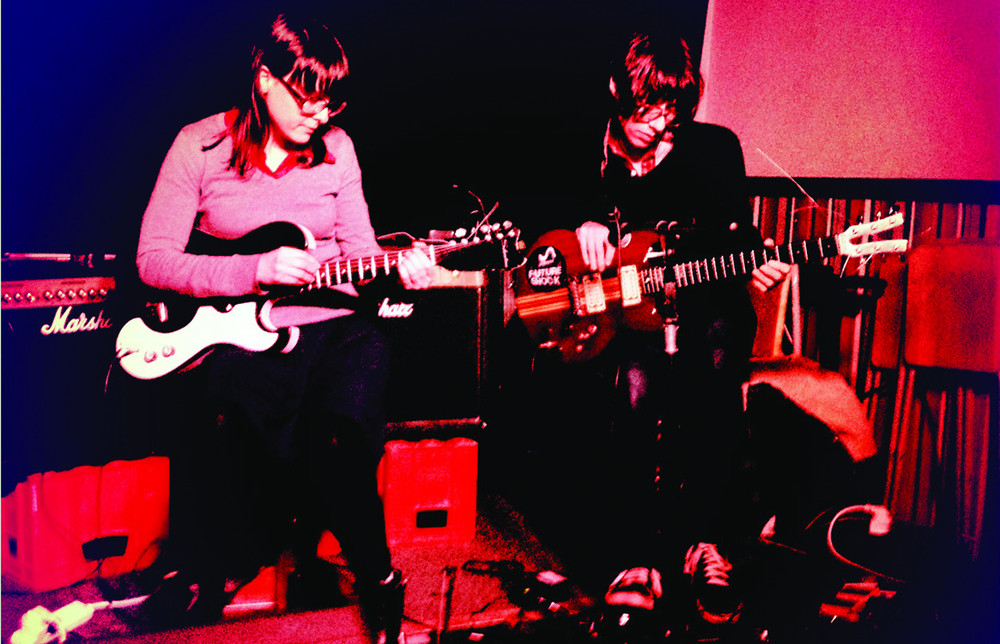
Natural Snow Buildings
Drone
Experimental
Free Folk
1
/5
Henry Flynt
Drone
Experimental
Free Folk
1
/5
Various Artists
Afro-Funk
Alternative Rock
Ambient
2
/5
Six Organs Of Admittance
Free Folk
Folk Rock
Indie Folk
3
/5
Animal Collective
Freak Folk
Neo-Psychedelia
Experimental
3
/5
The Microphones
Indie Folk
Anti-Folk
Avant-Folk
3
/5
Nico
Experimental
Art Rock
Proto-Punk
2
/5
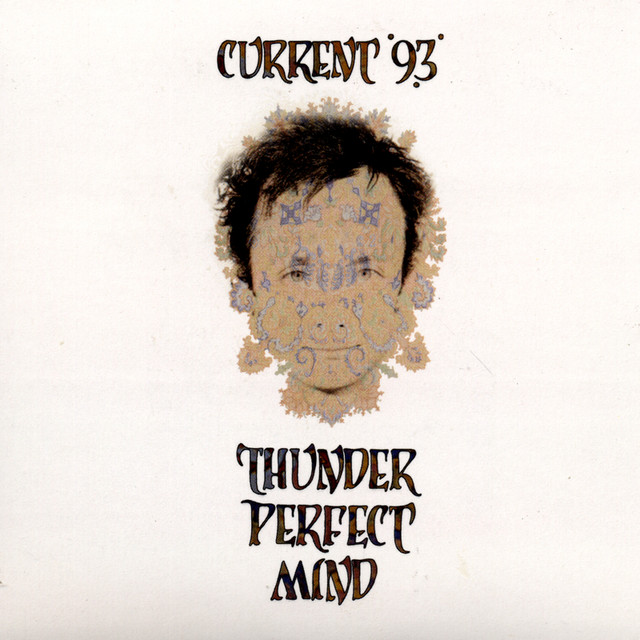
Current 93
Experimental
Neofolk
Industrial
2
/5
Sir Richard Bishop
Free Folk
Rock
Drone Folk
1
/5
Širom
Free Folk
Experimental
Folk
Download our mobile app
Get the Melodigging app and start digging for new genres on the go
Download on the App Store
Get it on Google Play
© 2026 Melodigging
Give feedback
Legal
Melodding was created as a tribute to
Every Noise at Once
, which inspired us to help curious minds keep digging into music's ever-evolving genres.