Genres
Artists
Albums
Make Music
Sign in
Sign in
Artists
Tango
Artists
Tango
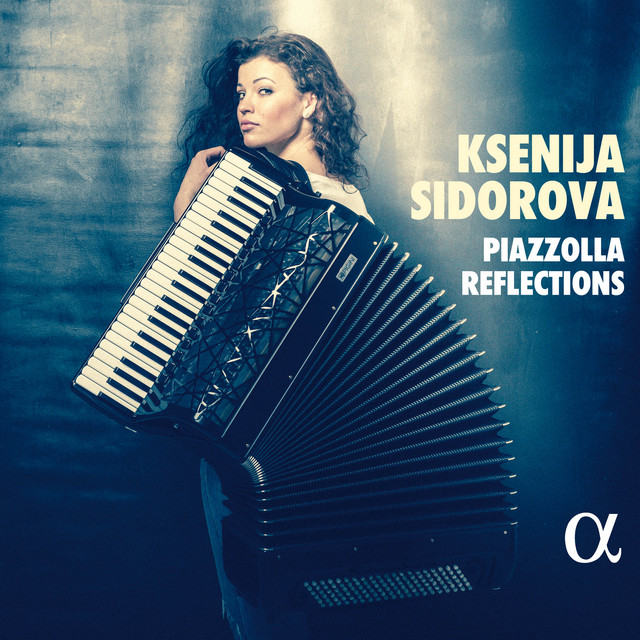
Ksenija Sidorova
2021
·
1 album
Listen
2
/5
Genres
Classical Accordion
Classical accordion is the use of the concert accordion (often a free-bass “convertor” accordion or Russian bayan) as a fully fledged classical instrument in solo, chamber, and concerto settings. Unlike folk, pop, or musette traditions, the classical accordion employs a free-bass left hand capable of single-note lines and full polyphony, allowing true four-part counterpoint and organ- or keyboard-like textures. The instrument’s bellows enable uniquely elastic phrasing and long, organ-like sustains, while registrational changes supply a palette ranging from reedy delicacy to orchestral weight. The repertoire spans baroque and romantic transcriptions, 20th‑century modernism, and a rich body of late‑20th and 21st‑century works written specifically for the instrument, frequently exploring extended techniques (bellows shakes, air-button noises, key/percussion effects) and, in contemporary settings, electronics.
Discover
Listen
Tango
Tango is a song-and-dance music from the Río de la Plata region, crystallizing in Buenos Aires (Argentina) and Montevideo (Uruguay) in the late 19th century. It is characterized by a melancholic, dramatic tone; richly expressive melodies; and a distinctive rhythmic feel rooted in the habanera and milonga. Core ensembles feature bandoneón, violin(s), piano, double bass, and sometimes guitar, forming the famed orquesta típica. Across the 1920s–1950s it became a worldwide craze, moving from rough immigrant bars to grand salons and radio, developing highly sophisticated arranging and performance practices. Lyrics often employ lunfardo (Buenos Aires slang) and dwell on urban nostalgia, love, betrayal, and the neighborhood (el barrio). Note on terminology: in flamenco, “tangos” is a distinct palo (song form) with a lively 4/4 compás, often in A Phrygian, closely related in feeling to rumba flamenca. Although it shares the name and a spirited character, flamenco tangos is a different tradition from the Río de la Plata tango described above.
Discover
Listen
Classical
Classical music is the notated art-music tradition of Europe and its global descendants, characterized by durable forms, carefully codified harmony and counterpoint, and a literate score-based practice. The term “classical” can refer broadly to the entire Western art-music lineage from the Medieval era to today, not just the Classical period (c. 1750s–1820s). It privileges long-form structures (such as symphonies, sonatas, concertos, masses, and operas), functional or modal harmony, thematic development, and timbral nuance across ensembles ranging from solo instruments to full orchestras and choirs. Across centuries, the style evolved from chant and modal polyphony to tonal harmony, and later to post-tonal idioms, while maintaining a shared emphasis on written notation, performance practice, and craft.
Discover
Listen
Albums
2021
Piazzolla Reflections
Ksenija Sidorova
Classical Accordion
Similar artists
2
/5
Martynas
Classical Crossover
Tango
Classical Accordion
3
/5
Claudio Constantini
Tango
Classical
Ambient Lo-Fi
3
/5
Astor Piazzolla
Nuevo Tango
Tango
Rioplatense Music
3
/5
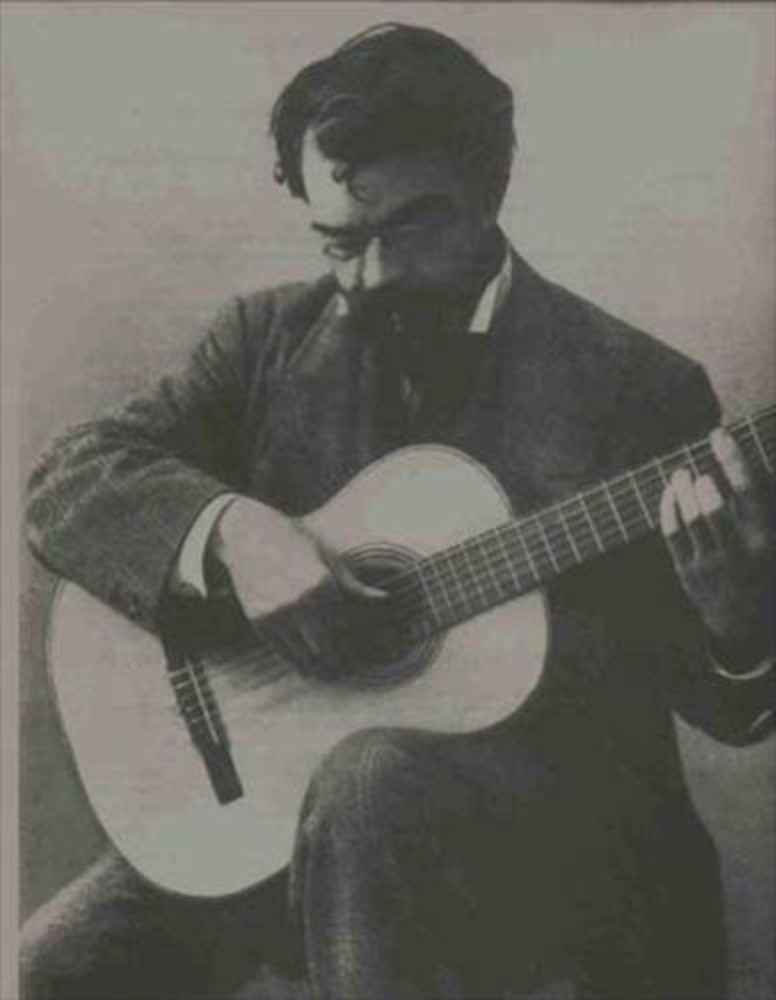
Francisco Tárrega
Spanish Classical Music
Tango
Classical
3
/5
Pittsburgh Symphony Orchestra
Classical
Orchestral
Tango
3
/5
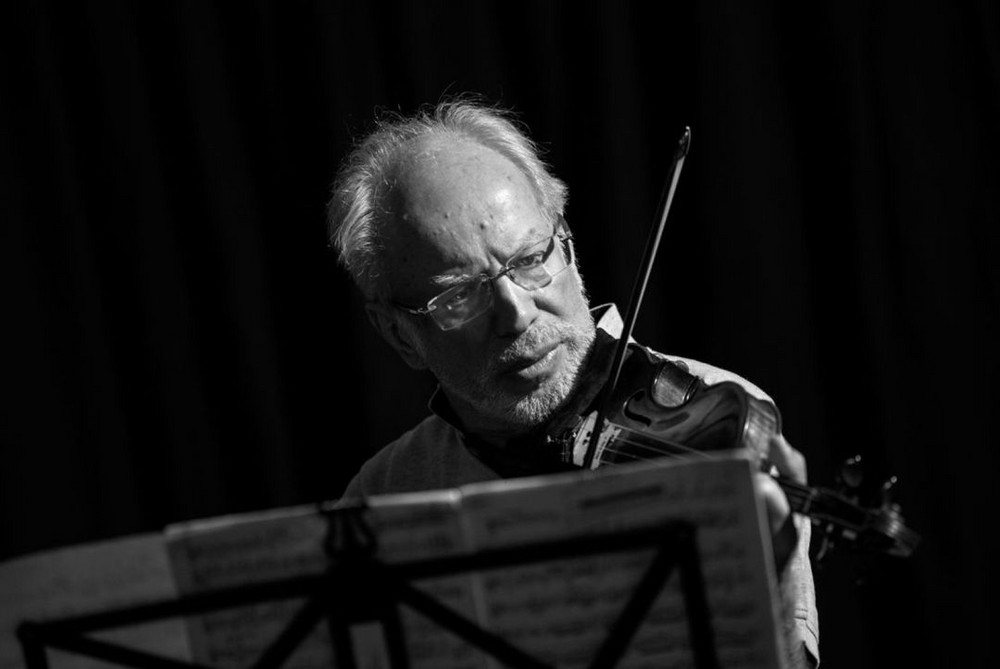
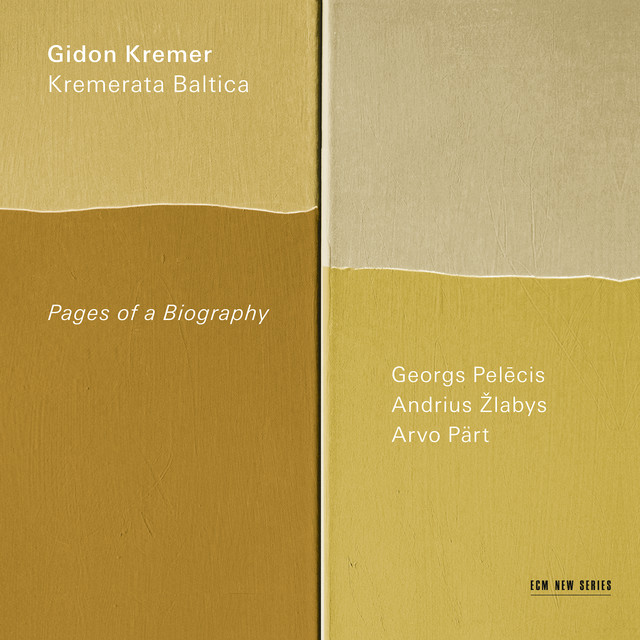
Gidon Kremer
Chamber Music
Classical
Concerto
3
/5
Ariel Ramírez
Latin American Classical Music
Argentine Music
Folclor Andino
2
/5
Orchestre Du Capitole De Toulouse
Classical
Opera
Tango
2
/5
Kremerata Baltica
Chamber Music
Classical
Contemporary Classical
2
/5
Alexei Grynyuk
Classical
Tango
Download our mobile app
Get the Melodigging app and start digging for new genres on the go
Download on the App Store
Get it on Google Play
© 2026 Melodigging
Give feedback
Legal
Melodding was created as a tribute to
Every Noise at Once
, which inspired us to help curious minds keep digging into music's ever-evolving genres.