Genres
Artists
Albums
Make Music
Sign in
Sign in
Artists
Progressive Rock
Artists
Progressive Rock
Koenjihyakkei
2009
·
1 album
Listen
1
/5
Genres
Brutal Prog
Brutal prog (short for "brutal progressive") is a hyper-aggressive, tightly wound offshoot of progressive rock that fuses the complexity of prog with the abrasion of no wave, the intensity of grindcore, and the freedom of avant-jazz. Its hallmarks include relentless rhythmic churn, sudden metric lurches, whiplash stop–start arrangements, and dense, through-composed structures that minimize repetition. Harmony tends toward dissonance and chromatic clusters, while melodies often appear as angular, high-velocity unisons and hocketed lines between guitar, bass, and drums (and at times saxophone or keys). Vocals, if present at all, are sparse and used for color rather than hooks. The overall effect is maximalist, precise, and confrontational: music that feels meticulously engineered yet volatile, demanding virtuosic control and ensemble cohesion.
Discover
Listen
Math Rock
Math rock is a subgenre of indie and experimental rock defined by complex, irregular rhythms, sudden dynamic shifts, and angular, interlocking guitar lines. It frequently employs odd and mixed meters (such as 5/4, 7/8, 11/8), polyrhythms, start–stop figures, and intricate syncopation. Guitars often favor clean or lightly overdriven tones, tapping, and harmonically adventurous voicings over traditional power-chord riffing. Vocals, if present, are usually sparse, textural, or rhythmically coordinated with the ensemble rather than the primary focal point. Aesthetically, math rock draws from the precision and structural ambition of progressive rock, the urgency of post-hardcore, and the textural curiosity of indie and noise rock, resulting in music that feels both cerebral and visceral.
Discover
Listen
Zeuhl
Zeuhl is a bass‑driven, choir‑inflected strain of progressive rock coined by Christian Vander of Magma; the word is Kobaïan for “celestial.” It marries jazz‑rock and modernist classical impulses with ritualistic choral writing, repetitive ostinati, and militaristic drum patterns, yielding music that feels simultaneously cosmic, ominous, and liturgical. Typical traits include pounding, modal bass riffs; tightly locked, polyrhythmic drums; massed vocals in block chords or antiphony (often in invented languages); and long, through‑composed suites with recurring leitmotifs. The harmony favors minor, modal, and quartal sonorities and dramatic choral/Orff‑like climaxes, while the textures range from spare ostinatos to densely orchestrated, quasi‑operatic sections.
Discover
Listen
Progressive Rock
Progressive rock is a rock subgenre that expands the genre’s formal, harmonic, and conceptual boundaries. It favors long-form compositions, intricate arrangements, and virtuosic musicianship, often drawing on Western classical, jazz, folk, and psychedelic idioms. Typical hallmarks include multi-part suites, shifting time signatures, extended instrumental passages, recurring motifs, and concept albums that present unified themes or narratives. The sound palette commonly features electric guitar, bass, and drums alongside an array of keyboards (Hammond organ, Mellotron, Moog/ARP synthesizers, piano), woodwinds or brass, and occasional orchestral additions. Lyrics often explore science fiction, mythology, philosophy, social commentary, and introspective themes.
Discover
Listen
Art Rock
Art rock is a branch of rock music that treats the studio and the album as spaces for artistic experimentation, emphasizing conceptual ideas, ambitious arrangements, and cross-pollination with modernist and avant-garde traditions. It typically favors extended song forms, thematic or conceptual unity, and non-standard instrumentation (strings, woodwinds, synthesizers) alongside rock’s core band setup. Lyrically, it leans toward literary, surreal, or philosophical subjects and often adopts theatrical presentation. Where mainstream rock centers on immediacy and hooks, art rock embraces risk: unusual time signatures, timbral exploration, complex harmony, tape and electronic manipulation, and interludes that draw from classical, jazz, minimalism, and experimental music.
Discover
Listen
Krautrock
Krautrock is an experimental form of rock that emerged in late-1960s West Germany, characterized by hypnotic repetition, long-form structures, and a forward-looking embrace of electronics and studio experimentation. It typically features a steady, driving 4/4 “motorik” beat, circular bass ostinatos, sparse harmonic movement, and textural layering that draws from minimalism, free improvisation, and avant-garde composition. Rather than virtuosic solos, the emphasis is on collective groove, trance-inducing momentum, and timbral exploration. The sound ranges from raw, percussive jams to spacious, cosmic electronics, often eschewing conventional Anglo-American blues forms in favor of a distinctly European modernist aesthetic.
Discover
Listen
Experimental
Experimental music is an umbrella term for practices that prioritize exploration, process, and discovery over adherence to established genre norms. It embraces new sound sources, nonstandard tuning systems, indeterminacy and chance operations, graphic and open-form scores, extended techniques, and technology-led sound design (tape, electronics, computers, and live processing). Rather than a single style, it is a methodology and ethos: testing hypotheses about sound, structure, and performance, often blurring boundaries between composition, improvisation, sound art, and performance art. Listeners can expect unfamiliar timbres, unusual forms, and an emphasis on how music is made as much as the resulting sound.
Discover
Listen
Rock
Rock is a broad family of popular music centered on amplified instruments, a strong backbeat, and song forms that foreground riffs, choruses, and anthemic hooks. Emerging from mid‑20th‑century American styles like rhythm & blues, country, and gospel-inflected rock and roll, rock quickly expanded in scope—absorbing folk, blues, and psychedelic ideas—while shaping global youth culture. Core sonic markers include electric guitar (often overdriven), electric bass, drum kit emphasizing beats 2 and 4, and emotive lead vocals. Rock songs commonly use verse–chorus structures, blues-derived harmony, and memorable melodic motifs, ranging from intimate ballads to high‑energy, stadium‑sized performances.
Discover
Listen
Avant-Garde
Avant-garde music is an umbrella term for boundary-pushing practices that challenge prevailing norms of harmony, rhythm, timbre, form, and performance. It privileges experimentation, conceptual rigor, and a willingness to reframe what counts as music at all. Historically tied to early 20th‑century artistic modernism, avant-garde music introduced atonality, the emancipation of noise, and new forms of notation and process. It embraces indeterminacy, extended techniques, electronics, spatialization, and multimedia performance, treating sound as material to be sculpted, questioned, and reinvented.
Discover
Listen
Show all 9 genres
Albums
2009
1
/5
Nivraym
Koenji Hyakkei 高円寺百景
Brutal Prog
Zeuhl
Experimental
Similar artists
2
/5
Gong
Canterbury Scene
Space Rock
Progressive Rock
2
/5
Magma
Progressive Rock
Avant-Prog
Rock
2
/5
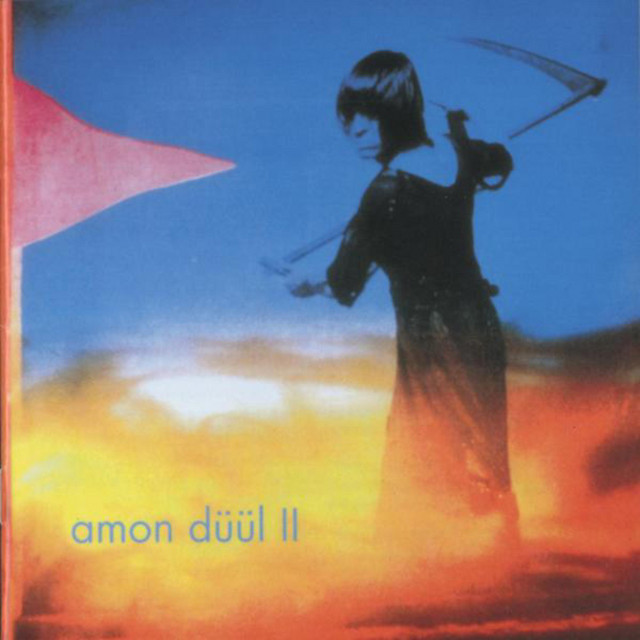
Amon Düül II
Krautrock
Progressive Rock
Rock
1
/5
Samla Mammas Manna
Rock In Opposition
Avant-Prog
Jazz
1
/5
Univers Zero
Rock In Opposition
Zeuhl
Avant-Prog
2
/5
Cardiacs
Progressive Rock
Art Rock
Zolo
2
/5
Faust
Krautrock
Experimental
Art Rock
1
/5
Aksak Maboul
Rock In Opposition
Avant-Prog
Experimental
1
/5
Art Bears
Rock In Opposition
Art Rock
Avant-Garde
1
/5
Cheer-Accident
Rock In Opposition
Art Rock
Avant-Garde
Download our mobile app
Get the Melodigging app and start digging for new genres on the go
Download on the App Store
Get it on Google Play
© 2026 Melodigging
Give feedback
Legal
Melodding was created as a tribute to
Every Noise at Once
, which inspired us to help curious minds keep digging into music's ever-evolving genres.