Genres
Artists
Albums
Make Music
Sign in
Sign in
Artists
Deathgrind
Artists
Deathgrind
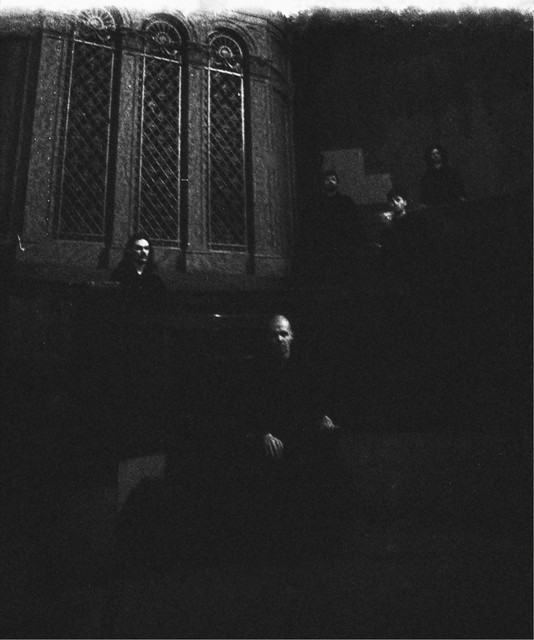
Knoll
2022–2024
·
3 albums
Listen
2
/5
Genres
Mathcore
Mathcore is an extreme offshoot of metalcore and hardcore punk characterized by rapid-fire shifts in meter, tempo, and texture. It emphasizes dissonant, angular riffing; complex, polymetric drum patterns; and whirlwind song structures that often feel deliberately chaotic. The genre fuses the precision and rhythmic gamesmanship of math rock with the aggression of hardcore and the density of extreme metal. Songs routinely feature sudden stops, blast beats, start–stop riffing, odd time signatures, and atonal or chromatic harmonies, producing a sound that is tense, volatile, and cathartic.
Discover
Listen
Deathgrind
Deathgrind is a fusion of death metal and grindcore that combines the former’s low‑tuned, heavy riffing and guttural vocals with the latter’s ultra‑fast tempos, blast‑beat drumming, and short, abrupt song structures. Typical tracks run one to three minutes, feature rapid chromatic tremolo picking, sudden tempo shifts, and a relentless rhythmic attack. Vocals alternate between deep death‑metal growls and high‑pitched screams, while lyrics range from socio‑political critique to graphic, gore‑themed narratives depending on the band. Production tends to be tight and cutting, often with triggered kicks, aggressive guitar tones, and clear articulation so that riffs remain intelligible at extreme speed.
Discover
Listen
Death Metal
Death metal is an extreme subgenre of heavy metal defined by heavily distorted, low‑tuned guitars, rapid and complex riffing, blast beat drumming, and harsh guttural vocals. Its harmonic language favors chromaticism, dissonance, and tremolo-picked lines that create an ominous, abrasive atmosphere. Lyrically, death metal often explores dark or transgressive themes—mortality, mythology, anti-religion, psychological horror, and the macabre—sometimes with philosophical or social commentary. Production ranges from raw and cavernous to hyper-precise and technical, reflecting the genre’s many regional scenes and substyles. From the mid‑1980s Florida scene (Tampa) and parallel developments in the US, UK, and Sweden, death metal evolved into numerous branches including brutal death metal, technical death metal, melodic death metal, and death‑doom, each emphasizing different aspects of speed, complexity, melody, or heaviness.
Discover
Listen
Grindcore
Grindcore is an extremely fast, abrasive fusion of hardcore punk and extreme metal characterized by blast-beat drumming, highly distorted down-tuned guitars, and a mix of guttural growls and high-pitched screams. Songs are typically very short—often under two minutes and sometimes just seconds—favoring intensity over traditional verse–chorus structures. Lyrically, grindcore spans politically charged and socially conscious themes (war, capitalism, animal rights) as well as gore and body horror (particularly in goregrind). Production ranges from raw, live-in-the-room ferocity to tight, modern clarity. The style is defined by relentless speed, dissonant or chromatic riffing, and sudden start–stop shifts that create a feeling of controlled chaos.
Discover
Listen
Powerviolence
Powerviolence is an ultrafast, confrontational offshoot of hardcore punk that emphasizes whiplash dynamics between blastbeat-speed eruptions and lurching, sludgy slowdowns. Its songs are typically very short—often under a minute—and rely on raw, abrasive guitar and bass tones, barked or screamed vocals, and sudden stop/start structures. Rooted more in punk than in metal, powerviolence differs from grindcore through its stripped-down riffing, anti-virtuosic ethos, and frequent use of hardcore and d-beat rhythms alongside shocking tempo drops into sludge-influenced breakdowns. Lyrics tend to be anti-authoritarian, socially critical, or nihilistic, and the style is strongly tied to DIY culture, lo-fi aesthetics, and an intentionally uncompromising sound.
Discover
Listen
Sludge Metal
Sludge metal is a hybrid of doom metal’s slow, downtuned weight and hardcore punk’s raw aggression. It emphasizes thick, overdriven guitar tones, throttling bass, and drums that lurch between trudging slow-motion grooves and ragged mid‑tempo blasts. Vocals are typically screamed, barked, or anguished, often buried slightly in the mix to feel abrasive and cathartic. The style took shape in the late 1980s United States—particularly the Pacific Northwest and the American South—where bands fused Sabbath‑like doom riffs with the DIY harshness of hardcore and the scabrous textures of noise rock. Lyrical themes commonly explore addiction, despair, social decay, and Southern Gothic imagery, delivered with an intentionally gritty, unvarnished production aesthetic.
Discover
Listen
Noise
Noise is an experimental music genre that uses non-traditional sound sources, distortion, feedback, and extreme dynamics as primary musical materials. Instead of emphasizing melody, harmony, or conventional rhythm, it focuses on texture, density, timbre, and the physical presence of sound. Practitioners sculpt saturated walls of sound, piercing feedback, metallic clatter, contact-mic scrapes, tape hiss, and electronic interference into works that can be confrontational or meditative. Performances often highlight process and immediacy—improvisation, body movement, and site-specific acoustics—while recordings can range from lo-fi cassette overload to meticulously layered studio constructions. Though rooted in early avant-garde ideas, the genre coalesced as a distinct practice in the late 1970s and 1980s, especially through Japan’s ‘Japanoise’ scene, and subsequently influenced numerous styles across industrial, punk-adjacent, and experimental electronic music.
Discover
Listen
Metal
Metal (often used to mean heavy metal in its broad, umbrella sense) is a loud, guitar-driven style of rock defined by high-gain distortion, emphatic and often martial rhythms, and a dense, powerful low end. It foregrounds riff-based songwriting, dramatic dynamics, virtuosic guitar solos, and commanding vocals that range from melodic wails to aggressive snarls and growls. Harmonically, metal favors minor modes, modal color (Aeolian, Phrygian), chromaticism, and tritone-inflected tension, while thematically it explores power, mythology, the occult, social critique, fantasy, and existential subjects. While adjacent to hard rock, metal typically pushes amplification, distortion, precision, and thematic intensity further, forming a foundation for many specialized subgenres.
Discover
Listen
Show all 8 genres
Albums
2024
2
/5
As Spoken
Knoll
Powerviolence
2023
1
/5
Unto Viewing
Knoll
Powerviolence
2022
2
/5
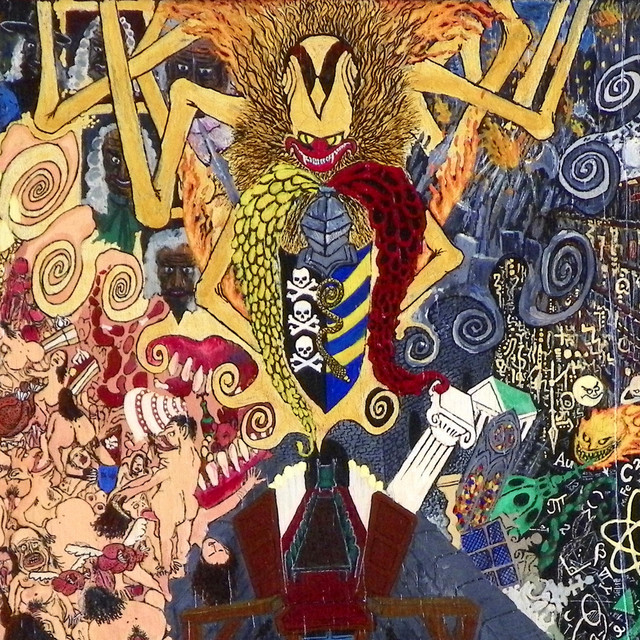
Metempiric
Knoll
Deathgrind
Metal
Noise
Similar artists
2
/5
Wormrot
Grindcore
Deathgrind
Death Metal
3
/5
Pig Destroyer
American Grindcore
Grindcore
Rock
2
/5
The Red Chord
Technical Deathcore
Deathcore
Grindcore
2
/5
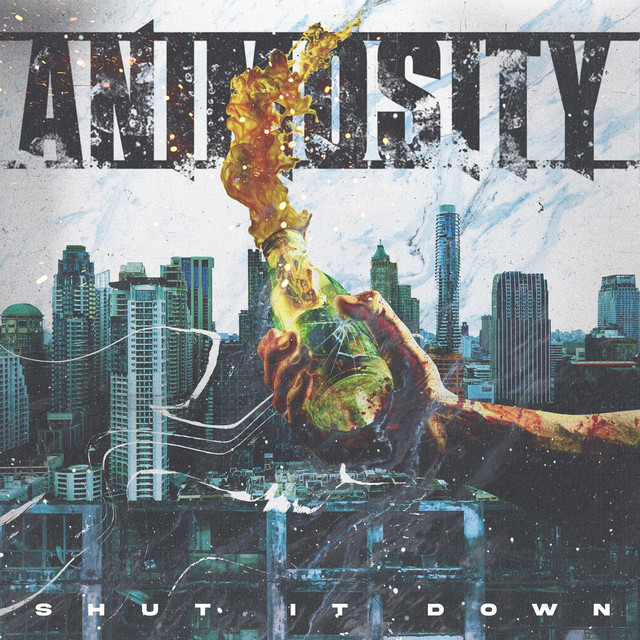
Animosity
Deathcore
Death Metal
Grindcore
1
/5
!T.O.O.H.!
Grindcore
Avant-Garde
Death Metal
3
/5
Dying Fetus
Brutal Death Metal
Deathgrind
Death Metal
3
/5
Morbid Angel
Florida Death Metal
Death Metal
Metal
3
/5
Bolt Thrower
Death Metal
Deathgrind
Brutal Death Metal
3
/5
Napalm Death
Grindcore
Deathgrind
Death Metal
3
/5
Mortician
Death Metal
Goregrind
Deathgrind
Download our mobile app
Get the Melodigging app and start digging for new genres on the go
Download on the App Store
Get it on Google Play
© 2026 Melodigging
Give feedback
Legal
Melodding was created as a tribute to
Every Noise at Once
, which inspired us to help curious minds keep digging into music's ever-evolving genres.