Genres
Artists
Albums
Make Music
Sign in
Sign in
Artists
Chamber Music
Artists
Chamber Music
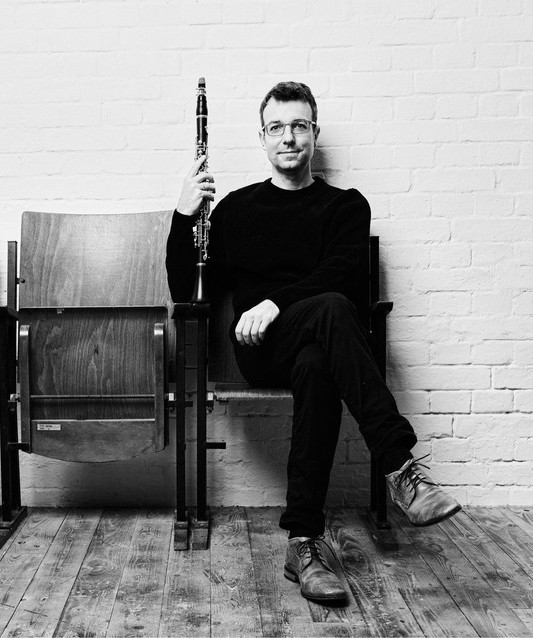
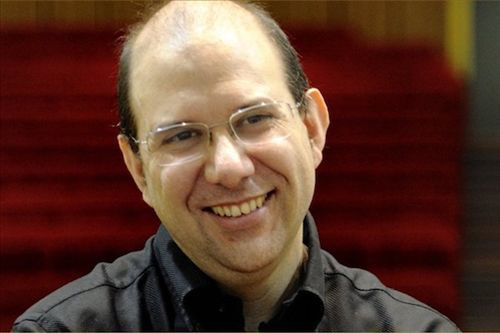
Kilian Herold
2024
·
1 album
Listen
1
/5
Genres
Contemporary Classical
Contemporary classical is the broad field of Western art music created after World War II. It embraces an array of aesthetics—from serialism and indeterminacy to minimalism, spectralism, electroacoustic practices, and post‑tonal lyricism—while retaining a concern for notated composition and timbral innovation. Unlike the unified styles of earlier eras, contemporary classical is pluralistic. Composers freely mix acoustic and electronic sound, expand instrumental techniques, adopt non‑Western tuning and rhythm, and explore new forms, from process-based structures to open and graphic scores. The result is a music that can be rigorously complex or radically simple, technologically experimental or intimately acoustic, yet consistently focused on extending how musical time, timbre, and form can be shaped.
Discover
Listen
Expressionism
Expressionism in music is an early-20th-century modernist movement that foregrounds inner psychological states, anxiety, and alienation through highly charged sonic language. It abandons traditional tonal centers in favor of atonality or extreme chromaticism, embraces dissonance without immediate resolution, and often fragments melody into sharp, angular gestures. Textures favor clarity and intensity: chamber forces, extreme registers, abrupt contrasts of dynamics and timbre, and sparse, aphoristic forms are common. Composers experiment with Sprechstimme (speech-like vocalization), Klangfarbenmelodie (melody distributed across changing timbres), and rapidly shifting meters to intensify expression. Vocal works (monodramas, song cycles) and concise instrumental miniatures became emblematic vehicles for psychological drama.
Discover
Listen
Austro-German Modernism
Austro-German modernism is a current in early 20th‑century classical music centered in Vienna, Berlin, and other cultural hubs of the German‑speaking world. It is marked by the break with late‑Romantic tonality through chromatic saturation, atonality, and ultimately systematic twelve‑tone/serial procedures; a heightened, often expressionist intensity of gesture; concentrated motivic work; and refined attention to timbre (including Klangfarbenmelodie). While many composers retained or reimagined traditional forms, their harmonic language, rhythm, and orchestration pursued a radical new expressivity. Beyond its signature pitch techniques, the movement embraced new vocal practices (such as Sprechstimme), chamber ensembles of novel makeup, and an aesthetics that oscillated between ecstatic subjectivity and ascetic concentration. Its innovations set the groundwork for much of 20th‑ and 21st‑century concert music.
Discover
Listen
Classical Clarinet
Classical clarinet refers to the body of Western classical music written for the clarinet family (notably the B♭ and A clarinets, as well as E♭, basset, and bass clarinets) from the 18th century to the present. It encompasses concertos, sonatas, chamber music (e.g., clarinet–piano, clarinet quintets, woodwind quintets), orchestral solos, and modern works that explore extended techniques. Stylistically it is marked by cantabile melodic writing, agile passagework, vivid dynamic contrasts, and expressive use of the instrument’s distinct registers (chalumeau, clarion, and altissimo). Tone production and articulation emphasize clarity, legato flexibility, and nuanced control; vibrato, if used, is typically subtle and style-dependent. Canonical repertoire spans the Classical era through Romanticism and into the 20th/21st centuries, creating a continuous tradition of performance and pedagogy that shapes how clarinetists learn phrasing, color, and technique across solo, chamber, and orchestral contexts.
Discover
Listen
Chamber Music
Chamber music is a tradition of composed music for small ensembles—typically one player per part—intended for intimate spaces such as courts, salons, and private rooms rather than large public halls. Its aesthetic emphasizes clarity of texture, conversational interplay among parts, and balance without a conductor. Hallmark formations include the string quartet, piano trio, wind quintet, string quintet, and various mixed ensembles. Multi‑movement cycles (often in sonata form) and finely wrought counterpoint are common, ranging from Baroque trio sonatas to Classical string quartets and modern works with expanded timbres and techniques. Because of its scale and transparency, chamber music has long been a proving ground for compositional craft and ensemble musicianship, shaping the core of Western art music from the Baroque through the present.
Discover
Listen
Early Modern Classical
Early modern classical is Western art music from the early modern era, spanning roughly the 1500s through the mid-1700s. It includes late Renaissance polyphony and the major stylistic changes of the Baroque period, such as the rise of tonal harmony, basso continuo, virtuosic instrumental writing, and dramatic vocal genres. Typical sound worlds range from intricate a cappella choral counterpoint to richly ornamented solo/ensemble music with harpsichord and continuo bass, and from courtly dance suites to large-scale sacred works and early opera.
Discover
Listen
Albums
2024
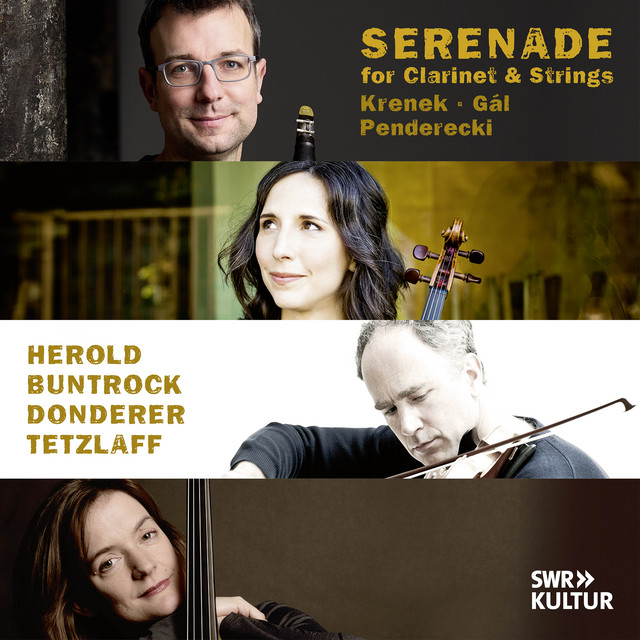
Serenade - Works for Clarinet and Strings by Krenek, Gál and Penderecki
Kilian Herold, Ernst Krenek, Florian Donderer, Hans Gál, Barbara Buntrock, Krzy…
Austro-German Modernism
Early Modern Classical
Classical Clarinet
Similar artists
4
/5
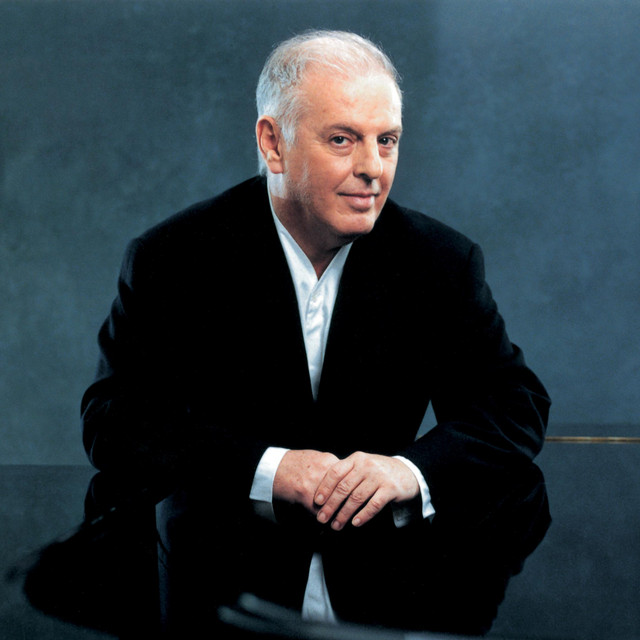
Daniel Barenboim
Impressionism
Classical
Chamber Music
3
/5
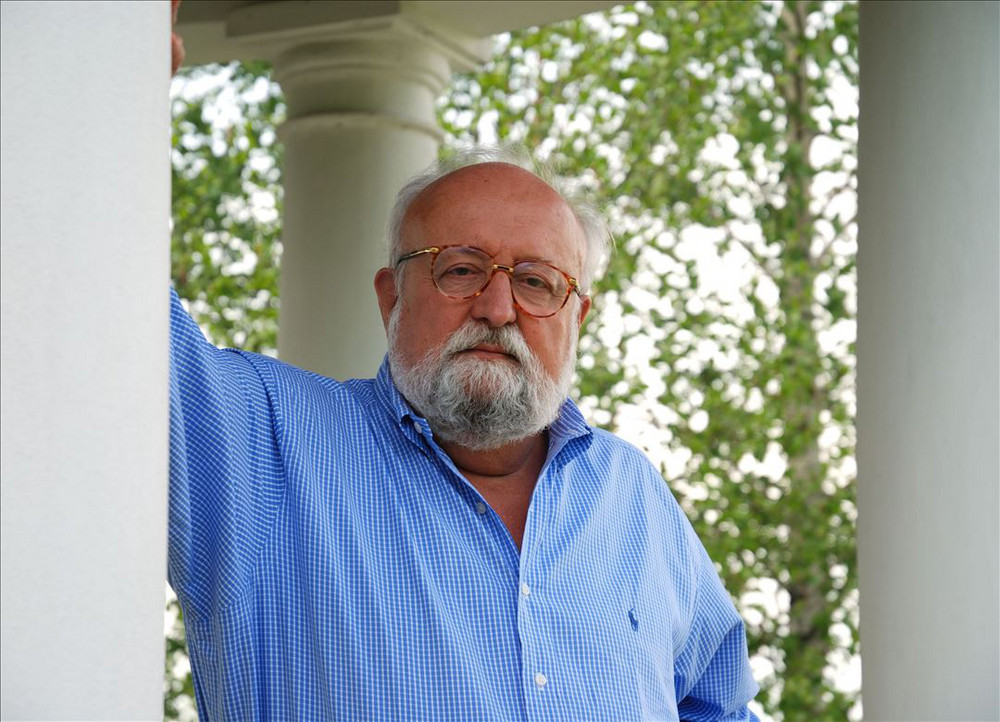
Krzysztof Penderecki
Sonorism
Classical
Requiem
3
/5
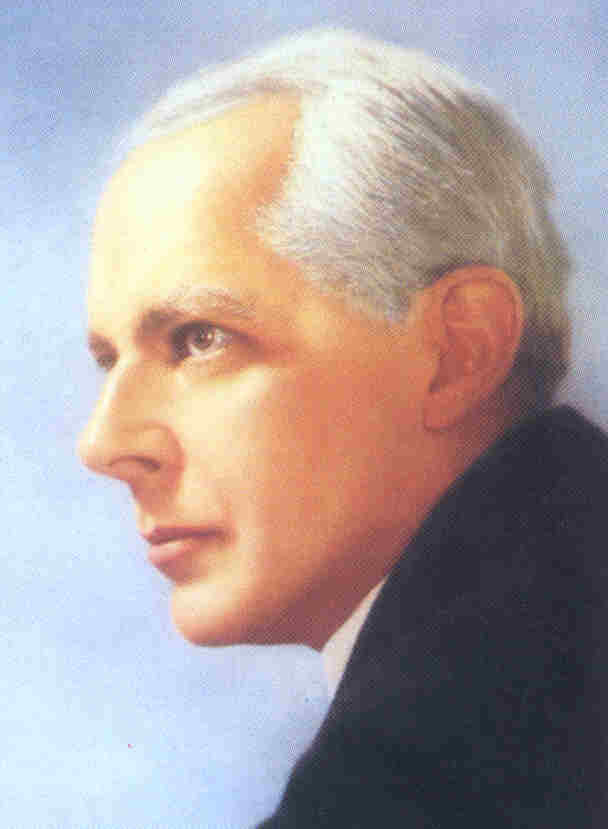
Béla Bartók
Classical
Concerto
Concerto For Orchestra
2
/5
Konstantia Gourzi
Chamber Music
Contemporary Classical
Expressionism
2
/5
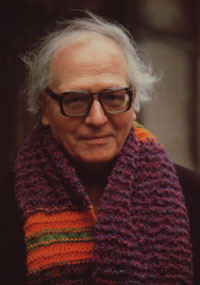
Olivier Messiaen
Classical
Mélodie
Modern Classical
2
/5
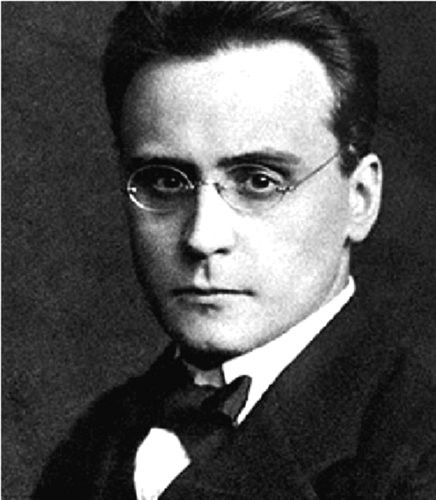
Anton Webern
Serialism
Chamber Music
Second Viennese School
2
/5
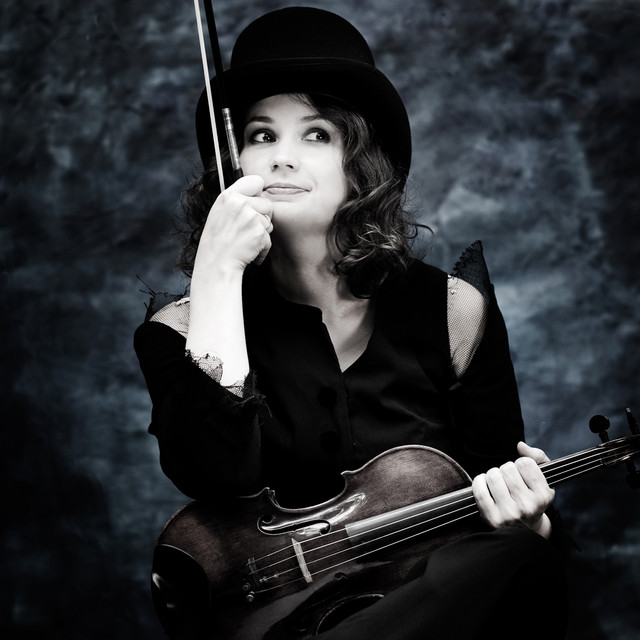
Patricia Kopatchinskaja
Chamber Music
Concerto
Contemporary Classical
2
/5
Juilliard String Quartet
Chamber Music
String Quartet
Classical
1
/5
Quatuor Diotima
Avant-Garde
Chamber Music
Contemporary Classical
1
/5
Aldo Orvieto
Chamber Music
Contemporary Classical
Expressionism
Download our mobile app
Get the Melodigging app and start digging for new genres on the go
Download on the App Store
Get it on Google Play
© 2026 Melodigging
Give feedback
Legal
Melodding was created as a tribute to
Every Noise at Once
, which inspired us to help curious minds keep digging into music's ever-evolving genres.