Genres
Artists
Albums
Make Music
Sign in
Sign in
Artists
Neo-City Pop
Artists
Neo-City Pop
kiki vivi lily
2023
·
1 album
Listen
3
/5
Genres
Neo-City Pop
Neo-city pop is a 2010s revival-and-update of Japanese city pop, keeping the glossy, urban “night drive” feel while integrating modern production and contemporary black-music influences. It blends Western-influenced Japanese pop songwriting aesthetics from the 1970s–1980s (bright major/minor shifts, sophisticated chord movement, polished hooks) with newer sounds such as neo soul and acid jazz (warmer harmonies, pocket-focused grooves, and jazz-informed keyboards). Typical tracks feel sleek and contemporary but intentionally nostalgic, often using retro synth colors, disco/funk rhythm guitar, and clean, high-fidelity mixes that reference the original era without fully imitating it.
Discover
Listen
Tape Club
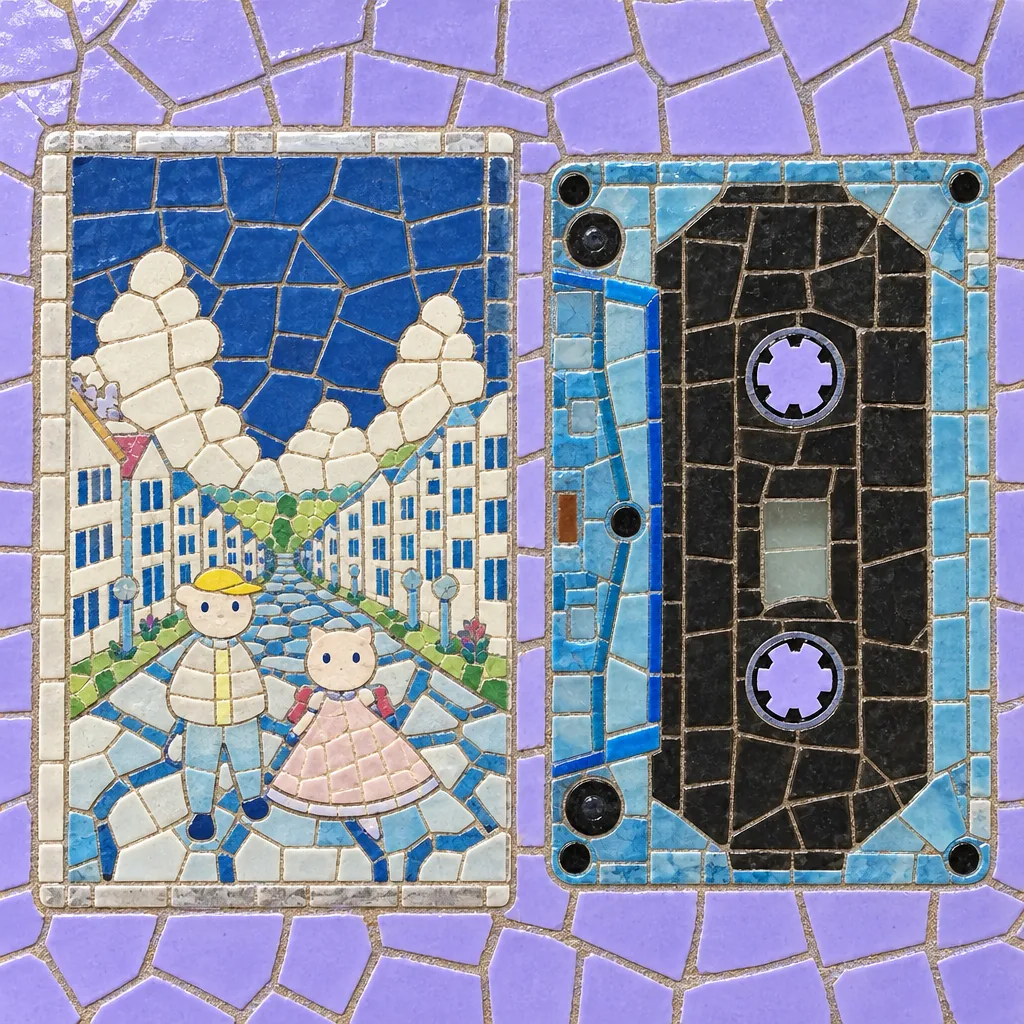
Tape club is a DIY-oriented micro-scene tied to the 2010s cassette revival, where bands and solo artists released jangly indie, garage, and lo‑fi pop on small runs of tapes through bedroom labels and mail‑order clubs. The sound favors budget-friendly recording methods (four-track cassette, Portastudio, or home DAWs bounced to tape) and embraces tape saturation, hiss, and a live-in-the-room feel. Musically it sits between indie pop, garage rock, surf inflections, and mellow bedroom pop, with short songs, hooky choruses, and nostalgic storytelling. Although "tape club" names a distribution culture as much as a style, it became recognizable by its warm, saturated sonics, handmade artwork (J-cards, risograph prints), and a community ethos that valued accessibility, zine-minded aesthetics, and informal touring networks.
Discover
Listen
Jirai Kei
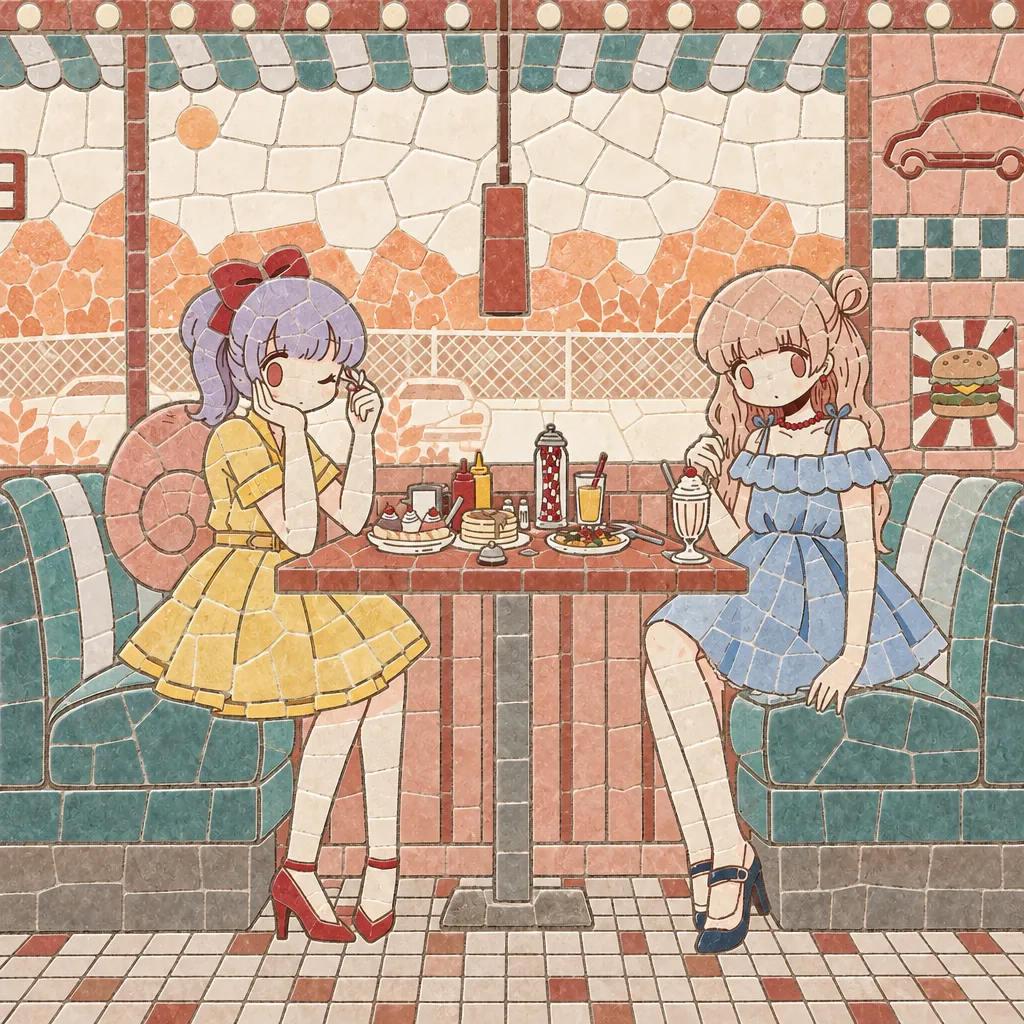
Jirai kei is a recent Japanese internet-born pop micro‑genre and aesthetic that blends cute, sugary sounds with darker, obsessive and self‑destructive themes. The term comes from a fashion/aesthetic scene associated with yamikawaii and menhera culture, and in music it describes songs that sound soft and adorable on the surface but conceal lyrics about toxic love, dependency, jealousy, and emotional volatility. Sonically, jirai kei draws from J‑pop and Vocaloid traditions (denpa/picopop brightness, catchy hooks) while adopting modern hyperpop gloss, trap/EDM percussion, and highly edited, youthful vocals. The contrast between childlike, pastel timbres and intense, confessional writing is central to the style, making it both immediately hooky and emotionally sharp—an audio embodiment of “cute but dangerous.”
Discover
Listen
Kawaii Future Bass
Kawaii future bass is a Japanese-born microgenre that blends the sidechained, chord-heavy drops of future bass with the cheery melodies, cute sound design, and pop sensibilities of J-pop, anime music, and game-inspired chiptune. It typically features bright supersaw stacks, bell and mallet plucks, high-pitched vocal chops (often from Vocaloid or J-pop/utaite sources), and sugary melodies in major or Lydian modes. Drums follow a half-time trap groove with crisp snares on beat three, while heavy sidechain compression creates a buoyant, bouncy feel. The aesthetic emphasizes “kawaii” (cute) culture—pastel tones, playful samples, and whimsical ear-candy—resulting in upbeat, feel-good tracks that are as much about personality and texture as they are about harmony and rhythm.
Discover
Listen
Lo-Fi Emo
Lo-fi emo is a DIY offshoot of the emo tradition that blends emotionally direct songwriting with the intimate aesthetics of home recording. It favors tape- or laptop-recorded sounds, audible room noise and hiss, simple guitar figures, and hushed, conversational vocals. Musically it often draws on twinkly Midwest-emo guitar voicings or sparse acoustic strums, minimal drum programming or lightly mic’d kits, and gentle reverb or chorus for a soft, dreamy patina. Lyrics are introspective and confessional—journals set to music—highlighting vulnerability, loneliness, nostalgia, and fleeting moments of connection. The genre flourished on Bandcamp, Tumblr, and SoundCloud, where micro-labels and peer-to-peer communities enabled rapid sharing of demos, splits, and cassette runs. Its low barrier to entry and personal tone made it a recognizable aesthetic across the 2010s and into the streaming era.
Discover
Listen
Shibuya-Kei
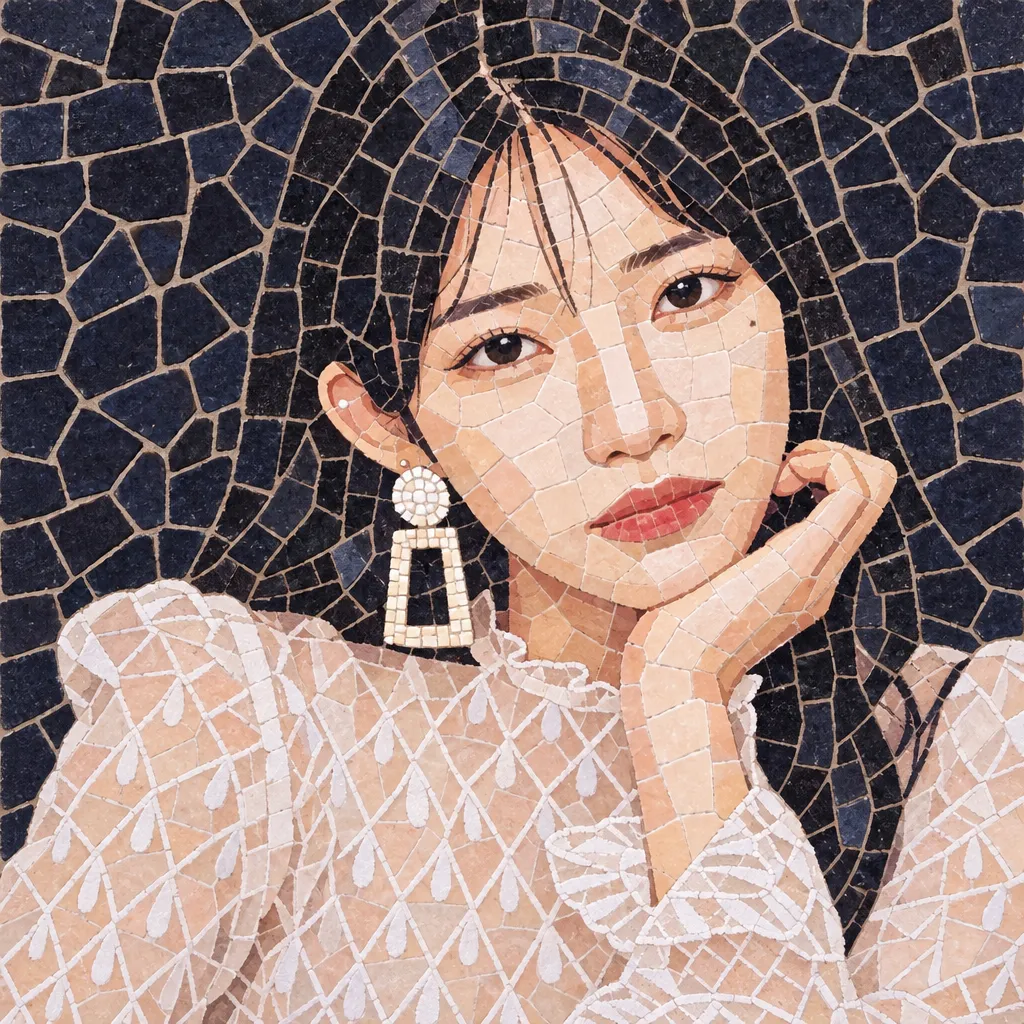
Shibuya-kei is a Japanese pop micro‑genre that emerged from Tokyo’s Shibuya district in the early–mid 1990s. It blends 1960s French yé‑yé, bossa nova, lounge/easy listening, baroque pop, jazz, sunshine pop, and slick city‑pop with contemporary sampling and electronic production. The style is cosmopolitan and retro‑futurist: it celebrates crate‑digging, witty pastiche, and graphic design/fashion as much as music. Songs often feature breezy melodies, airy or whispery vocals in Japanese, English, or French, and richly orchestrated arrangements that feel both nostalgic and playful.
Discover
Listen
Albums
2023
2
/5
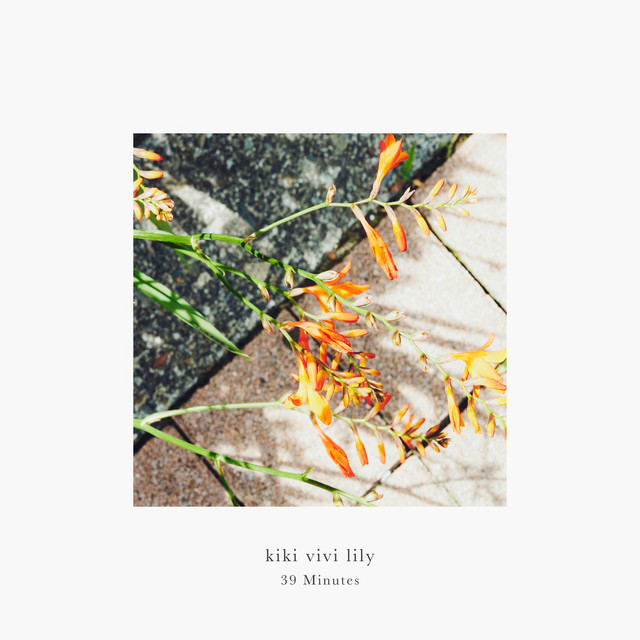
39 Minutes
kiki vivi lily
Shibuya-Kei
Similar artists
3
/5
tubakiii
Josei Rap
Neo-City Pop
Tape Club
3
/5
Sweet William
Tape Club
J-R&b
J-Rap
3
/5
Jinmenusagi
Neo-City Pop
Tape Club
Jersey Club Rap
2
/5
Itto
Neo-City Pop
Tape Club
Lo-Fi Emo
4
/5
Ichiko Aoba
Shibuya-Kei
Singer-Songwriter
Japanese Indie
4
/5
Lamp
Shibuya-Kei
City Pop
Jazz Pop
3
/5
KIRINJI
Neo-City Pop
J-Pop
City Pop
3
/5
Quruli
Indie Dream Pop
Indie Shoegaze
J-Pop
3
/5
Cornelius
Shibuya-Kei
J-Ambient
Indietronica
3
/5
mei ehara
J-Indie
Japanese Indie
Neo-City Pop
Download our mobile app
Get the Melodigging app and start digging for new genres on the go
Download on the App Store
Get it on Google Play
© 2026 Melodigging
Give feedback
Legal
Melodding was created as a tribute to
Every Noise at Once
, which inspired us to help curious minds keep digging into music's ever-evolving genres.