Genres
Artists
Albums
Make Music
Sign in
Sign in
Artists
Choral
Artists
Choral
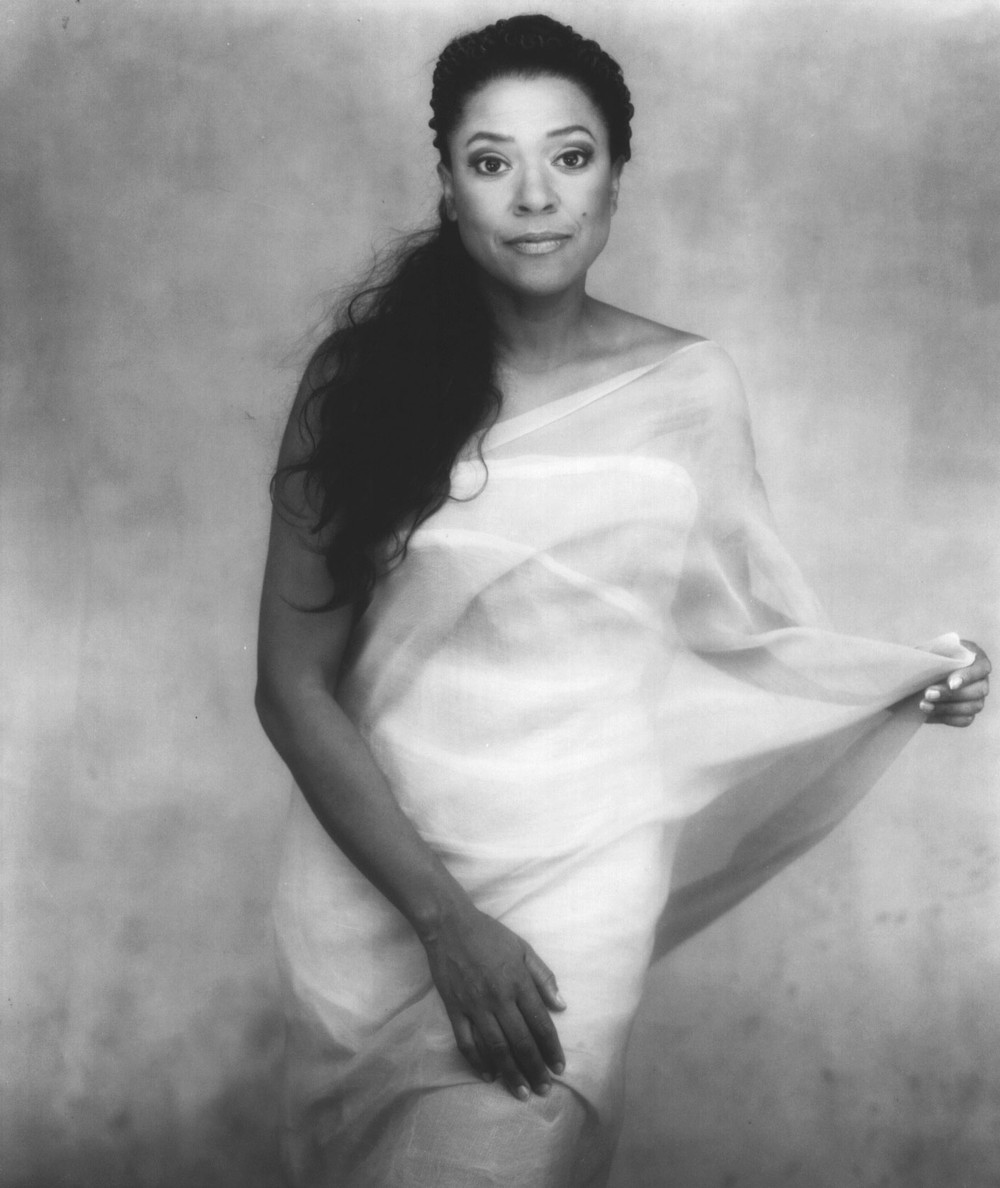
Kathleen Battle
1987–2001
·
4 albums
Listen
2
/5
Genres
Cinematic Classical
Cinematic classical is a contemporary stream of concert and media-oriented composition that merges classical orchestration with the pacing, narrative arcs, and textural sound design of film music. Typically centered on piano and strings, it favors slow-moving harmonies, ostinatos, spacious reverb, and emotive, diatonic melodies that build in dynamic intensity. Many works adopt a minimalist or post-minimalist vocabulary—repetition, gradual change, and clear tonal centers—while incorporating modern production techniques (felt piano, tape saturation, synth pads, subtle pulses) to achieve a widescreen, evocative sound. The style thrives both in standalone albums and in sync contexts (film, TV, trailers), where self-contained “cues” develop clear arcs—intro, build, climax, release—designed to support visual storytelling without sacrificing musical integrity.
Discover
Listen
Epic Music
Epic music is a modern, production-oriented orchestral style designed to evoke awe, scale, and cinematic impact. It fuses the language of film scores—soaring strings, heroic brass, thunderous percussion, and choir—with contemporary sound design such as braaams, risers, and hybrid electronic elements. Originally emerging from trailer-music houses, the genre prioritizes dramatic arcs and clear, escalating structures tailored to short-form media. Pieces often build from a low, pulsing ostinato to a towering climax with layered melodies, heavy drums, and choral chants, aiming to inspire, energize, or convey high stakes in a matter of minutes.
Discover
Listen
Operetta
Operetta is a light, theatrical form of musical drama that blends spoken dialogue with tuneful, dance-inflected numbers and comic plots. It favors memorable melodies, witty wordplay, and a buoyant orchestral palette over the heavy dramatic weight of grand opera. Emerging in mid-19th-century Paris and quickly flourishing in Vienna and beyond, operetta draws on popular dance rhythms (especially the waltz and march), satirical or romantic storylines, and clear, lyrical vocal writing. It serves as a bridge between opera and modern musical theatre, balancing classical technique with popular appeal.
Discover
Listen
Choral Symphony
A choral symphony is a large-scale symphonic work that integrates chorus (and often vocal soloists) into the symphonic fabric, rather than treating the voices as an add-on or separate cantata-like appendix. Pioneered most famously by Beethoven’s Symphony No. 9 (1824), the genre fuses the instrumental architecture of the symphony with texted, choral expression drawn from sacred and secular traditions. Composers use the chorus to broaden timbral range, intensify climaxes, and articulate philosophical or narrative ideas that purely instrumental music cannot directly convey. Across the 19th and 20th centuries, choral symphonies ranged from liturgical meditations (Stravinsky’s Symphony of Psalms) to epic, humanistic statements (Mahler’s Symphonies Nos. 2 and 8; Vaughan Williams’s A Sea Symphony), and politically charged works (Shostakovich’s Symphony No. 13).
Discover
Listen
Singspiel
Singspiel is a German-language musical stage genre that alternates spoken dialogue with musical numbers such as arias, ensembles, choruses, and finales. Unlike through‑composed opera, the plot advances through spoken scenes, which makes the style theatrically agile and accessible to broad audiences. Musically, Singspiel blends tuneful, folk‑like melodies and clear Classical‑era harmonies with theatrical flair. Subjects range from domestic comedy to adventure, exoticism, and magic (Zauberoper), and the tone can move from light and humorous to noble and sentimental. It flourished in public theaters across German lands and Austria, where it became closely identified with Viennese stages in the late 18th century.
Discover
Listen
Opera Buffa
Opera buffa is an Italian comic opera tradition that crystallized in the early 18th century as a lively, vernacular counterpart to opera seria. It features everyday characters, social satire, rapid-fire patter singing (especially for the basso buffo), and bustling ensemble finales that drive the drama forward. Musically it favors clear, galant-era melody, diatonic harmony, recitativo secco with continuo in earlier works, and increasingly sophisticated multi-voice ensembles. Plotlines draw on commedia dell’arte archetypes and revolve around mistaken identities, class tensions, and witty intrigues, presented in the Italian language with crisp, syllabic text setting.
Discover
Listen
Opera
Opera is a large-scale theatrical genre that combines music, drama, and visual spectacle, in which the story is primarily conveyed through singing accompanied by an orchestra. It unites solo voices, ensembles, and chorus with staging, costumes, and often dance to create a total artwork. Emerging in late Renaissance Italy and flourishing in the Baroque era, opera developed signature forms such as recitative (speech-like singing that advances the plot) and aria (lyrical numbers that explore character and emotion). Over the centuries it evolved diverse national styles—Italian bel canto, French grand opéra, German music drama—while continually experimenting with orchestration, harmony, narrative structure, and stagecraft.
Discover
Listen
Classical
Classical music is the notated art-music tradition of Europe and its global descendants, characterized by durable forms, carefully codified harmony and counterpoint, and a literate score-based practice. The term “classical” can refer broadly to the entire Western art-music lineage from the Medieval era to today, not just the Classical period (c. 1750s–1820s). It privileges long-form structures (such as symphonies, sonatas, concertos, masses, and operas), functional or modal harmony, thematic development, and timbral nuance across ensembles ranging from solo instruments to full orchestras and choirs. Across centuries, the style evolved from chant and modal polyphony to tonal harmony, and later to post-tonal idioms, while maintaining a shared emphasis on written notation, performance practice, and craft.
Discover
Listen
Choral
Choral refers to music written for and performed by a choir—an ensemble of voices organized into sections such as soprano, alto, tenor, and bass (SATB), or same-voice groupings (SSA, TTBB). It encompasses both sacred and secular repertoire and may be sung a cappella or with accompaniment by organ, piano, or full orchestra. Stylistically, choral music ranges from chant-like monophony to intricate polyphony and rich homophonic textures. Texts are drawn from liturgy, scripture, poetry, and vernacular sources, and are set in many languages. Performance contexts include church services, concert halls, and community events, making choral one of the most socially embedded and widely practiced forms of ensemble music. Across history, choral music has served as a laboratory for vocal counterpoint, word painting, and text-driven form, while functioning as a cultural bridge among religious rites, national traditions, and contemporary concert practice.
Discover
Listen
Show all 9 genres
Albums
2001
2
/5
Mythodea - Music for the NASA Mission: 2001 Mars Odyssey
Vangelis
Epic Music
Choral Symphony
Cinematic Classical
1992
2
/5
Baroque Duet
Georg Friedrich Händel
Operetta
1987
2
/5
Die Entführung aus dem Serail
Wolfgang Amadeus Mozart
Singspiel
1987
2
/5
Don Giovanni (Querschnitt)
Wolfgang Amadeus Mozart
Opera Buffa
Similar artists
4
/5
Berliner Philharmoniker
Classical
Romantic Classical
Romanticism
4
/5
Herbert von Karajan
Classical
Symphonic Poem
Symphony
4
/5
Wiener Philharmoniker
Classical
Romantic Classical
Romanticism
4
/5
Philharmonia Orchestra
Classical
Opera
Choral
3
/5
Dietrich Fischer-Dieskau
Art Song
Lied
Classical
2
/5
Otto Klemperer
Choral
Classical
Opera
2
/5
Arleen Auger
Choral
Classical
Opera
1
/5
Various Artists
Afro-Funk
Alternative Rock
Ambient
3
/5
Sir Georg Solti
Classical
Romantic Classical
Romanticism
3
/5
Wiener Staatsopernchor
Classical
Requiem
Opera
Download our mobile app
Get the Melodigging app and start digging for new genres on the go
Download on the App Store
Get it on Google Play
© 2026 Melodigging
Give feedback
Legal
Melodding was created as a tribute to
Every Noise at Once
, which inspired us to help curious minds keep digging into music's ever-evolving genres.