Genres
Artists
Albums
Make Music
Sign in
Sign in
Artists
Choral
Artists
Choral
Arleen Auger
1972–1991
·
3 albums
Listen
2
/5
Genres
Choral Symphony
A choral symphony is a large-scale symphonic work that integrates chorus (and often vocal soloists) into the symphonic fabric, rather than treating the voices as an add-on or separate cantata-like appendix. Pioneered most famously by Beethoven’s Symphony No. 9 (1824), the genre fuses the instrumental architecture of the symphony with texted, choral expression drawn from sacred and secular traditions. Composers use the chorus to broaden timbral range, intensify climaxes, and articulate philosophical or narrative ideas that purely instrumental music cannot directly convey. Across the 19th and 20th centuries, choral symphonies ranged from liturgical meditations (Stravinsky’s Symphony of Psalms) to epic, humanistic statements (Mahler’s Symphonies Nos. 2 and 8; Vaughan Williams’s A Sea Symphony), and politically charged works (Shostakovich’s Symphony No. 13).
Discover
Listen
Opera Seria
Opera seria is the 18th‑century Italian "serious" opera that crystallized around noble, moralizing stories drawn from Classical mythology and ancient history. It privileges elevated rhetoric, clear affects, and vocal virtuosity, especially through the da capo (ABA') aria, where singers ornament the return to display technical brilliance and expressive nuance. Typically organized in three acts, opera seria alternates recitatives (secco with continuo for dialogue; accompagnato with orchestra for heightened drama) and solo arias. Ensemble numbers and choruses are rare, and the dramatic flow is shaped by the famous "exit aria" convention, where characters leave the stage after an aria. The style reached canonical form via Metastasian libretti and dominated courts and major opera houses across Naples, Rome, Venice, Vienna, and London.
Discover
Listen
Oratorio
An oratorio is a large‑scale, multi‑movement work for voices and orchestra, typically on a sacred narrative subject, performed without staging, costumes, or scenery. It combines solo recitatives and arias with powerful choruses and instrumental movements, using a dramatic arc similar to opera but presented as a concert work. Languages and styles vary by era and region (Italian and Latin in early Roman oratorios, German for Lutheran works such as Bach’s, and English for Handel’s). While most are sacred, secular oratorios also exist. Across the Baroque, Classical, Romantic, and modern eras, the oratorio evolved from intimate devotional storytelling to monumental public concert pieces, often intended for festivals and large choirs.
Discover
Listen
Opera
Opera is a large-scale theatrical genre that combines music, drama, and visual spectacle, in which the story is primarily conveyed through singing accompanied by an orchestra. It unites solo voices, ensembles, and chorus with staging, costumes, and often dance to create a total artwork. Emerging in late Renaissance Italy and flourishing in the Baroque era, opera developed signature forms such as recitative (speech-like singing that advances the plot) and aria (lyrical numbers that explore character and emotion). Over the centuries it evolved diverse national styles—Italian bel canto, French grand opéra, German music drama—while continually experimenting with orchestration, harmony, narrative structure, and stagecraft.
Discover
Listen
Requiem
A requiem is a musical setting of the Roman Catholic Mass for the Dead (Missa pro defunctis). Historically rooted in Latin liturgy, it sets movements such as the Introit, Kyrie, (historically) the Sequence Dies irae, Offertory, Sanctus, Agnus Dei, and Communion, and often includes additional responsories like Libera me and In paradisum. While the earliest requiems were monophonic chants, the genre became a showcase for polyphonic and later symphonic choral writing. Renaissance composers wrote austere, modal settings; Classical and Romantic composers expanded the forces and dramatic scope; and 20th–21st century composers reimagined the form with new languages, from neo-modal and impressionistic harmonies to avant‑garde sonorities. Today, requiems appear both in liturgy and as concert works, symbolizing collective mourning, remembrance, and spiritual reflection.
Discover
Listen
Classical
Classical music is the notated art-music tradition of Europe and its global descendants, characterized by durable forms, carefully codified harmony and counterpoint, and a literate score-based practice. The term “classical” can refer broadly to the entire Western art-music lineage from the Medieval era to today, not just the Classical period (c. 1750s–1820s). It privileges long-form structures (such as symphonies, sonatas, concertos, masses, and operas), functional or modal harmony, thematic development, and timbral nuance across ensembles ranging from solo instruments to full orchestras and choirs. Across centuries, the style evolved from chant and modal polyphony to tonal harmony, and later to post-tonal idioms, while maintaining a shared emphasis on written notation, performance practice, and craft.
Discover
Listen
Choral
Choral refers to music written for and performed by a choir—an ensemble of voices organized into sections such as soprano, alto, tenor, and bass (SATB), or same-voice groupings (SSA, TTBB). It encompasses both sacred and secular repertoire and may be sung a cappella or with accompaniment by organ, piano, or full orchestra. Stylistically, choral music ranges from chant-like monophony to intricate polyphony and rich homophonic textures. Texts are drawn from liturgy, scripture, poetry, and vernacular sources, and are set in many languages. Performance contexts include church services, concert halls, and community events, making choral one of the most socially embedded and widely practiced forms of ensemble music. Across history, choral music has served as a laboratory for vocal counterpoint, word painting, and text-driven form, while functioning as a cultural bridge among religious rites, national traditions, and contemporary concert practice.
Discover
Listen
Show all 7 genres
Albums
1991
1
/5
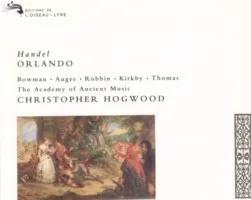
Orlando
Georg Friedrich Händel
Opera Seria
1988
2
/5
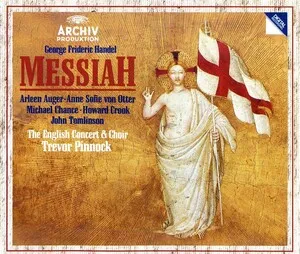
Messiah
Georg Friedrich Händel
Oratorio
1972
2
/5
Symphony No.8
Gustav Mahler
Choral Symphony
Choral
Similar artists
2
/5
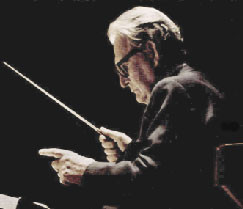
Otto Klemperer
Choral
Classical
Opera
4
/5
Berliner Philharmoniker
Classical
Romantic Classical
Romanticism
4
/5
Herbert von Karajan
Classical
Symphonic Poem
Symphony
4
/5
Philharmonia Orchestra
Classical
Opera
Choral
4
/5
Wiener Philharmoniker
Classical
Romantic Classical
Romanticism
3
/5
Dietrich Fischer-Dieskau
Art Song
Lied
Classical
3
/5
Wiener Staatsopernchor
Classical
Requiem
Opera
2
/5
José van Dam
Classical
Opera
Requiem
2
/5
Agnes Baltsa
Classical
Requiem
Opera
3
/5
Sir Georg Solti
Classical
Romantic Classical
Romanticism
Download our mobile app
Get the Melodigging app and start digging for new genres on the go
Download on the App Store
Get it on Google Play
© 2026 Melodigging
Give feedback
Legal
Melodding was created as a tribute to
Every Noise at Once
, which inspired us to help curious minds keep digging into music's ever-evolving genres.