Genres
Artists
Albums
Make Music
Sign in
Sign in
Artists
Electronic
Artists
Electronic
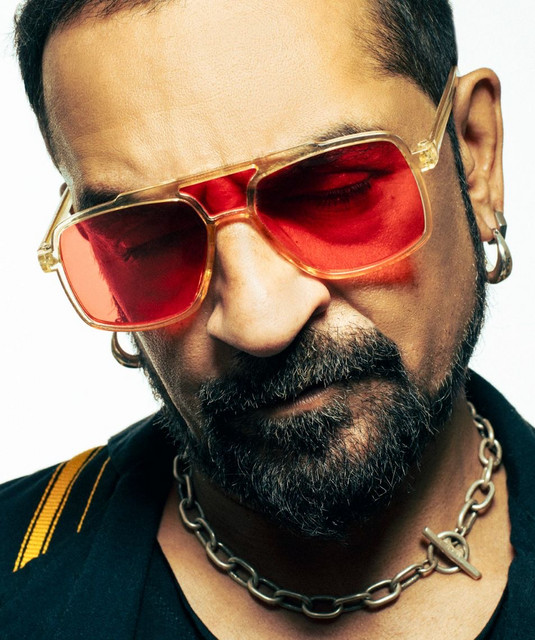
Karsh Kale
2001–2007
·
3 albums
Listen
2
/5
Genres
Indian Indie
Indian indie is the umbrella for independent, non-film music made in India across languages such as Hindi, English, and numerous regional tongues. It is defined more by its DIY production and artist-led release model than by a single sound. Musically, it spans indie pop and rock, folk-fusion, singer‑songwriter ballads, dream‑pop/shoegaze textures, and electronic‑leaning productions. Artists often blend Western harmony and song forms with raga‑tinged melodies, Indian rhythmic feels, and occasional use of traditional instruments like tabla, bansuri, or sitar. The scene grew rapidly with college festivals, small venues, and digital platforms (YouTube, streaming services, Bandcamp), plus boutique labels and festivals such as NH7 Weekender that created national visibility. Lyrically, it tends to be intimate and contemporary—touching on romance, urban life, identity, and nostalgia—while maintaining accessible hooks and warm, organic sonics.
Discover
Listen
Asian Underground
Asian underground is a UK-born fusion that blends South Asian musical traditions with British electronic, hip hop, and club culture. It emerged from the British-Asian diaspora, combining raga-based melodies, Bollywood and qawwali-influenced vocals, and indigenous percussion (tabla, dhol, dholak) with breakbeats, jungle, drum and bass, dub, and trip hop aesthetics. The sound is both urban and diasporic: heavy basslines and syncopated breaks sit under modal melodies, drones, and intricate tala cycles. Producers often sample classic South Asian recordings or record live virtuosi, then process them with dub delays, filters, and contemporary sound design. The result ranges from moody, cinematic downtempo to fiercely rhythmic club tracks, unified by an exploration of identity, migration, and cross-cultural dialogue.
Discover
Listen
Desi Hip Hop
Desi hip hop is a South Asian take on hip hop that blends the culture, languages, and musical idioms of the subcontinent with rap’s global aesthetics. Lyrics commonly mix Hindi, Urdu, Punjabi, Bengali, Tamil, and English (often Hinglish), while production weaves boom-bap and trap with desi textures such as dhol and tumbi rhythms, Bollywood string motifs, qawwali/harmonium colors, and filmi vocal phrasing. The style ranges from gritty "gully" storytelling and social commentary to braggadocious club bangers and melodic pop-rap crossovers, reflecting both street-level realities and the South Asian diaspora’s hybrid identity.
Discover
Listen
Hindi Hip Hop
Hindi hip hop is a regional form of rap music performed primarily in Hindi (often mixed with Hinglish), built on the rhythmic, lyrical, and production foundations of global hip hop. It blends classic boom‑bap grooves and modern trap sonics with locally rooted storytelling, slang, and cadence, creating a distinct voice for Indian urban life. Stylistically, it intersects with Bollywood/filmi songwriting, Indian pop hooks, and occasional motifs from Hindustani melodies or folk percussion. From gritty street narratives to club‑ready anthems, Hindi hip hop spans conscious, battle, and commercial sub‑strains while retaining a strong emphasis on wordplay, flows, and identity.
Discover
Listen
Downtempo
Downtempo is a mellow, groove-oriented branch of electronic music characterized by slower tempos, plush textures, and a focus on atmosphere over dancefloor intensity. Typical tempos range from about 60–110 BPM, with swung or laid-back rhythms, dub-informed basslines, and warm, jazz-tinged harmonies. Stylistically, it blends the spaciousness of ambient, the head-nodding rhythms of hip hop and breakbeat, and the cosmopolitan smoothness of lounge and acid jazz. Producers often use sampled drums, Rhodes or Wurlitzer electric pianos, guitar licks with delay, and field recordings to create intimate, cinematic soundscapes. The mood spans from soulful and romantic to introspective and dusk-lit, making it a staple of after-hours listening, cafes, and relaxed club back rooms.
Discover
Listen
Drum And Bass
Drum and bass (DnB) is a fast, rhythmically intricate form of electronic dance music centered on breakbeats at roughly 160–180 BPM and powerful, sub‑heavy basslines. It grew out of the UK’s early ’90s rave and jungle scenes, combining chopped funk breaks (most famously the Amen break), dub and reggae sound‑system aesthetics, hip‑hop sampling, and techno’s futurist sound design. Across its many substyles—liquid funk’s soulful harmonies, techstep and neurofunk’s cold, machine‑like bass engineering, jump‑up’s hooky bass riffs, atmospheric DnB’s pads and space—drum and bass remains a DJ‑oriented, dancefloor‑driven genre that prizes tight drum programming, deep low end, and precise arrangement for mixing.
Discover
Listen
Electronica
Electronica is a broad, largely 1990s umbrella term for a spectrum of electronic music crafted as much for immersive, album‑oriented listening as for clubs and raves. It gathers elements from techno, house, ambient, breakbeat, IDM, and hip hop production, emphasizing synthesizers, drum machines, samplers, and studio experimentation. The sound can range from downtempo and atmospheric to hard‑hitting and breakbeat‑driven, but it typically foregrounds sound design, texture, and mood over strict dance‑floor utility. In the mid‑to‑late 1990s the term was used by labels and press—especially in the United States—to market and introduce diverse electronic acts to mainstream rock and pop audiences.
Discover
Listen
Chillout
Chillout is a broad, downtempo-oriented style of electronic music designed for relaxation, decompression, and after-hours listening. It emphasizes spacious atmospheres, gentle grooves, and warm timbres over intensity or virtuosity. Emerging from the “chill-out rooms” of UK and Ibiza clubs, the sound blends ambient pads, soft 4/4 or broken-beat rhythms, and melodic fragments drawn from lounge, jazz, bossa nova, and Balearic traditions. Typical tempos range from about 70–110 BPM, with extended chords, subtle basslines, and abundant reverb and delay to create a sense of depth and calm. Though often used as an umbrella for related styles (ambient, downtempo, trip hop, lounge), chillout retains a distinct focus on mood: it privileges texture, space, and gentle momentum, making it a staple for late-night sets, beach bars, and home listening alike.
Discover
Listen
Electro
Electro is an early 1980s machine-funk style built around drum machines (especially the Roland TR-808), sequenced basslines, and a futuristic, robotic aesthetic. It emphasizes syncopated rhythms, sparse arrangements, and timbres drawn from analog and early digital synthesizers. Vocals, when present, are often delivered via vocoder or rap-style chants, reinforcing a sci‑fi, cyborg persona. Electro’s grooves powered breakdance culture, and its sonic palette—crisp 808 kicks, snappy snares, dry claps, cowbells, and squelchy bass—became foundational to later techno and bass music.
Discover
Listen
Indian Pop
Indian pop (often called Indi-pop or I-pop) is pop music created in India outside of film soundtracks. It adapts Western pop and rock songcraft—catchy choruses, verse–chorus forms, synths, drum machines—to South Asian melodic and rhythmic sensibilities, drawing on Hindustani and Carnatic ornamentation, regional folk grooves, and urban club production. While closely linked to Bollywood, Tollywood, Kollywood and the UK’s Asian Underground scenes, its defining trait is independence from cinema: artists release singles and albums marketed on TV, radio, and—today—streaming/video platforms. Lyrics are usually in Hindi, Urdu, or Bengali (often mixing Hinglish), but Punjabi, Tamil, and other Indian languages appear too, reflecting a pan‑Desi pop ecosystem spanning India, Pakistan, and Bangladesh.
Discover
Listen
World Fusion
World fusion is a broad, exploratory approach that blends musical traditions from different cultures with contemporary forms such as jazz, rock, ambient, and electronic music. Rather than being tied to a single folk lineage, it privileges hybrid instrumentation, modal and rhythmic vocabularies from around the globe, and collaborative performance practices. Compared with the more pop-oriented worldbeat, world fusion tends to be more improvisational, texture-driven, and studio- or ensemble-focused. It commonly juxtaposes instruments like oud, kora, sitar, tabla, duduk, and frame drums with electric guitar, synthesizers, and jazz rhythm sections, often emphasizing modal harmony, drones, polyrhythms, and odd meters.
Discover
Listen
Breakbeat
Breakbeat is a broad branch of electronic music defined by its use of broken, syncopated drum patterns ("breakbeats") rather than straight four-on-the-floor rhythms. Producers typically build tracks from looped and chopped drum breaks—often sampled from vintage funk, jazz, and R&B recordings—layered with basslines, synths, and effects. As both a production technique and a stylistic umbrella, breakbeat underpins and intersects with many scenes: from old‑school hip‑hop turntablism and electro to the UK rave continuum (breakbeat hardcore, big beat, Florida breaks) and onward to garage-derived styles. While not synonymous with jungle and drum & bass, the same culture of sampling and chopping classic breaks (e.g., the Amen break) helped inform those genres as well.
Discover
Listen
Hip Hop
Hip hop is a cultural and musical movement that emerged from Black, Latino, and Caribbean communities, centering around rapping (MCing), DJing/turntablism, sampling-based production, and rhythmic speech over beats. It prioritizes groove, wordplay, and storytelling, often reflecting the social realities of urban life. Musically, hip hop is built on drum-centric rhythms (from breakbeats to 808 patterns), looped samples, and bass-forward mixes. Lyrically, it ranges from party anthems and braggadocio to political commentary and intricate poetic forms, with flow, cadence, and rhyme density as core expressive tools. Beyond music, hip hop encompasses a broader culture, historically intertwined with graffiti, b-boying/b-girling (breakdance), fashion, and street entrepreneurship, making it both an art form and a global social language.
Discover
Listen
Rock
Rock is a broad family of popular music centered on amplified instruments, a strong backbeat, and song forms that foreground riffs, choruses, and anthemic hooks. Emerging from mid‑20th‑century American styles like rhythm & blues, country, and gospel-inflected rock and roll, rock quickly expanded in scope—absorbing folk, blues, and psychedelic ideas—while shaping global youth culture. Core sonic markers include electric guitar (often overdriven), electric bass, drum kit emphasizing beats 2 and 4, and emotive lead vocals. Rock songs commonly use verse–chorus structures, blues-derived harmony, and memorable melodic motifs, ranging from intimate ballads to high‑energy, stadium‑sized performances.
Discover
Listen
Folk
Folk is a song-centered acoustic tradition rooted in community storytelling, everyday life, and social history. It emphasizes clear melodies, simple harmonies, and lyrics that foreground narrative, protest, and personal testimony. As a modern recorded genre, folk coalesced in the early-to-mid 20th century in the United States out of older ballad, work song, and rural dance traditions. It typically features acoustic instruments (guitar, banjo, fiddle, mandolin, harmonica), strophic song forms, and participatory singing (choruses, call-and-response).
Discover
Listen
Jazz
Jazz is an improvisation-centered music tradition that emerged from African American communities in the early 20th century. It blends blues feeling, ragtime syncopation, European harmonic practice, and brass band instrumentation into a flexible, conversational art. Defining features include swing rhythm (a triplet-based pulse), call-and-response phrasing, blue notes, and extended harmonies built on 7ths, 9ths, 11ths, and 13ths. Jazz is as much a way of making music—spontaneous interaction, variation, and personal sound—as it is a set of forms and tunes. Across its history, jazz has continually hybridized, from New Orleans ensembles and big-band swing to bebop, cool and hard bop, modal and free jazz, fusion, and contemporary cross-genre experiments. Its influence permeates global popular and art music.
Discover
Listen
Electronic
Electronic is a broad umbrella genre defined by the primary use of electronically generated or electronically processed sound. It encompasses music made with synthesizers, drum machines, samplers, computers, and studio/tape techniques, as well as electroacoustic manipulation of recorded or synthetic sources. The genre ranges from academic and experimental traditions to popular and dance-oriented forms. While its sonic palette is rooted in electricity and circuitry, its aesthetics span minimal and textural explorations, structured song forms, and beat-driven club permutations. Electronic emphasizes sound design, timbre, and studio-as-instrument practices as much as melody and harmony.
Discover
Listen
Show all 17 genres
Albums
2007
2
/5
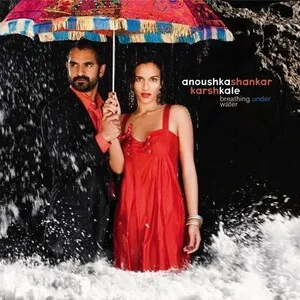
Breathing Under Water
Anoushka Shankar & Karsh Kale
Indian Pop
Drum And Bass
Electronic
2003
2
/5
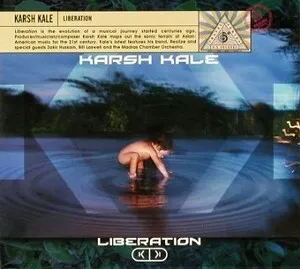
Liberation
Karsh Kale
Asian Underground
Breakbeat
Downtempo
2001
2
/5
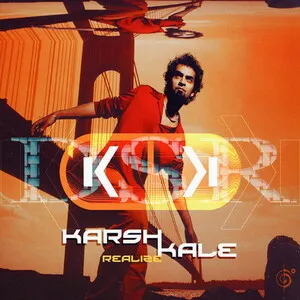
Realize
Karsh Kale
Asian Underground
Electro
Electronic
Similar artists
1
/5
Various Artists
Afro-Funk
Alternative Rock
Ambient
2
/5
Afro Celt Sound System
Celtic Electronica
Electronic
Celtic
4
/5
Badshah
Desi Trap
Afro Drill
Bollywood
4
/5
Talwiinder
Desi
Desi Hip Hop
Hindi Hip Hop
4
/5
Seedhe Maut
Hardcore Hip Hop
Desi
Desi Hip Hop
3
/5
Anoushka Shankar
Hindustani Classical
Electronic
Gamecore
3
/5
Karan Kanchan
Desi Hip Hop
Hindi Hip Hop
Indian Indie
3
/5
Dropped Out
Desi Hip Hop
Hindi Hip Hop
Indian Indie
3
/5
Panther
Desi Hip Hop
Hindi Hip Hop
Indian Indie
3
/5
Lambo Drive
Desi Hip Hop
Hindi Hip Hop
Indian Indie
Download our mobile app
Get the Melodigging app and start digging for new genres on the go
Download on the App Store
Get it on Google Play
© 2026 Melodigging
Give feedback
Legal
Melodding was created as a tribute to
Every Noise at Once
, which inspired us to help curious minds keep digging into music's ever-evolving genres.