Genres
Artists
Albums
Make Music
Sign in
Sign in
Artists
Afrobeat
Artists
Afrobeat
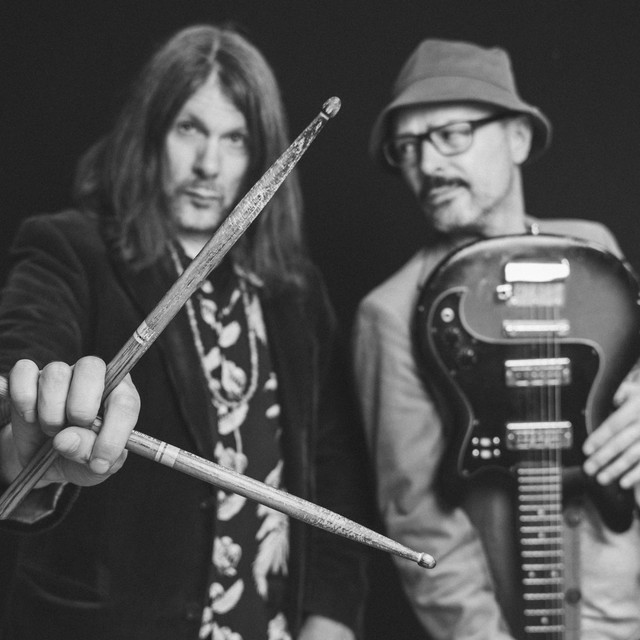
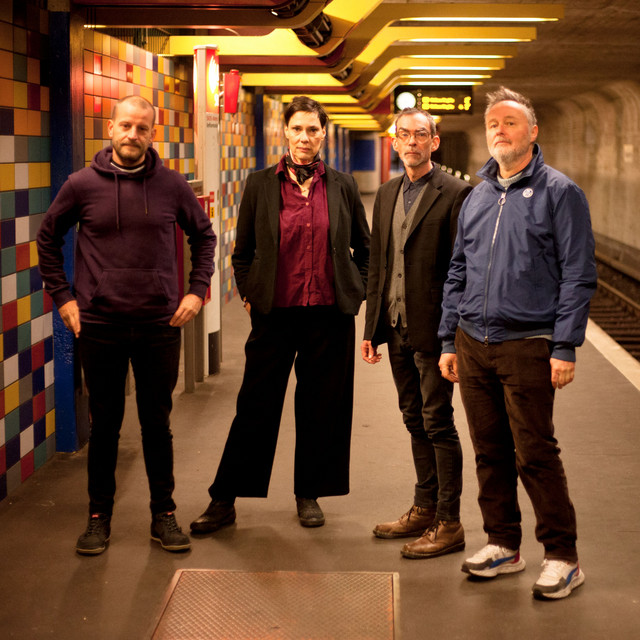
Karl Hector & The Malcouns
2014–2015
·
2 albums
Listen
2
/5
Genres
Souldies
Souldies is a modern revival of classic lowrider “oldies” soul—slow, tender ballads rooted in 1960s and early-’70s sweet soul and doo‑wop aesthetics, reimagined by a new generation of largely Chicano/Latinx artists in Southern California. Characterized by warm, analog-leaning production, mellow backbeats, honeyed vocal harmonies, and heart‑on‑sleeve lyricism, the style favors mid‑slow tempos, tape‑like saturation, spring/plate reverb, and minimalist yet expressive arrangements. English and Spanish (or Spanglish) lyrics often explore love, longing, devotion, and cruising/lowrider culture. Souldies sits at the intersection of classic soul, rhythm & blues, northern soul selections, and Latin soul, offering a contemporary, community‑centered sound that feels both timeless and newly personal.
Discover
Listen
Afrobeat
Afrobeat is a horn-driven, polyrhythmic, and politically charged style that emerged in Nigeria, spearheaded by bandleader Fela Kuti and drummer Tony Allen. It fuses West African highlife and juju with American funk, jazz, and soul to create extended, hypnotic grooves. Typical tracks revolve around interlocking guitar and keyboard ostinatos, elastic bass vamps, dense percussion (shekere, congas, agogô, cowbell), and tightly arranged horn riffs that punctuate the beat. Vocals often use call-and-response and socially conscious lyrics, delivered in English, Nigerian Pidgin, or Yoruba. Harmonically sparse but rhythmically intricate, Afrobeat prioritizes feel: long, evolving arrangements, richly syncopated drum patterns, and sectional dynamics that spotlight solos and collective interplay.
Discover
Listen
Neo-Psychedelia
Neo-psychedelia is a late-20th-century revival and reinvention of 1960s psychedelic music aesthetics, filtered through post-punk, indie, and experimental sensibilities. It emphasizes hypnotic textures, droning guitars, heavy use of effects (reverb, delay, phasing), analogue organs/synths, and dreamlike or surreal lyricism. Rhythms may draw from motorik and other steady, trance-inducing grooves, while harmony often favors modal colors and repetitive vamps. The style ranges from jangly, melodic songs to dense, feedback-laden soundscapes, and has been highly influential on dream pop, shoegaze, Britpop-adjacent scenes, and modern psych rock.
Discover
Listen
Afro-Funk
Afro-funk is a groove-driven fusion that marries the syncopated punch of American funk with West African rhythmic traditions such as highlife and jùjú. It features tightly interlocking rhythm sections, ostinato bass lines, bright horn riffs, call-and-response vocals, and guitar textures that often use wah-wah, palm-muted chanks, and cyclical vamps. While rooted in dance-floor energy, afro-funk retains a strong sense of locality—languages, proverbs, and social themes are woven into songs—making it both a party music and a vehicle for cultural expression. The sound flourished in the 1970s across West Africa, especially Nigeria, Ghana, and Benin, with some bands based in diasporic hubs like London, creating a pan-African, cosmopolitan take on funk.
Discover
Listen
Krautrock
Krautrock is an experimental form of rock that emerged in late-1960s West Germany, characterized by hypnotic repetition, long-form structures, and a forward-looking embrace of electronics and studio experimentation. It typically features a steady, driving 4/4 “motorik” beat, circular bass ostinatos, sparse harmonic movement, and textural layering that draws from minimalism, free improvisation, and avant-garde composition. Rather than virtuosic solos, the emphasis is on collective groove, trance-inducing momentum, and timbral exploration. The sound ranges from raw, percussive jams to spacious, cosmic electronics, often eschewing conventional Anglo-American blues forms in favor of a distinctly European modernist aesthetic.
Discover
Listen
Psychedelic Jazz Fusion
Psychedelic jazz fusion blends the exploratory harmony and improvisation of jazz with the mind-bending textures, studio experimentation, and long-form journeys of psychedelic music. It favors modal frameworks, extended vamps, and trance-like grooves, often embellished with analog synths, tape echoes, ring modulation, and spatial effects. Rhythm sections lock into hypnotic funk- or rock-inflected ostinatos while horns, guitars, and keyboards stretch out with modal or pentatonic improvisations. The production aesthetic is as important as the composition: saturated tape tones, phasing, reverb-drenched soundscapes, and collage-like arrangements evoke altered states and cosmic themes. The result is a sound that can be simultaneously earthy and otherworldly—deeply grooving yet floating, exploratory yet cohesive—bridging clubs, concert halls, and late-night studio laboratories.
Discover
Listen
Afro-Jazz
Afro-jazz is a fusion genre that blends the improvisational language, harmony, and ensemble practices of jazz with the rhythmic vocabulary, grooves, and timbral palette of African musical traditions. Characterized by polyrhythms, cyclical vamps, call-and-response, and prominent percussion, Afro-jazz often features horn sections and keyboards (piano or electric piano) articulating jazz harmonies over dance-oriented African grooves. The result ranges from intimate, melodic pieces to high-energy, club-ready performances. While it developed across several African locales, the South African "African jazz" movement of the 1950s—rooted in marabi and kwela—was especially formative, as were contemporaneous West African fusions of highlife and jazz.
Discover
Listen
Ethio-Jazz
Ethio‑jazz (Ethiopian jazz) is a distinctive fusion of traditional Ethiopian modal melody and rhythm with the harmonies, improvisational language, and instrumentation of jazz. Rooted in Ethiopia’s pentatonic qenet (modes)—such as tizita, bati, ambassel, and anchihoye—it places these characteristic scales over Western jazz ensembles (horn sections, piano/organ, guitar, bass, drums) and, at times, indigenous instruments like krar, masenqo, and kebero. The result ranges from sultry, minor‑tinged laments to hypnotic, groove‑forward vamps, often colored by vibraphone, organ, and saxophone timbres. Over time, Ethio‑jazz absorbed elements of soul, funk, Afro‑Latin and Afro‑Cuban rhythms, contributing to a sound that can be both melancholic and danceable, nostalgic and cosmopolitan. Mulatu Astatke—widely considered the father of Ethio‑jazz—was pivotal in crystallizing this language and popularizing it internationally.
Discover
Listen
Show all 8 genres
Albums
2015
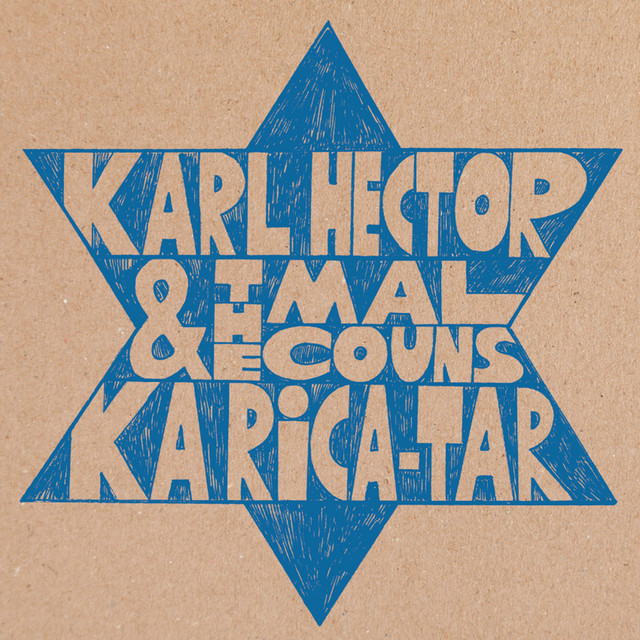
Ka Rica‐Tar
Karl Hector & the Malcouns
Psychedelic Jazz Fusion
2014
2
/5
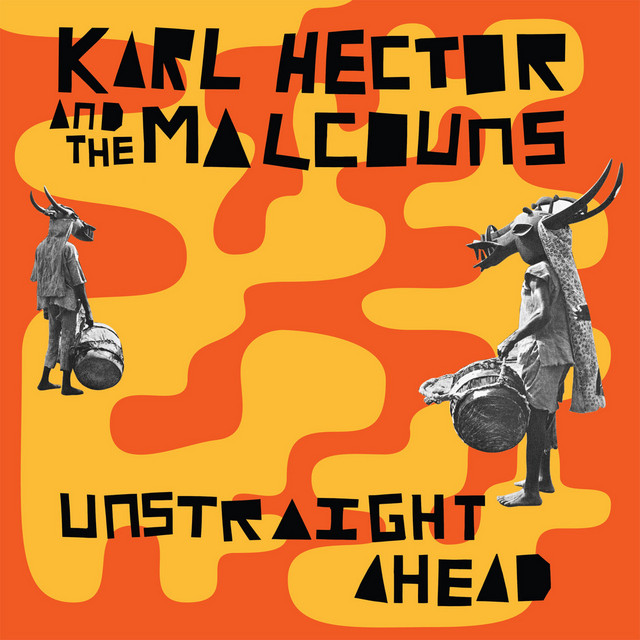
Unstraight Ahead
Karl Hector & The Malcouns
Psychedelic Jazz Fusion
Ethio-Jazz
Afro-Funk
Similar artists
2
/5
The Heliocentrics
Jazz
Afrobeat
Ethio-Jazz
1
/5
Various Artists
Soundtrack
Afro-Funk
Alternative Rock
Karl Hector & the Malcouns
Afro-Funk
Afro-Jazz
Afrobeat
3
/5
Stereolab
Experimental Rock
No Wave
Post-Rock
3
/5
Thee Oh Sees
Garage Rock
Garage Psych
Psychedelic Rock
3
/5
Kikagaku Moyo
Krautrock
Psychedelic Rock
Rock
3
/5
Osees
Garage Rock
Krautrock
Neo-Psychedelia
3
/5
Dummy
Neo-Kraut
Krautrock
Shoegaze
2
/5
Ozric Tentacles
Jam Band
Space Rock
Electronic
2
/5
Wooden Shjips
Krautrock
Neo-Psychedelia
Shoegaze
Download our mobile app
Get the Melodigging app and start digging for new genres on the go
Download on the App Store
Get it on Google Play
© 2026 Melodigging
Give feedback
Legal
Melodding was created as a tribute to
Every Noise at Once
, which inspired us to help curious minds keep digging into music's ever-evolving genres.